
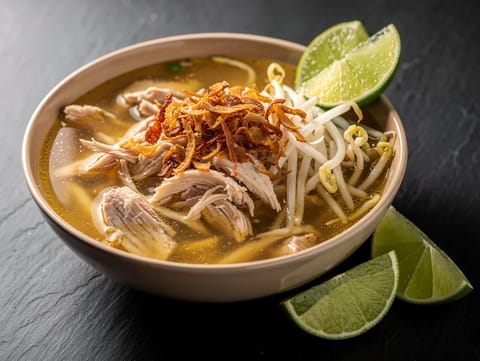
Soto Ayam (Indonesian Chicken and Turmeric Soup)
Chicken and turmeric soup with vermicelli and bean sprouts

Indonesian cooking is often built around a few repeatable kitchen moves: pounding or blending a spice paste, layering aromatics, and balancing savoury depth with brightness and heat. You will see the same building blocks used across very different dishes, from grilled skewers and fried snacks to coconut-rich stews and rice-based meals. This is a cuisine where method matters as much as ingredients, because the way you cook the paste, toast spices or finish with something sharp can change the whole character of a dish.
On this page, Indonesian refers to recipes rooted in the cooking of Indonesia, or clearly inspired by it. In practice, that usually means a flavour base of aromatics such as shallot, garlic and ginger, often with chilli, and frequently with lemongrass, galangal or kaffir lime leaf where available. Many dishes lean on fermented or aged savoury notes, for example from soy-based seasonings or shrimp paste, alongside sweetness (palm sugar is common) and acidity (lime, tamarind or vinegar). It does not automatically mean a dish is very hot, very sweet or coconut-heavy. Those elements vary by region, household and the specific dish you are making.
Chicken and turmeric soup with vermicelli and bean sprouts
Fried tempeh tossed with shallots, garlic, chilli, tamarind and palm sugar glaze
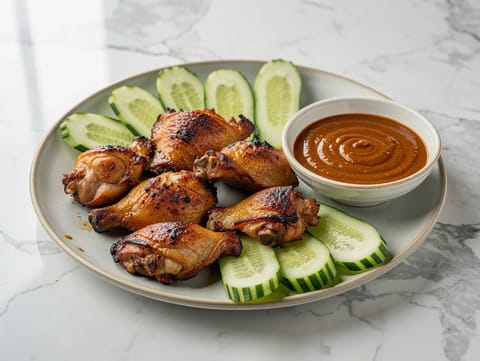
Air-fried satay chicken with peanut, lime and soy sauce.
Beef rendang simmered with lemongrass, ginger and chilli until the sauce coats the meat
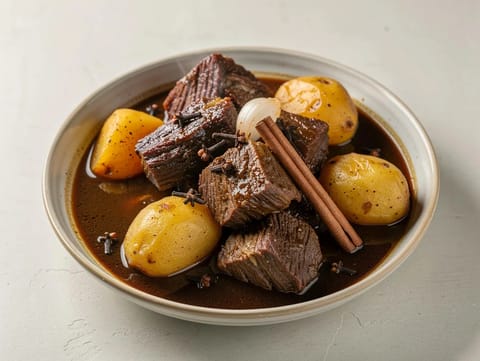
Indonesian beef stew braised in sweet soy with potatoes
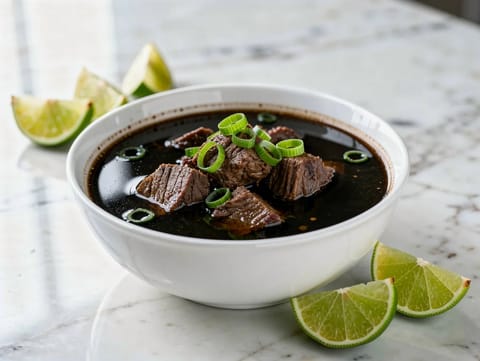
Black beef soup flavoured with keluak
A useful way to shop for Indonesian-style cooking is to think in roles rather than exact items. Aromatics form the backbone: alliums, ginger-family roots and chilli. A second layer brings perfume and lift, often from lemongrass, citrus leaves or coriander. Then come the deepeners: soy-based seasonings, fish sauce-style salinity, dried shrimp or shrimp paste, and toasted spices. Coconut shows up in more than one form, from milk for richness to grated coconut for texture, and it behaves differently depending on whether it is simmered gently or cooked down until the oil separates. Finally, a sharp finishing note matters: lime, tamarind or a quick pickle can stop a rich sauce tasting flat.
Egg noodles stir-fried with prawns, cabbage, sweet soy sauce and lime
Fish steamed in banana leaves with lemongrass, lime leaves, basil and chillies
Fluffy coconut rice with lemongrass and pandan, topped with crunchy garnishes
Beef rendang simmered with lemongrass, ginger and chilli until the sauce coats the meat
Jakarta-style nasi uduk is fragrant coconut rice finished with crisp fried shallots
Tender pork braised in sweet soy with spices and finished with lime
Indonesian chicken in coconut milk with shallots, coriander and turmeric
A thick coconut milk and pandan smoothie bowl topped with mango.
A spoonable mango smoothie bowl with coconut milk and pandan.
Indonesian recipes often start with a spice paste (bumbu) that is cooked until fragrant. That brief frying step is not just about softening onion and garlic; it drives off rawness, blooms spices and sets the savoury base for the whole dish. Dry toasting spices before grinding can add warmth and a slightly smoky edge, while grilling over high heat brings char that stands up to sweet-savoury marinades. Frying is common, from crisp toppings to fritters, and it rewards attention to oil temperature so the exterior browns before the inside turns greasy. Slow simmering is another recurring pattern, especially with coconut, where gentle heat helps flavours meld and the sauce thicken without splitting too abruptly.
Indonesia is an archipelago, and its cooking reflects that geography: coastal dishes often lean towards seafood and bright, sharp condiments, while inland cooking may favour slower-cooked meats, richer sauces and more pronounced spice. You will also see strong Chinese, Indian, Middle Eastern and European influences expressed through ingredients, techniques and festive dishes, without collapsing into a single ‘fusion’ style. Even familiar names can point to different things depending on where you are, and family versions vary widely. When a recipe is described as Indonesian-inspired, it often borrows the flavour logic of spice paste, sweet-savoury balance and grilled or fried textures, while adapting ingredients to what is easy to find locally.
If you know what you want to cook, browsing by Dish helps you choose between skewers, curries, rice dishes, salads and snacks that use Indonesian flavours in different ways. If you are building confidence with the techniques, Cooking method is a practical companion, especially for grilling, frying and slow simmering, where small changes in heat and timing make a noticeable difference.

Beef Wellington wrapped with mushroom duxelles, prosciutto and pastry

Toasted bread rubbed with garlic and ripe tomato
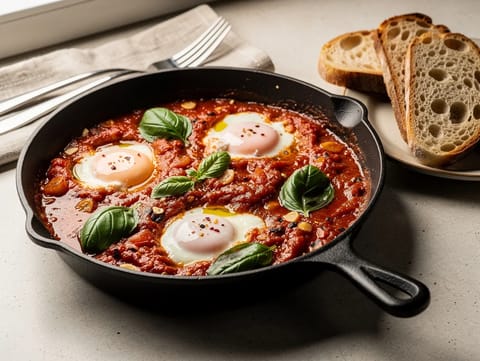
Eggs poached in garlicky tomato sauce with chilli and basil
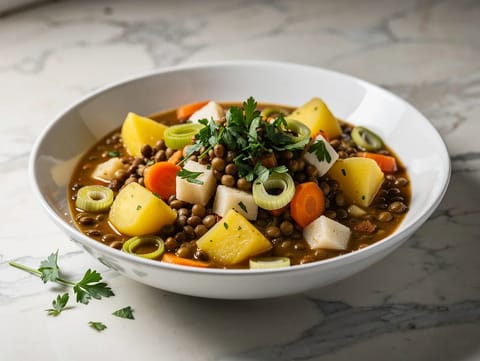
German-style lentil and potato stew with carrots, leeks and herbs
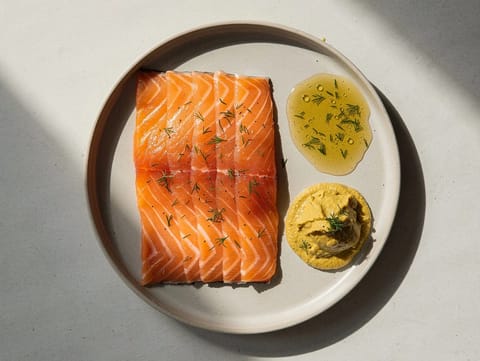
Cured salmon with dill, sliced thin and served with mustard sauce

Portuguese boiled dinner with meats, sausages and vegetables
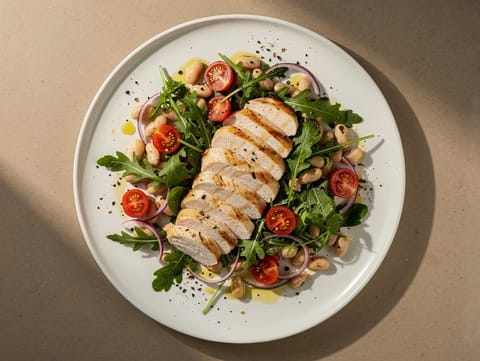
Chicken and cannellini bean salad with rocket and lemon
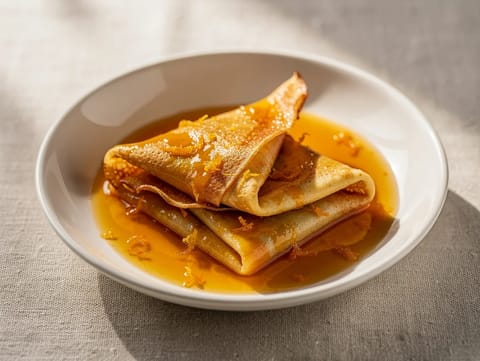
Flambéed crêpes in a buttery orange and lemon sauce
Not necessarily. Chilli is common, but heat level varies by dish and region, and many recipes let you adjust the chilli without changing the overall balance of savoury, sweet and sour.
A spice paste is a blended or pounded mix of aromatics and spices used as a flavour base. Cooking it briefly in oil removes raw harshness and helps the flavours deepen and spread through the dish.
Some dishes rely on specific aromatics or fermented seasonings, but many Indonesian-inspired recipes work with substitutions that keep the same roles: an aromatic base, a savoury deepener, and a sharp finish.
Coconut milk can separate if it is boiled hard or reduced aggressively. Gentle simmering and stirring usually keep it more even, while some recipes intentionally cook it down until the oil separates for a richer, more intense result.
Depth often comes from layered seasoning and fermentation: soy-based sauces, shrimp paste or dried seafood, plus the caramelisation you get from frying the paste or grilling.
Rice is a common staple, but Indonesian meals also include noodles, soups, vegetable dishes and snacks. The best pairing depends on how saucy, rich or spicy the main dish is.
Start with the method you feel like doing: a quick stir-fry or fried snack, a grill-friendly skewer, or a slow coconut simmer. Once you have the flavour base right, Indonesian-style cooking becomes easier to improvise, because the same building blocks can be used across many different dishes.
