
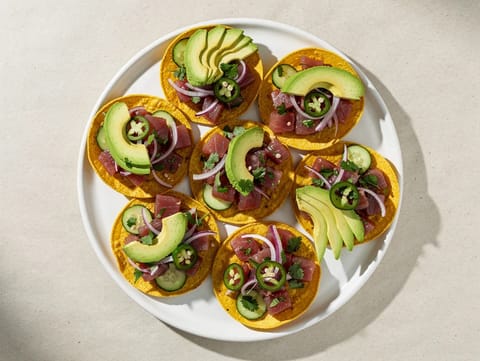
Tostadas de Ceviche de Atún (Tuna Ceviche Tostadas)
Crisp tostadas topped with tuna ceviche and avocado
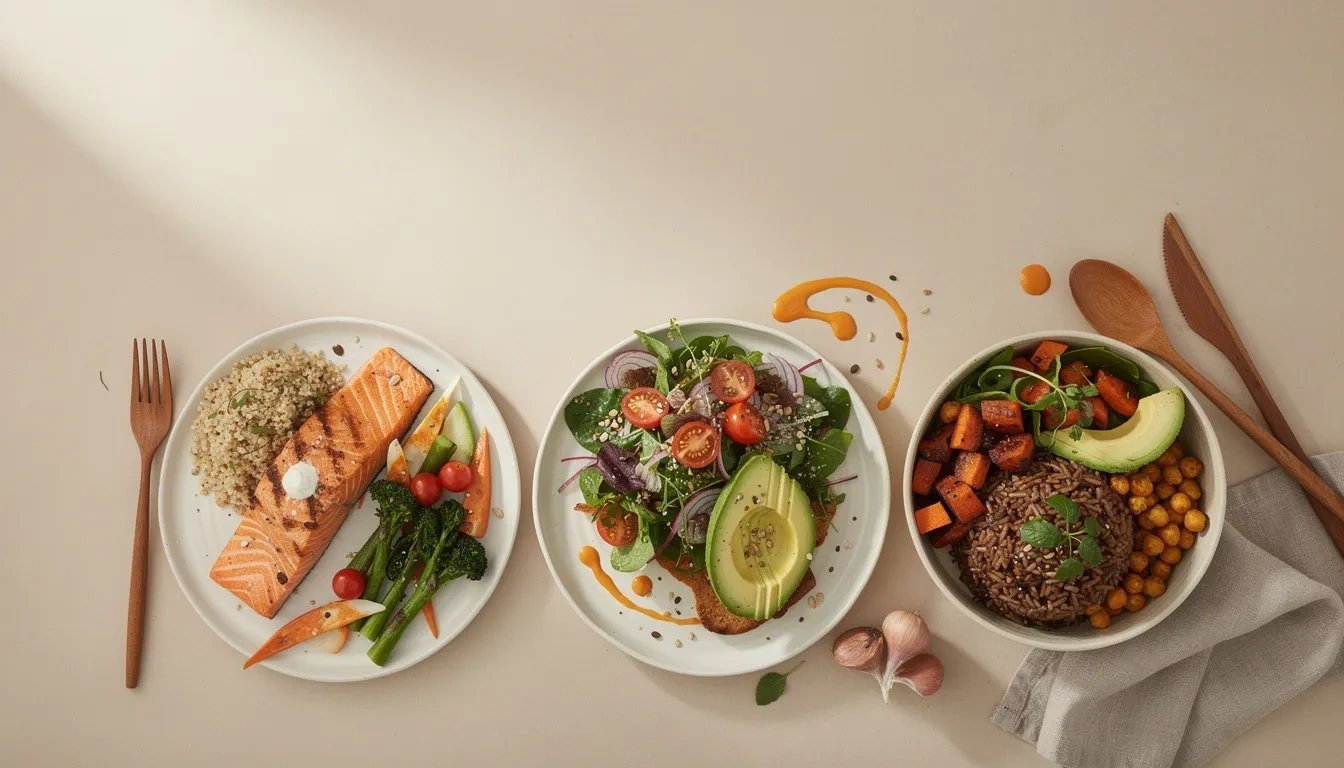
Pescatarian cooking keeps fish and seafood on the menu while leaving out meat. In practice, that means you can build meals around the same structures you already know, such as pasta, rice bowls, soups and salads, then choose seafood as the main protein and flavour driver. This page helps you pick recipes that fit the definition, spot the ingredients that can quietly introduce meat, and make sensible swaps when a dish is almost pescatarian but not quite.
A pescatarian diet typically includes fish and seafood, alongside vegetables, pulses, grains, eggs and dairy, while excluding meat such as beef, pork and poultry. The grey areas are usually not the fish itself but the supporting ingredients. Stocks, broths and sauces can be meat-based even when the finished dish looks seafood-forward, and cured meats are sometimes used as a seasoning in pasta sauces, stews and salads.
It also helps to distinguish between fish and shellfish in your own kitchen. Many people who eat fish also eat shellfish, but some avoid it for preference or allergy reasons. Treat that as a separate decision from the pescatarian label itself.
Crisp tostadas topped with tuna ceviche and avocado
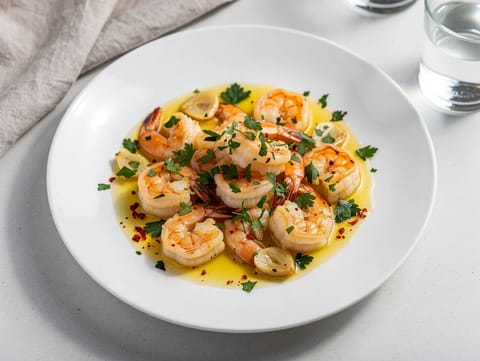
Spanish lemon garlic prawns with chilli and parsley
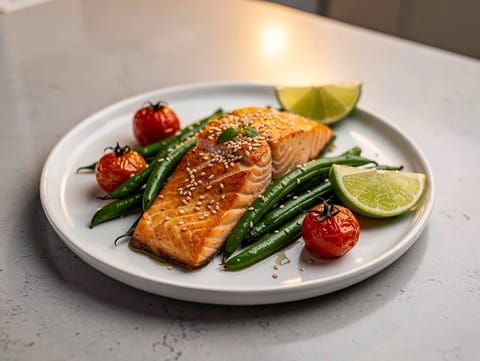
Air-fried salmon with green beans, tomatoes and soy glaze.
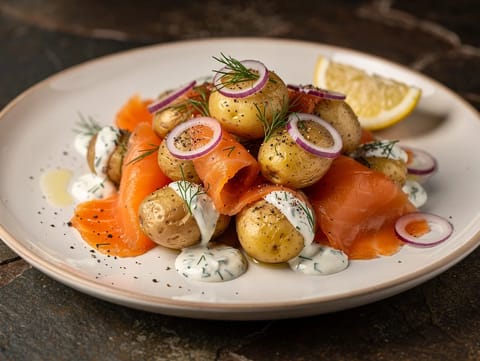
Smoked salmon with new potatoes, sour cream and dill
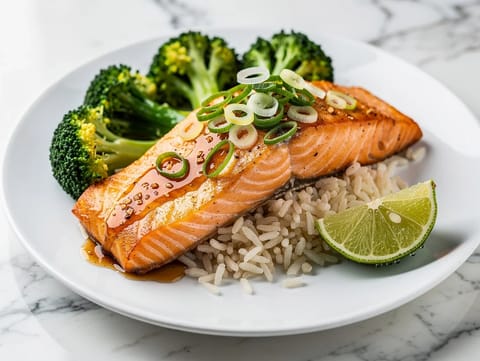
Pan-seared salmon with honey garlic glaze, rice and broccoli
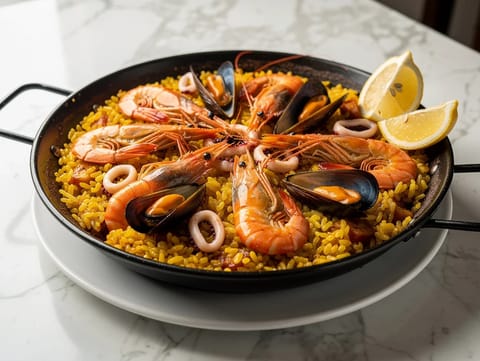
Seafood paella with prawns, mussels and squid
If a recipe uses meat mainly for salt and savoury depth, you can often replace that role rather than trying to mimic the meat. Olives, capers, anchovies, miso, soy sauce, hard cheese, seaweed and well-browned onions can all contribute savouriness, depending on the dish. For soups and risottos, swapping chicken stock for vegetable or fish stock changes the flavour direction without changing the method.
When the meat is the main element, choose seafood that suits the cooking style. Firm fish and prawns hold up well in quick sautés and curries; delicate fillets are better added gently to avoid breaking up; and tinned fish can be folded into pasta, salads and spreads where you want intensity without extra cooking.
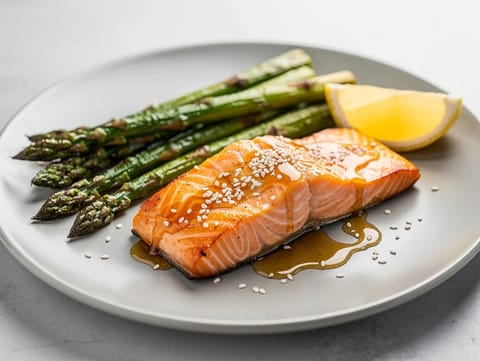
Honey garlic salmon roasted with asparagus
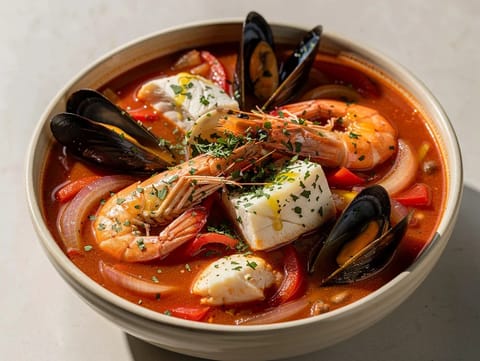
Seafood casserole with prawns, mussels and white fish
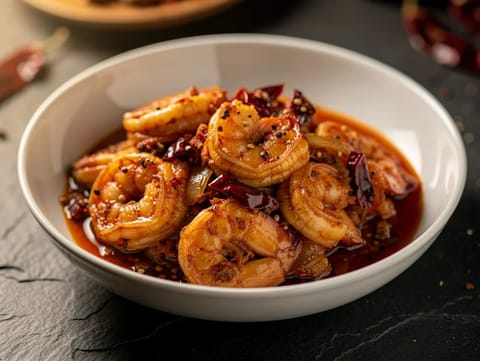
Goan-style prawns cooked in a tangy chilli masala
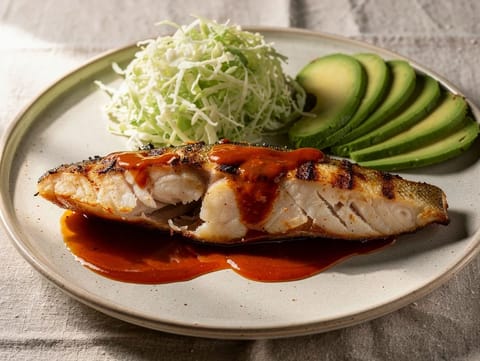
Grilled white fish with chilli, citrus, garlic and oregano
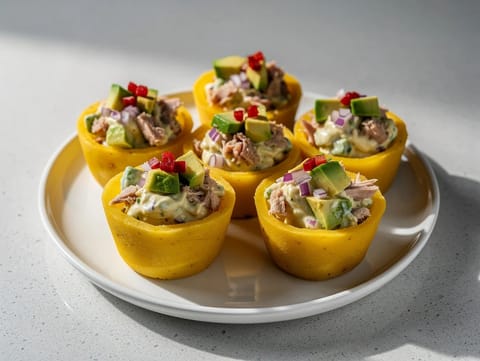
Causa cups with lime potato, tuna mayonnaise and avocado
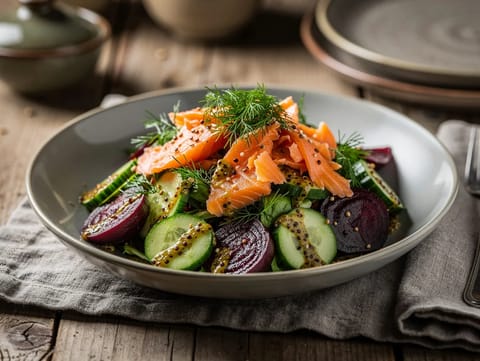
Hot-smoked salmon salad with roasted beetroot and dill
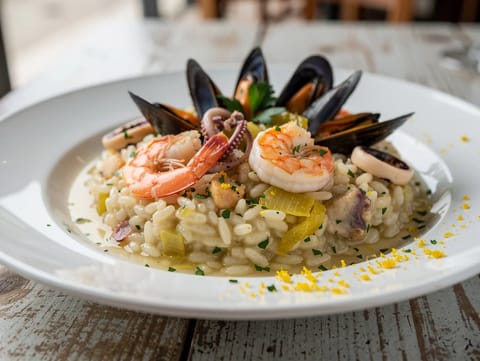
Creamy seafood risotto with prawns, mussels and squid
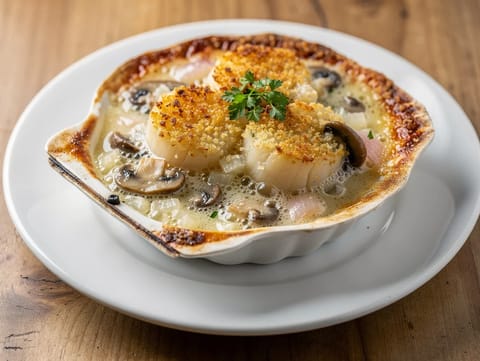
Scallop gratin in creamy white wine sauce with breadcrumbs
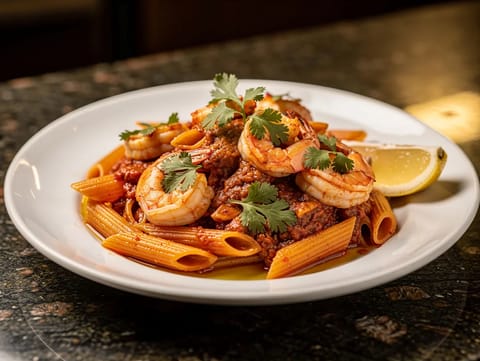
Prawn penne in masala-spiced arrabbiata tomato sauce
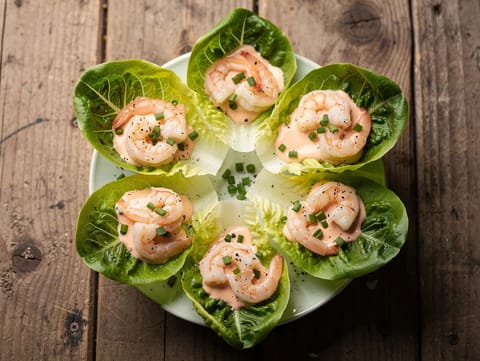
Prawn cocktail in crisp lettuce cups with chives
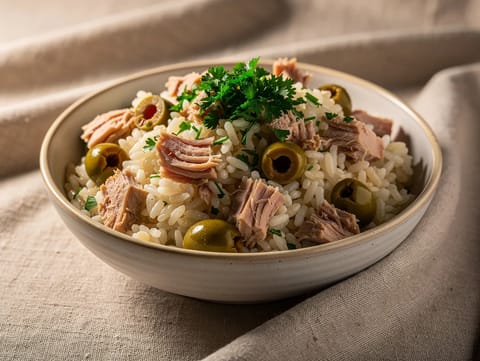
Chilled rice salad with tuna, olives, lemon and parsley
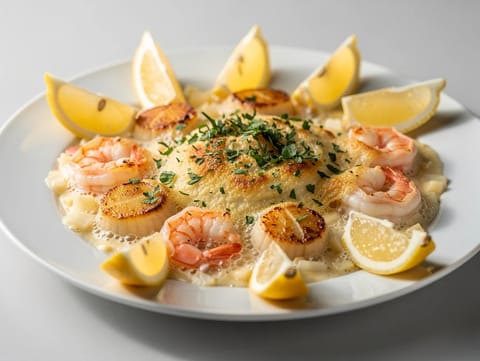
Seafood gratin with prawns, scallops, white wine cream and Gruyère
Fish and shellfish are major allergens, and sensitivity varies widely. A pescatarian label does not make a recipe safe for someone with a fish or shellfish allergy. Check ingredient lists for fish sauce, shrimp paste and seafood stocks, and be cautious with packaged items such as sauces and spice pastes. If you are cooking for an allergy, consider cross-contact from shared frying oil, grills and utensils, especially when cooking for mixed diets in the same kitchen.
Ingredient pages are helpful when you want to choose between types of fish, shellfish and tinned seafood, or when you need a swap for fish sauce or stock. Allergen guidance is also worth consulting, because seafood cooking often involves hidden ingredients and cross-contact considerations.
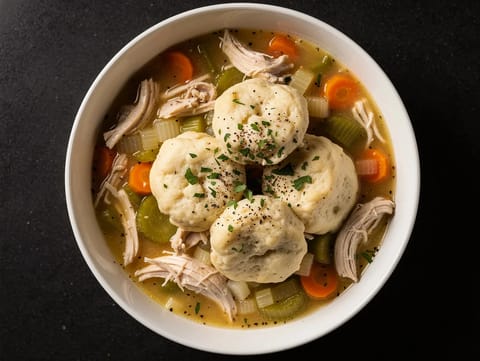
Chicken stew topped with fluffy buttermilk dumplings
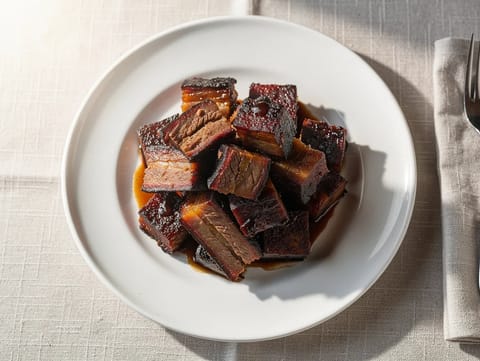
Sticky Kansas City BBQ burnt ends made from brisket point
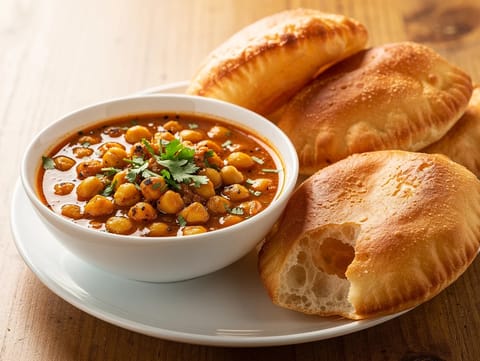
Spiced chickpea curry served with puffed fried bhature
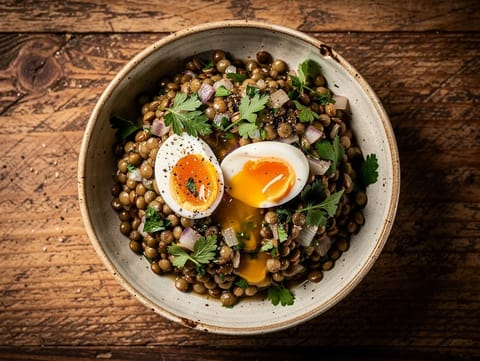
Puy lentils in Dijon vinaigrette topped with a soft-boiled egg
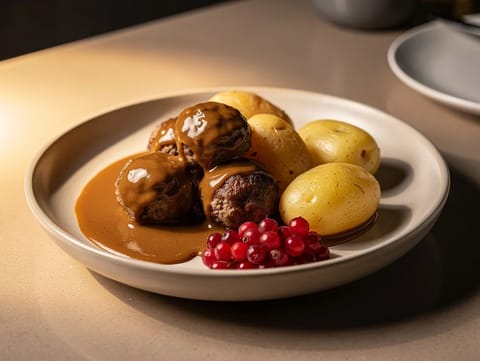
Beef meatballs in brown gravy with boiled potatoes

Warm spiced beer with orange, clove and cinnamon
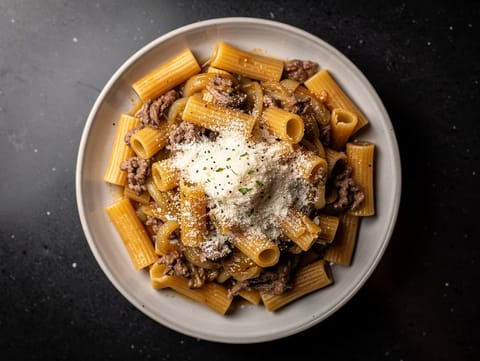
Rigatoni with slow-cooked onions, beef and Parmesan
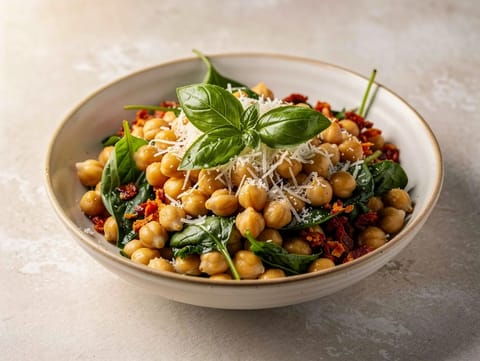
Chickpea bowl with sun-dried tomatoes, spinach and Parmesan
Broadly, yes: it is a plant-forward way of eating that includes fish and seafood while excluding meat. Whether eggs and dairy are included depends on the individual, so check the recipe if that matters to you.
Often they can, but not always. Fish and shellfish are different ingredients with different allergy considerations, so treat shellfish as a separate choice.
Meat-based stocks and broths, bacon or pancetta used as seasoning, and some sauces made with meat extracts are common examples. Packaged components are worth checking closely.
Usually, but it changes the flavour profile. Vegetable stock is a more neutral swap; fish stock makes the dish more overtly seafood-led.
If you are avoiding fish sauce for allergy or preference reasons, you can often use soy sauce, tamari, miso or a seaweed-based seasoning for savouriness, depending on the dish.
Yes, tinned fish is still fish. It is often used for strong flavour and convenience, but check added ingredients such as oils, sauces and seasonings.
Pescatarian cooking is usually straightforward once you choose your fish or seafood and match it to the method. The main work is checking broths, sauces and seasonings for hidden meat, and keeping allergy needs clearly separate from the diet label.
