
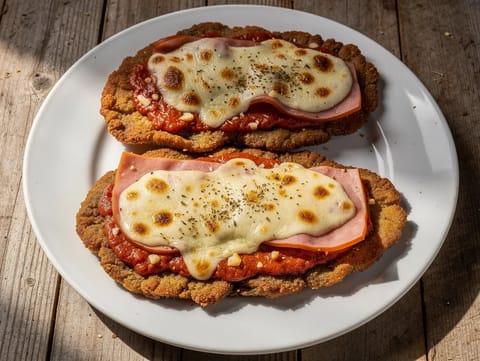
Milanesa Napolitana (Argentinian Beef Schnitzel with Ham and Mozzarella)
Crisp beef schnitzel topped with ham and melted mozzarella
Medium-difficulty recipes are where everyday cooking starts to feel more like craft. The steps are still approachable, but you may be coordinating a couple of elements, building flavour in stages, or using a technique that rewards attention, such as pan sauces, yeast doughs, or careful roasting. These recipes often suit cooks who are comfortable with the basics and want a little more control over texture and finish, without committing to a full-on project.
Medium recipes commonly add one extra layer of decision-making. You might brown ingredients before simmering, make a simple dressing or sauce while something cooks, or manage timing so a side is ready when the main is. The method may ask you to notice changes, such as onions turning sweet and golden rather than just soft, or a sauce reducing to a light coating consistency. You are not usually working at the edge of failure, but you will get better results if you stay engaged and adjust heat, seasoning and timing as you go.
Crisp beef schnitzel topped with ham and melted mozzarella
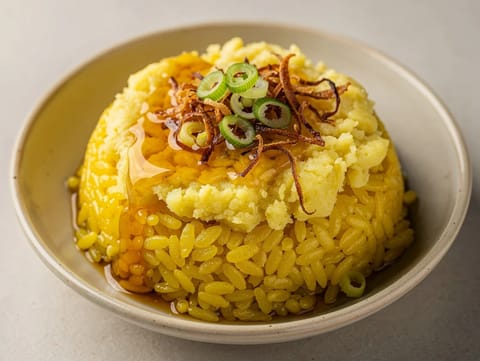
Turmeric sticky rice with mung beans and fried shallots
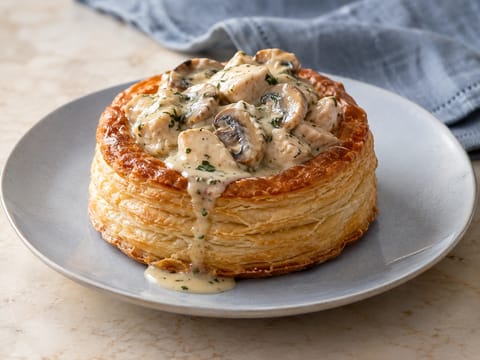
Puff pastry cases filled with creamy chicken and mushrooms
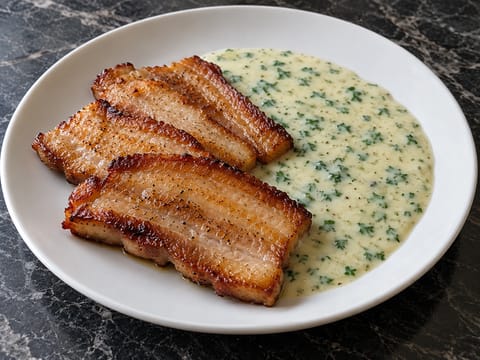
Crispy pork belly with warm parsley sauce
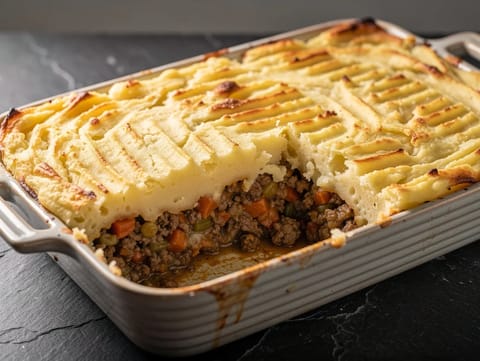
Shepherd’s pie with minced lamb and creamy mash
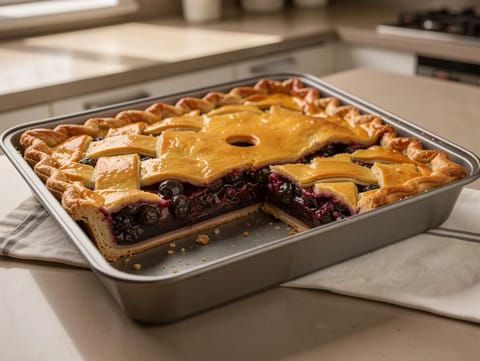
Air fryer blueberry pie with lemon and cornflour-thickened filling.
Compared with easy recipes, medium ones tend to have more stages, more active cooking, or a narrower “done” window. Compared with advanced recipes, they are usually less dependent on specialist technique or perfect timing, and more forgiving if you pause to answer the door. Medium also covers a wide range of effort: some recipes are medium because of knife work and prep, others because of a sauce, a dough, or a sequence of cooking steps. Treat the label as a guide to attention and coordination, not a promise about speed or complexity of flavour.
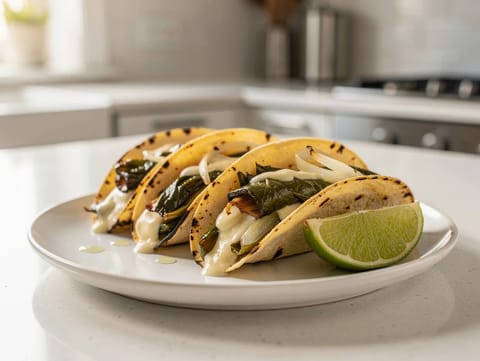
Corn tortillas filled with poblano rajas, crema and melted cheese
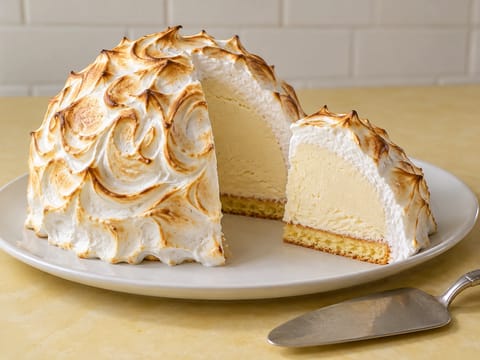
Sponge and ice cream covered in baked, browned meringue
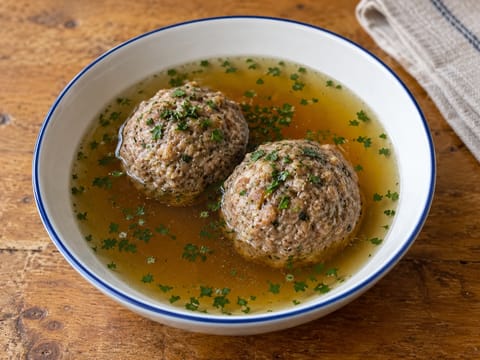
Bavarian liver dumpling soup simmered in beef stock
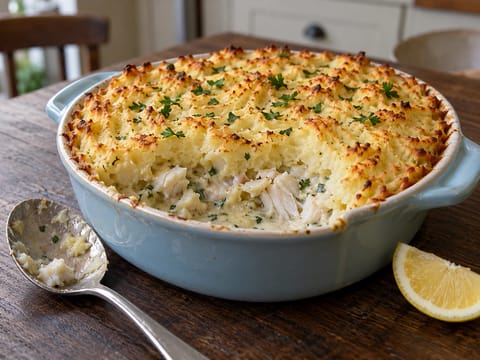
Smoked haddock pie with parsley sauce and mashed potato
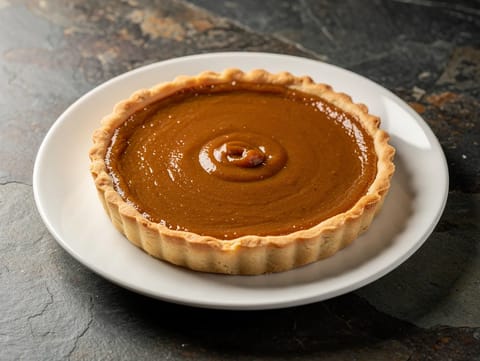
Sweet pastry tart with tangy tamarind and lime filling
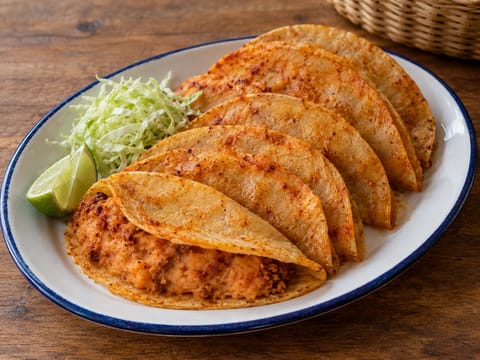
Soft basket tacos filled with potato and chorizo
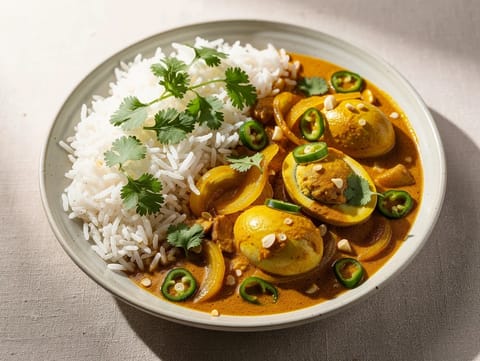
Eggs simmered in spiced tomato gravy with basmati rice
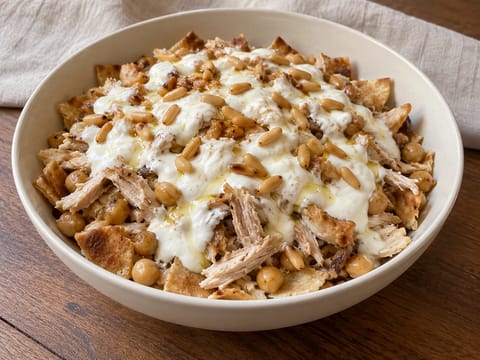
Layered chicken and chickpeas over toasted flatbread with garlic yoghurt
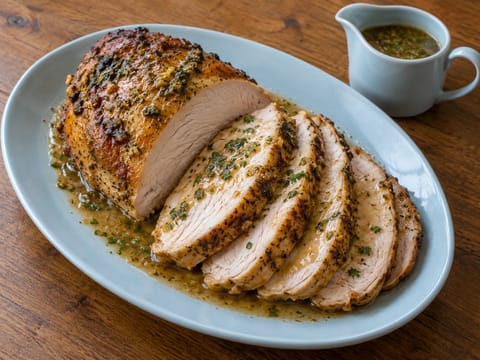
Roast turkey breast with a quick herb pan sauce
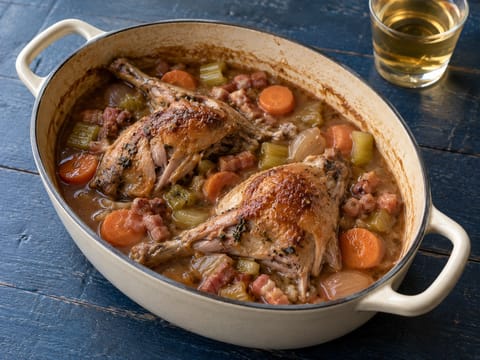
Pheasant casserole simmered with cider, bacon and vegetables

Sugar-coated Italian doughnuts filled with vanilla pastry cream
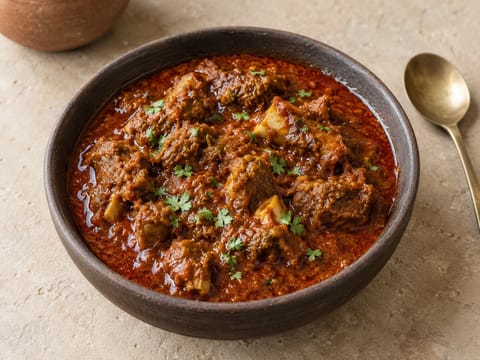
Fiery mutton curry simmered with dried red chillies
If you want medium difficulty with calmer timing, choose oven-led cooking, such as roasting or baking, where you can use the cooking time to prep a salad, sauce or side. If you enjoy hands-on cooking, pick stovetop recipes that build flavour in the pan, such as stir-fries, risottos, or dishes finished with a quick pan sauce. For a skills-focused medium challenge, look for recipes that teach one technique without stacking several at once, such as making a basic yeast dough, shaping dumplings, or cooking grains to a specific texture. If you want less washing-up, choose recipes where the sauce is made in the same pan after searing or sautéing.
Medium recipes often go wrong at the transitions between stages. If you add liquid before ingredients have browned, you lose the deeper flavours that come from caramelisation. If you rush reductions, you can end up with a thin sauce that tastes watery, or a thick one that catches. Keep an eye on pan size too: overcrowding leads to steaming, which slows cooking and dulls colour. Finally, give yourself a place to pause. When a recipe asks you to make a sauce, dressing or topping, it helps to prep those ingredients first so you are not chopping while something is ready to be stirred or turned.
Cooking time is a useful companion to medium difficulty, because some recipes are medium due to active steps, while others are mostly hands-off once they are in the oven. Cooking method can also clarify what kind of attention is needed, whether you are simmering, baking, frying, or assembling a dish in stages.
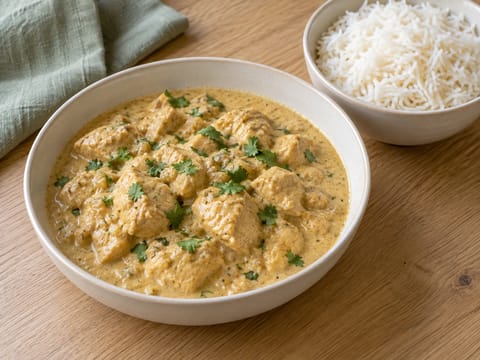
Mild chicken korma with cashew sauce and double cream

Crisp potato and cabbage patties topped with a poached egg
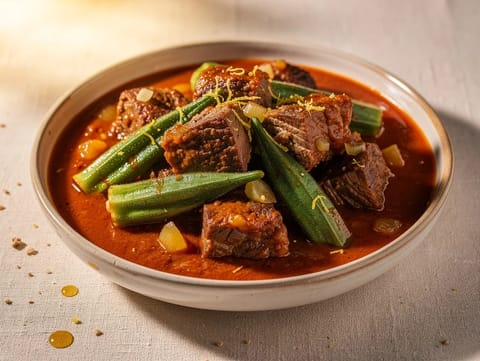
Slow-cooked lamb and okra stew in tomato sauce
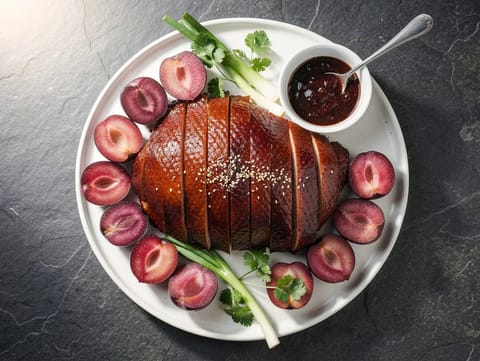
Cantonese roast duck with crisp skin and plum sauce

Vermicelli simmered in sweetened milk with dates, raisins and nuts
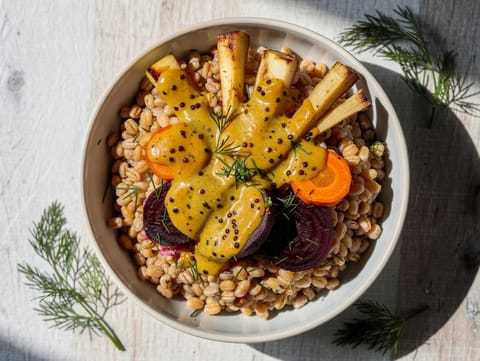
Barley bowl with roasted root vegetables and mustard dressing
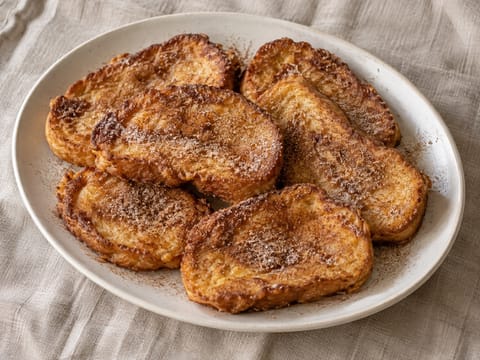
Portuguese Christmas French toast with cinnamon sugar
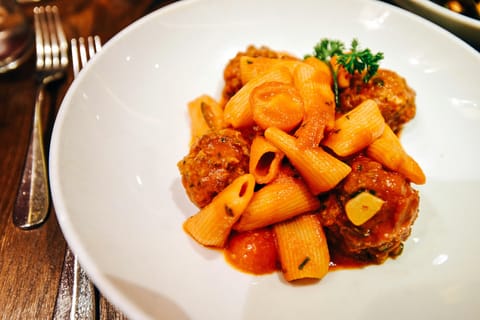
Rigatoni with Neapolitan meatballs simmered in tomato sauce
It can be, especially if you are comfortable with basic chopping, frying and seasoning. Choose recipes with clear cues and fewer parallel tasks, and allow a little extra time the first time you make them.
Often because of timing. Medium recipes may ask you to prep while something cooks, or to finish a sauce quickly at the end. Reading the method first helps you spot those moments.
Not necessarily. Some medium recipes are quick but require attention, while others take longer because they include baking, simmering or resting. Difficulty and time do not always move together.
Techniques like browning then deglazing, reducing a sauce, cooking rice or pasta to a specific texture, or making a simple dough often sit comfortably in the medium range.
Do more prep up front, keep your heat moderate until you know how your hob behaves, and avoid multitasking at the most sensitive moments, such as when finishing a sauce or turning delicate items in the pan.
Look for multiple components that must be ready together, or steps that depend on precise temperature control and quick judgement, such as emulsions, sugar work, or very exact baking stages.
Medium recipes reward a little planning and attention, but they are still flexible enough for everyday cooking. Choose the kind of effort you enjoy, then use time and method as your guide to how hands-on the cooking will feel.
