
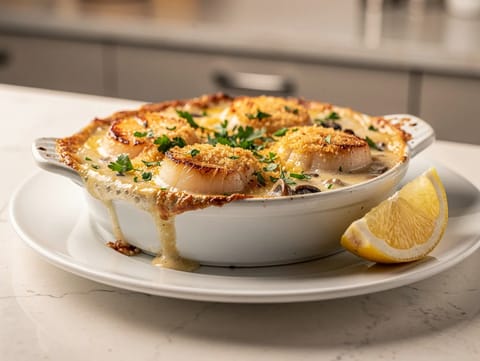
Coquilles Saint-Jacques Gratinées (Scallops au Gratin)
Scallops in creamy white wine sauce with a golden crumb topping

A casserole is less a single recipe than a way of cooking: ingredients layered or mixed in a deep dish, then baked until the centre is hot and the top is browned. That method changes everything, from how quickly dinner comes together to whether you get a spoonable, saucy bake or neat slices. If you are choosing a casserole for a busy day, it helps to think in terms of what needs pre-cooking, what can go in raw, and what you want the surface to do in the oven.
Casserole is a broad label for oven-baked dishes cooked in a single vessel, often with a sauce or binding element that sets as it bakes. Some casseroles are fully mixed, others are layered; some are designed to be served with a spoon, others to be cut into portions. The name does not automatically mean slow-cooked, heavy, or even particularly complicated. A casserole can be built from cooked leftovers, or assembled from mostly raw ingredients, depending on how quickly those ingredients cook and how much liquid they release. It also does not guarantee a one-step process: many versions start with browning meat, softening onions, or making a quick sauce before everything goes into the oven.
Scallops in creamy white wine sauce with a golden crumb topping
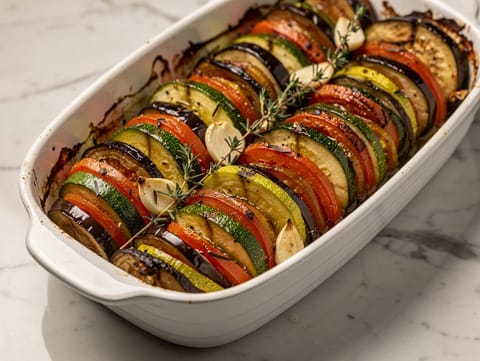
Baked aubergine, courgette and tomato with garlic and thyme
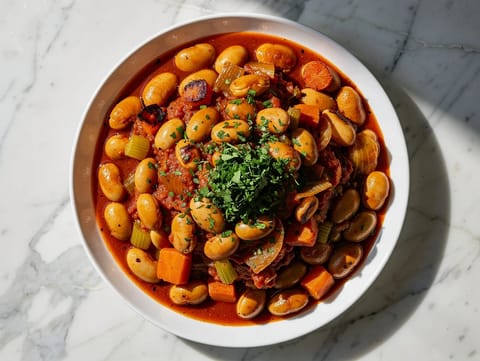
Greek baked giant beans in tomato and olive oil sauce
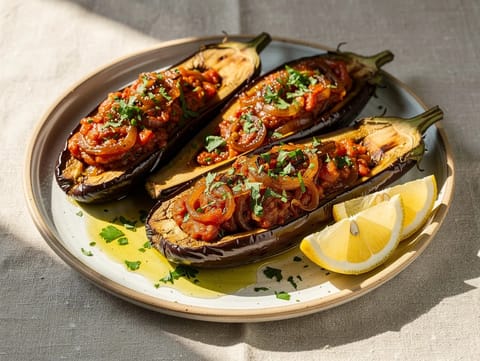
Baked stuffed aubergines with tomato, onion, garlic and parsley
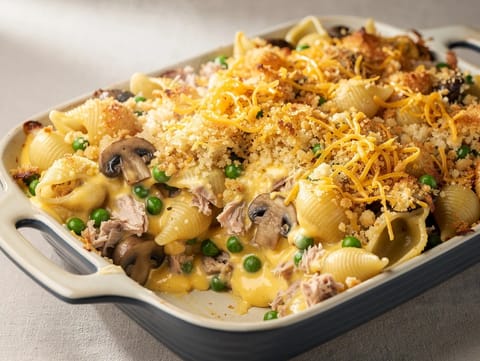
Baked tuna pasta casserole with mushrooms and crisp breadcrumbs
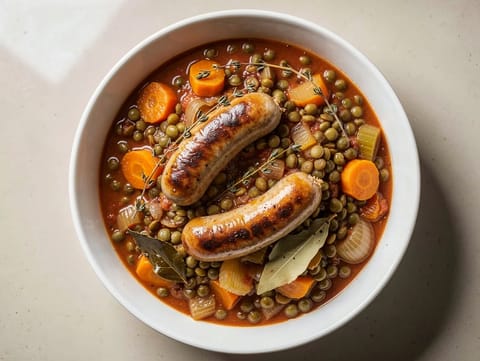
One-pot sausage casserole with green lentils and vegetables
Creamy, bound casseroles rely on a thick sauce, eggs, cheese, or a starchy base to hold everything together; they tend to reheat neatly and slice more cleanly once they have rested. Brothier, stew-like bakes are looser and often depend on the oven to reduce and concentrate flavour, which can be useful when you want tender vegetables and a spoonable finish. Layered vegetable bakes, such as gratin-style dishes, are about even slicing and steady heat so the centre softens before the top over-browns. Topped casseroles add a second texture: breadcrumbs, crushed crackers, pastry, mashed potato, or cheese can turn a soft bake into something with contrast. The topping choice affects timing, as some need only a brief blast of heat at the end.
Macaroni and cheddar cheese sauce baked until bubbling with breadcrumbs on top
Green lentils in tomato gravy topped with olive oil mash, baked until golden
Macaroni baked in creamy Cheddar and mustard sauce with a crisp panko breadcrumb top
Tender aubergine involtini filled with ricotta and basil in bubbling tomato sugo
Roasted aubergine filled with tomato and caper breadcrumbs, baked until bubbling
Kibbeh bil sanieh with crisp edges, served warm with lemon and parsley
Potato, courgette and leek gratin baked in garlic cream with Gruyère
Thin crêpes with ham and béchamel, baked until lightly golden
Baked stuffed peppers filled with sautéed ribeye, onions and melted provolone
American turkey tetrazzini baked with mushrooms, creamy sauce and a Parmesan topping
Caribbean macaroni pie baked with cheddar, mustard and eggs until firm
Tender stuffed aubergines baked with spiced minced lamb in a cumin and cinnamon tomato sauce
If you want a true assemble-and-bake approach, look for casseroles built around quick-cooking ingredients: thinly sliced vegetables, cooked grains, canned beans, or pre-cooked proteins. When a recipe starts with raw meat or dense vegetables, expect a longer bake or a pre-cook step to avoid a watery base and underdone pieces. For a crisp top, choose methods that keep the surface relatively dry, or that add the topping late so it browns rather than steams. For a creamy interior, recipes that begin with a roux-based sauce or a reduced dairy mixture are more predictable than those that rely on the oven alone to thicken. If you are planning ahead, casseroles that are fully cooked and then reheated often hold their shape better than those baked straight from the fridge, which can slow heat penetration and affect setting.
Casseroles are closely tied to cooking method, because baking, pre-browning, and finishing under a grill all change the final texture. It can also help to browse by course, especially if you are deciding between a main-dish bake and a smaller side-style gratin.
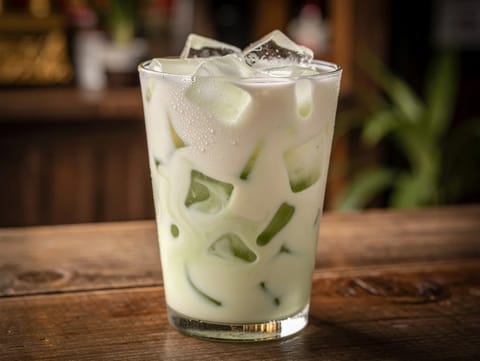
Creamy pandan iced milk sweetened with condensed milk
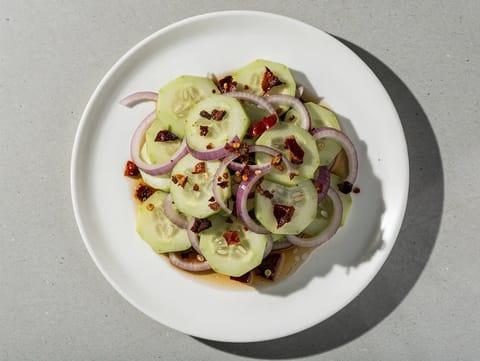
Thai cucumber relish with red onion and chilli in sweet-sour dressing
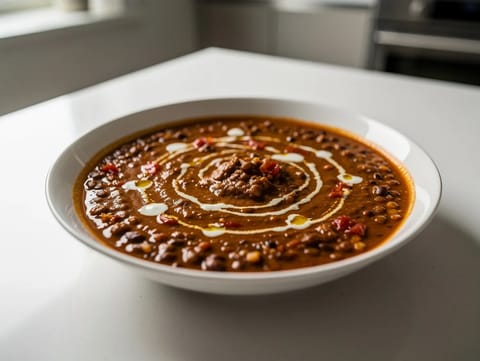
Creamy black lentil curry finished with butter and double cream
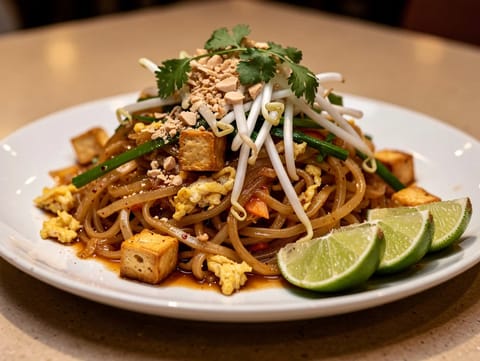
Vegetable Pad Thai with tofu, egg and roasted peanuts

Pineapple agua fresca strained smooth and served over ice
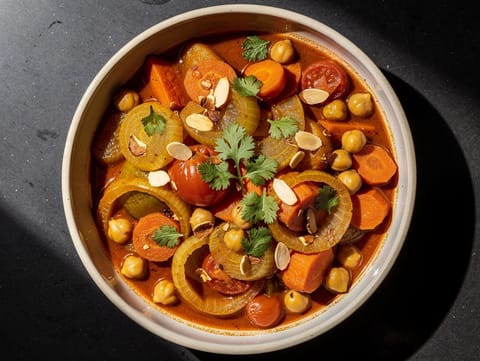
Vegetable tagine-style stew with chickpeas, tomatoes, carrots and apricots
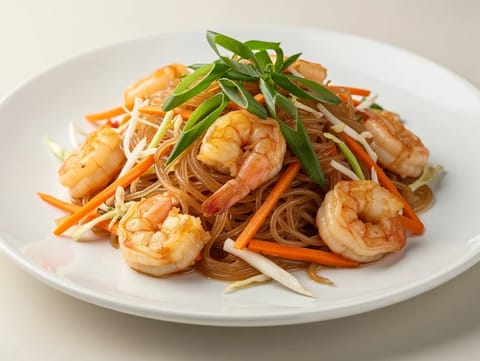
Thai glass noodle stir-fry with prawns, egg and vegetables
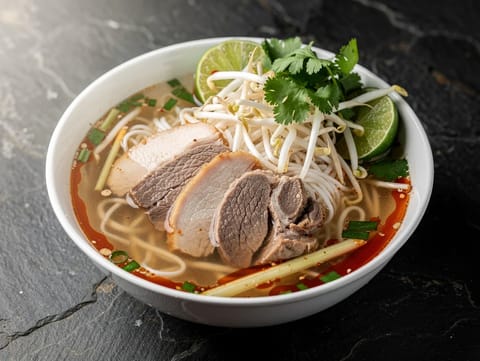
Spicy Vietnamese noodle soup with beef, pork and lemongrass
A gratin is usually a layered bake with a browned top, often focused on vegetables and a crisp surface. A casserole is broader: it can be layered or mixed, creamy or brothy, and may or may not have a topping.
Not always, but most include some liquid or binding so the centre cooks evenly and doesn’t dry out. That might be stock, tomatoes, dairy, eggs, or moisture released from vegetables.
Common causes are vegetables releasing water, not reducing the sauce enough before baking, or covering the dish so steam can’t escape. Some recipes manage this by pre-cooking ingredients or baking uncovered for part of the time.
A topping that browns quickly is useful, and many casseroles add it near the end. Using the grill briefly can crisp the surface, but keep an eye on it as it can colour fast.
Often yes, but the results depend on the recipe. Starchy components can absorb liquid and soften, and a chilled dish takes longer to heat through, which can affect how a sauce sets.
Resting lets bubbling liquids settle and thicken slightly, making it easier to portion. It also reduces the risk of the centre collapsing into a loose pool when you serve.
Start by choosing the texture you want: spoonable and saucy, or sliceable and set. Then check the method for any pre-cooking steps, and whether the topping is baked throughout or added at the end. Those details usually tell you how the casserole will behave on the table.
