
Quiche Lorraine (Classic Bacon and Cream Tart)
Buttery pastry tart filled with bacon, sautéed onion and a rich egg custard

Quiche is a baked savoury custard set in a pastry case, and most of the practical decisions come down to that structure. The custard needs gentle heat to set without curdling, while the crust needs enough heat to bake through without turning soggy. Regional and family styles vary, but they tend to sit somewhere on a spectrum from a deep, creamy custard with minimal additions to a more heavily filled tart where vegetables, cheese or meat become the main event. Knowing which style you are aiming for makes it much easier to choose a recipe that bakes and slices the way you expect.
A classic French-style quiche often keeps the filling relatively simple so the custard texture stays front and centre, with additions such as bacon, ham, cheese or sautéed leeks used sparingly. Other styles lean towards a packed filling, closer to a savoury tart, where roasted vegetables, greens or mushrooms take up more space and the custard acts as a binder. You will also see crust choices shift the result: shortcrust gives a tender bite; puff pastry bakes lighter and flakier but can be more delicate to slice; crustless versions behave more like a baked omelette and are usually served with a spoon rather than in neat wedges. Mini quiches and tartlets bake faster and are easier to portion for mixed tables.
Buttery pastry tart filled with bacon, sautéed onion and a rich egg custard
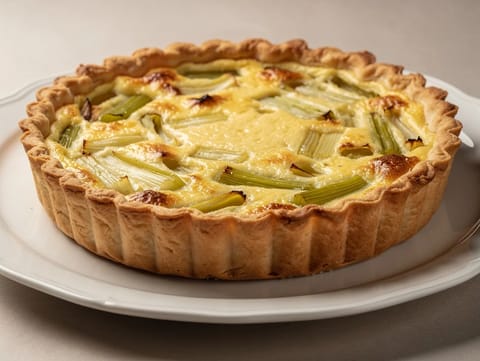
French leek quiche with a creamy egg and crème fraîche filling
Shortcrust pastry quiche filled with caramelised onions, Cheddar, eggs and cream
Quiche Lorraine with crisp bacon lardons, Gruyère and a tender custard filling
Quiche Lorraine baked in shortcrust pastry until golden and just set
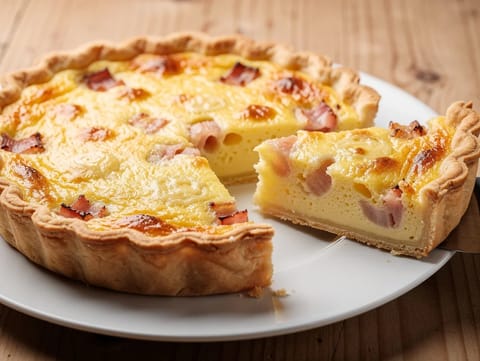
Quiche Lorraine with bacon custard and a green salad
For clean slices, look for recipes that manage moisture. Watery vegetables (courgette, tomatoes, spinach) usually need cooking and draining before they go into the case, otherwise the custard can weep and the base can soften. Cheese and cured meats add flavour and salt, but they also change how the custard sets, so recipes that specify amounts and placement tend to be more predictable. If you want a softer, creamier centre, choose a custard-forward style and avoid overbaking; if you need a firmer set for transport or buffet serving, recipes with a slightly higher proportion of eggs or more filling tend to hold their shape. Blind baking the crust is a common cue that the recipe prioritises a crisp base.
French leek quiche with a creamy egg and crème fraîche filling
Quiche Lorraine with bacon custard and a green salad
Buttery pastry tart filled with bacon, sautéed onion and a rich egg custard
Shortcrust pastry quiche filled with caramelised onions, Cheddar, eggs and cream
Quiche Lorraine baked in shortcrust pastry until golden and just set
Quiche Lorraine with crisp bacon lardons, Gruyère and a tender custard filling
Quiche is rich and mild, so it pairs naturally with sharp, fresh elements. A simple green salad with a mustardy vinaigrette cuts through the custard and keeps the plate from feeling heavy. Acidic vegetables, such as pickled onions or a quick slaw, do a similar job when you want something more robust than leaves. If the quiche is vegetable-led, a side that adds crunch, such as radishes, cucumber or toasted seeds, brings contrast. For a more substantial spread, potatoes in some form often make sense because they echo the comfort of the pastry and custard without competing for attention.
Cuisine is a natural next step for quiche because the same custard-in-a-case idea shows up with different cheeses, cured meats and vegetables depending on place and tradition. Cooking method can also help you compare baked custards, pastry handling and crustless approaches when you want the quiche idea with a different workflow.
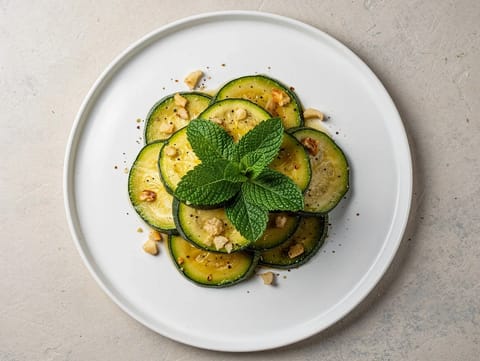
Fried courgettes marinated with vinegar, garlic and mint
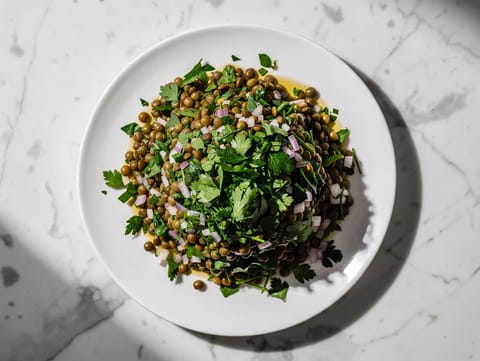
Green lentil salad with Dijon dressing, shallots and parsley
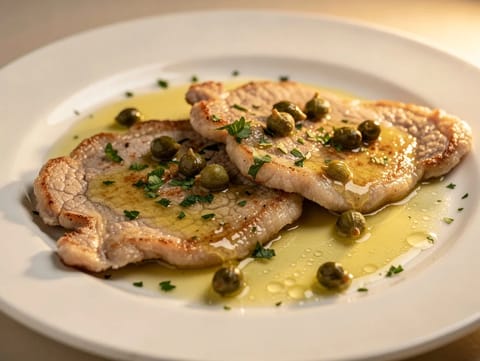
Pan-fried veal in a lemon, white wine and caper sauce
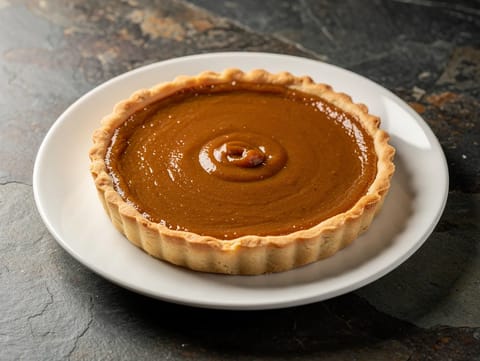
Sweet pastry tart with tangy tamarind and lime filling
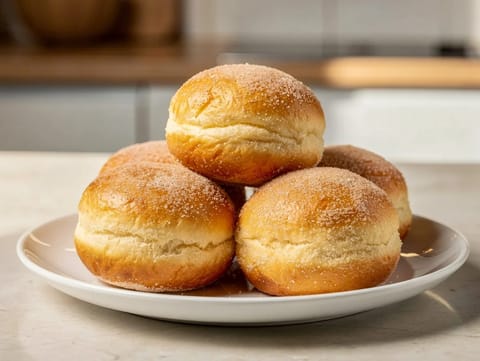
Sugar-coated Italian doughnuts filled with vanilla pastry cream
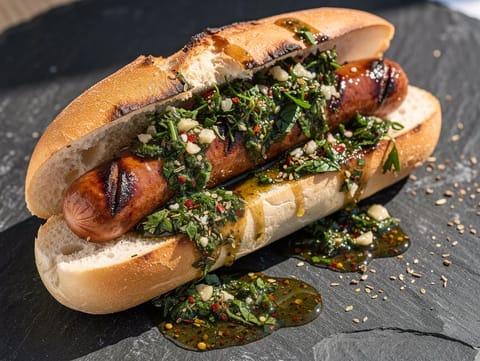
Grilled chorizo sandwich in crusty bread with chimichurri
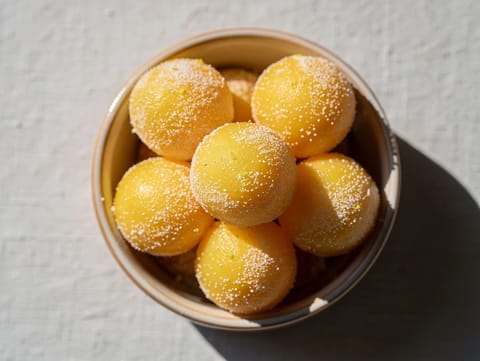
Egg yolk sweets shaped into balls and rolled in sugar
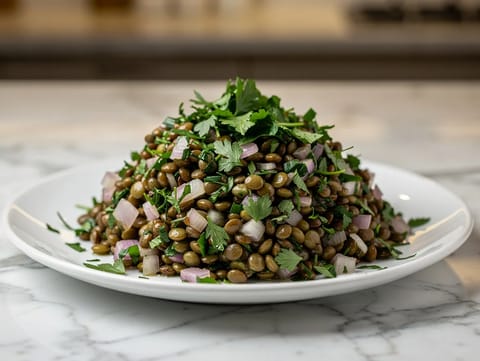
Warm French lentil salad with mustard dressing, shallot and parsley
Quiche is a custard baked in a pastry case (or sometimes without one). Frittata is an egg dish cooked without pastry, usually started on the hob and finished in the oven, with a firmer, eggier texture.
Excess moisture from vegetables, or undercooked custard, can lead to weeping. Pre-cooking and draining fillings, and baking until the custard is just set, helps.
Not always, but blind baking is a common way to reduce a soggy base, especially with wetter fillings or when you want a crisp, well-browned crust.
It should look set at the edges with a slight wobble in the centre. Carryover heat continues to firm it as it cools, which also makes slicing cleaner.
Often, yes. Quiche is commonly served warm or at room temperature, which is one reason it suits picnics and shared tables.
Cracking usually comes from overbaking or too high an oven temperature, which tightens the egg proteins and forces out moisture.
Once you decide whether you want a crisp pastry base and a creamy centre, or a firmer, filling-heavy slice, the rest of the choices fall into place. Pick a style, then match the fillings to it.
