
Lingon Saft (Swedish Lingonberry Cordial)
Bright, tart lingonberry cordial concentrate, strained then cooled before bottling

Syrup is a small recipe with a big job: it carries sweetness and flavour in a form that dissolves easily and spreads evenly. That makes it useful in drinks, for soaking cakes, glazing fruit, or finishing pancakes and ice cream. The main differences between syrups are thickness and flavouring. A thin syrup disappears into a drink; a thicker one sits on the tongue and clings to a spoon. Once you know which you need, the rest is simply choosing the flavour direction.
In cooking, a syrup is a concentrated sweet liquid, most often made by dissolving sugar in water and sometimes simmering to reduce. It can also be built from naturally sweet juices or purées cooked down until they pour. Syrups are different from sauces in intent and texture: they are usually smooth, pourable and designed to sweeten and flavour without adding bulk. They are also distinct from jams and preserves, which rely on fruit solids and set more firmly. Because syrup is a liquid sweetener, it is especially good where granulated sugar would feel gritty or slow to dissolve, such as cold drinks, iced desserts or quick glazes.
Bright, tart lingonberry cordial concentrate, strained then cooled before bottling
Simple syrup is the baseline: sugar dissolved in water, sometimes infused with herbs, spices, citrus peel or tea. Fruit syrups often start with berries, stone fruit or citrus, and can taste brighter if the fruit is added late or steeped off the heat rather than boiled hard. Spice and aromatic syrups lean on ingredients like ginger, cinnamon, cardamom or vanilla, which release flavour readily into hot liquid. Some syrups are cooked to a thicker consistency for drizzling, while others stay light for mixing. You will also see syrups used as a soaking liquid for cakes and pastries, where a thinner syrup penetrates crumb more evenly than a thick one.
Bright, tart lingonberry cordial concentrate, strained then cooled before bottling
For cocktails, iced tea and other cold drinks, a thinner syrup mixes quickly and sweetens evenly without settling at the bottom of the glass. For pancakes, waffles and French toast, a thicker syrup gives a slower pour and a more pronounced sweetness on the surface. For cakes and pastries, look for soaking syrups that are light enough to absorb, often flavoured with citrus, coffee or spirits. For fruit salads and poached fruit, a gently flavoured syrup supports the fruit rather than masking it, and the thickness can be modest because the syrup is part of the serving liquid. If you want a syrup to double as a glaze, choose one that reduces to a glossy finish rather than staying watery.
Syrups taste sweetest when they are one-note, so many recipes build in contrast. Citrus zest or juice keeps fruit syrups tasting fresh; a pinch of salt can make caramel or chocolate notes read more clearly; warming spices add depth without needing extra sweetness. Herbal syrups often work best when the herb is treated gently, steeped rather than boiled, so the flavour stays green rather than medicinal. Think about what the syrup will touch: vanilla and citrus suit dairy and custards; ginger and honeyed notes sit comfortably with apples and pears; berry syrups can lift yoghurt, panna cotta and simple sponge. In drinks, bitterness from tea, coffee or tonic-style mixers can stop a syrup tasting cloying.
Cooking method is useful when you want to compare steeped, simmered and reduced syrups, since heat level changes both thickness and flavour clarity. Course can help you think in terms of where syrup is used, from drinks and desserts to baking finishes and breakfast-style drizzles.
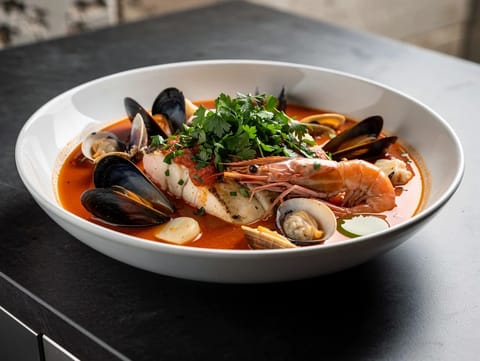
Tomato fish soup with mixed seafood, white wine and parsley
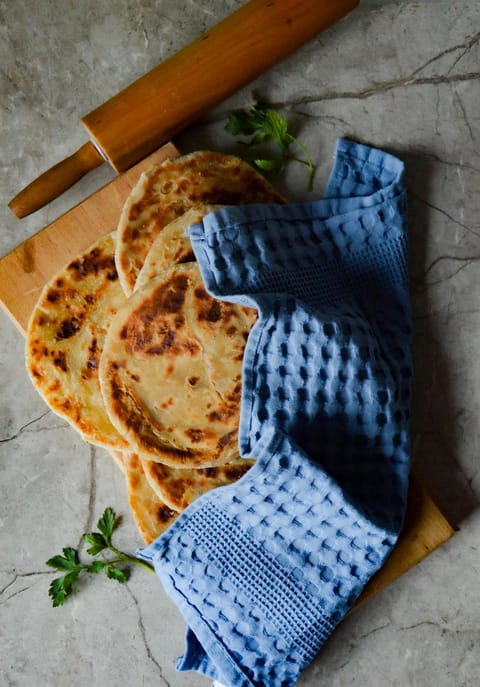
Layered Moroccan flatbread folded with olive oil and griddled
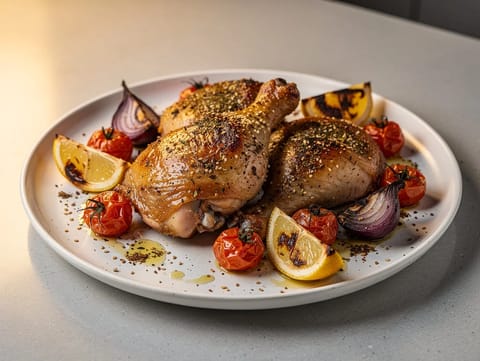
Traybaked zaatar chicken with lemon, onion and cherry tomatoes
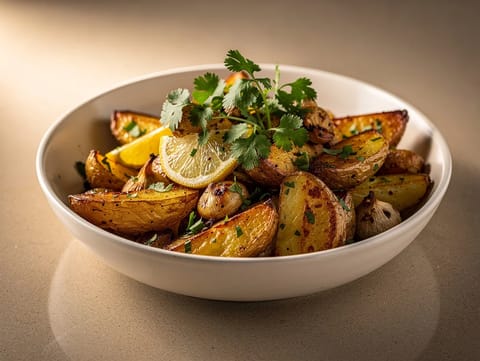
Crisp-edged potatoes seasoned with cumin, paprika and lemon
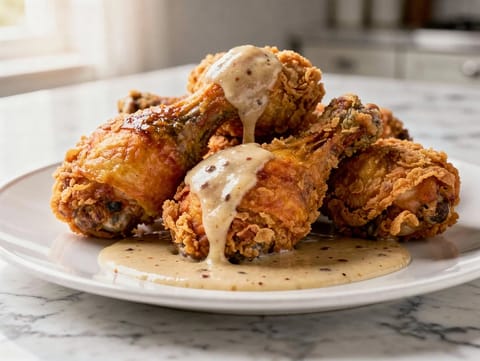
Crisp fried chicken drumsticks with peppery buttermilk gravy
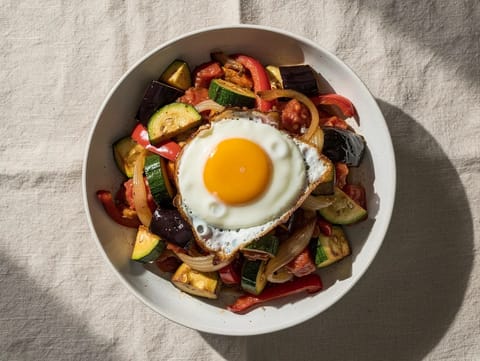
Spanish vegetable stew topped with a fried egg
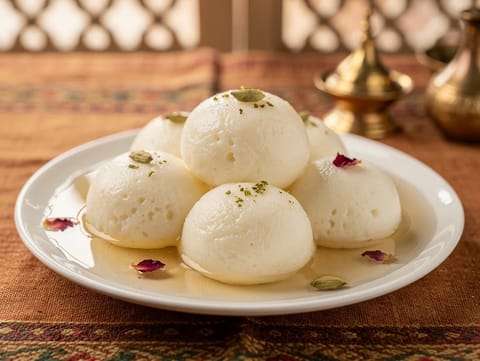
Soft rasgulla chenna balls simmered until spongy in sugar syrup
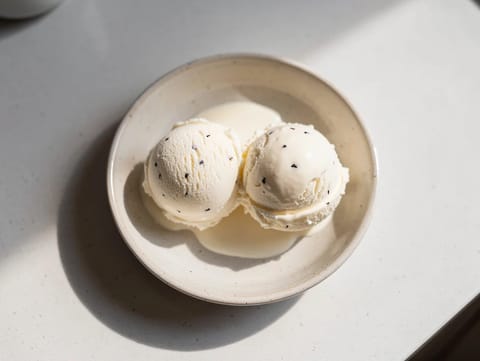
Custard-based vanilla bean ice cream with a smooth, rich texture
Simple syrup is just sugar and water. Flavoured syrups use the same base but add ingredients such as citrus peel, herbs, spices, tea or fruit to infuse or cook in.
Because it dissolves quickly and evenly, especially in cold liquids, so you avoid gritty sugar at the bottom of the glass.
Match it to the use: thinner for mixing and soaking, thicker for drizzling and glazing. Recipes usually signal this through whether the syrup is reduced for longer or kept as a quick dissolve.
Often, yes. Many syrups only need enough heat to dissolve sugar and extract flavour. Hard boiling tends to push flavours towards cooked and can dull delicate herbs.
Crystallisation can happen when undissolved sugar remains on the sides of the pan or when the syrup is disturbed as it cools. Gentle handling and fully dissolving the sugar help.
Syrup is primarily a sweetener, but it can be used in savoury contexts as part of a glaze or dressing where sweetness balances salt, spice or acidity.
Decide whether you need a syrup to mix in, soak through or sit on top. Once the thickness is right, choosing between citrus, spice, herb or fruit becomes straightforward.
