
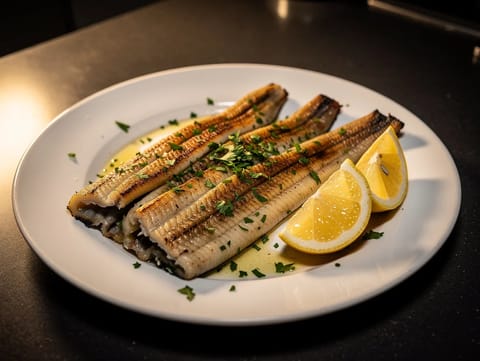
Anguilla alla Griglia (Italian Grilled Eel with Lemon and Garlic)
Italian grilled eel with lemon, garlic and parsley

A barbecue grill changes cooking in two immediate ways: heat is less even than an oven, and flavour comes from smoke, fat drips and high-heat browning. This page helps you judge when a grill is the right tool, how to set it up for the style of cooking a recipe needs, and what to watch for so food cooks through without scorching. Whether you use charcoal, gas or an electric grill, the same basics apply: control the heat, keep the grate clean, and give yourself a cooler zone for thicker cuts and slower cooking.
A barbecue grill is an outdoor cooker that applies radiant heat from below, usually with a lid that can trap heat and smoke. Recipes that call for a barbecue grill typically rely on either direct heat (food over the hottest area for fast browning) or indirect heat (food beside the heat source, lid down, for gentler cooking). That distinction matters more than the fuel type. Charcoal tends to give stronger smoke and a wider range of heat across the grate; gas is often easier to adjust in small steps; electric grills behave more like a steady broiler. None of them automatically guarantees “smoky” flavour: smoke comes from burning fuel and from fat and juices hitting hot surfaces, so airflow and cleanliness make a noticeable difference.
Italian grilled eel with lemon, garlic and parsley
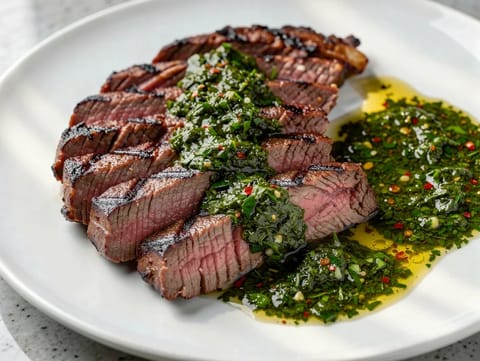
Grilled ribeye served with parsley and garlic chimichurri
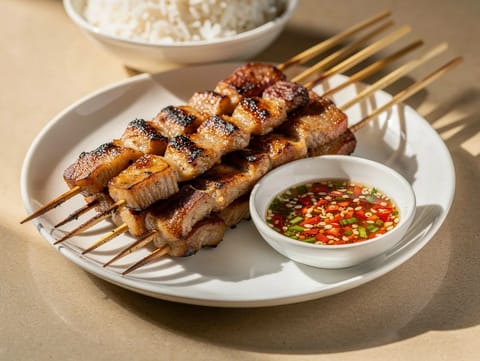
Thai grilled pork skewers with coconut milk and fish sauce
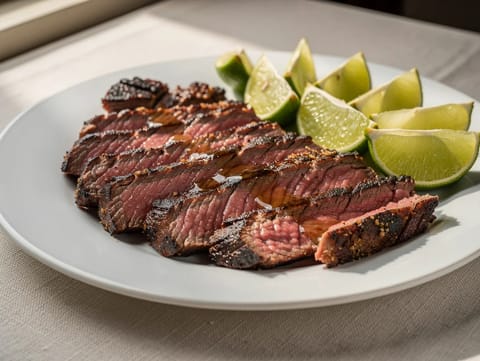
High-heat grilled beef with coarse salt and lime
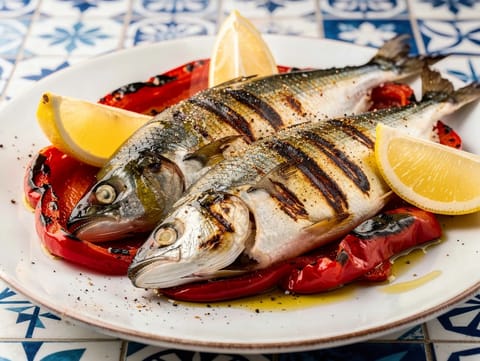
Grilled sardines served with lemon, olive oil and peppers
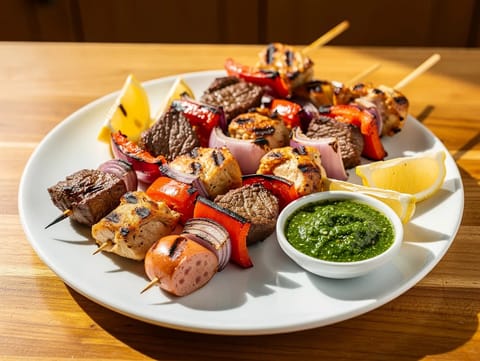
Mixed grill of beef, pork and chicken with chimichurri
Flare-ups are usually fat meeting very high heat. Trim excess fat where you can, keep a cooler zone to move food to, and avoid repeatedly pressing burgers or chops, which forces juices out. If food is browning before it is cooked through, the heat is too direct for the thickness: shift to indirect heat and close the lid so the grill behaves more like an oven. Sticking is often a timing issue rather than a lack of oil. Let the grate preheat, oil the food lightly, and wait until the surface has properly seared before turning. Finally, resist constant flipping. Turning once or twice gives the surface time to brown and makes it easier to judge doneness.
Sea bream grilled until crisp, finished with lemon, oregano, garlic and olive oil
Quick-grilled lamb cutlets with garlic, smoked paprika, lemon and parsley
Tacos de asada with lime-seasoned grilled steak and fresh tomato salsa
Beef steak grilled and served with a sharp parsley chimichurri sauce and lemon
Charred lamb chops rubbed with garlic and smoked paprika, finished with lemon
Quick-grilled skirt steak served with parsley and coriander chimichurri verde
High-heat grilled flank steak marinated with lime, garlic and cumin, served with charred nopales
Grilled salmon fillets finished with a reduced maple and Dijon mustard glaze
Lime and garlic grilled steak served with smoky charred salsa verde
Argentinian-style short ribs and pork sausages served with parsley chimichurri
Juicy grilled T-bone steak finished with melting herb butter and a squeeze of lemon
Juicy grilled ribeye steak finished with melting garlic and parsley compound butter
Light charcoal with a chimney starter or other purpose-made method rather than petrol or other accelerants, which can leave unpleasant residues and are unsafe. Keep the lid open when lighting gas grills, and check hoses and connections if you smell gas. Use long tools and heatproof gloves, and keep a clear area around the grill for moving hot grates or drip trays. For food safety, thicker pieces of poultry and sausages benefit from gentler heat and time to cook through; if you are unsure, use a thermometer rather than relying on colour alone. Dispose of ashes only when fully cold.
If you know the equipment but want to refine the approach, browsing by Cooking method helps you separate fast, direct grilling from slower, lid-down styles that behave more like roasting. Difficulty is also useful here: grilling can be simple, but managing heat and timing becomes more hands-on as recipes add glazes, skewers or mixed items that cook at different rates.
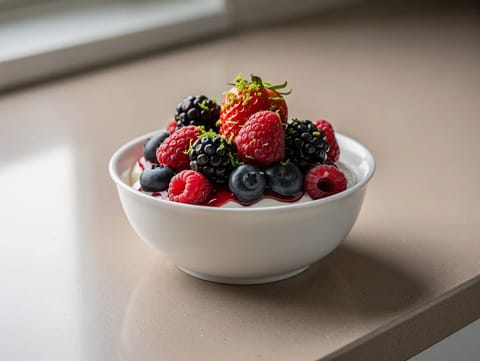
Vegan coconut panna cotta topped with mixed berries
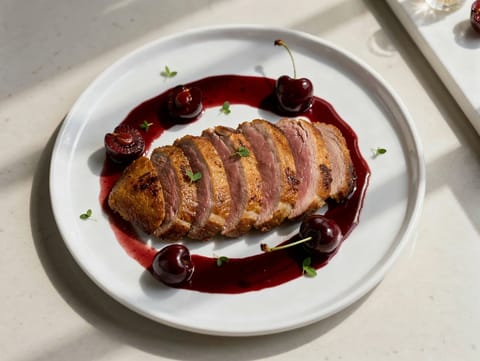
Crisp-skinned duck breast with a quick cherry sauce
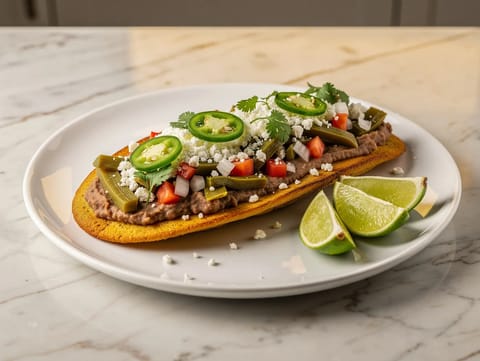
Griddled masa cakes topped with beans and nopales
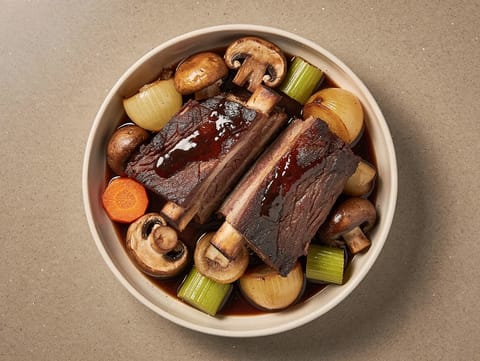
Red wine braised beef short ribs with mushrooms and onions
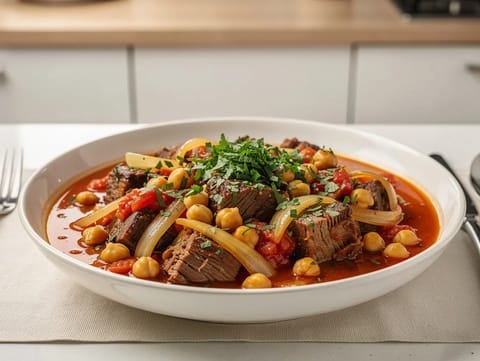
Levant-style lamb stew with chickpeas, tomatoes and lemon
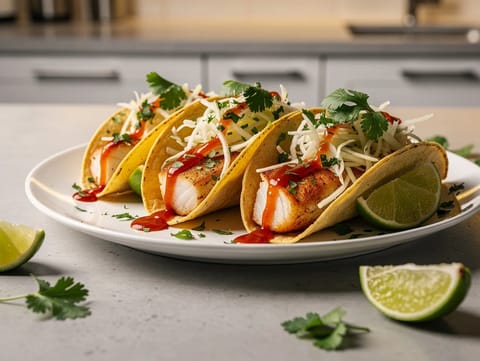
Fish tacos with lime mayo cabbage slaw
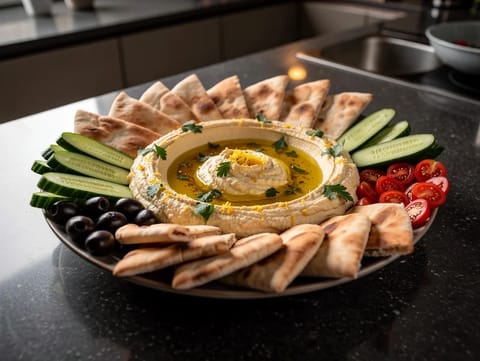
Hummus platter with spiced olive oil, pitta and vegetables
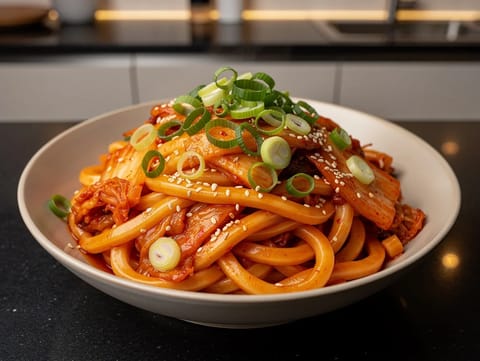
Kimchi and gochujang udon stir-fry with sesame and spring onions
In everyday use, “grilling” often means cooking over direct high heat, while “barbecuing” can mean slower cooking with the lid down and more smoke. Many home grills do both, so it helps to think in terms of direct versus indirect heat.
Charcoal can contribute a stronger smoke profile, but smoke also comes from drippings and from how the grill vents. Gas grills can still produce good grilled flavour, especially with careful heat control and a clean, hot grate.
The heat is too intense for the thickness. Move the food to a cooler part of the grill, close the lid, and let it finish with indirect heat so the centre warms through before the surface over-browns.
Preheat the grate, keep it clean, and oil the food lightly. Most sticking resolves once the surface has seared; if you try to turn too early, it will tear.
Yes. Lid down reduces flare-ups, evens out heat, and helps thicker foods cook through. Lid up is useful for very fast cooking or when you need close control over browning.
You can, but it helps to use a well-heated, clean grate and a gentler zone. Delicate fillets often do better with indirect heat or on a tray or grill basket to reduce sticking and breakage.
Before you start, decide whether the food needs direct heat for quick browning or indirect heat to cook through gently. Once that is clear, the rest of the choices, fuel, lid position and turning, fall into place.
