OXO Good Grips 2-Piece Cutting Board Set
- Two useful sizes with reversible cutting surfaces
- Dishwasher safe and easy to clean
- Plastic surfaces will show knife marks over time
A cutting board looks like a simple surface, but it changes how safely and neatly you can prep. The right board stays put, gives your knife a predictable feel, and contains juices and crumbs so you are not constantly wiping the worktop. This page helps you compare common board materials and shapes, and decide when a quick substitute is fine and when it will slow you down or make prep awkward.
In recipe terms, a cutting board is the stable base for chopping, slicing, mincing and carving. It is also where you gather ingredients for the pan, tray or pot, so size and grip matter as much as the surface itself. Boards are often chosen by material, but the more useful distinction is how they behave: whether they slide, whether they blunt knives quickly, and whether they cope with wet ingredients without warping or holding odours. Some boards have a juice groove for tomatoes, citrus and raw meats; others are flat for easy scraping into a bowl. A board is not a serving platter by default, and a decorative board may not be kind to knives.
Our recommended options if you're looking for a Cutting board.

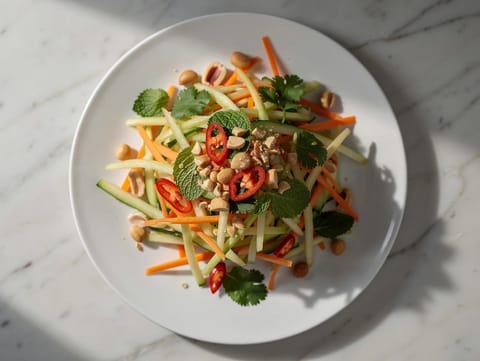
Green mango salad with herbs, chilli and peanuts

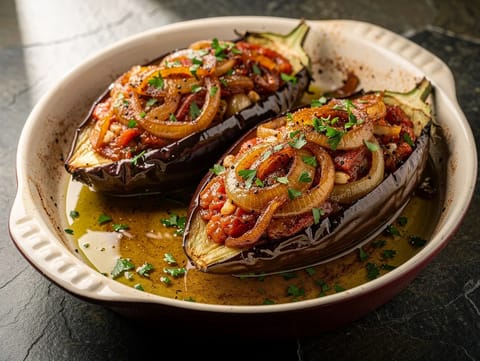
Baked aubergines stuffed with tomato, onion and garlic

Portuguese monkfish rice simmered in tomato and white wine

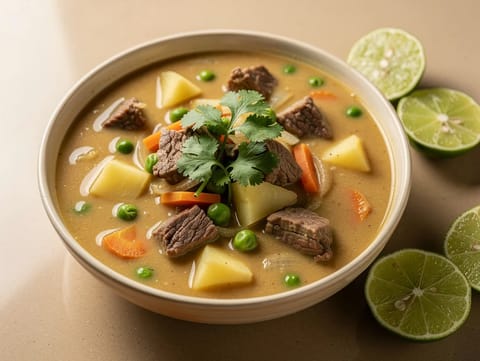
Bolivian peanut soup with beef and potatoes

Crisp tostadas topped with chicken tinga, crema and lettuce

Pan-seared pork tenderloin with garlic whisky sauce
Wood and bamboo tend to feel slightly “softer” under the knife, which can help with control and edge retention, but they need drying space and should not be left soaking. Plastic boards are light and easy to wash, which suits messy prep, but they can skate on smooth counters unless you anchor them. Composite boards sit somewhere between, often with good grip and dishwasher tolerance, though they can be hard on knife edges depending on the brand. Size is practical: a board that is too small forces you to work in batches and increases spills. If you are short on space, a thin board that stores upright can still be generous enough for a pile of chopped onions or herbs.

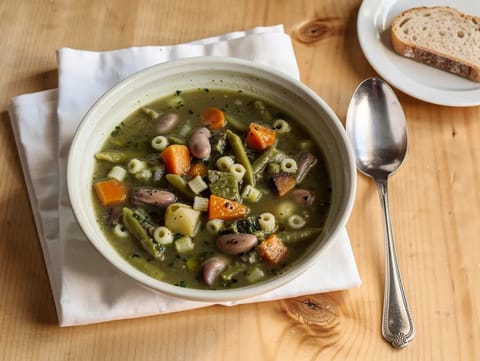
Italian vegetable soup with pasta, cannellini beans and pesto

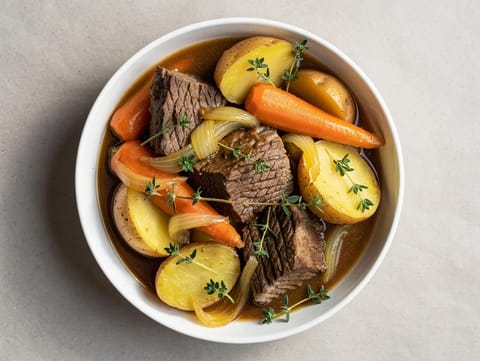
Slow-braised beef pot roast with carrots and potatoes

Lobster roll with mayonnaise, lemon and celery

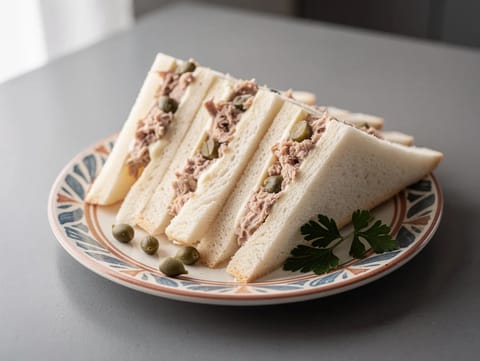
Soft tuna and caper sandwiches with mayonnaise and lemon

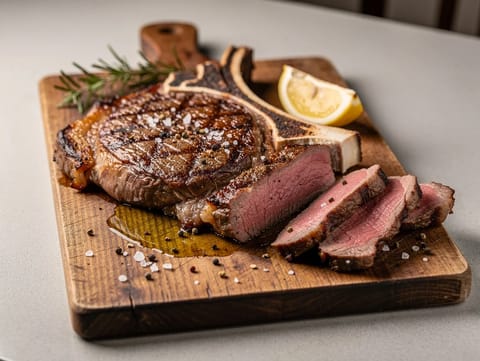
Tuscan T-bone steak, seared and simply seasoned

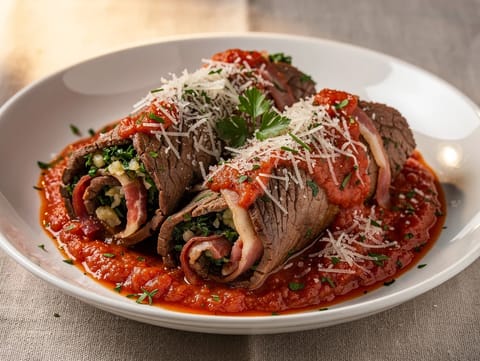
Stuffed beef rolls in tomato sauce

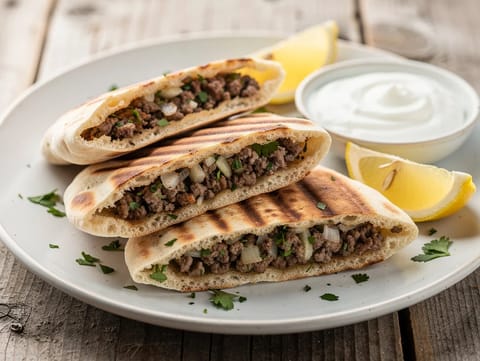
Grilled pittas stuffed with spiced minced lamb and onion

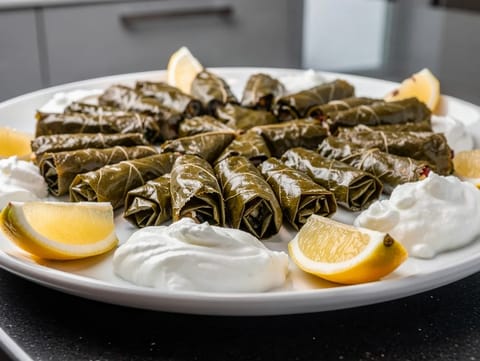
Grape leaves stuffed with herby rice, pine nuts and currants

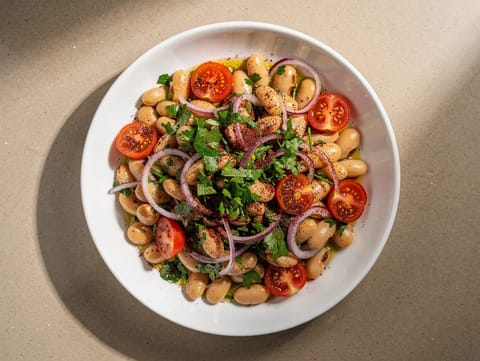
Turkish white bean salad with lemon dressing and sumac

Steamed couscous with tender lamb, chickpeas and vegetables

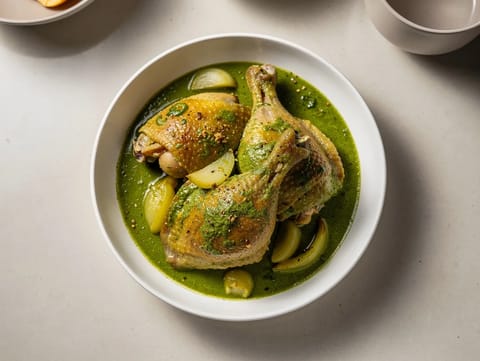
Peruvian coriander chicken stew with a bright green gravy

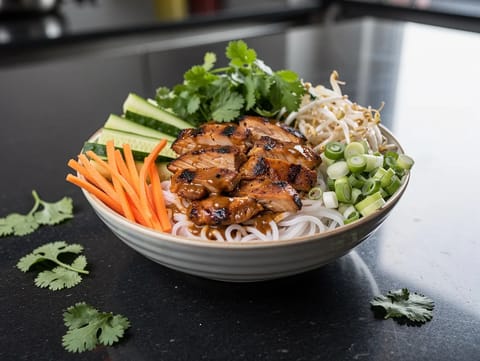
Satay chicken bowl with rice noodles and tangy dressing
The most common problem is a board that moves. A damp tea towel or a piece of non-slip matting underneath usually solves it and makes chopping noticeably calmer. Another issue is crowding: if ingredients are falling off the edges, switch to a larger board or keep a bowl nearby for “finished” prep. Finally, avoid using the same board for raw meat and ready-to-eat foods without washing in between. Even when a recipe does not mention it, it is worth building the habit of separating tasks or cleaning as you go, especially when you are moving quickly between salad prep and protein prep.
If you are choosing a board for a particular style of cooking, Cooking method is a useful next step: heavy chopping, quick stir-frying prep and slow braises all ask different things of your prep surface. Difficulty can also help you judge how much knife work a recipe expects, which in turn affects whether a larger, steadier board will make the process smoother.

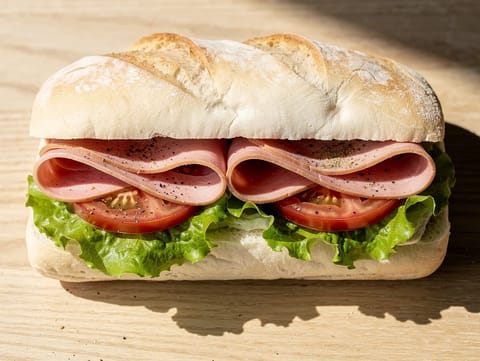
Bloomer roll with ham, mustard, lettuce and tomato

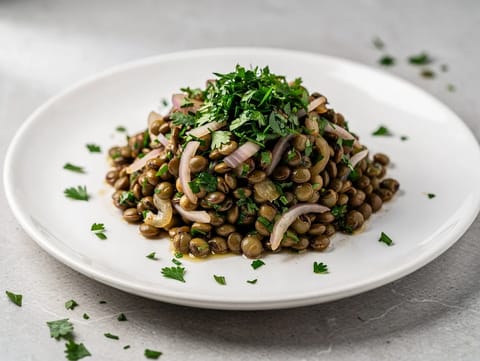
Green lentils dressed warm with Dijon vinaigrette

Crisp smoked haddock fishcakes with tartare sauce

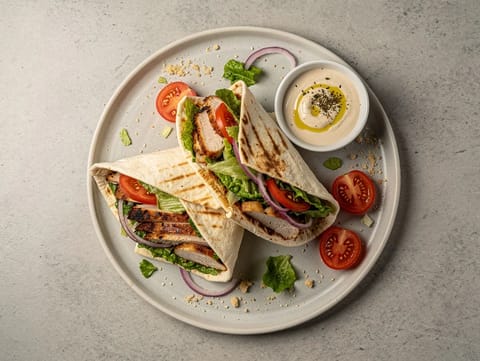
Chicken shawarma wrap with salad and tahini sauce

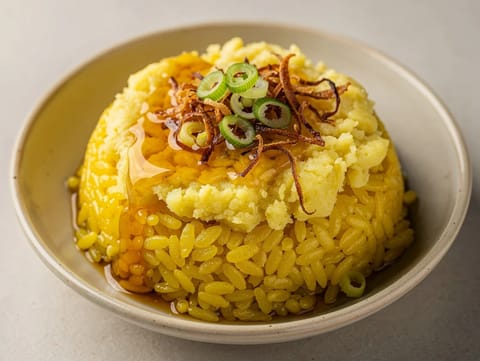
Turmeric sticky rice with mung beans and fried shallots

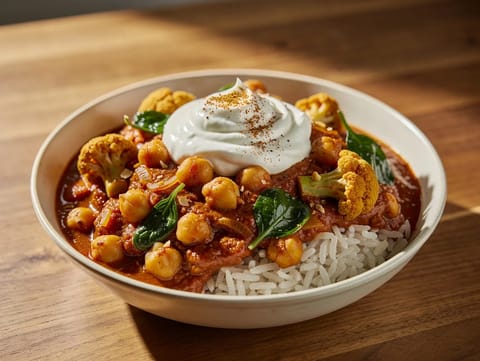
Spiced chickpeas with vegetables served over basmati rice and yoghurt

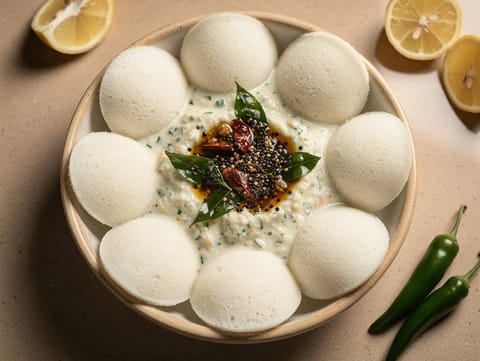
Warm idli with coconut yoghurt chutney and tempering

Thai rice noodles stir-fried with tamarind, egg and peanuts
It can help. Many cooks keep one board for raw meat and fish and another for fruit, vegetables and bread, simply to reduce the chance of cross-contamination and to avoid lingering odours.
Both can work well. Wood often feels better under the knife and is less likely to skid if it has some weight; plastic is light and easy to wash. What matters most is stability, size and how you clean and dry it.
Choose the largest board you can comfortably store and wash. A board that gives you room to gather chopped ingredients reduces spills and makes it easier to transfer prep into a pan or bowl.
Place a damp tea towel, damp kitchen paper, or a thin non-slip mat underneath. This is especially helpful with lightweight plastic boards on smooth worktops.
In a pinch, yes for soft foods, but it is awkward for proper chopping and can be noisy and slippery. It is also easy to damage knives on ceramic or metal surfaces.
A groove catches liquid from tomatoes, citrus, carved roasts or raw meat. It helps keep the worktop cleaner, but it can get in the way when you want to scrape chopped ingredients off the board.
When a recipe calls for a cutting board, it is really asking for a stable, roomy place to do knife work and organise ingredients. Choose one that stays put, suits your space, and matches the kind of prep you do most often.