
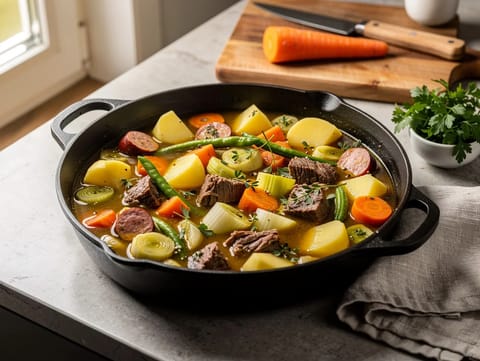
Eintopf (German One-Pot Stew with Sausage and Beans)
German one-pot stew with smoked sausage, beans and potatoes

A Dutch oven is a heavy, lidded pot designed to hold heat steadily and seal in moisture. That combination changes how food cooks: tough cuts soften without drying out, sauces reduce more gently, and bread can rise with a crisp crust thanks to trapped steam. Recipes that specify a Dutch oven are usually relying on its weight, tight-fitting lid and oven-safe build. Understanding what those features do makes it easier to choose the right recipe, or to substitute sensibly when you do not have one.
For meltingly tender textures, look for long, covered cooking where the lid keeps evaporation low: braises, stews and slow-cooked beans are typical examples. For deeper flavour and colour, many recipes start with browning in the same pot, then add liquid and cook covered, which saves washing up and keeps the fond in play. For bread, the Dutch oven acts like a small oven within the oven, holding steam close to the dough so the crust sets later and expands more. If you want a thicker, glossier sauce, recipes that finish uncovered let moisture evaporate and concentrate flavours, but the pot’s wide base and heat retention mean you should watch the final reduction more closely.
German one-pot stew with smoked sausage, beans and potatoes
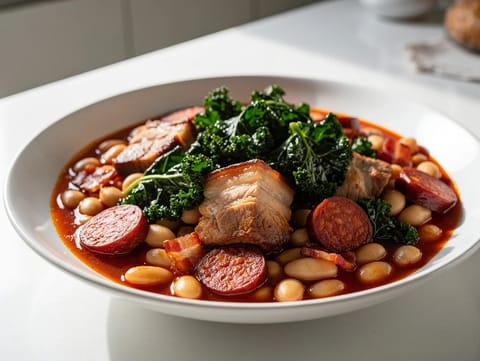
Portuguese white bean stew with pork belly, chorizo and bacon
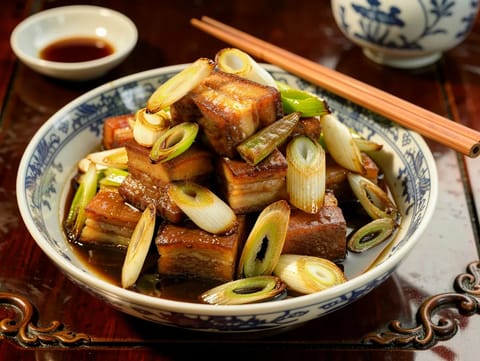
Red-braised pork belly simmered until tender and glossy
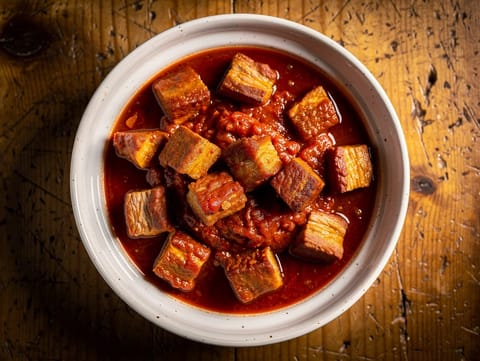
Pork simmered in a thick tomato and paprika sauce

Clay pot jasmine rice with chicken, Chinese sausage and spring onion
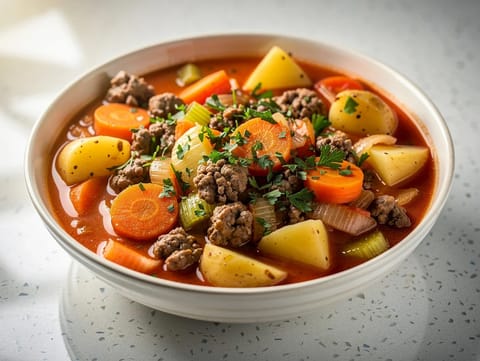
Minced beef and potato stew in a paprika-tomato broth
Overcrowding is the classic problem when browning: too much meat or too many vegetables at once steams rather than sears. Brown in batches and return everything to the pot later. Another issue is heat management. Cast iron holds heat so well that a lively simmer can quickly become an aggressive boil, which can break up delicate ingredients and reduce sauces faster than expected. Turn the heat down earlier than you would with a thin pan. Finally, remember the lid and handles get extremely hot. A clear “lid-on, lid-off” routine and a safe resting spot on the hob prevent a lot of kitchen mishaps.
French cassoulet baked until thick, finished with a browned breadcrumb topping
Tender veal in a smooth double cream and egg yolk sauce
French lamb stew braised with white wine, vegetables and fresh herbs
Slow-braised beef stew with red wine, pancetta, mushrooms, onions and carrots
Slow-simmered tripe stew with chorizo, morcilla, smoked paprika, garlic and bay
Traditional marmitako with tuna and potatoes simmered in a light paprika broth
Slow-simmered lamb stew with onion, smoked paprika, wine and parsley
Tender lamb braised with coriander and garlic in a cumin and aji amarillo sauce
Pollo al chilindrón with browned chicken thighs, peppers, tomatoes, onion and garlic
Beef short ribs braised in stout with vegetables and thyme until tender
Tender lamb simmered with passata, white wine, garlic and rosemary in a rich sauce
Shredded pork and fatback rillettes, chilled until spreadable and served on toast
A Dutch oven is usually cast iron, often enamelled, with a close-fitting lid and walls thick enough to buffer temperature swings. It can move from hob to oven, which is why it appears in recipes that start with sautéing and finish with slow, even cooking. It is not the same as a stockpot, which is tall and lighter, or a casserole dish, which may not brown well on the hob. The Dutch oven’s strength is controlled, even heat and moisture retention, not speed. It will not behave like a pressure cooker, and it is not a substitute for a wok or a thin frying pan when you need rapid evaporation and high-heat tossing.
Cooking method is the most helpful companion here, because Dutch oven recipes often hinge on braising, simmering, baking or a mix of hob and oven work. Difficulty is also worth a glance: the pot itself is forgiving, but some recipes involve timing reductions, managing heat gently, or handling a heavy, hot lid with confidence.
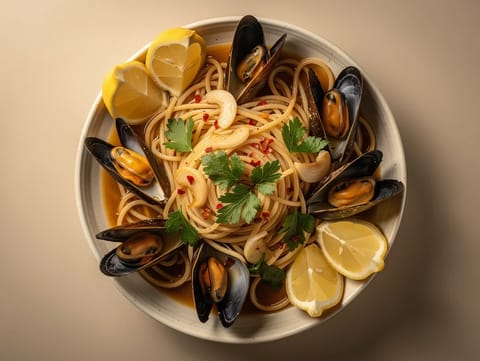
Spaghetti with mussels, garlic and white wine
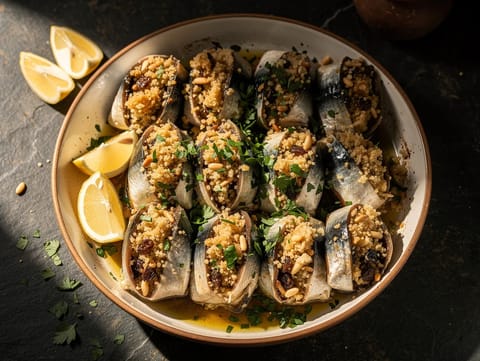
Baked stuffed sardines with breadcrumbs, pine nuts and raisins
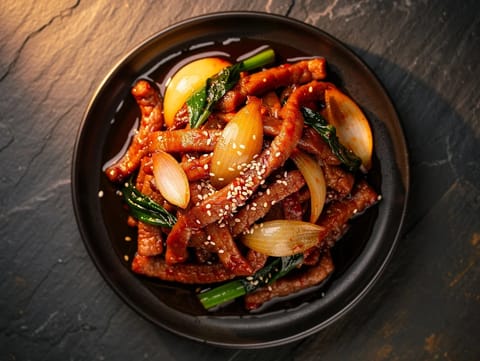
Spicy gochujang pork stir-fry with onion
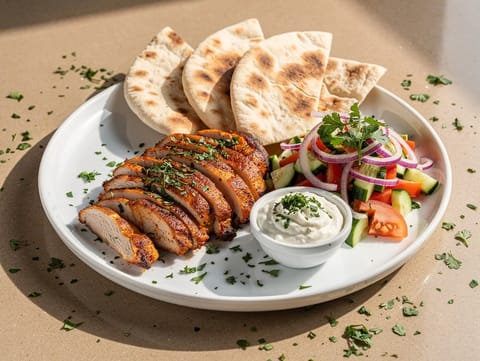
Spiced chicken shawarma platter with flatbreads and garlic yoghurt

Treacle gingerbread cookies with warm spices and crisp edges
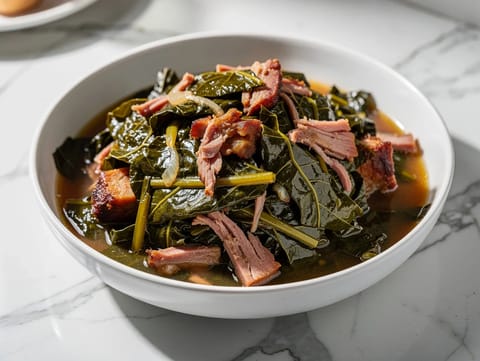
Slow-simmered collard greens with smoked ham hock

Winter fruit salad with honey, lime and fresh mint
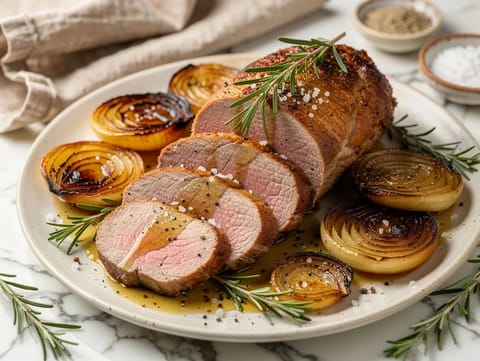
Roast veal with garlic, rosemary and reduced pan juices
Not necessarily. Enamel makes the pot less reactive and easier to clean, and it suits acidic braises and tomato-based sauces. Bare cast iron works too, but it needs more care and can be more reactive with acidic ingredients.
Many cast-iron Dutch ovens work well on induction because the material is magnetic. Check your pot’s base and your hob’s guidance, and lift rather than drag to avoid scratching the surface.
A heavy, oven-safe pot with a lid is the closest substitute. A deep, lidded sauté pan can work for smaller batches. For oven braises, a roasting tin tightly covered with foil can stand in, though it will not hold heat in quite the same way.
The lid traps steam released by the dough, which delays crust formation and helps the loaf expand. It also provides steady, even heat around the bread.
In many places the terms overlap. In recipe language, “Dutch oven” usually signals a heavy, lidded pot suitable for both hob browning and oven cooking.
Not always. Browning adds flavour and colour, but some recipes rely more on gentle cooking and aromatics. If you do brown, avoid crowding so you actually get a sear.
A Dutch oven earns its place when a recipe needs steady heat, a good lid and the option to move from hob to oven. Once you recognise that pattern, it becomes much easier to pick suitable recipes and make sensible swaps.
