
Marmitako (Basque Tuna and Potato Stew)
Why this recipe works
- Layered savoury base: Onion, green pepper, garlic, tomato and paprika are cooked down before the stock is added, giving the broth depth without needing a long simmer.
- Tuna added at the end: The fish is stirred in only once the potatoes are tender, so it cooks gently in the residual heat of the stew rather than drying out.
- Hearty but brothy: Potatoes give the stew substance while the fish stock keeps it lighter and more fluid than a thick, heavy stew.
Get the most out of this recipe
Timing notes
- Most of the time is simmering: The active work is mainly chopping, grating the tomato and building the base; once the potatoes are in, the stew needs only occasional stirring.
- Serve soon after adding the tuna: Marmitako is best brought to the table once the tuna has just turned opaque and is still moist inside.
- Best on the day it is made: The broth can be reheated gently, but tuna becomes firmer each time it is cooked, so the texture is best fresh.
Ingredient notes
- Use firm tuna steak: Choose tuna that can be cut into large chunks so it holds together in the broth rather than flaking apart too quickly.
- Yukon Gold potatoes suit the stew: They become tender and slightly creamy while still keeping their shape, helping the broth feel rounded without turning gluey.
- Sweet paprika gives gentle depth: It adds warmth and colour without making the stew hot, which suits the clean flavour of the tuna and fish stock.
Common mistakes
- Do not burn the paprika: Cook it briefly before adding the tomato; if it darkens too much, it can make the broth taste bitter.
- Avoid boiling the tuna: Keep the stew at a bare simmer once the fish is added so the tuna stays tender rather than tight and dry.
- Keep it brothy: Marmitako should have plenty of savoury liquid around the potatoes; if it reduces too far, loosen it with a little more stock.
Authenticity notes
- Basque coastal stew: Marmitako is associated with Basque fishing communities and is traditionally centred on tuna, potatoes, peppers and a savoury fish broth.
- Simple, practical cooking: The dish is more rustic than refined: diced vegetables, potatoes and fish are cooked in one pot for a generous stew served with plenty of broth.
- Pepper flavour can vary: Some versions lean more deeply into dried pepper flavour, while this one uses sweet paprika for an accessible smoky note.
Equipment you'll need
Ingredients
Instructions
- Cut the onion and green pepper into small dice. Peel the potatoes and cut them into bite-size chunks, then grate the tomatoes on a box grater and discard the skins. Cut the tuna into large chunks and keep chilled while you start the stew.
- Warm the olive oil in a Dutch oven over medium heat. Add the onion, green pepper and a pinch of the salt, then cook for 10 minutes, stirring often, until softened and sweet. Stir in the garlic and cook for 1 minute until fragrant.
- Stir in the sweet paprika and cook for 20 seconds so it blooms without burning. Add the grated tomatoes and cook for 6 to 8 minutes, stirring, until the mixture darkens slightly and the liquid reduces. This is your flavour base.
- Add the potatoes, fish stock, bay leaves, remaining salt and the black pepper. Bring to a gentle simmer, then cook for 18 to 22 minutes, stirring occasionally, until the potatoes are tender and the broth tastes rounded. Keep the stew brothy rather than thick; if it reduces too much, add a splash more stock and return to a simmer.
- Lower the heat so the stew is barely simmering, then add the tuna. Cook for 2 to 4 minutes, just until the tuna turns opaque on the outside and is still juicy within. Remove the bay leaves, taste and adjust seasoning, then serve hot with plenty of broth.
Recipe notes
Tips
- For the best texture, add the tuna right at the end and keep the heat gentle so it stays tender rather than dry.
- If serving children or anyone vulnerable, cook the tuna a little longer so it is fully opaque throughout.
Substitutions
- Replace Tuna steak with Salmon fillet for a richer, softer fish that still holds together in the broth.
- Replace Green pepper with Red pepper for a sweeter base and a slightly fruitier finish.
- Replace Fish stock with Vegetable stock for a lighter, less fish-forward stew.
Storage
- Refrigerate up to 2 days
- Cool quickly, then refrigerate in a sealed container. Reheat gently in a saucepan over low heat until piping hot, taking care not to boil hard or the tuna will toughen.
Ratings & reviews
Liked this recipe? Share your feedback to support our cooking community.
Tried this recipe?
Choose 1–5 stars. A comment is optional.
Stay inspired
Discover new recipes, seasonal favourites and cooking inspiration every day. Follow JustRecipes on Pinterest and Spillt.
Recipe overview
- Servings: 4 servings
- Total time: 55min (20min active)
- Difficulty: Medium
- Cuisine: Spanish
-
Allergens:
Fish
Plan your meals and get a complete grocery list automatically.
Add to meal plannerEquipment you'll need
Got ingredients left?
Find recipes using ingredients from this recipe or what you already have at home.
Find recipes with these ingredients →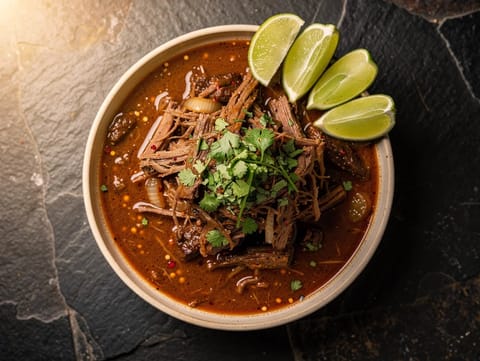
Barbacoa de Res (Slow-Cooked Beef in Chilli and Lime Broth)
Slow-cooked beef in a chilli and lime broth
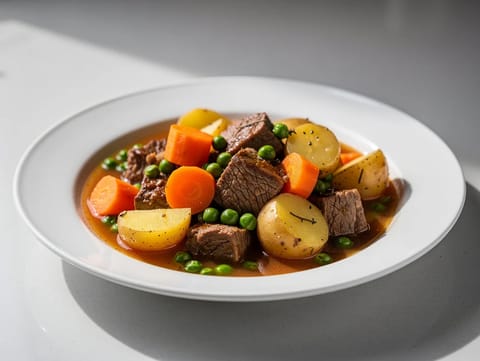
Navarin d’Agneau (Spring Lamb Stew)
Spring lamb stew with carrots, new potatoes and peas
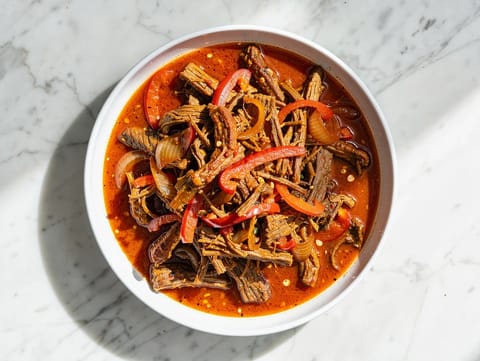
Ropa Vieja (Shredded Beef in Tomato and Pepper Sauce)
Shredded beef brisket simmered in tomato, pepper and cumin sauce
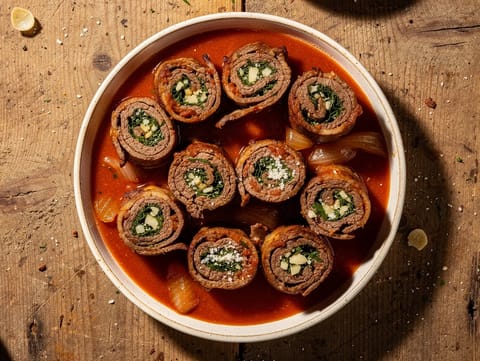
Braciole al Sugo (Italian Beef Rolls in Tomato Sauce)
Beef rolls braised in tomato sauce with garlic and Parmesan
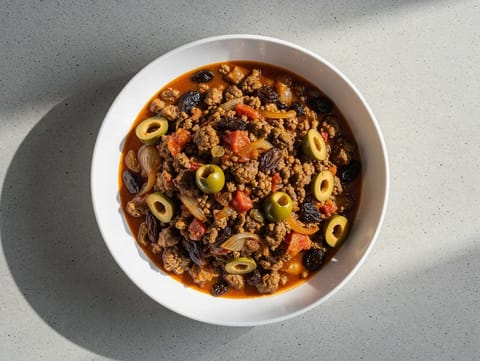
Holiday Picadillo (Sweet and Savoury Minced Beef Stew)
Minced beef picadillo with tomatoes, olives and raisins
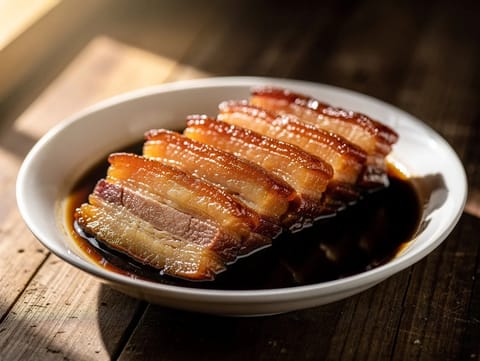
Dongpo Pork (Braised Pork Belly from Hangzhou)
Hangzhou dongpo pork belly braised with Shaoxing wine and soy sauces
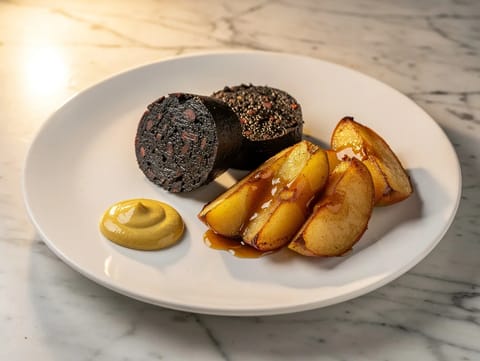
Bloedworst met Appel (Blood Sausage with Apple)
Crisp pan-fried blood sausage served with caramelised apples
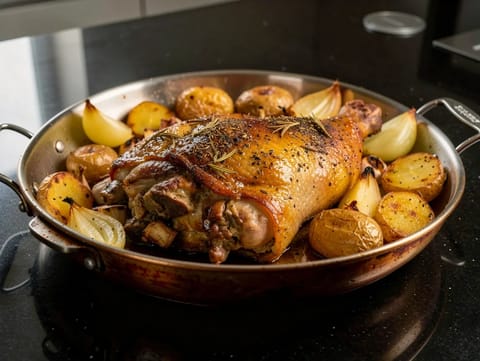
Kleftiko (Greek Slow-Roasted Lamb with Potatoes and Onion)
Greek slow-roasted lamb with lemon, oregano and potatoes

Tofu Bulgogi Bowl
Tofu bulgogi bowl with rice, sautéed vegetables and sesame
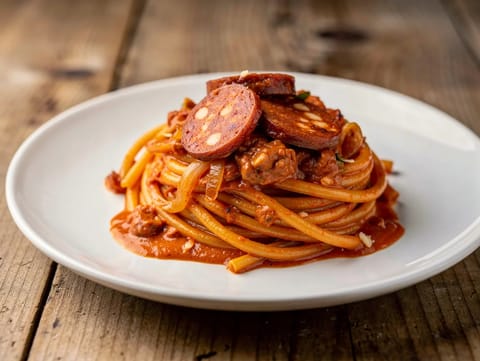
Chorizo Pasta with Smoky Tomato Cream Sauce
Chorizo pasta in smoky tomato cream sauce with Manchego
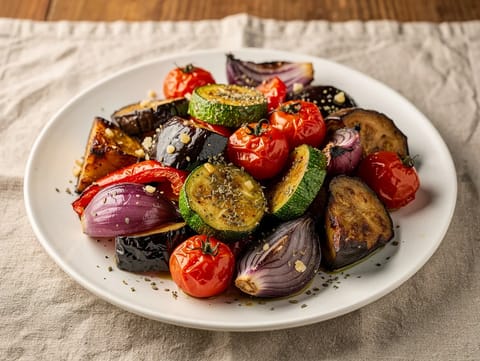
Italian Roasted Vegetable Traybake
Roasted vegetable traybake with garlic, olive oil and oregano
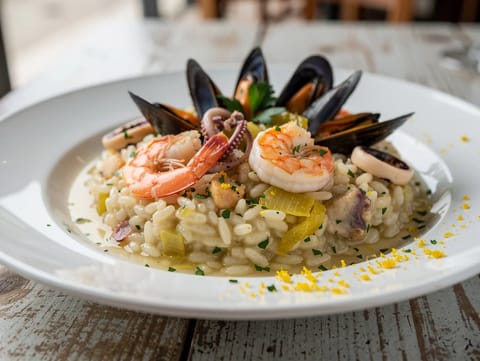
Risotto ai Frutti di Mare (Seafood Risotto with Prawns, Mussels and Squid)
Creamy seafood risotto with prawns, mussels and squid
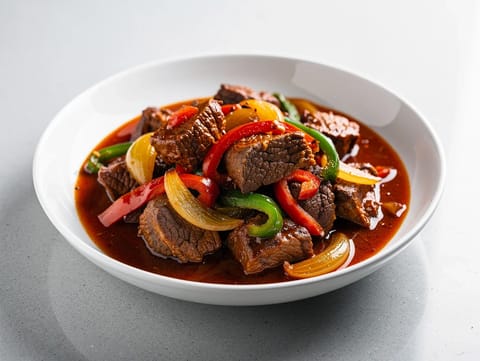
Ternera a la Riojana (Veal with Rioja Wine and Peppers)
Spanish veal stew with Rioja wine and peppers
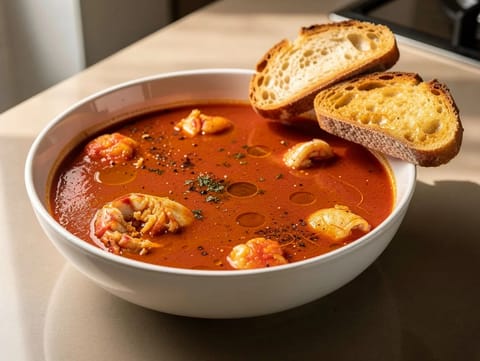
Caldereta de Bogavante (Balearic-Style Lobster Stew)
Balearic lobster stew with tomato, saffron and paprika
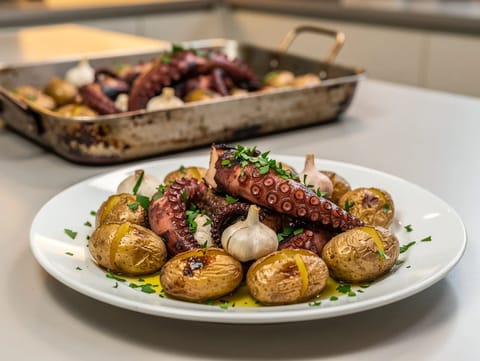
Polvo à Lagareiro (Roasted Octopus with Potatoes and Garlic)
Roasted octopus with potatoes, garlic, bay and olive oil
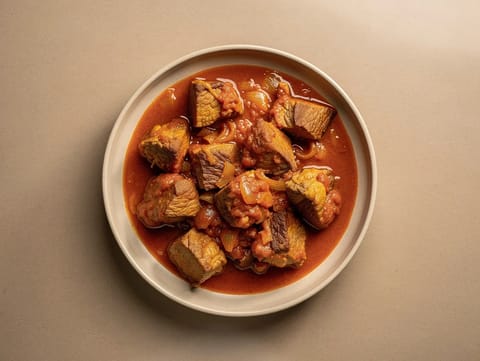
Carne con Tomate (Andalusian Pork in Tomato Sauce)
Andalusian pork simmered in a thick tomato and paprika sauce
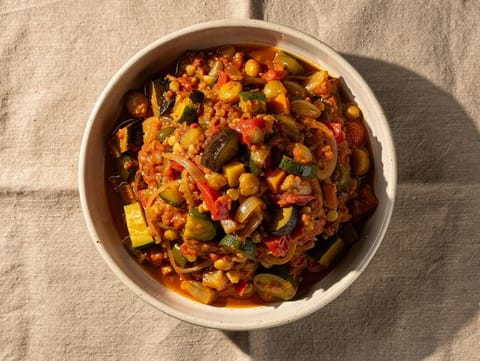
Pisto Manchego (Slow-Cooked Vegetables with Tomato and Peppers)
Slow-cooked vegetables with tomato, peppers, courgette and aubergine
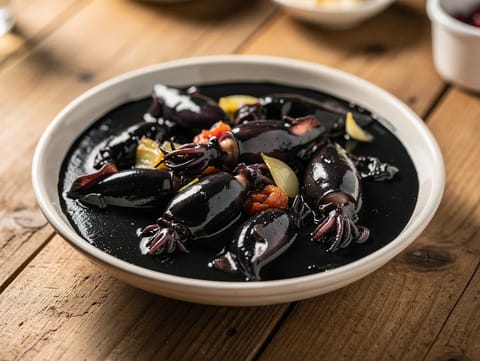
Chipirones en su Tinta (Spanish Squid in Ink Sauce)
Spanish squid stewed in a glossy ink sauce
You might also like

Ensaimada (Mallorcan Sweet Spiral Pastry)
Mallorcan spiral yeast pastry brushed with lard and icing sugar

Chinese Chicken Stir Fry
Quick chicken stir fry with vegetables and savoury soy sauce.
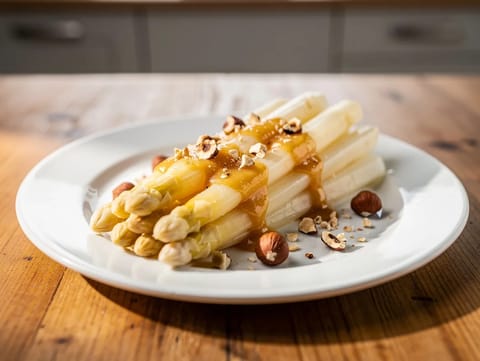
White Asparagus with Hazelnut Butter
White asparagus with browned hazelnut butter and lemon

Horchata de Chufa (Tiger Nut Drink)
Chilled tiger nut drink with cinnamon and lemon
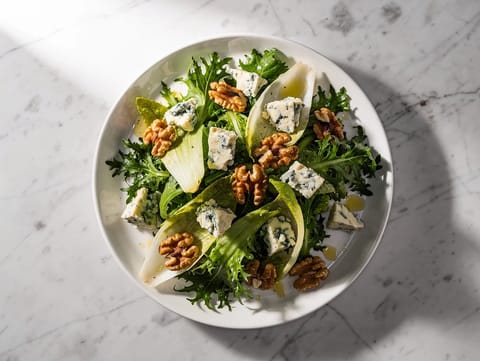
Endive and Walnut Salad with Roquefort
Crisp endive salad with walnuts, Roquefort and Dijon dressing
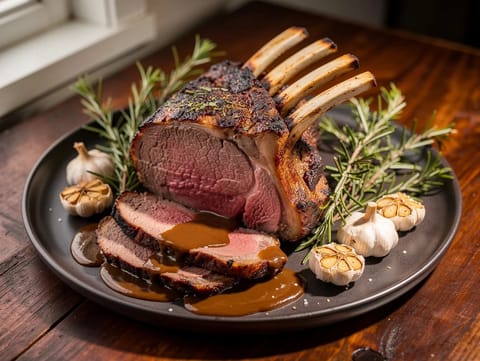
Prime Rib Roast with Rosemary, Garlic and Beef Gravy
Roast prime rib with rosemary and a simple beef gravy
Make this recipe easier next time
AdvertisementThese tools help you get better results with less effort.
Misen 8-Inch Chef Knife
- AUS-10 steel
- Balanced design
- Less traditional feel
Titanium & PP Double-Sided Cutting Board
- Separate surfaces for meat and produce
- Resists odors and stains
- Harder on knife edges than wood or plastic
WÜSTHOF Classic 8-Inch Chef's Knife
- Excellent build quality
- Reliable edge retention
- Expensive
OXO Good Grips 2-Piece Cutting Board Set
- Two useful sizes with reversible cutting surfaces
- Dishwasher safe and easy to clean
- Plastic surfaces will show knife marks over time
Enjoy cooking with JustRecipes?
Add JustRecipes as one of your preferred Google sources to discover our recipes more easily across Google Search.
Add JustRecipes to GoogleEvery recipe on JustRecipes follows the same structured editorial process. Learn how recipes are created, validated, translated, illustrated, and continuously improved across the platform. How we create recipes.
