
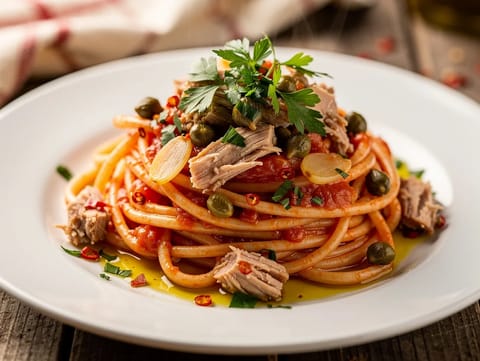
Spaghetti al Tonno (Tuna and Tomato Pasta)
Spaghetti with tuna, tomato, capers and parsley

A large pot is about capacity and steady heat. It gives you enough depth for boiling pasta, simmering soups and stews, cooking grains, blanching vegetables, or making stock without constant topping up. The extra volume also makes cooking calmer: liquids are less likely to boil over, and you can stir without sloshing. The trade-off is responsiveness. A big pot takes longer to heat and cool, and it can be inefficient for small quantities. Knowing when a recipe genuinely needs a large pot helps you avoid watery results, scorched bases and awkward overcrowding.
Choose a large pot when the method involves a lot of water or a long, gentle simmer. Boiling pasta and potatoes works better with enough water to return to the boil quickly after you add food. Soups, stews and stocks benefit from depth because ingredients can be fully submerged and the surface can simmer without splashing. A large pot is also useful for blanching, where you want water hot enough to cook quickly and then recover its temperature. Where it is less helpful is high-evaporation cooking. If you are reducing a sauce or trying to brown ingredients, a wide, shallower pan gives faster evaporation and better contact with heat.
Spaghetti with tuna, tomato, capers and parsley
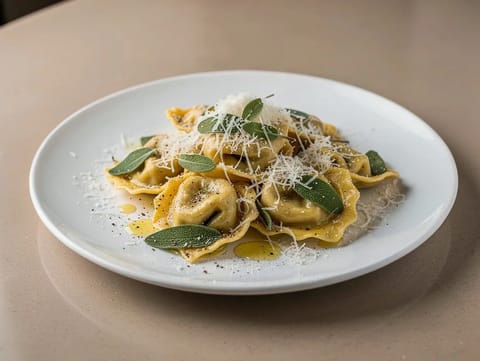
Tortelloni tossed with butter, sage and Parmesan
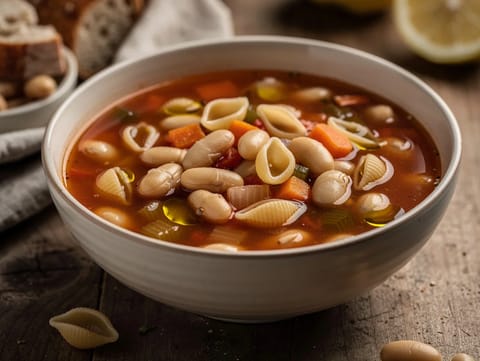
Italian vegan bean and pasta soup with tomatoes and herbs
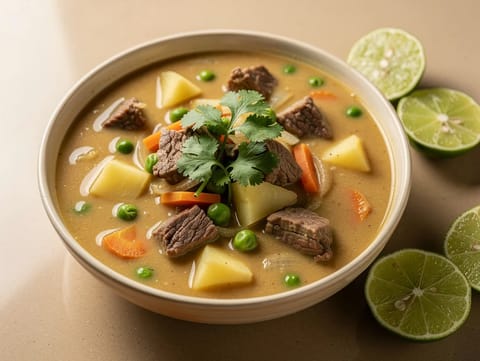
Bolivian peanut soup with beef and potatoes
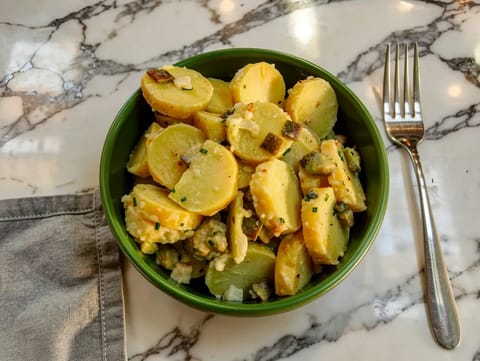
German potato salad with vinegar, mustard and parsley
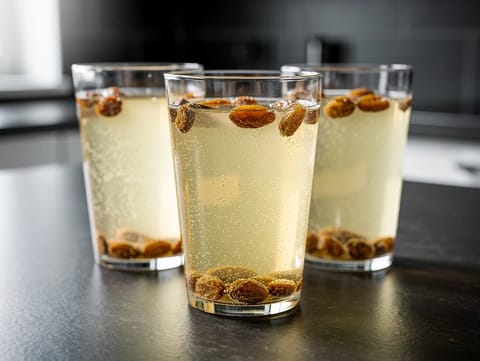
Finnish lemon sima, lightly fermented and served chilled with raisins
Overfilling is the obvious one, but the more subtle issue is under-seasoning. Large volumes dilute salt and aromatics, so recipes often ask you to season in stages and taste as you go. Another mistake is starting with too high a heat and walking away. Big pots can take time to come up to temperature, then suddenly surge into a rolling boil and foam over, especially with starchy foods. Reduce to a steady simmer once boiling. Finally, do not ignore the base. Thick soups and porridge-like mixtures can catch if you do not stir down to the bottom, particularly on powerful burners where the heat is concentrated in the centre.
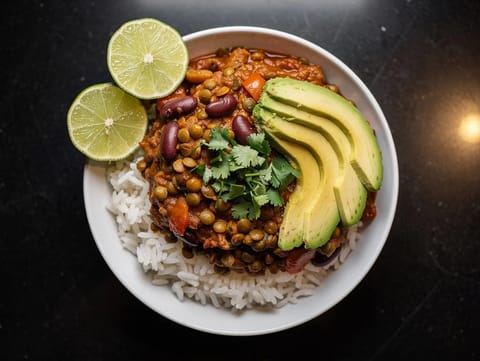
Lentil chilli over rice with avocado, coriander and lime
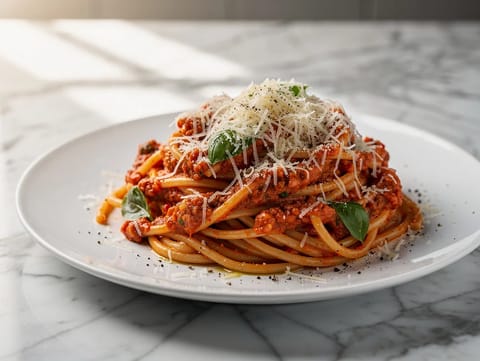
Sicilian pasta with tomato, basil and almond pesto
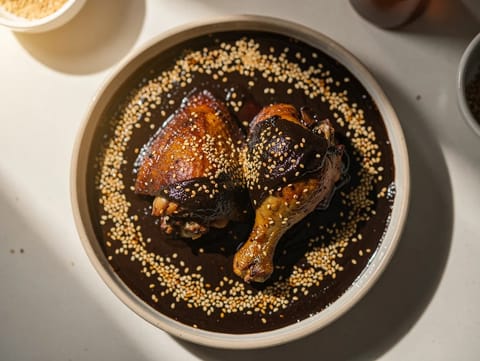
Chicken served with Oaxacan mole negro and sesame seeds
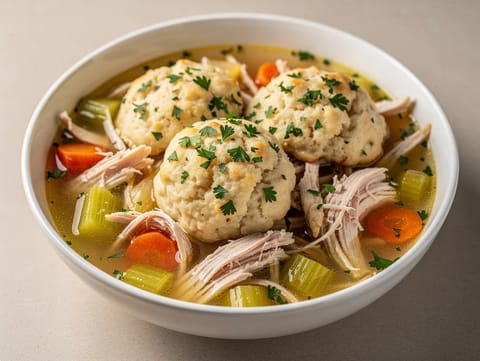
Slow cooker chicken stew topped with fluffy buttermilk dumplings
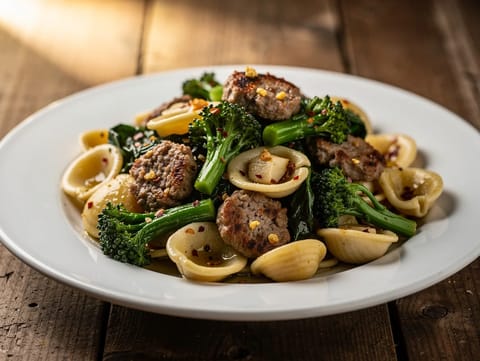
Orecchiette with broccoli rabe, sausage, garlic and chilli
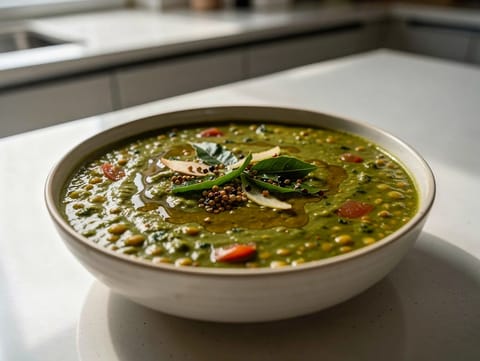
Spinach and yellow lentil dal finished with a spiced tempering
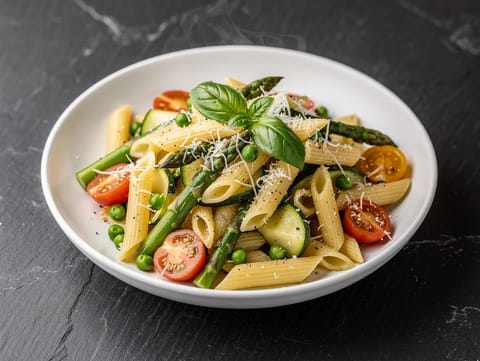
Pasta primavera with spring vegetables, lemon and Parmesan
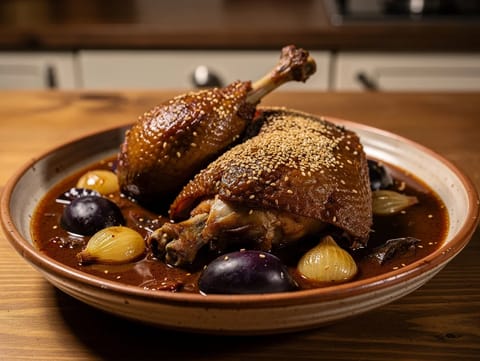
Braised duck legs in smooth plum mole with sesame
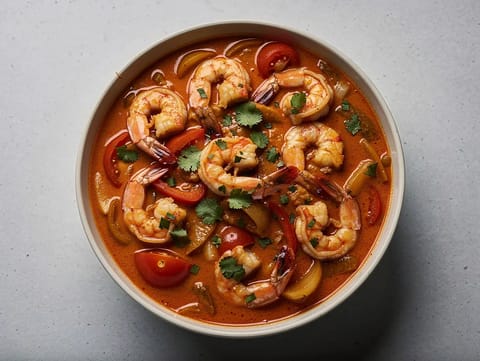
Brazilian prawn stew with coconut milk, vegetables and lime
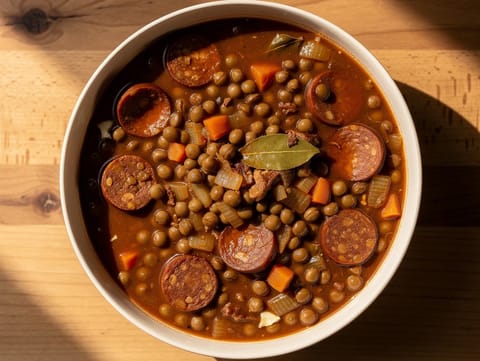
Brown lentil and chorizo stew with bay and smoked paprika
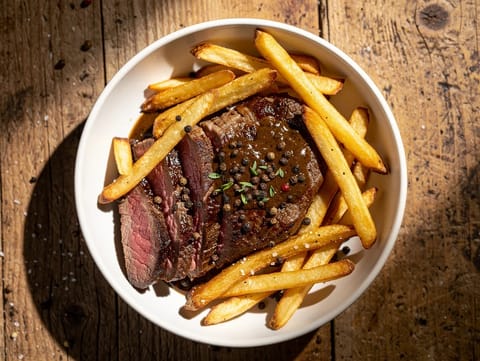
Pepper-crusted steak with cognac cream sauce and pommes frites
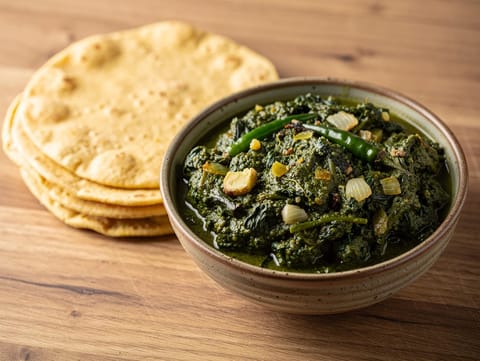
Mustard greens and spinach curry served with maize flatbread
If the recipe is about boiling, you can often split the job between two smaller pots. This keeps the water at a stronger boil and prevents crowding. For soups and stews, a deep sauté pan or a Dutch oven can substitute, though you may need to adjust the simmer to prevent excessive evaporation. If the recipe needs a large volume mainly for blanching, a wide pot is often more effective than a very tall one because it heats more evenly and is easier to retrieve food from quickly. Whatever you use, match the vessel to the behaviour you need: room for bubbling, enough depth to submerge, and a base that will not scorch.
Cooking method pairs naturally with a large pot because boiling, simmering and braising each place different demands on capacity and heat control. Difficulty can also help set expectations: some pot-cooked recipes are largely hands-off, while others need attentive stirring and careful simmering to avoid catching or boiling over.
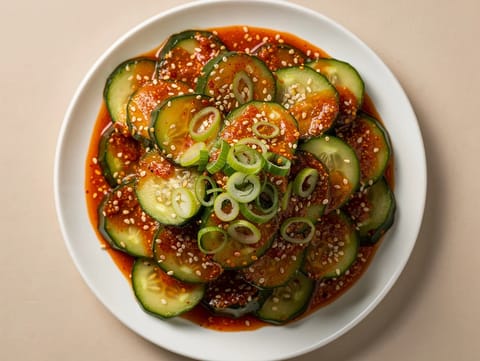
Chilled Korean cucumber salad with gochugaru and sesame oil
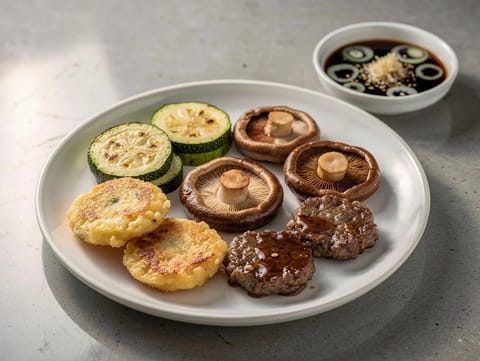
Assorted Korean pan-fried pancakes with a soy vinegar dipping sauce
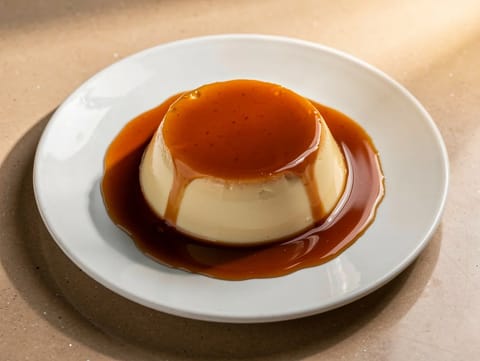
Light vanilla flan baked over caramel and chilled until set
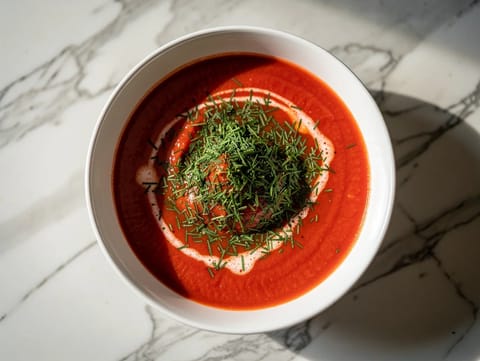
Light tomato soup with carrots, celery, cream and dill
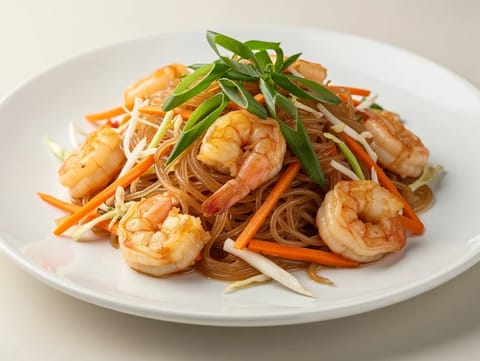
Thai glass noodle stir-fry with prawns, egg and vegetables
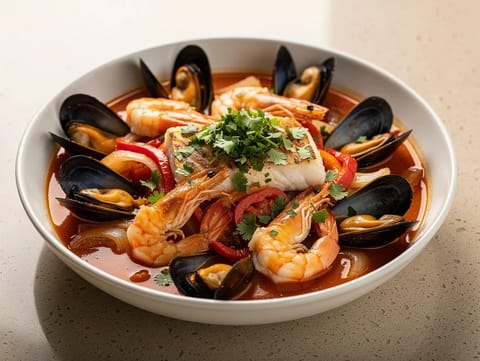
Seafood stew with prawns, fish, mussels and lime
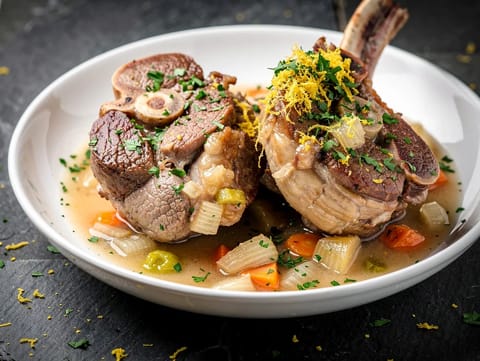
White-braised veal shanks finished with parsley and lemon zest gremolata
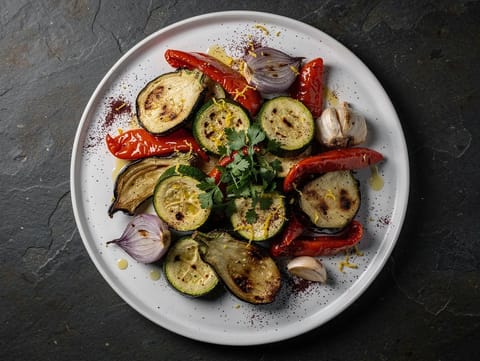
Roasted aubergine, courgette, pepper and onion with sumac
You want headroom. For boiling, leave space for bubbling and foam. For simmering, the liquid should cover ingredients comfortably without sitting right at the rim when you stir.
Usually because it was not stirred in the first minute or two, or the water was not at a strong boil when the pasta went in. A large pot helps, but technique still matters.
Sometimes, but it depends on the pot’s width. Browning needs surface area; if the base is narrow, meat steams. Brown in batches, or use a wide pan and transfer.
A tall pot holds volume in a smaller footprint, but a wider pot is often easier for stirring, reducing, and retrieving food. The best shape depends on whether you need depth, surface area, or both.
Heat may be too high for the thickness of the soup, or stirring is not reaching the base. Lower the heat to a gentle simmer and stir more thoroughly, especially with starchy or creamy soups.
Reach for a large pot when you need stable boiling or a calm simmer with plenty of headroom. If the goal is browning or fast reduction, a wider, shallower pan will usually do the job more efficiently.
