
Paella Valenciana (Spanish Saffron Rice with Chicken and Rabbit)
Paella Valenciana with saffron rice, chicken, rabbit and green beans

A paella pan is defined less by its name than by its shape: wide, shallow and designed to expose a large surface area to heat. That geometry encourages fast evaporation and helps rice cook in a relatively thin layer, which is central to the texture many cooks look for in paella-style dishes. It also changes how you manage heat, stirring and liquid. If you are deciding whether you need one, it helps to understand what the pan makes easier, and what it cannot do as well as deeper cookware.
A paella pan is a broad, shallow metal pan with low sides and two handles, built to sit over a wide heat source. The low sides make it easy for steam to escape, so liquids reduce quickly and flavours concentrate without needing a long simmer. That same shallowness also means it is not a great choice for tasks that rely on depth, such as deep-frying, braising large joints, or building tall layers of food. Many paella pans are relatively thin compared with a sauté pan, so they respond quickly to changes in heat, but can also develop hot spots if the burner is smaller than the base.
Paella Valenciana with saffron rice, chicken, rabbit and green beans
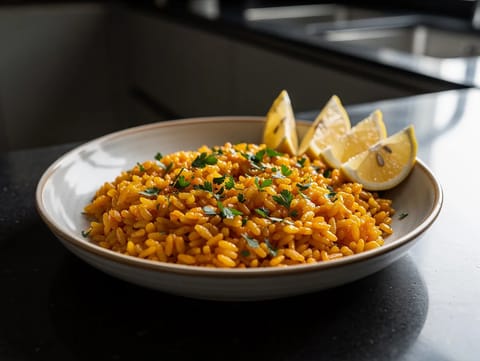
Valencian rice cooked in fish stock with saffron and paprika
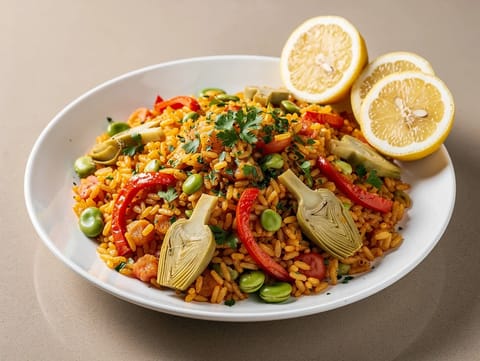
Vegetarian paella with saffron rice, artichokes and broad beans
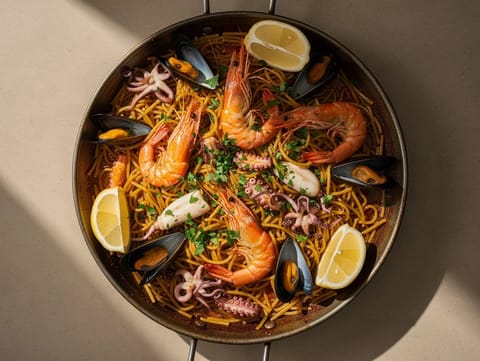
Toasted noodles cooked with seafood in saffron fish stock
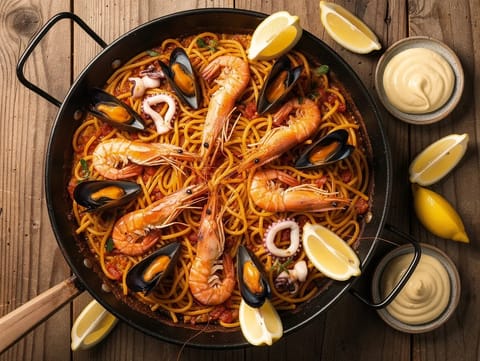
Seafood fideuà with toasted noodles and saffron stock
Paella Valenciana with chicken, rabbit, green beans and saffron-scented rice
The most important fit question is whether your hob or outdoor burner can heat the base evenly. A pan that extends well beyond the flame or induction zone will tend to cook in a ring, leaving the centre underpowered or the edges over-reduced. On a standard hob, a smaller paella pan that matches the burner often behaves better than an oversized one. If you do not have a wide heat source, a large, wide frying pan or sauté pan can be a more predictable substitute, even if the sides are a little higher. In the oven, the same wide shape can be useful for dishes where you want surface browning and evaporation, provided the pan fits comfortably on a rack.
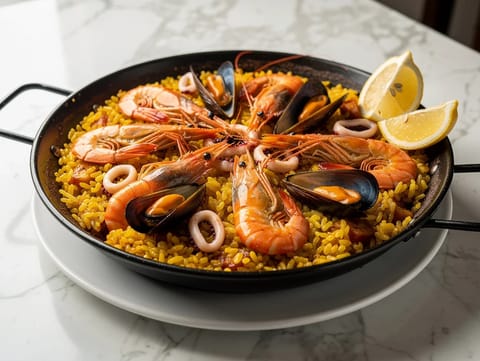
Seafood paella with prawns, mussels and squid
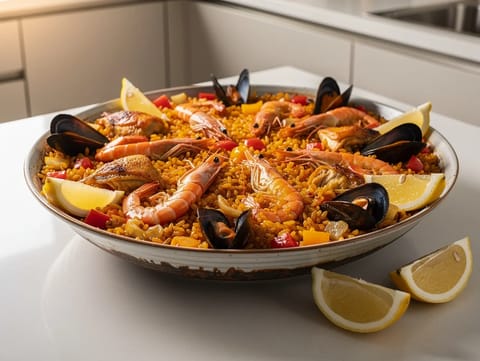
Mixed paella with chicken, prawns, mussels and saffron rice
Valencian rice cooked in fish stock with saffron and paprika
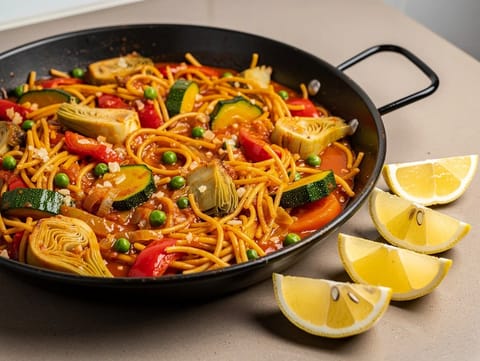
Spanish vegetable fideuà with saffron noodles and tender vegetables
Vegetarian paella with saffron rice, artichokes and broad beans
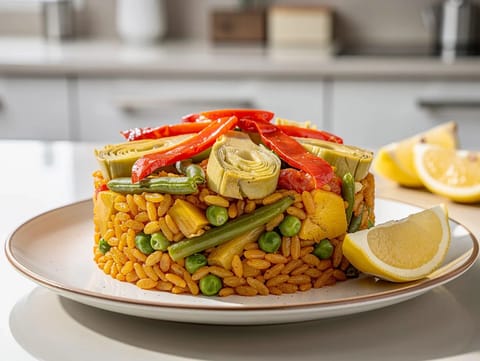
Vegetable paella with saffron rice, artichokes and roasted peppers
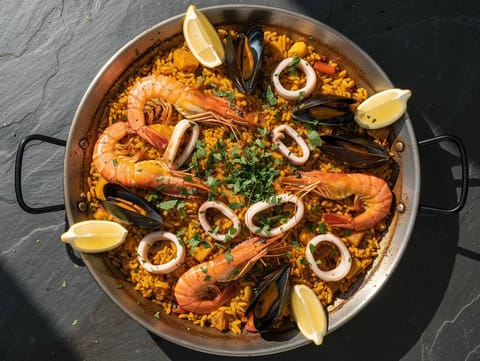
Saffron rice cooked with prawns, mussels and squid
Toasted noodles cooked with seafood in saffron fish stock
Seafood fideuà with toasted noodles and saffron stock
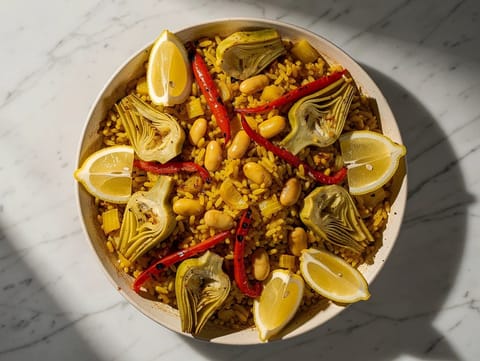
Vegetarian paella with saffron rice, artichokes and butter beans
Spanish-style vegetable paella finished with lemon for a fresh, savoury lift
Shallow pan Spanish rice with browned pork ribs, green beans and stock
Overfilling is the classic problem: when the rice layer is too deep, the top steams while the bottom sticks, and you lose the even, dry finish the pan is built for. Another frequent issue is chasing evenness by stirring late in cooking. Many paella-style methods rely on leaving the rice undisturbed once it has been distributed, so the grains can set and the base can toast. Finally, be cautious with high heat at the start if your pan is thin. It is easy to scorch aromatics before the liquid goes in, especially if the burner creates a hot ring under the outer edge.
Paella-pan recipes often hinge on heat management and when to stir, so browsing by Cooking method can clarify whether a dish is stovetop-led, oven-finished or cooked outdoors. Difficulty is also useful here, because the pan itself is simple, but timing, liquid control and attention can vary widely between recipes.
Cloudberries, oats and skyr blended into a thick breakfast smoothie.
Crisp pastry strudel filled with vanilla quark, lemon and sultanas
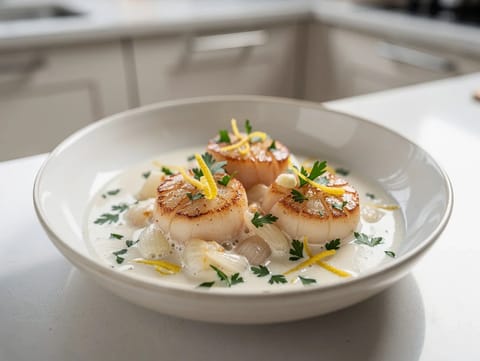
Seared scallops in a white wine and cream sauce
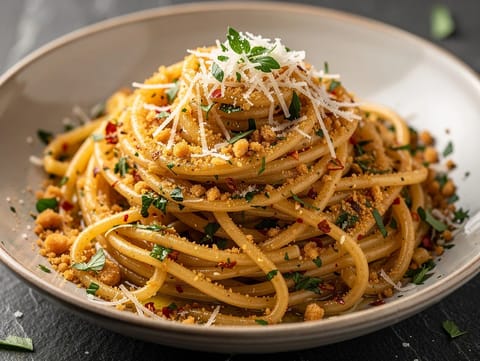
Sicilian spaghetti with garlic, chilli and toasted breadcrumbs
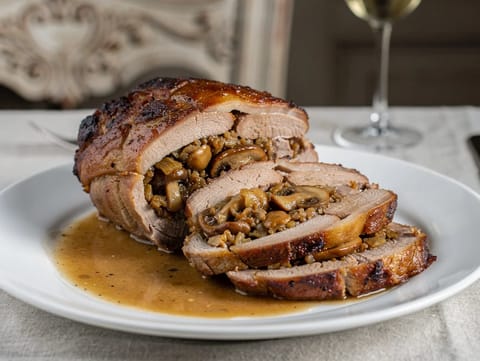
Roast veal layered with mushroom and onion stuffing
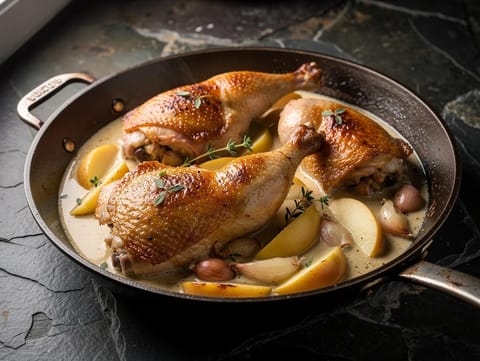
Chicken with Calvados, apples and double cream sauce
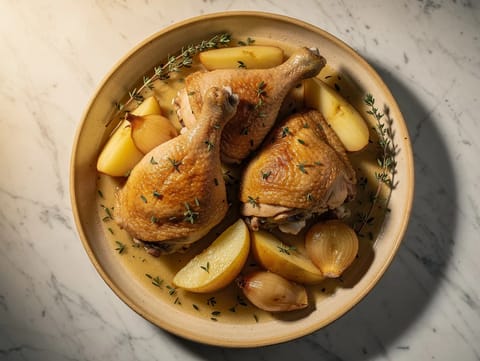
Chicken braised with apples in a cider and cream sauce
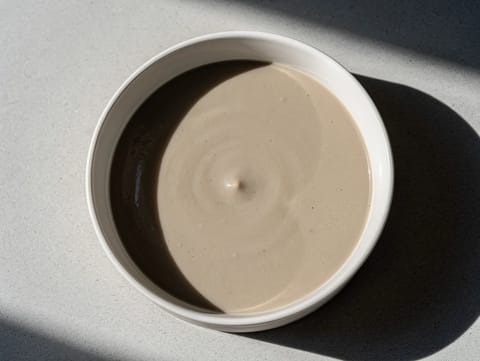
Blended mushroom soup finished with double cream
Not always. The key is a wide cooking surface so the rice sits in a relatively thin layer and liquid can evaporate. A large frying pan or sauté pan can work well if it heats evenly.
Only if the pan is induction-compatible and the induction zone can cover enough of the base. If the heated area is much smaller than the pan, you may get uneven cooking.
Low sides let steam escape and make it easier to reduce stock quickly. They also make it easier to spread ingredients in an even layer without piling up.
It can be, because the wide surface encourages browning and evaporation. Just avoid crowding, and check that the handles and construction are oven-safe.
They do opposite jobs. A wok’s depth concentrates heat and supports tossing; a paella pan spreads food out to promote evaporation and even, shallow cooking.
If your recipe depends on quick reduction and an even, shallow layer of rice, a paella pan makes the workflow straightforward. If your heat source cannot cover the base, choose a wide pan that matches your burner and focus on surface area and even heat rather than the name on the handle.
