
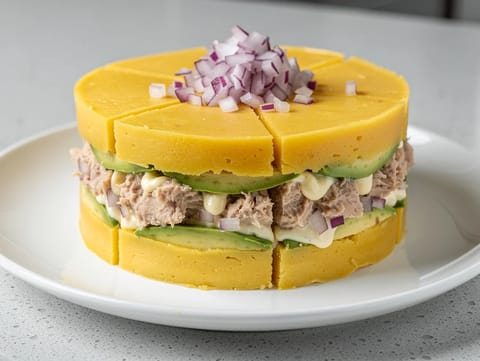
Peruvian Causa Rellena (Chilled Potato Layer Cake)
Chilled Peruvian potato layers filled with tuna, avocado and red onion

Ramekins are small, oven-safe dishes designed for individual portions. They are most useful when a recipe needs even heat around a shallow mixture, or when you want neat portions that can go from oven to table. Because they are small, a few practical details matter more than you might expect: how full you fill them, whether you grease them, and how you manage a water bath. If you do not own ramekins, many recipes can still work with other small ovenproof dishes, as long as you adjust depth and baking time.
A ramekin is typically a straight-sided ceramic (sometimes glass or metal) dish that holds a single serving. The shape is part of the point: straight sides help mixtures rise evenly and make unmoulding more predictable for set desserts. Compared with a mug or teacup, a ramekin is usually wider and shallower, which changes how quickly the centre heats. Many recipes assume several identical dishes so everything cooks at the same pace, especially for baked custards, soufflés and individual gratins.
Chilled Peruvian potato layers filled with tuna, avocado and red onion
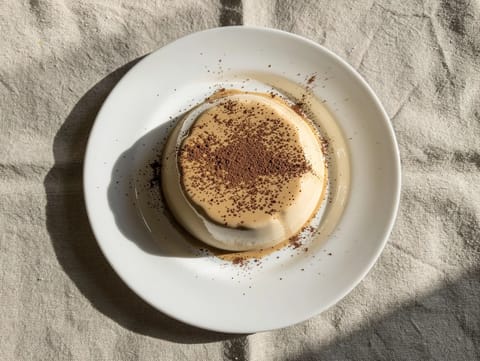
Silky espresso panna cotta finished with a dusting of cocoa
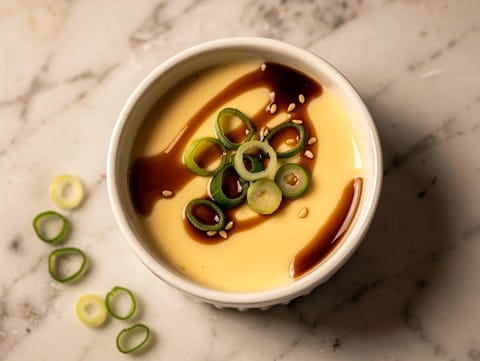
Silky steamed egg custard with soy sauce, sesame oil and spring onion
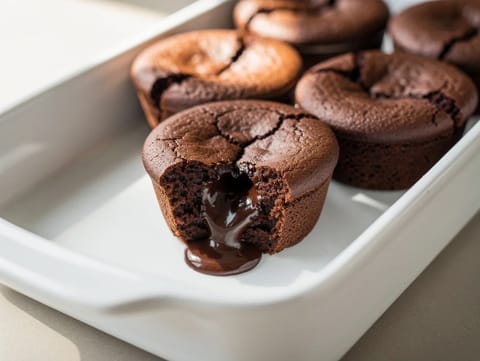
Warm chocolate cakes with a molten centre
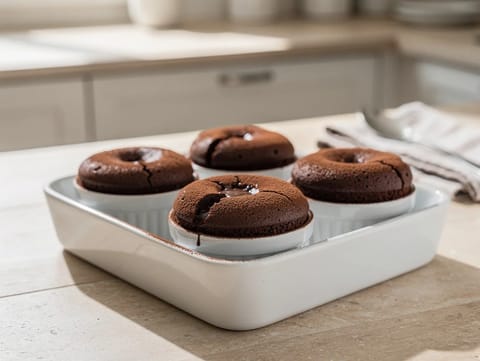
Individual chocolate cakes with a molten centre.
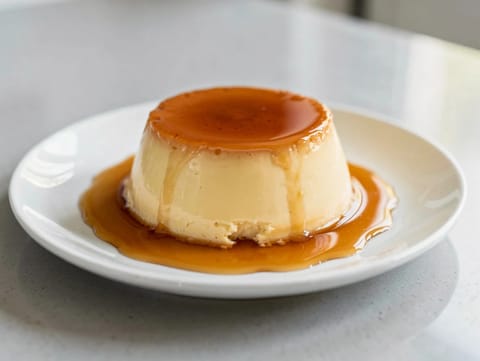
Silky vanilla custard turned out with caramel sauce
Overfilling is the classic problem. Leave headroom for expansion, particularly with soufflé-style mixtures, or you risk spillover and a stuck rim. Another frequent issue is uneven baking when ramekins are different sizes or materials; ceramic and glass hold heat differently, so start checking the smaller or thinner ones first. For custards, a too-hot oven can cause curdling or a bubbly texture; gentler heat, often with a water bath, helps the custard set smoothly. Finally, unmoulded desserts depend on thorough greasing and, where specified, a light coating of sugar or crumbs to create a release layer.
Silky vanilla baked custard set over caramel, chilled then turned out.
Vanilla-infused custard folded with whipped double cream, then chilled until set
Chilled milk gelatine sweetened with condensed milk and topped with fruit
Glossy Brazilian quindim custards with coconut, baked gently in caramel-lined moulds
Italian-style set custard flavoured with lemon and cinnamon, finished with caramelised sugar
Air-fryer eggs in ramekins served with crisp streaky bacon and toast.
Chocolate pudding thickened with cornflour, served warm or chilled until set.
Dark chocolate lava cakes baked until set outside and molten inside
Light mascarpone and whipped cream mousse chilled and finished with mixed berries
Light French chocolate soufflé made with whipped egg whites and dark chocolate
Potted prawns warmed with lemon and mace in brown butter, served with toast
Baked double cream custard, chilled then finished with a brittle caramelised sugar crust
Look for small, oven-safe dishes with a similar diameter to the ramekin size the recipe expects. A shallow baking dish, small gratin dish, metal pudding mould or heatproof glass bowl can all stand in, but depth matters: a deeper vessel slows cooking and can leave the centre underdone while the edges overcook. If you are using mugs or teacups, check they are oven-safe and avoid sudden temperature changes. When a recipe relies on straight sides for a rise or for unmoulding, a looser-shaped substitute may still taste right but look different, so plan to serve it in the dish instead.
Ramekin recipes often hinge on technique as much as equipment. Browsing by Cooking method helps you compare baked custards, water-bath baking and quick oven gratins. Difficulty is also useful here, because the same dish can range from straightforward spoon-and-bake to timing-sensitive soufflés and set desserts.
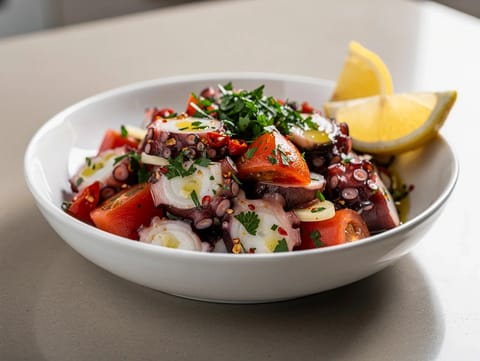
Tender octopus salad with tomatoes, garlic, chilli and parsley
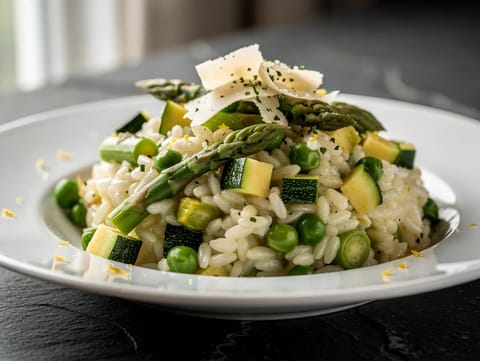
Creamy risotto with asparagus, peas, courgette and Parmesan
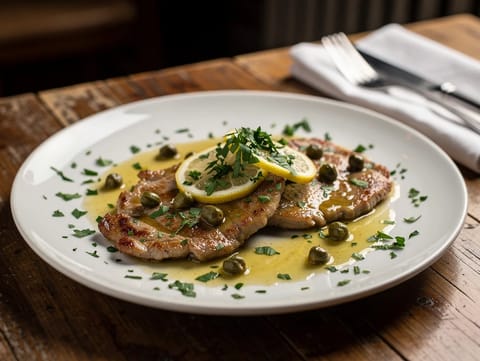
Veal escalopes in a lemon, caper and butter sauce
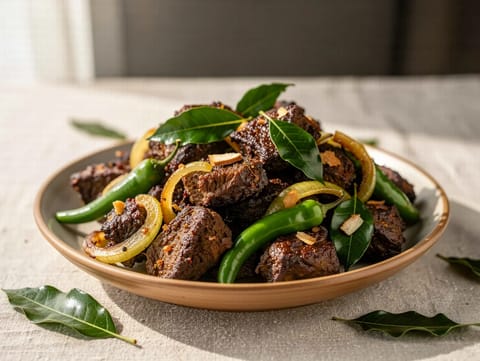
Dry Kerala beef fry with curry leaves and coconut
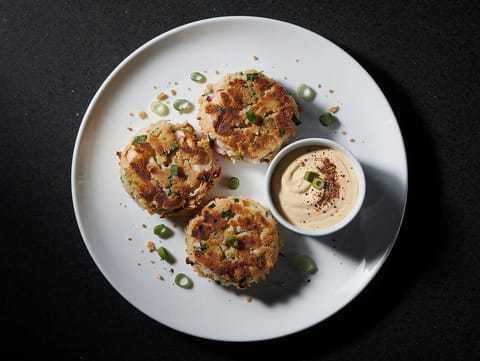
Crisp pan-fried crab cakes with lemony Old Bay aioli
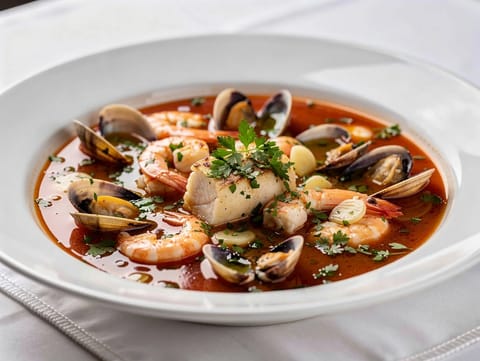
Venetian fish soup with mixed seafood in tomato and white wine
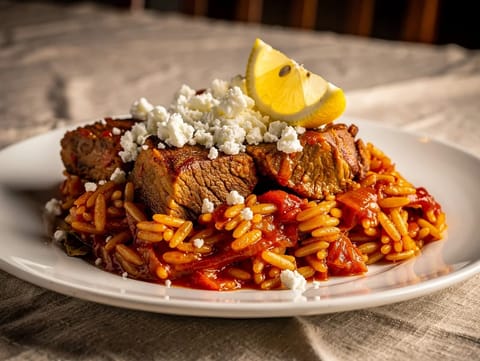
Lamb and orzo baked in tomato sauce with feta and lemon
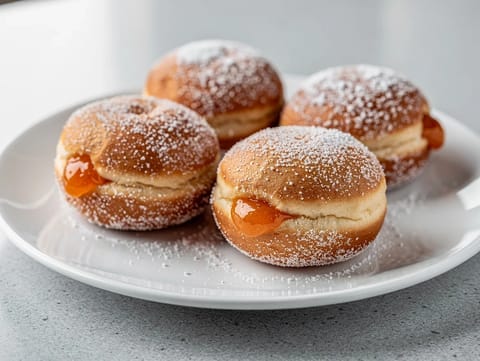
Yeast doughnuts filled with apricot jam and sugar
Not always. Ceramic is common because it heats gently and looks tidy on the table, but many recipes work in oven-safe glass or metal. What matters is oven-safety and the dish’s size and thickness, which affect cooking time.
Matching dishes cook at the same rate. If one ramekin is wider or thinner than another, it will set sooner, which is most noticeable with custards and other mixtures that can overcook at the edges.
Often, yes, but the cooking time and texture will change. A larger dish is deeper and takes longer to heat through, so the centre sets later and the edges may firm up more.
A water bath buffers the heat, keeping the sides from getting too hot too quickly. That gentler heat helps custards and similar mixtures set smoothly rather than curdle or turn grainy.
It depends on the recipe, but leaving some headroom is a safe default. Mixtures that rise, puff or bubble need space, and even custards benefit from avoiding a brim-full fill that slops when moved.
With ceramic and glass, sudden temperature changes can cause cracking. Many cooks avoid extremes by bringing dishes closer to room temperature and placing them on a preheated tray rather than directly on a hot surface.
When a recipe specifies ramekins, it is usually signalling portion size and heat control. Match the dish’s shape as closely as you can, then use visual cues, a gentle oven and careful filling to keep results consistent.
