
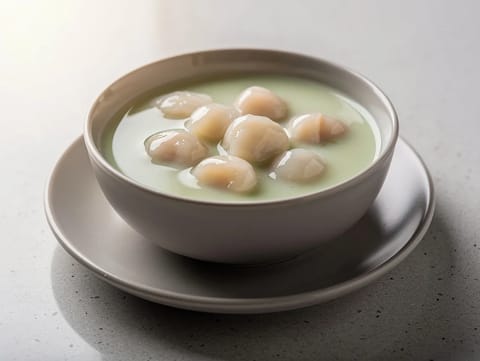
Bua Loy (Sweet Rice Dumplings in Coconut Milk)
Thai rice dumplings served in warm pandan coconut milk

A slotted spoon is for moving food out of liquid while leaving most of the liquid behind. That sounds minor, but it changes the rhythm of cooking: you can lift dumplings, blanched vegetables or fried items in one motion, pause to drain, then transfer without flooding a bowl or tearing delicate pieces. Recipes that specify a slotted spoon usually involve simmering, poaching, blanching or shallow frying, where control and gentle handling matter as much as speed.
The defining feature is drainage. Slots let water, stock or oil run back into the pot while the food stays supported. That makes it useful for foods that are tender, slippery or small enough to escape tongs. It is not the same as a spider strainer, which has finer mesh and catches smaller bits, and it is not a ladle, which is designed to carry liquid. A slotted spoon also won’t replace a colander when you need to drain a whole pot quickly, or when you want to shake off water thoroughly.
Thai rice dumplings served in warm pandan coconut milk
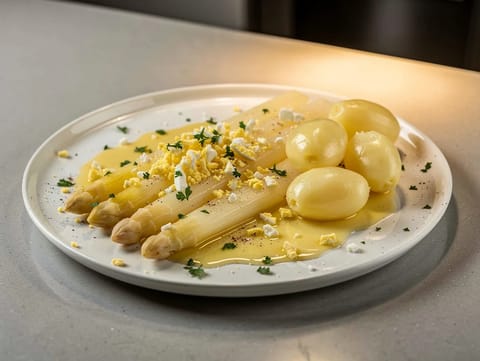
White asparagus with melted butter, chopped eggs and parsley
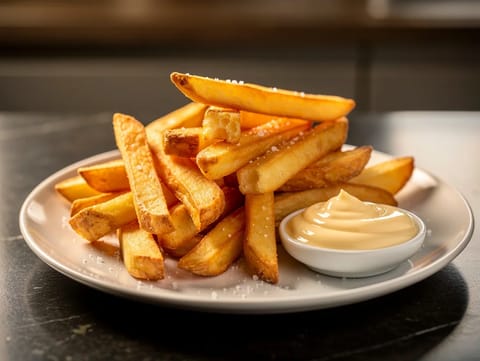
Double-fried Belgian chips served with mayonnaise
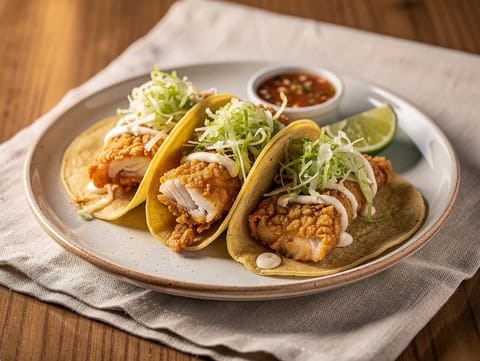
Crispy battered fish tacos with lime crema
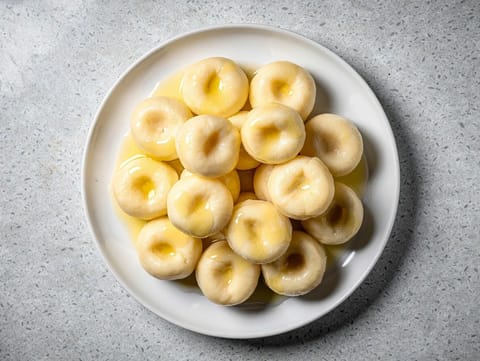
Soft Silesian potato dumplings simmered until tender
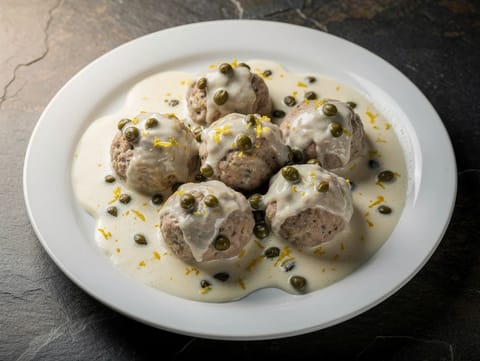
Poached meatballs in creamy caper sauce with lemon
A slotted spoon shines when you’re lifting items one batch at a time: boiled eggs, poached fish pieces, gnocchi, dumplings, vegetables blanched for salads, or fried croquettes and fritters. Choose a spoon bowl that matches the job: wider for scooping several pieces, smaller for precision.
If you don’t have one, a fish slice can lift larger items from shallow liquid, and tongs work for sturdy pieces. For small or fragile foods, a spider strainer is often the closest substitute. A regular spoon works in a pinch, but expect more liquid to come along for the ride.
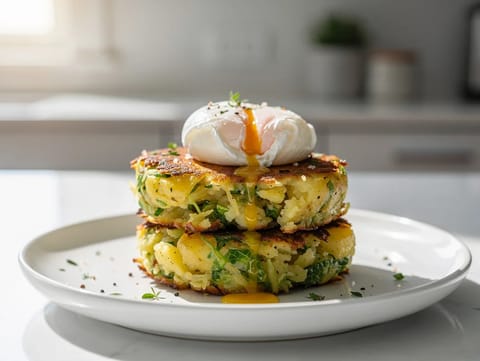
Crisp potato and cabbage cakes topped with poached egg
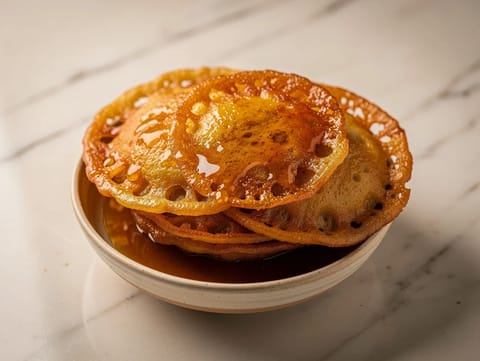
Fried pancakes dipped in cardamom syrup
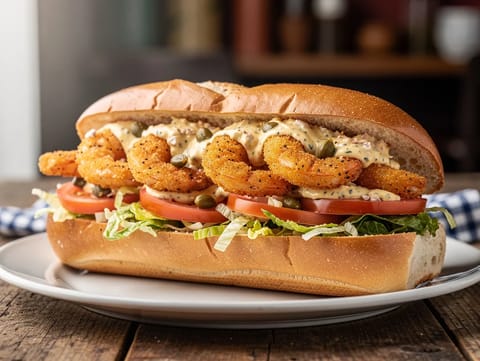
Fried cornmeal prawns in a baguette with tangy remoulade
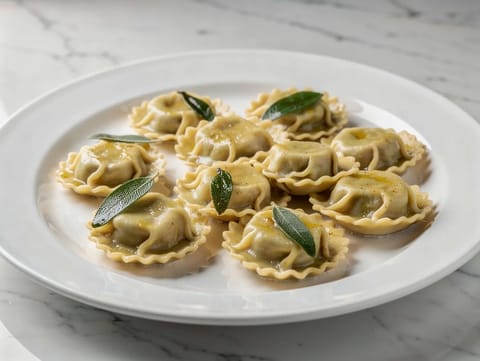
Stuffed pasta with pork, spinach, brown butter and sage
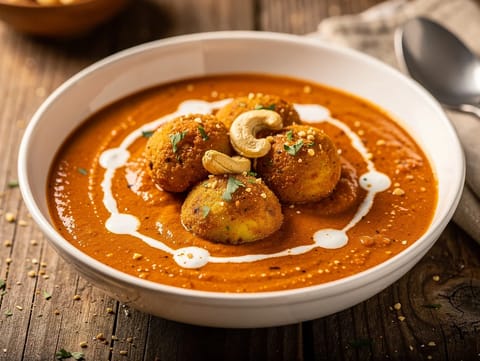
Paneer and potato kofta in creamy tomato and cashew sauce
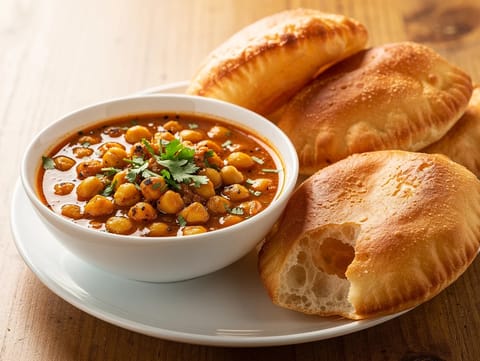
Spiced chickpea curry served with puffed fried bhature
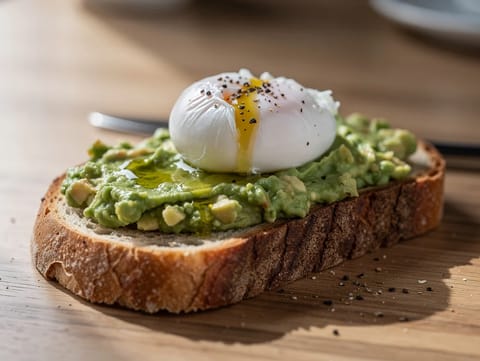
Sourdough avocado toast topped with a softly poached egg
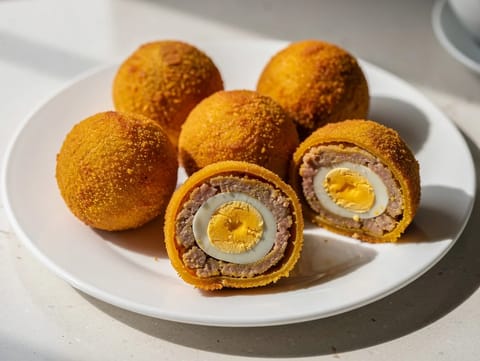
Boiled eggs wrapped in pork, breadcrumbed and fried
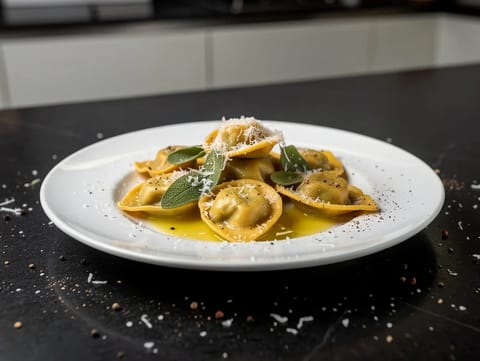
Stuffed agnolotti tossed in butter, sage and Parmesan
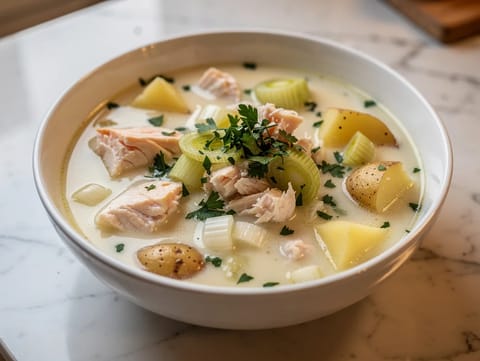
Creamy smoked haddock chowder with leeks and potatoes
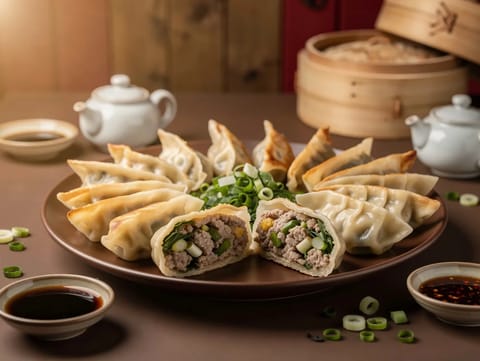
Boiled pork and chive jiaozi with soy and black vinegar
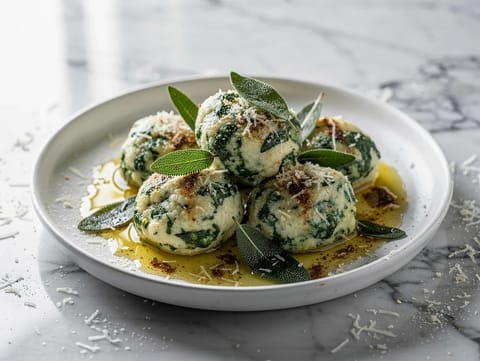
Soft spinach and ricotta gnudi finished with butter and sage
The most common issue is using a slotted spoon where the slots are too wide for the food. Peas, small pasta shapes and finely chopped ingredients can slip through, turning a simple lift into a chase around the pot.
Another is scooping too aggressively. With poached or simmered foods, slide the spoon underneath and lift slowly so the surface doesn’t break.
Finally, remember that drainage takes a moment. Hold the spoon over the pot briefly before transferring, especially with hot oil, to avoid splashes and greasy puddles on the counter.
Cooking method is a helpful next step because a slotted spoon turns up most often in simmering, poaching, blanching and frying. Difficulty can also guide you: the tool itself is simple, but some methods reward a lighter touch and closer attention when lifting delicate foods from hot liquid.
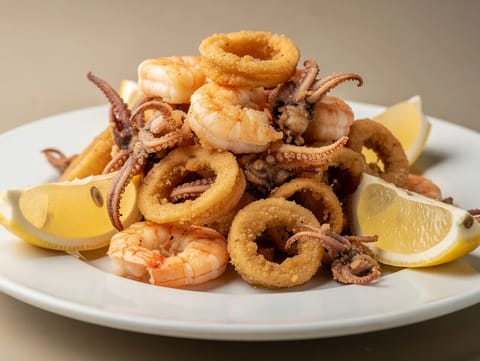
Crisp fried squid and prawns with lemon
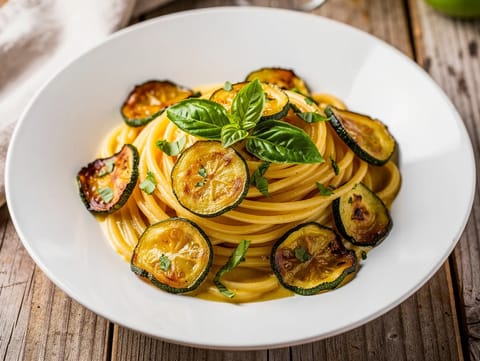
Spaghetti with fried courgettes and melted cheese
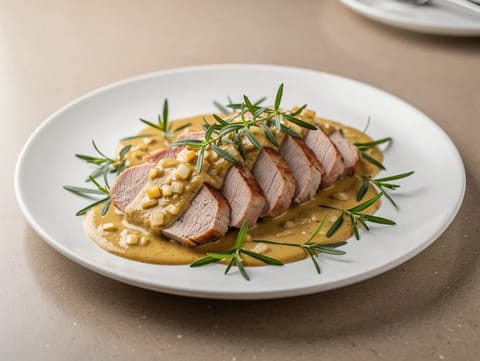
Seared pork tenderloin with Dijon and tarragon cream sauce
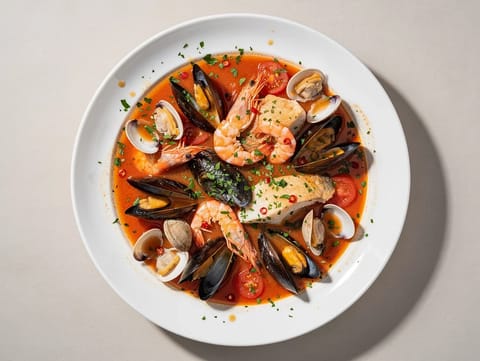
Tomato and white wine fish soup with mixed seafood
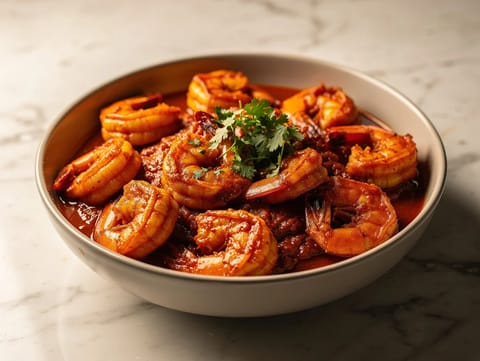
Tangy Goan-style prawn curry with vinegar and chilli
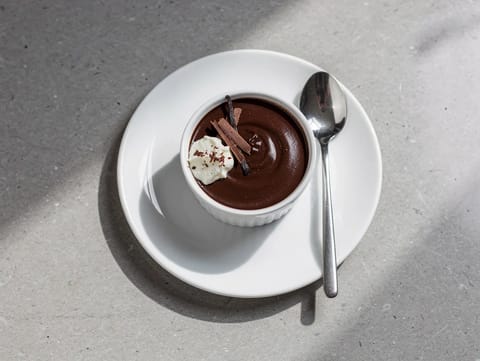
Chilled French chocolate custards baked in a bain-marie
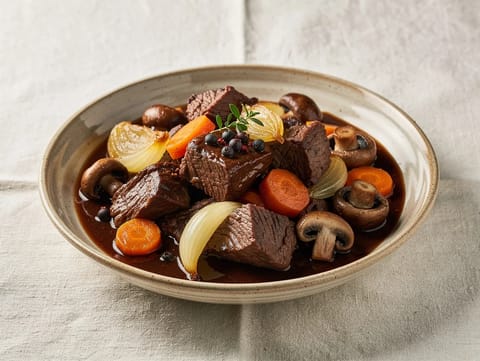
Venison casserole with red wine, juniper, carrots and mushrooms
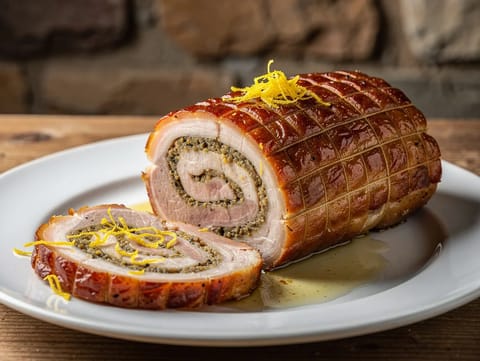
Italian rolled pork roast with fennel, rosemary and lemon
Not quite. A slotted spoon has cut-out slots in a solid bowl, while a spider strainer is a wire mesh basket. The spider usually drains faster and catches smaller pieces.
For large shapes or when you’re transferring pasta directly into sauce, yes. For draining a whole pot, a colander is more efficient, and for very small shapes the pasta may slip through the slots.
A slotted spoon supports food from underneath, which is gentler for delicate items and more reliable for small pieces that tongs can’t grip.
Heat resistance matters more than the material label. Many metal spoons are suitable for hot oil; some plastics are not. If you’re unsure, use a heat-safe utensil designed for frying.
It’s often a combination of tenderness and speed. Slide the spoon under fully, lift slowly, and let excess liquid drain before moving to the plate.
It can, especially for larger bubbles, but a fine-mesh skimmer is better when you want to remove smaller particles without taking too much liquid.
When a recipe involves hot liquid and delicate pieces, a slotted spoon keeps transfers tidy and controlled. If you’re choosing between tools, think about the size and fragility of what you’re lifting, and whether you need quick drainage or a finer catch.
