

Ayran (Turkish Yoghurt Drink)
Chilled Turkish yoghurt drink whisked with water and salt

Light and fresh is a flavour profile built on clarity: bright acidity, clean aromatics and textures that don’t linger heavily on the palate. It often comes from citrus, herbs, crisp vegetables, yoghurt-style sauces, seafood, and broths, but the feeling is as much about balance as ingredients. Choose this profile when you want food that tastes vivid and lifted, with a clear finish rather than deep caramel notes or a creamy coating.
Freshness in cooking is usually driven by acid and aroma. Citrus juice, vinegar, tomatoes and fermented dairy can make flavours taste sharper and more defined. Fresh herbs, ginger, spring onions and citrus zest add top notes that read as “clean” and immediate.
Lightness is often about texture and fat level, but it is not the same as “no fat”. A small amount of good oil can make a salad dressing taste more rounded, and yoghurt can feel fresh even though it is creamy. What tends to make a dish feel less light is heaviness of texture: thick sauces, lots of melted cheese, or long-cooked flavours that dominate the finish.
Many light and fresh recipes also rely on last-minute finishing touches, because those flavours fade fastest.
Chilled Turkish yoghurt drink whisked with water and salt
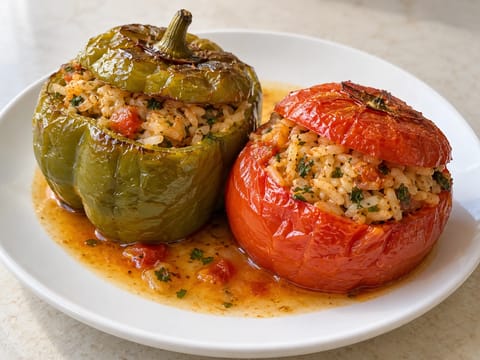
Peppers and tomatoes stuffed with herby rice and baked

Tender Italian ring cake with olive oil and icing sugar
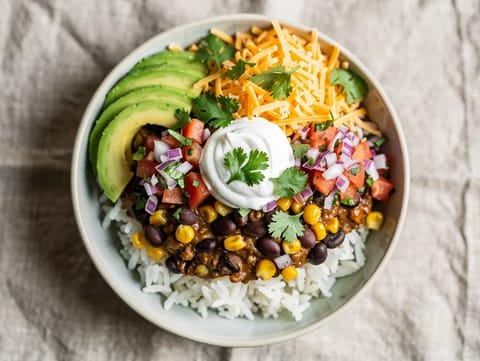
Lime rice burrito bowl with black beans, salsa and avocado
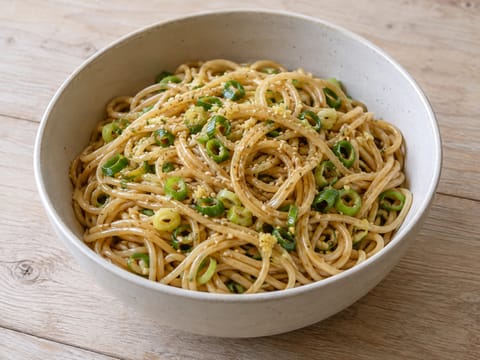
Wheat noodles with ginger spring onion oil and soy
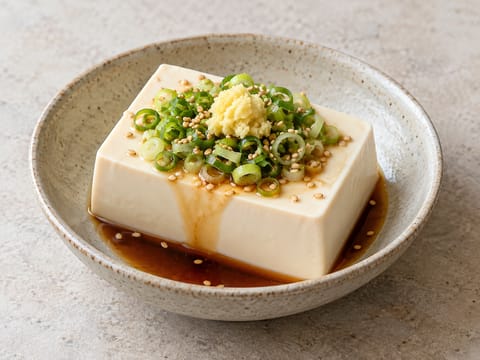
Chilled silken tofu with soy sauce, spring onion and ginger
This flavour profile often shows up in dishes where ingredients stay distinct: salads with crisp vegetables, grain bowls with a sharp dressing, or quick-cooked foods finished with herbs and citrus. Brothy soups and noodle dishes can also taste light and fresh when the broth is clear and the aromatics are added with a gentle hand.
You’ll also see light-and-fresh flavours in sauces that are tangy rather than rich, such as yoghurt-based dressings, herb-forward salsas, or citrusy vinaigrettes. In sweet cooking, the same idea can mean fruit-led desserts, chilled puddings, or bakes that lean on zest and berries rather than caramel and spice.
Across these formats, the practical thread is that seasoning and finishing matter as much as cooking.
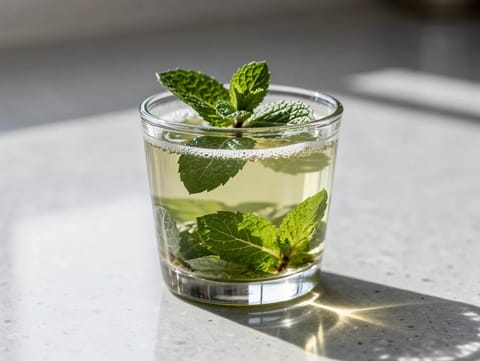
Green tea steeped with fresh mint and sugar, served hot
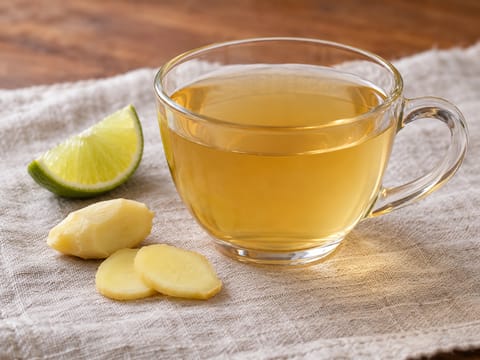
Hot ginger tea sweetened with sugar and finished with lime
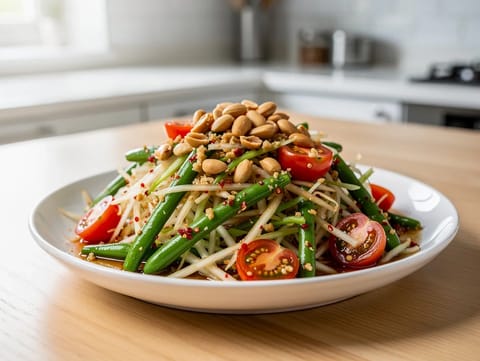
Som tam Thai green papaya salad with roasted peanuts
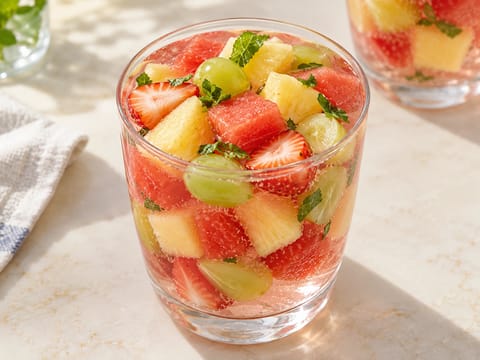
Chilled Korean fruit punch with sparkling water and fresh fruit
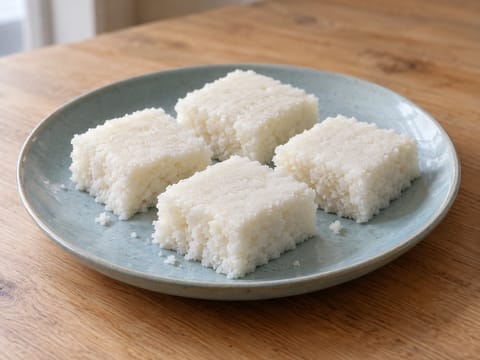
Korean steamed white rice cake, lightly sweetened and tender
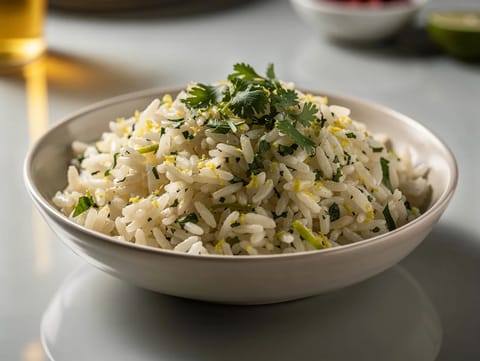
Fluffy lime and coriander rice finished with olive oil
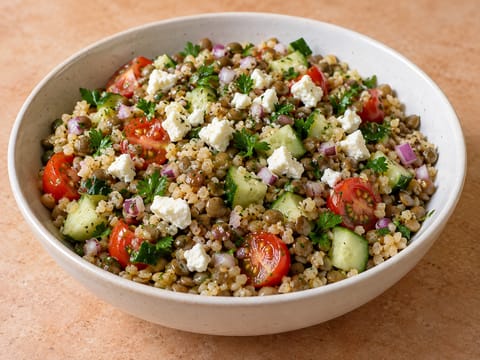
Lentil and bulgur bowl with lemon dressing and feta
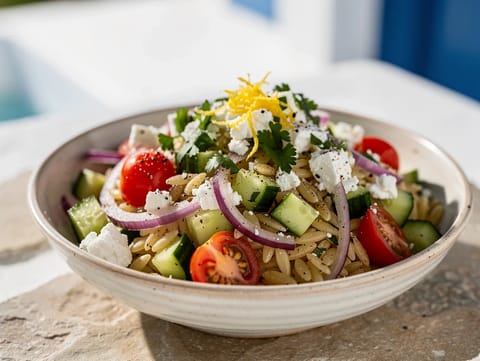
Lemon orzo salad with feta, cucumber, tomatoes and parsley
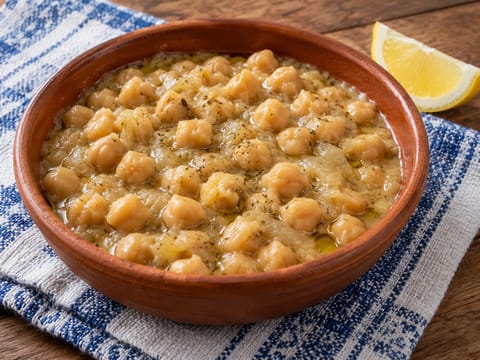
Slow-baked Greek chickpeas with bay and oregano
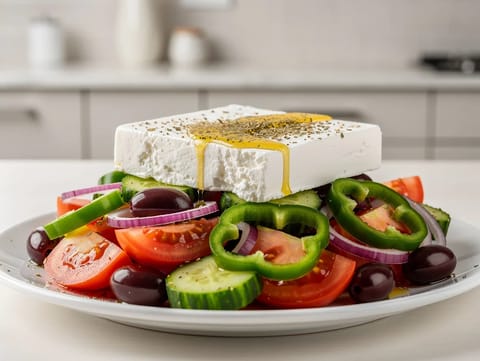
Greek salad with feta, olives, tomato and cucumber
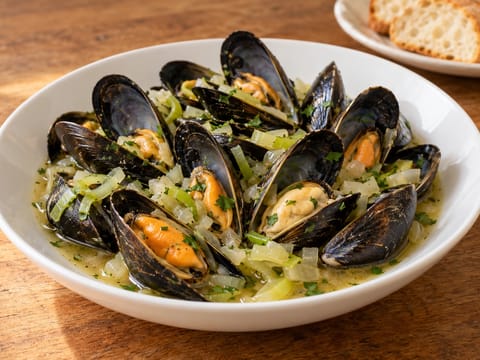
Mussels steamed with white wine, leeks and celery
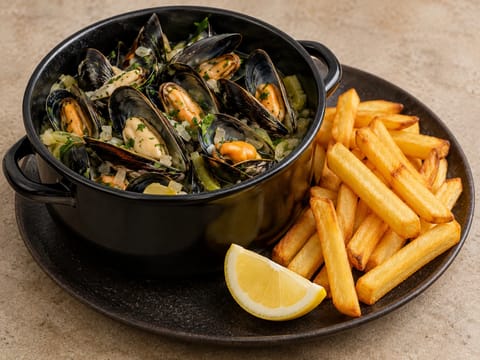
Mussels steamed in white wine, served with crisp chips
Light, fresh dishes pair well with ingredients that add snap, salinity or gentle heat. Crunchy vegetables, toasted nuts and seeds, and crisp toppings keep the texture lively. Salty elements such as olives, capers, anchovies or aged cheese can sharpen the overall flavour, but they usually work best in small amounts so they don’t overwhelm the freshness.
Chilli, pepper and ginger add energy without making a dish feel heavy. Sweetness is useful too, particularly with sharp dressings: a little honey, ripe fruit or sweet vegetables can round out acidity.
If a dish meant to taste light and fresh seems flat, it is often missing one of three things: enough salt, enough acid, or a fresh aromatic added at the end.
Ingredient browsing is a practical way to build a light, fresh plate, especially if you’re choosing between citrus, herbs, yoghurt, crisp vegetables or seafood. Dish browsing helps when you know the format you want, such as a salad, a broth-based soup, a quick stir-fry, or a fruit-led dessert.

Crisp chicken flautas served with avocado and lime guacamole

Braised chicken with saffron rice and toasted almonds

Saucy minced beef filling piled into toasted brioche buns

Red chilli chicken enchiladas topped with crema and queso fresco
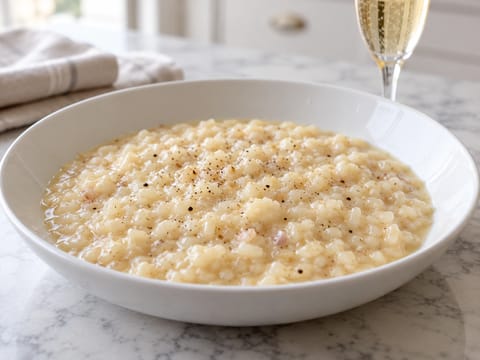
Creamy Champagne risotto finished with Parmesan
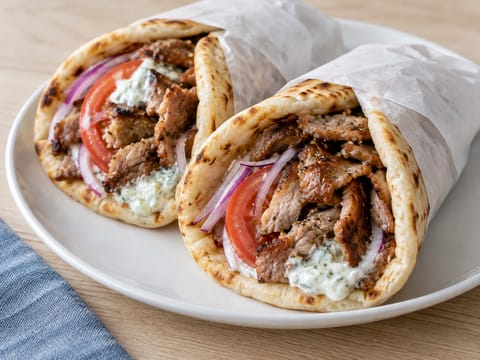
Greek pork pita filled with tomato, red onion and tzatziki
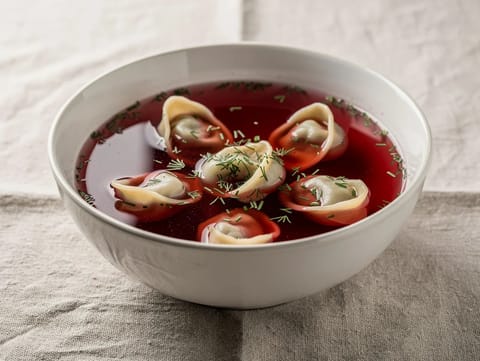
Clear beetroot soup served with mushroom-filled uszka dumplings
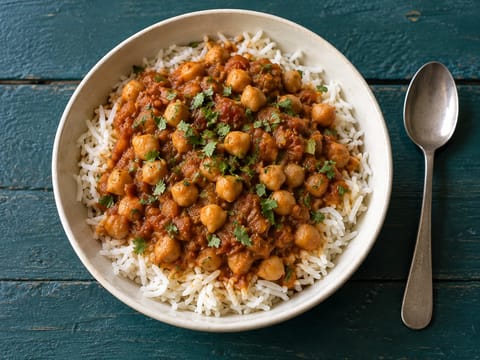
Chana masala-style chickpeas served over basmati rice
Not necessarily. Lightness is about how a dish eats, including texture and finish. Some recipes use a little oil or yoghurt and still taste fresh because acidity and aromatics keep flavours clear.
Often it’s a finishing note: a squeeze of citrus, a splash of vinegar, fresh herbs, or zest. These add top notes that read immediately on the palate.
Commonly they need more salt, more acid, or a stronger aromatic. Crispness matters too: watery vegetables or overdressed leaves can mute flavour.
Yes. Quick cooking, clear broths, and last-minute herbs or citrus can keep warm dishes tasting lifted rather than heavy.
Use fat and salt first, then add sweetness only if needed. Olive oil, yoghurt, nuts, and well-seasoned ingredients can round acidity without turning the dish sugary.
Light and fresh cooking is about keeping flavours distinct and the finish clean. Choose recipes with a bright element, add aromatics late, and use texture to keep each bite feeling crisp and awake.
