
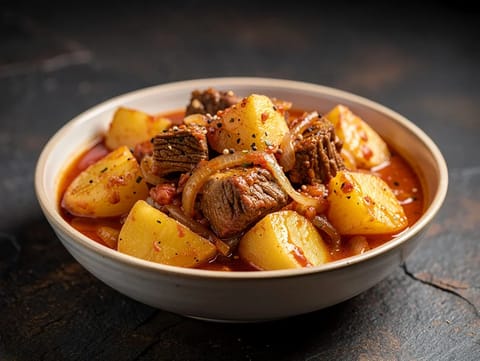
Yakhnet Batata (Lebanese Potato and Lamb Stew)
Lebanese lamb and potato stew in a tomato sauce

Braising is slow, covered cooking with a small amount of liquid. It is the method behind fork-tender meat, silky onions and sauces that taste as though they have had time to settle. The key is gentle heat: you want the liquid barely bubbling so the food cooks through without being battered.
These recipes often suit cuts and vegetables that need time, and they reward a pot that holds steady heat and a lid that fits well.
A braise typically starts with larger pieces cooked partly above the liquid line, with steam and gentle simmering doing the work under a lid. A stew usually has smaller pieces fully submerged and more overall liquid. In practice, many home-cooked dishes sit between the two, but the distinction helps when you are choosing a recipe: braises often aim for sliceable or spoon-tender pieces and a sauce that reduces to a glaze-like consistency.
Because the pot is covered, braising is less about rapid evaporation and more about controlled temperature and time. If the heat is too high, the liquid boils hard, proteins tighten and the sauce can turn cloudy from agitation.
Lebanese lamb and potato stew in a tomato sauce
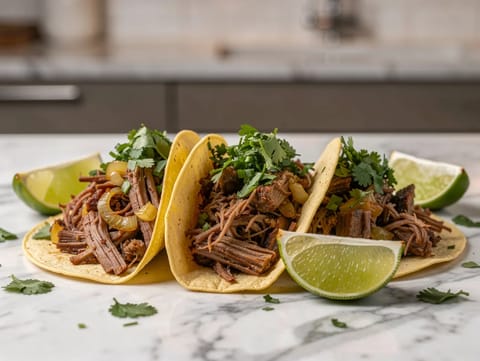
Slow-cooked beef tacos with onion, coriander and lime
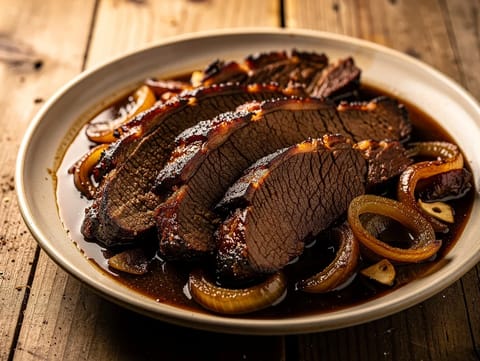
Venezuelan braised beef in a dark coffee and onion sauce
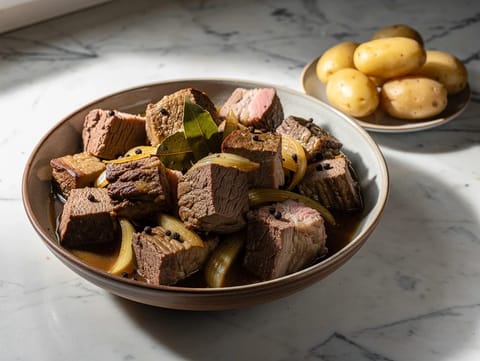
Finnish beef and pork hot pot with onions and bay
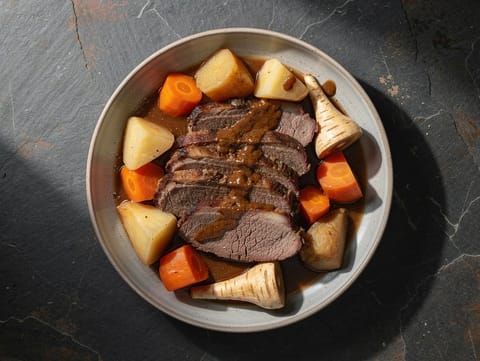
Braised brisket with red wine and root vegetables
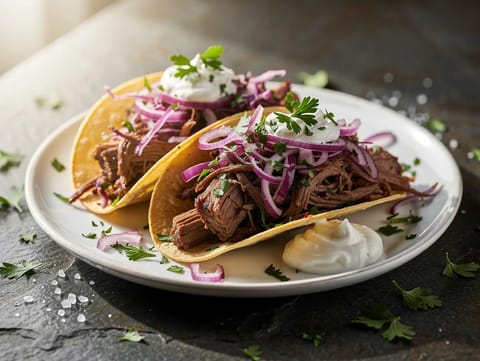
Shredded beef tacos with braised spices, red cabbage and sour cream
A heavy, lidded casserole (Dutch oven) is the classic braising pot because it holds heat evenly and can go from hob to oven. The oven is often used for braising because it surrounds the pot with steady heat, reducing hot spots that can catch on the base.
You can braise in a deep sauté pan with a tight lid for smaller quantities, or in a roasting tin tightly covered with foil for larger, flatter braises. Whatever you use, the important features are enough depth to hold liquid without boiling over, and a lid or cover that limits evaporation so the braise stays moist while it tenderises.
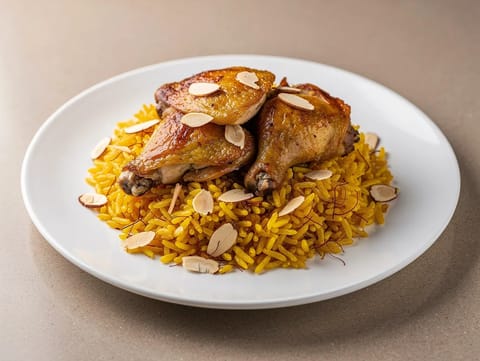
Braised chicken with saffron rice and toasted almonds
Slow-cooked beef tacos with onion, coriander and lime
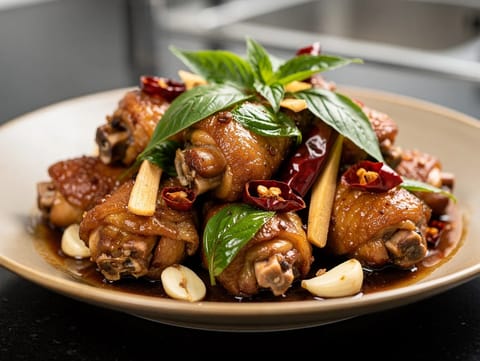
Three-cup chicken with basil, soy sauce and sesame oil
Finnish beef and pork hot pot with onions and bay
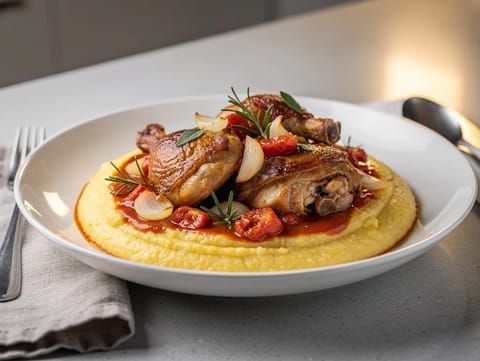
Chicken cacciatore served with buttery Parmesan polenta
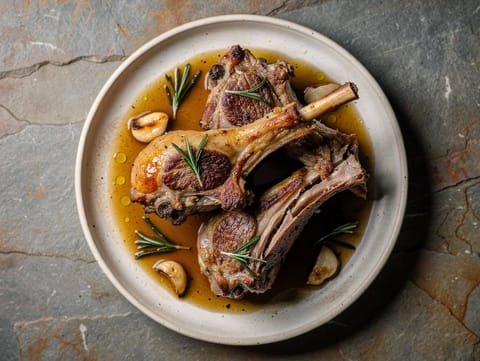
Roman-style braised lamb with rosemary, white wine and lemon
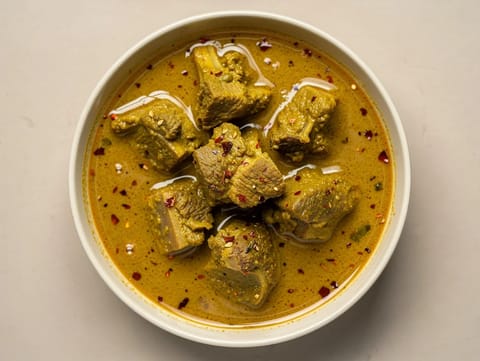
Indonesian lamb curry simmered in coconut milk with spices
Venezuelan braised beef in a dark coffee and onion sauce
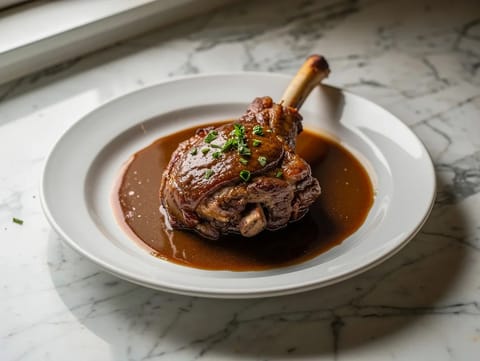
Slow-braised lamb shanks with rich minted gravy
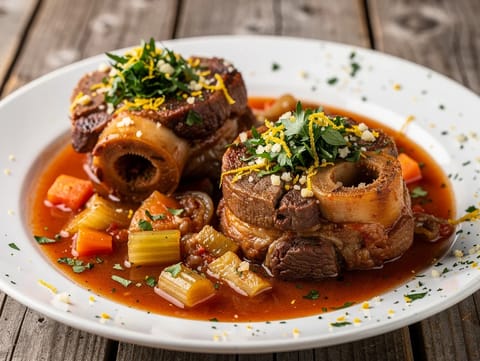
Veal shanks braised with tomatoes, white wine and gremolata
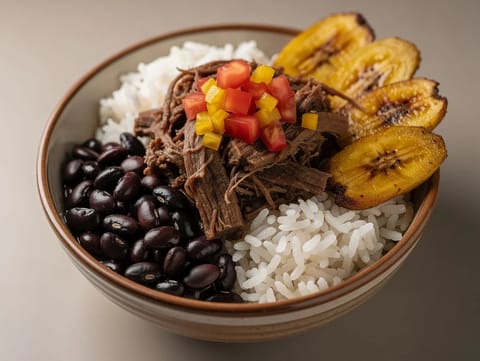
Shredded beef bowl with rice, black beans and fried plantain
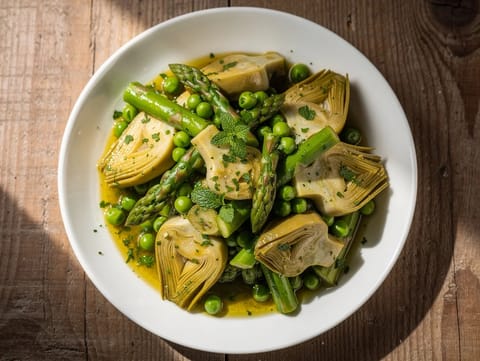
Spanish braised spring vegetables with mint and lemon
A hard boil is the most common problem. It can leave meat tough at the edges and shred rather than slice, and it can break vegetables down too far. Aim for a gentle simmer and adjust heat as needed. Another issue is too much liquid: braises are meant to cook in a shallow bath, so the sauce can concentrate. If the pot is flooded, the result is closer to boiled meat in broth.
Finally, rushing the reduction at the end can make a sauce taste sharp or salty. Many braises benefit from a short uncovered simmer to thicken, but only after the main cooking is complete.
For meat braises, recipes often suit cuts with connective tissue that soften with time, such as shoulder, shank or short rib-style pieces. These are good choices when you want a dish that can hold at a gentle heat without constant stirring. For vegetable braises, look for recipes that use sturdy vegetables that keep their shape, or that deliberately cook down into a sauce.
If you want a clearer, lighter sauce, choose recipes that use a modest amount of liquid and rely on aromatics and reduction. If you want a richer, darker finish, look for recipes that include a browning step before the liquid goes in, because those browned bits dissolve into the braising liquid as it cooks.
Cooking time is a practical companion to braising, because the method is defined by gentle heat over longer periods, plus resting time that often improves texture. Equipment is equally important: the size and material of your pot, and whether it can go in the oven, will shape which braises are most straightforward to cook.
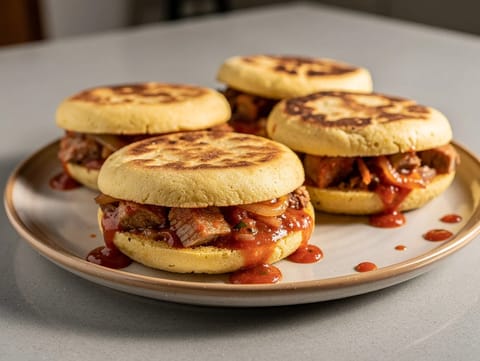
Griddled gorditas filled with chicharrón in tomato chilli sauce
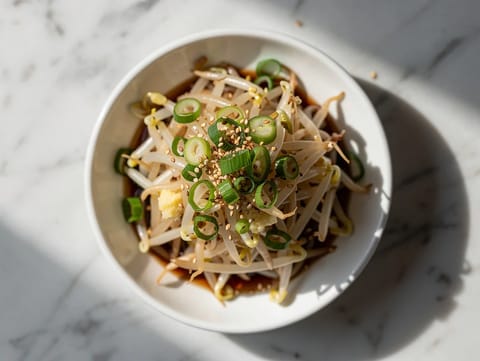
Blanched soybean sprouts tossed with soy sauce and sesame
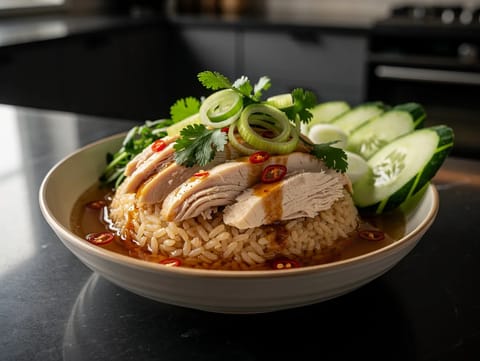
Chicken rice with cucumber, herbs and fish sauce dressing
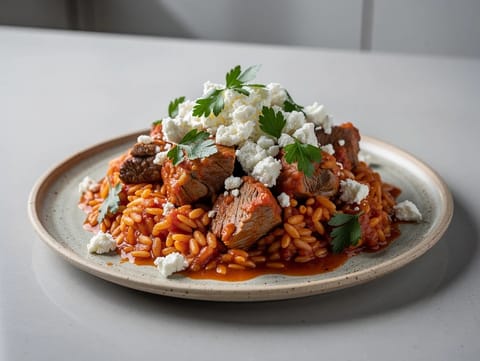
Greek lamb yiouvetsi with orzo in tomato and red wine
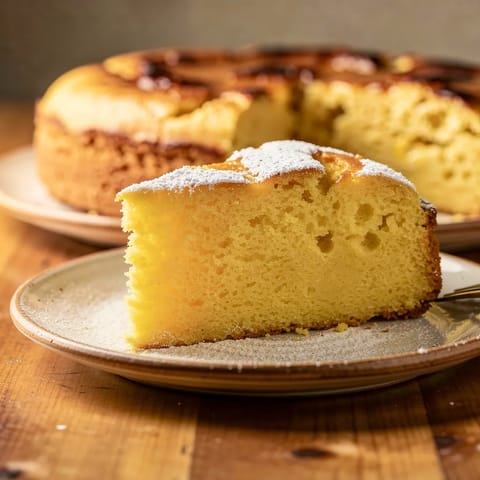
Mexican corn cake made with sweetcorn
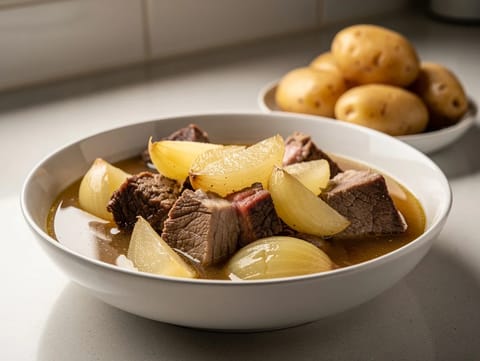
Slow-cooked beef and pork stew with allspice
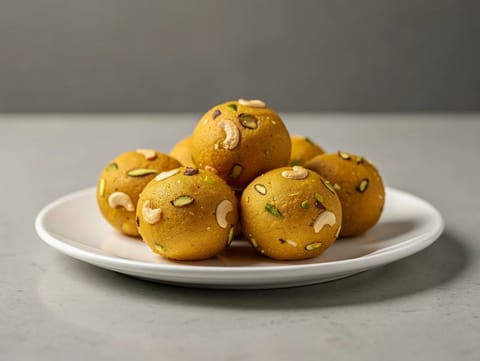
Roasted chickpea flour sweet balls with ghee and cardamom
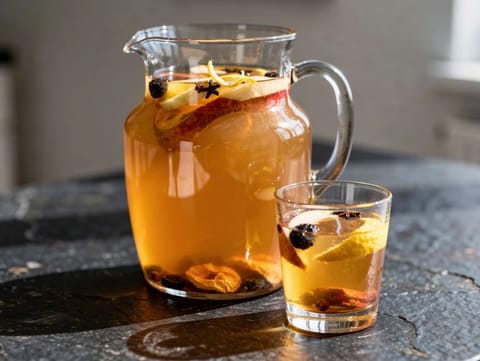
Polish dried fruit drink simmered with spices, served warm or chilled
Not always, but searing adds browned flavours that deepen the sauce. Some recipes skip it for a lighter result or to keep the method simpler, especially with delicate ingredients.
It should usually simmer very gently. A rolling boil agitates the pot, can toughen proteins at the surface and can make the sauce cloudy.
Typically enough to come partway up the ingredients rather than fully covering them. The exact amount depends on the pot shape, the ingredients and how tight the lid is.
It may need more time at gentle heat, or the heat may have been too high, tightening the proteins. Some cuts also have a stage where they feel tough before they relax as collagen breaks down.
Yes, as long as you can keep the heat very low and steady and prevent catching on the base. The oven often makes that steadiness easier.
Many braises thicken by reduction: remove the lid near the end and simmer until the sauce concentrates. Some recipes also use flour, starch or puréed vegetables for body, depending on the style.
A good braise is mostly temperature control: quiet simmering, a snug lid and enough time for the texture to change. Choose a recipe that matches your pot and your patience, and you will get tender pieces and a sauce that tastes cohesive rather than hurried.
