
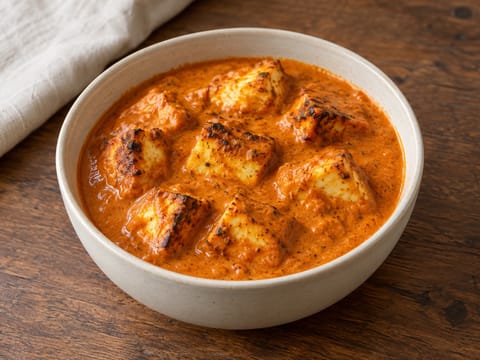
Paneer Tikka Masala
Grilled paneer in a creamy tomato and cashew masala sauce
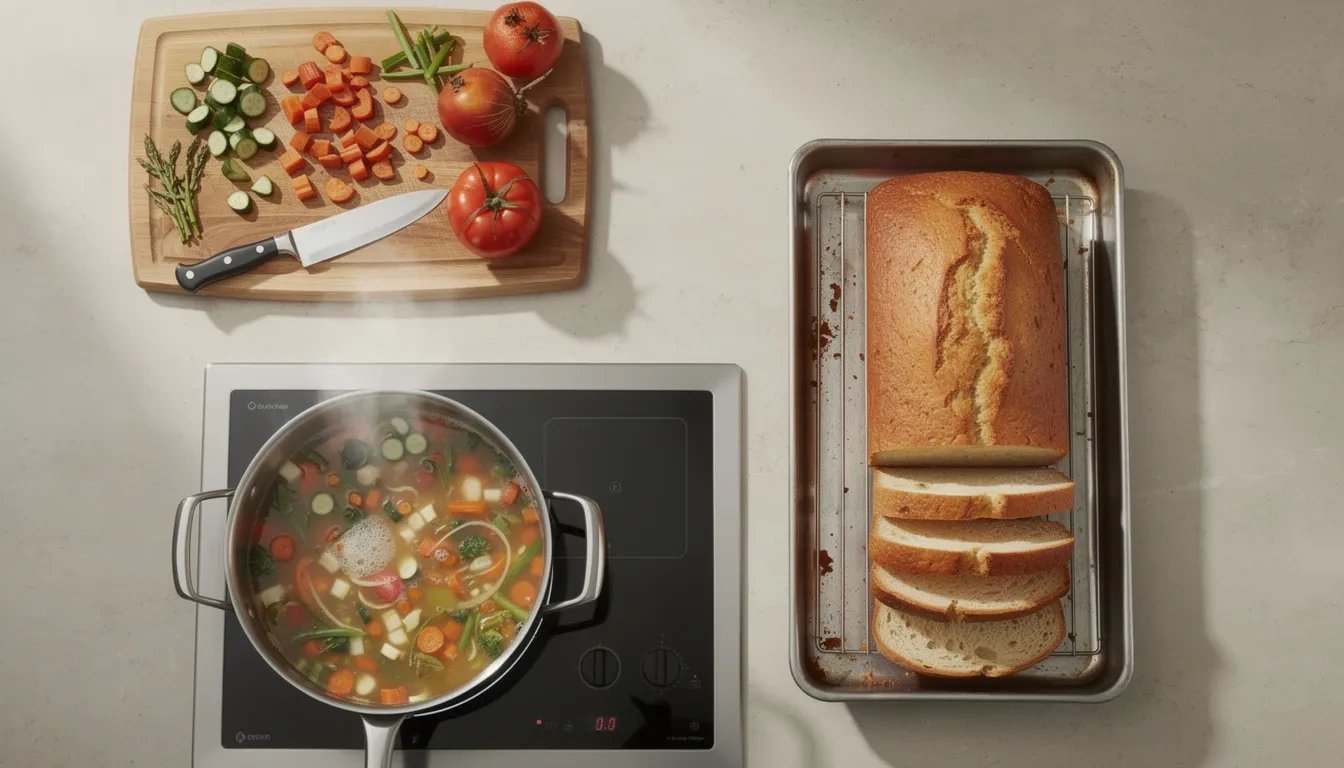
Grilling is direct, high heat that browns quickly and leaves a characteristic char. It is as much about surface texture as flavour: crisp edges, blistered skins and grill marks come from intense heat meeting a relatively dry surface.
Because the heat is concentrated and the cooking is fast, grilling rewards ingredients that cook through quickly or can be managed with zones of heat, so you can brown without burning.
Grills cook primarily by radiant heat from below (or above, in some ovens), with hot air circulating around the food. Compared with roasting, the heat is more intense and less even, which is why turning and positioning matter. Many grill setups work best with two zones: a hotter area for browning and a cooler area to finish thicker pieces more gently.
You will often see recipes that start with a sear over high heat, then move to a cooler spot, or that use skewers, grill baskets or foil to control exposure and prevent smaller items falling through the grates.
Grilled paneer in a creamy tomato and cashew masala sauce
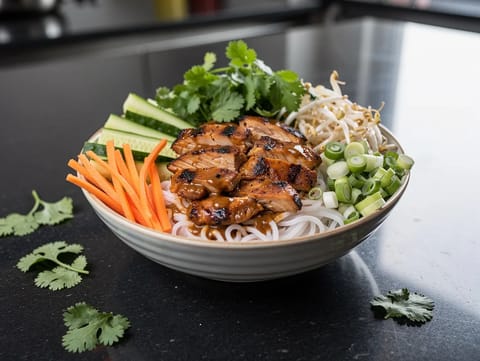
Satay chicken bowl with rice noodles and tangy dressing
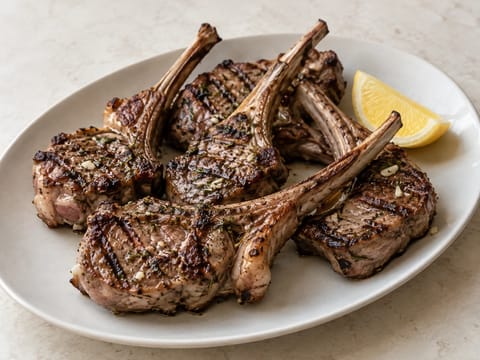
Roman-style grilled lamb chops with rosemary, garlic and lemon
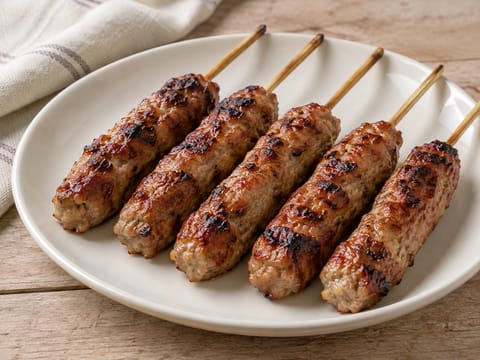
Grilled pork sausage skewers with garlic, fish sauce and pepper
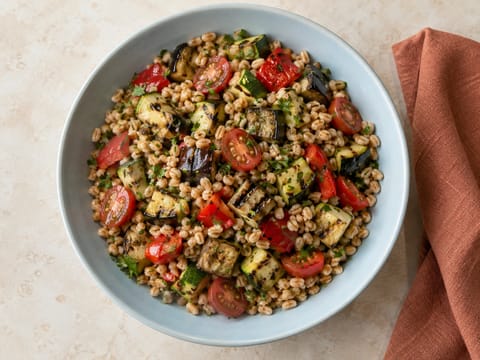
Farro salad with grilled vegetables, cherry tomatoes and lemon
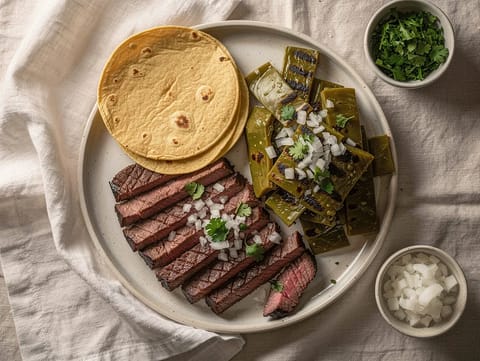
Grilled skirt steak and nopales served in corn tortillas
An outdoor barbecue gives smoke and space, but it also brings variables: wind, fuel and hot spots. A cast-iron grill pan offers strong contact heat and clear marks, though it can smoke indoors and needs good ventilation. An oven grill (broiler) is convenient and predictable, but the heat comes from one direction, so turning is essential and drips can burn on the tray.
Whichever you use, preheating matters. A properly hot surface helps food release cleanly and browns before it dries out. Long-handled tongs and a brush for oiling the grates make the process smoother.
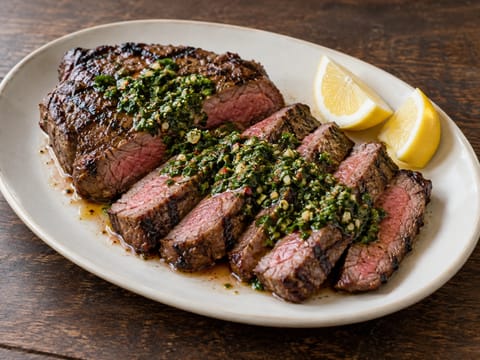
Grilled steak with parsley chimichurri, chilli and lemon
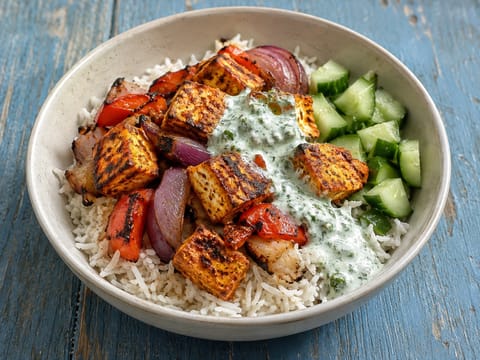
Paneer tikka bowl with rice, grilled vegetables and mint yoghurt
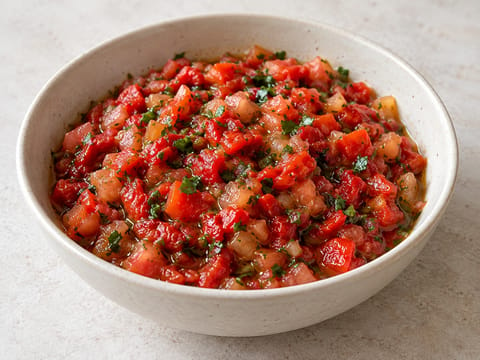
Charred red pepper salsa with tomato, garlic and sherry vinegar
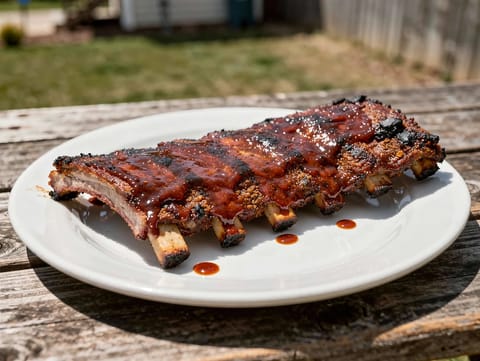
Slow-baked pork ribs with a smoked paprika brown sugar rub
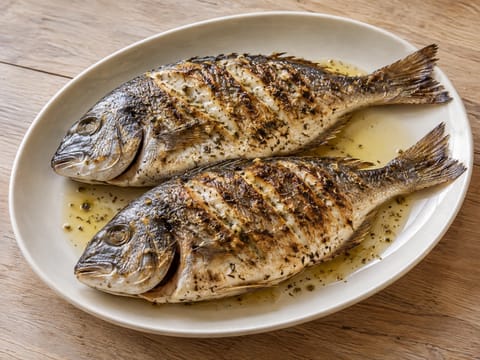
Whole grilled sea bream with lemon, oregano and garlic
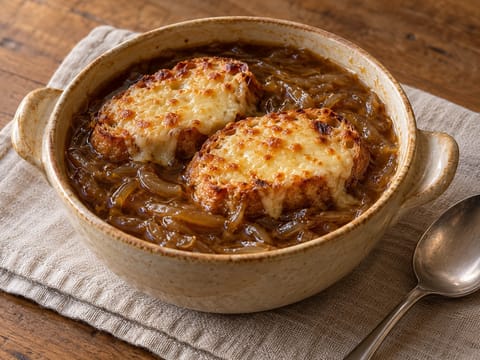
Caramelised onion soup topped with a Gruyère crouton
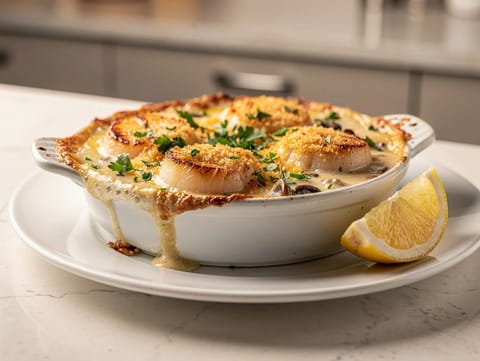
Scallops in creamy white wine sauce with a golden crumb topping
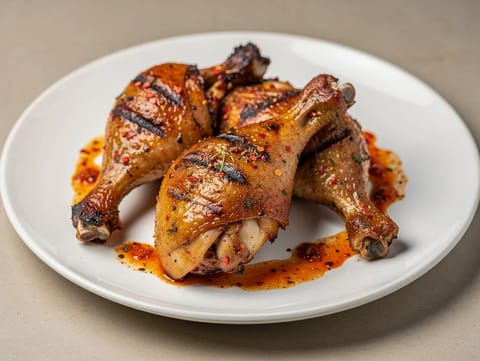
Portuguese grilled chicken marinated with piri-piri, garlic and lemon
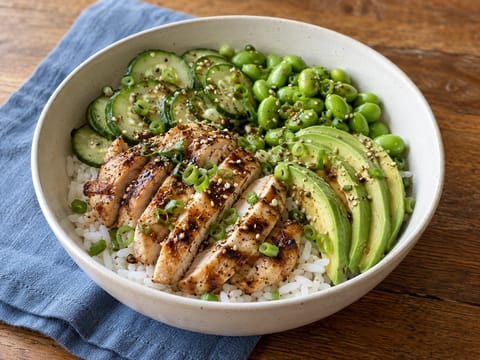
Grilled chicken poke bowl with rice, avocado and edamame.
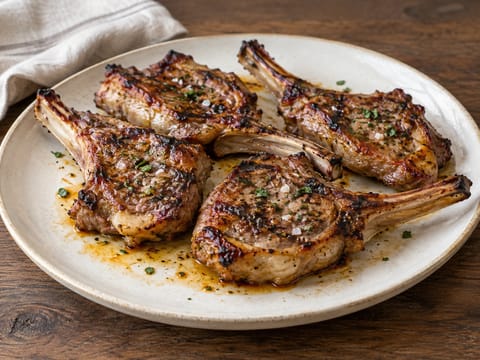
Spanish grilled lamb cutlets with garlic, paprika and lemon
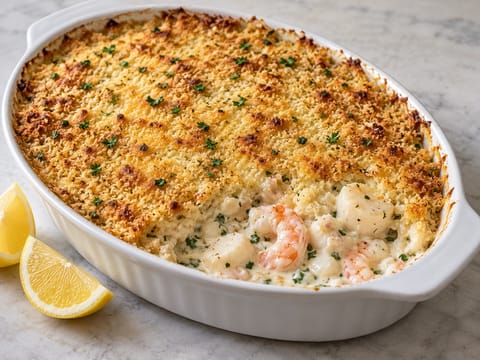
Seafood gratin with prawns, scallops, white wine cream and Gruyère
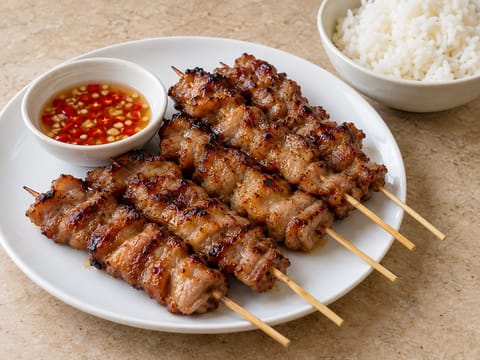
Thai grilled pork skewers with coconut milk and fish sauce
Sticking is usually a heat and timing issue: if the grill is not hot enough, food clings; if you try to move it too soon, it tears. Let the surface sear, then it will often release naturally.
Burning can happen when sugary marinades or glazes hit very high heat. Many recipes manage this by grilling first, then glazing near the end. Dryness is often about thickness and heat intensity. Thicker cuts may need a cooler zone to finish through without over-browning the outside.
Grilling favours foods with enough structure to turn and enough surface area to brown: vegetables that blister, fish that holds together, and meats cut to cook through before the exterior over-colours. If an ingredient is delicate, recipes may use skewers, a basket, or foil to support it.
Look for recipes that tell you how to manage flare-ups and fat drips, especially with higher-fat cuts. If you want pronounced char, choose recipes that keep surfaces relatively dry. If you want gentler browning, recipes that use oil, yoghurt-based coatings or a cooler zone can help moderate the heat.
Grilling outcomes depend heavily on what you’re cooking on and how long the food needs to finish through. Equipment is the most helpful companion for choosing between barbecue, grill pan or oven grill. Cooking time is also useful, since some grilled dishes are quick-sear, while others rely on gentler heat to cook evenly.
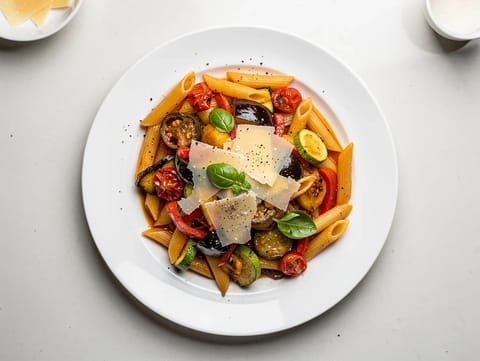
Pasta tossed with roasted aubergine, courgette, peppers and tomatoes.
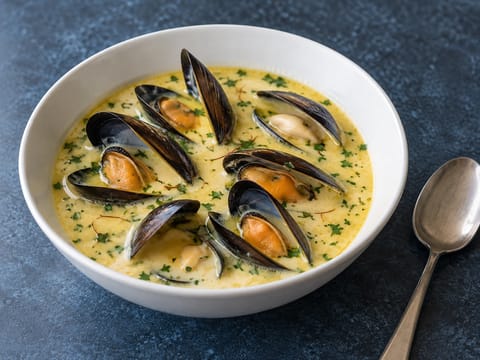
Mussel soup with white wine broth and saffron-infused cream
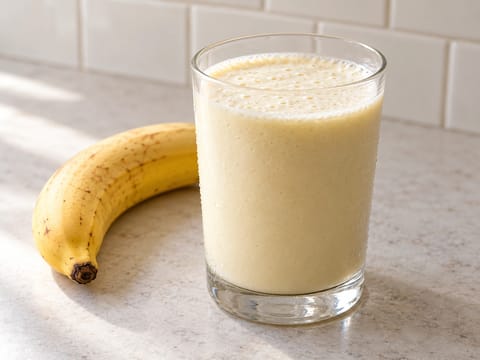
Banana and soy milk smoothie blended with ice.
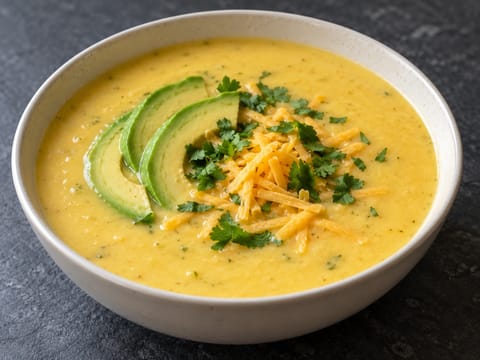
Creamy potato and cheese soup topped with avocado and coriander
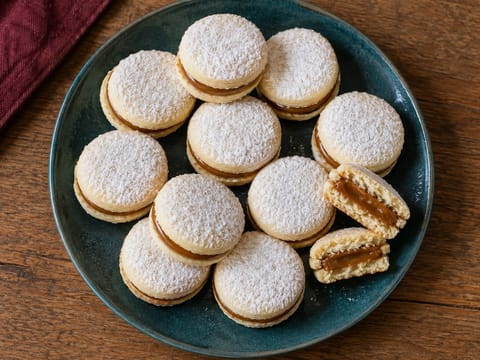
Cornflour biscuits sandwiched with dulce de leche and icing sugar
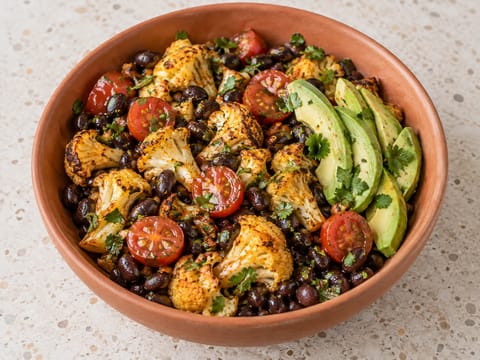
Roasted cauliflower bowl with black beans, avocado and lime
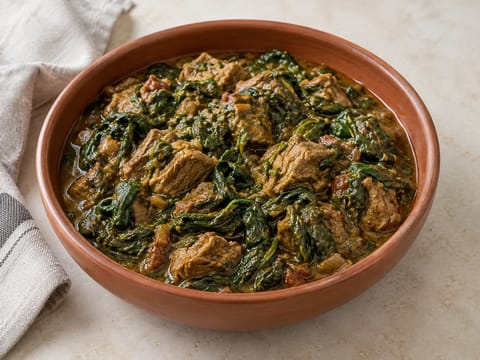
Spiced lamb curry finished with wilted spinach
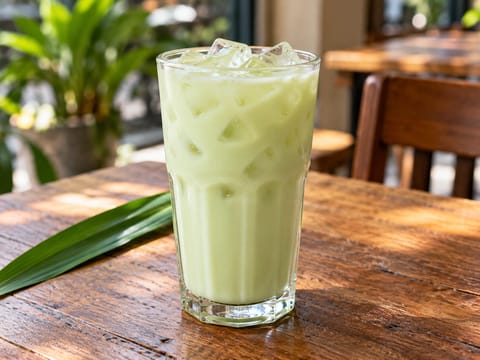
Sweet pandan milk made with syrup and served over ice
Grilling is typically direct, higher heat for faster cooking and browning. Barbecuing often implies lower, slower heat and more smoke, though the terms are used differently in different places.
The grill may not be hot enough, or the surface may be too wet. Preheat well, oil lightly, and avoid moving the food until it has seared.
Cut them larger, use skewers, or choose recipes that use a grill basket or foil. Smaller pieces are easier to manage when contained.
Sugar browns quickly over high heat. Many recipes apply glaze near the end of cooking, or use a cooler zone to set it without scorching.
Often, yes. A short rest helps juices redistribute, which can make slicing cleaner and the texture less dry, especially for thicker cuts.
Grilling is at its best when you treat heat as a tool you can move around. Preheat properly, use zones where you can, and choose recipes that match the speed and intensity of the grill you’re using.
