
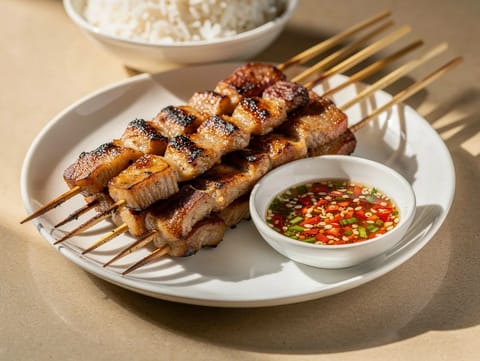
Moo Ping (Thai Grilled Pork Skewers)
Thai grilled pork skewers with coconut milk and fish sauce

Grilling is direct, high heat that browns quickly and leaves a characteristic char. It is as much about surface texture as flavour: crisp edges, blistered skins and grill marks come from intense heat meeting a relatively dry surface.
Because the heat is concentrated and the cooking is fast, grilling rewards ingredients that cook through quickly or can be managed with zones of heat, so you can brown without burning.
Grills cook primarily by radiant heat from below (or above, in some ovens), with hot air circulating around the food. Compared with roasting, the heat is more intense and less even, which is why turning and positioning matter. Many grill setups work best with two zones: a hotter area for browning and a cooler area to finish thicker pieces more gently.
You will often see recipes that start with a sear over high heat, then move to a cooler spot, or that use skewers, grill baskets or foil to control exposure and prevent smaller items falling through the grates.
Thai grilled pork skewers with coconut milk and fish sauce
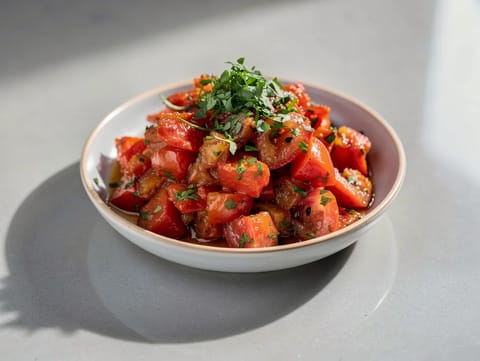
Charred red pepper salsa with tomato, garlic and sherry vinegar
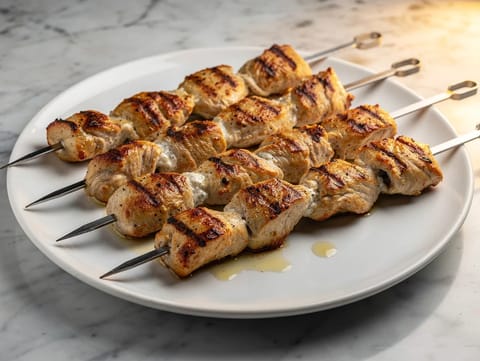
Turkish chicken skewers in a yoghurt, lemon and garlic marinade
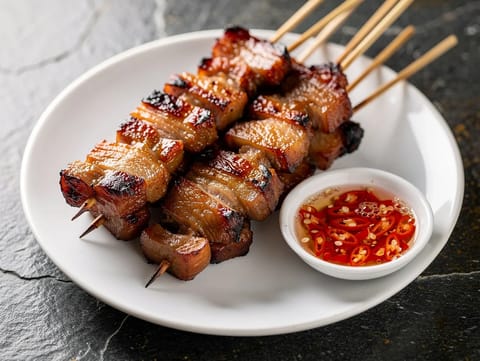
Thai grilled pork skewers marinated with coconut milk and fish sauce
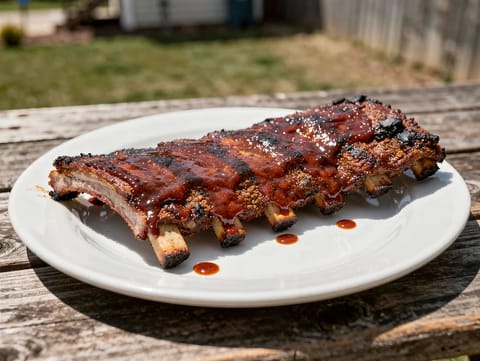
Slow-baked pork ribs with a smoked paprika brown sugar rub
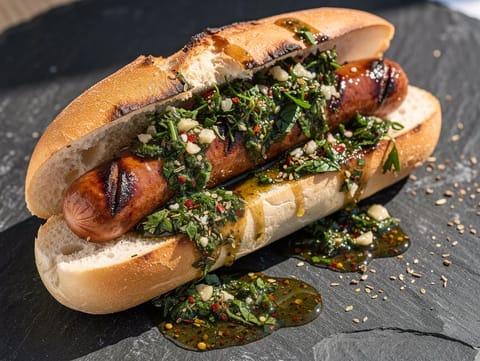
Grilled chorizo sandwich in crusty bread with chimichurri
An outdoor barbecue gives smoke and space, but it also brings variables: wind, fuel and hot spots. A cast-iron grill pan offers strong contact heat and clear marks, though it can smoke indoors and needs good ventilation. An oven grill (broiler) is convenient and predictable, but the heat comes from one direction, so turning is essential and drips can burn on the tray.
Whichever you use, preheating matters. A properly hot surface helps food release cleanly and browns before it dries out. Long-handled tongs and a brush for oiling the grates make the process smoother.
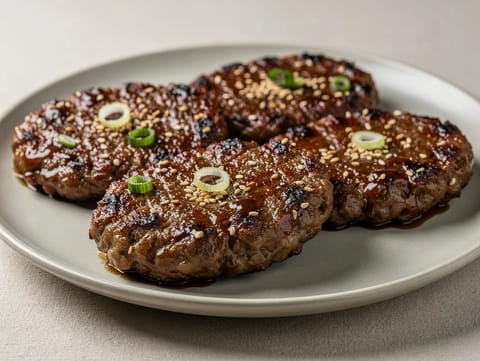
Korean beef short rib patties with soy, garlic and pear
Slow-baked pork ribs with a smoked paprika brown sugar rub
Thai grilled pork skewers with coconut milk and fish sauce
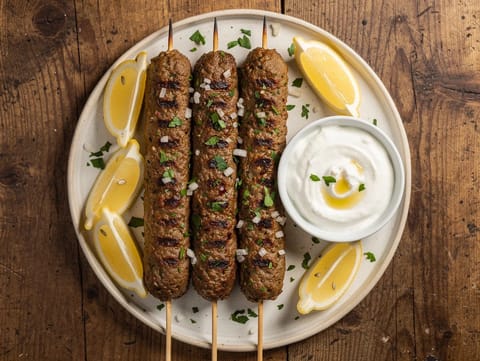
Beef kofta kebabs with onion, garlic, parsley and spices
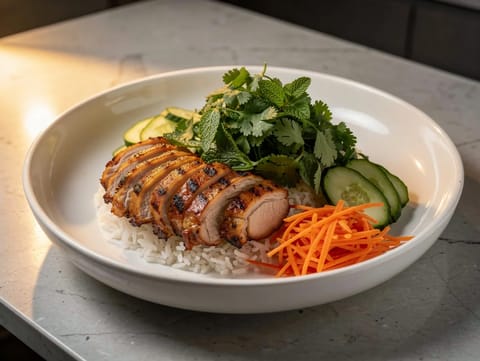
Grilled chicken bowl with jasmine rice, herbs and dressing
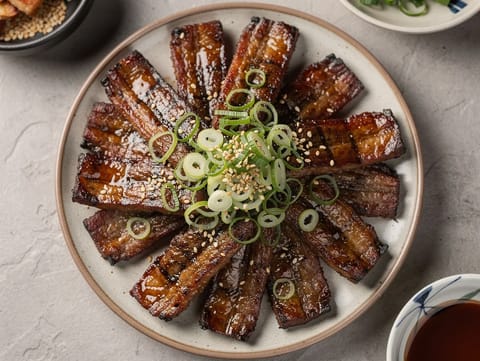
Marinated Korean short ribs grilled or seared until caramelised
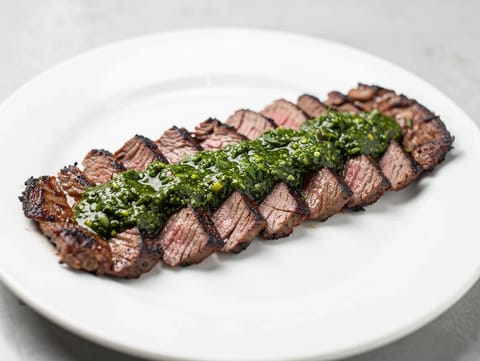
Grilled skirt steak served with parsley and garlic chimichurri
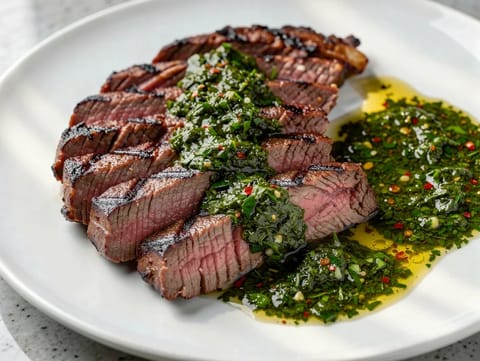
Grilled ribeye served with parsley and garlic chimichurri
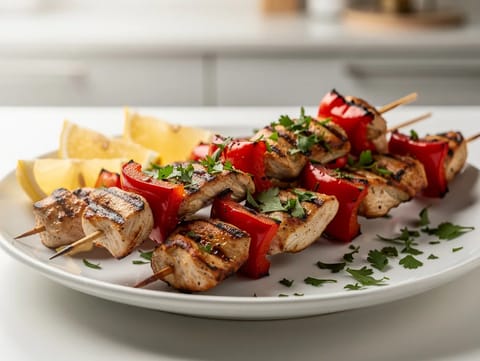
Yoghurt-marinated chicken skewers with garlic, lemon and red pepper
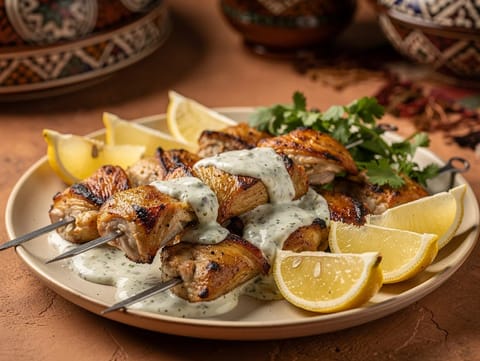
Yoghurt-marinated chicken skewers grilled with cumin and paprika
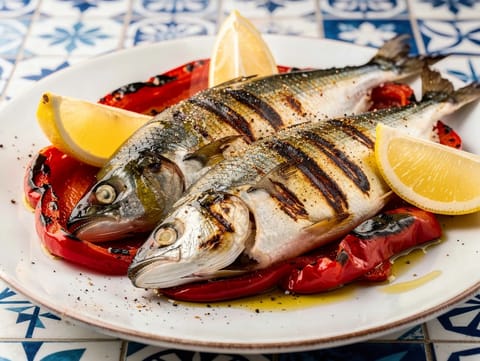
Grilled sardines served with lemon, olive oil and peppers
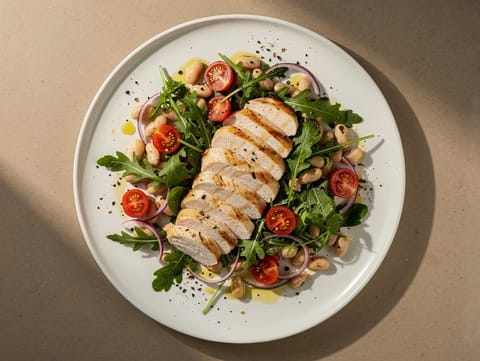
Chicken and cannellini bean salad with rocket and lemon
Sticking is usually a heat and timing issue: if the grill is not hot enough, food clings; if you try to move it too soon, it tears. Let the surface sear, then it will often release naturally.
Burning can happen when sugary marinades or glazes hit very high heat. Many recipes manage this by grilling first, then glazing near the end. Dryness is often about thickness and heat intensity. Thicker cuts may need a cooler zone to finish through without over-browning the outside.
Grilling favours foods with enough structure to turn and enough surface area to brown: vegetables that blister, fish that holds together, and meats cut to cook through before the exterior over-colours. If an ingredient is delicate, recipes may use skewers, a basket, or foil to support it.
Look for recipes that tell you how to manage flare-ups and fat drips, especially with higher-fat cuts. If you want pronounced char, choose recipes that keep surfaces relatively dry. If you want gentler browning, recipes that use oil, yoghurt-based coatings or a cooler zone can help moderate the heat.
Grilling outcomes depend heavily on what you’re cooking on and how long the food needs to finish through. Equipment is the most helpful companion for choosing between barbecue, grill pan or oven grill. Cooking time is also useful, since some grilled dishes are quick-sear, while others rely on gentler heat to cook evenly.
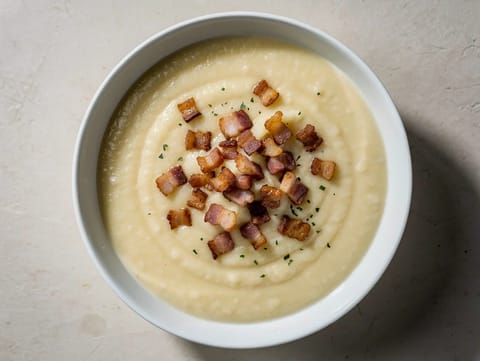
Creamy German potato soup topped with crispy bacon
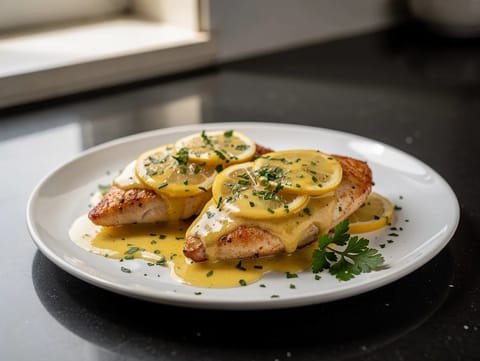
Pan-fried chicken in a lemon and white wine sauce
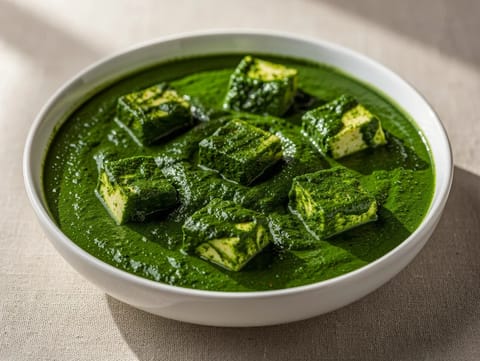
Smooth spinach curry with paneer

Ring-shaped sweet bread with orange zest, icing and almonds
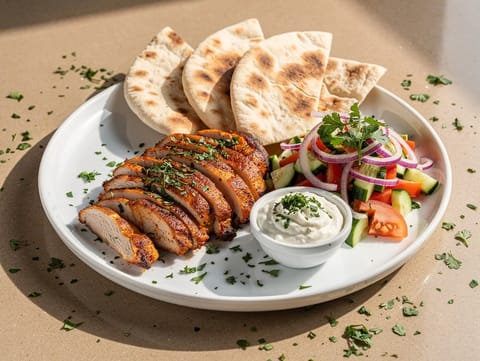
Spiced chicken shawarma platter with flatbreads and garlic yoghurt
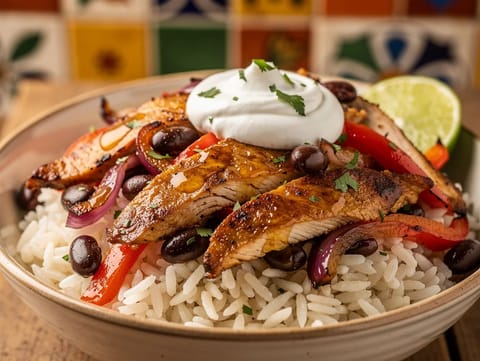
Chicken fajita bowl with rice, peppers, black beans and lime
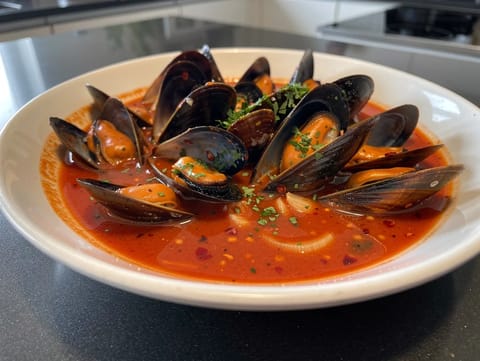
Mussels simmered in tomato and garlic sauce with chilli
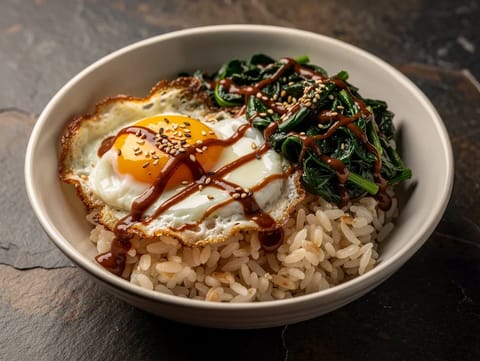
Rice bowl with sautéed spinach, fried egg and gochujang dressing
Grilling is typically direct, higher heat for faster cooking and browning. Barbecuing often implies lower, slower heat and more smoke, though the terms are used differently in different places.
The grill may not be hot enough, or the surface may be too wet. Preheat well, oil lightly, and avoid moving the food until it has seared.
Cut them larger, use skewers, or choose recipes that use a grill basket or foil. Smaller pieces are easier to manage when contained.
Sugar browns quickly over high heat. Many recipes apply glaze near the end of cooking, or use a cooler zone to set it without scorching.
Often, yes. A short rest helps juices redistribute, which can make slicing cleaner and the texture less dry, especially for thicker cuts.
Grilling is at its best when you treat heat as a tool you can move around. Preheat properly, use zones where you can, and choose recipes that match the speed and intensity of the grill you’re using.
