
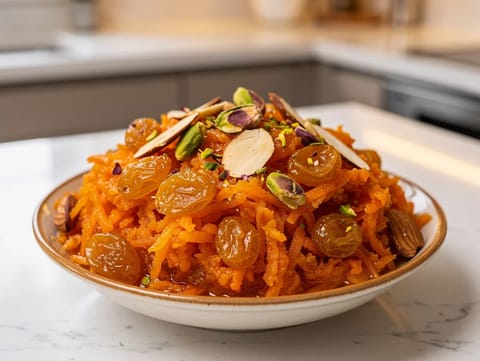
Gajar ka Halwa (Carrot Halwa with Milk and Ghee)
Carrot halwa cooked in milk with ghee, cardamom and nuts

Sautéing is quick cooking in a hot pan with a small amount of fat, aiming for movement, evaporation and light browning rather than deep frying. It is the method behind tender-crisp vegetables, browned strips of meat, and aromatic bases that start many sauces.
When you are comparing sauté recipes, the most useful question is what texture the recipe is aiming for: a dry, browned finish; a glossy, sauced result; or a halfway point where sautéing is simply the first step before simmering or baking.
Sauté recipes typically rely on relatively small, evenly cut ingredients so they cook through before the outside over-browns. The pan is hot enough that moisture evaporates quickly, which is what allows browning and keeps vegetables from turning grey and soft.
Sautéing sits between sweating and frying. Sweating uses gentler heat to soften without colour; frying usually uses more fat and aims for a more pronounced crust. Many recipes move along this spectrum, starting with a sweat for onions, then increasing heat to sauté mushrooms or mince until the pan is dry and fragrant.
Carrot halwa cooked in milk with ghee, cardamom and nuts
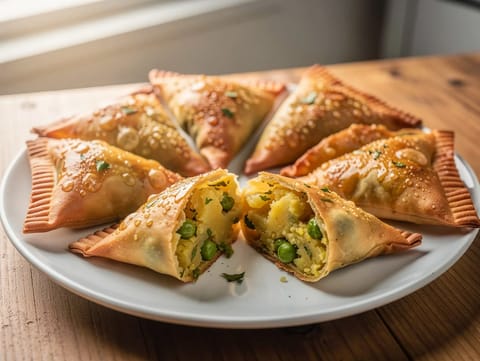
Crisp air-fryer samosas with spiced potato and pea filling.
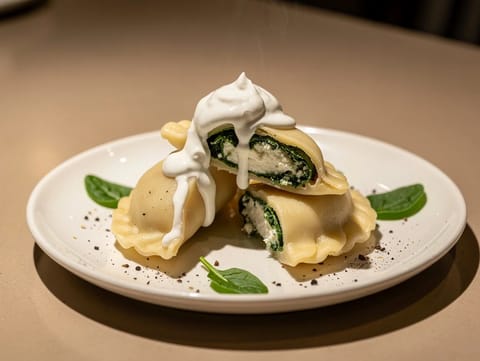
Pierogi filled with spinach and ricotta
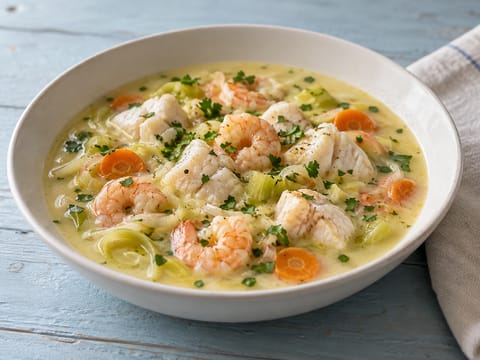
Creamy Ghent-style fish stew with prawns and vegetables
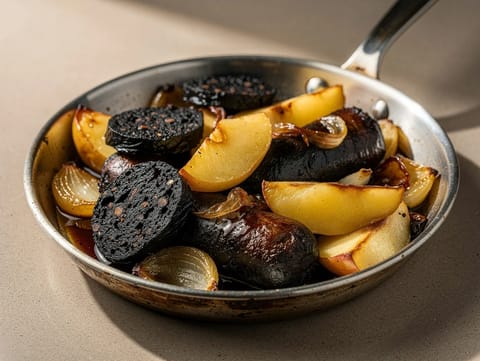
Pan-fried blood sausage served with buttery sautéed apples
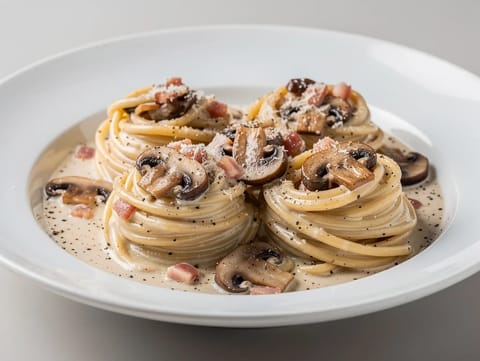
Pasta with creamy mushrooms, pancetta, white wine and Parmesan
Choose a dry sauté when you want browning and separation: sliced mushrooms, minced meat, or vegetables that should stay distinct. These recipes often ask you to cook in batches, because overcrowding traps steam.
Choose a sauté-then-sauce approach when you want a cohesive finish: stir-fries with a glossy coating, pan sauces built from browned bits, or quick curries that start with sautéed aromatics. Here, timing is about sequencing. You sauté ingredients in the order they release moisture and need heat, then add liquids at the point where the pan has done its browning work.
If a recipe uses delicate items such as garlic or ground spices, look for cues about when they go in, as they can scorch in a very hot pan.
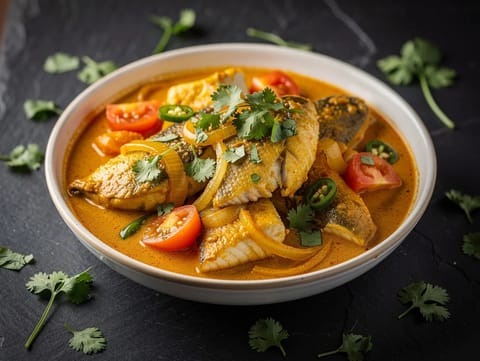
Goan fish curry with coconut milk and tamarind
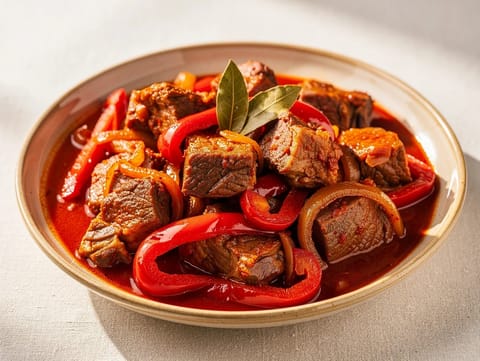
Spanish lamb stew with tomatoes, red peppers and sweet paprika
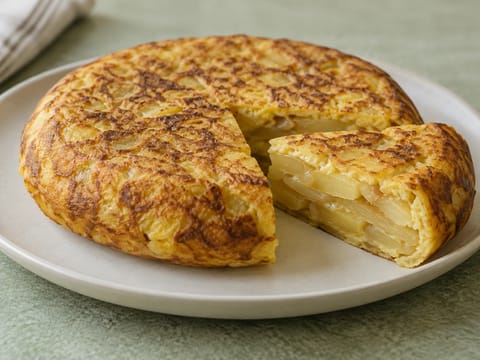
Thick Spanish potato omelette with onion and olive oil
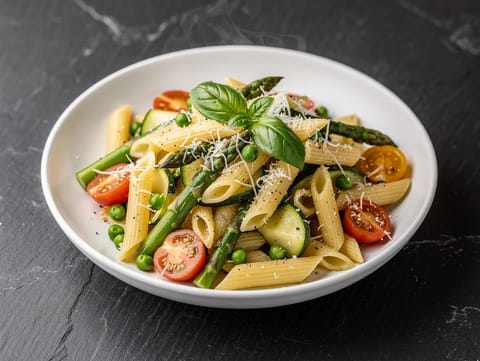
Pasta primavera with spring vegetables, lemon and Parmesan
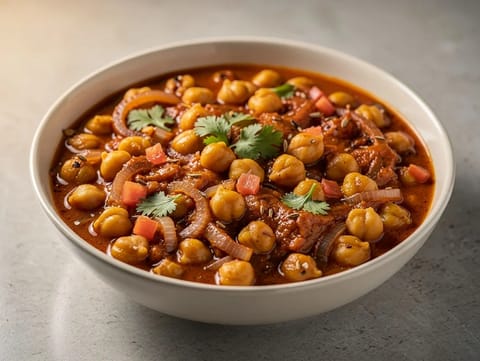
Vegan chickpea curry in spiced tomato and onion gravy
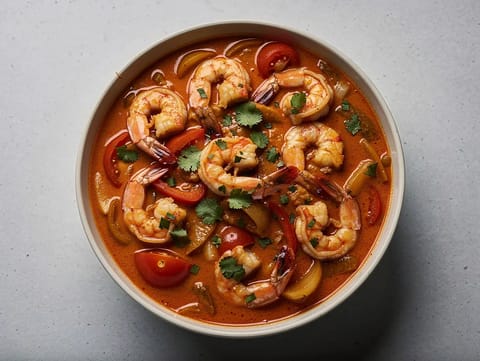
Brazilian prawn stew with coconut milk, vegetables and lime
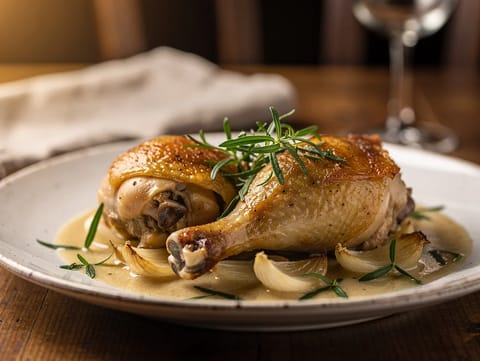
French chicken fricassée in a tarragon and cream sauce

Masa huaraches with refried beans and sautéed nopales
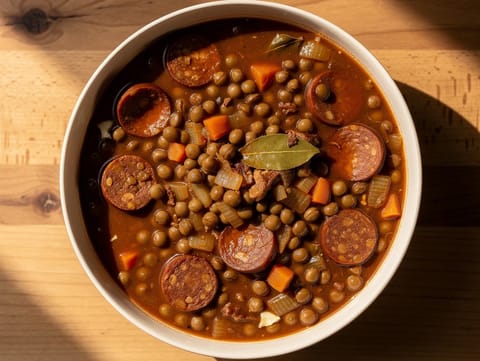
Brown lentil and chorizo stew with bay and smoked paprika
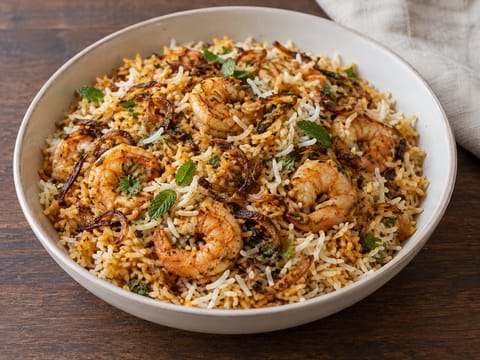
Malabar-style biryani with spiced prawns and basmati rice
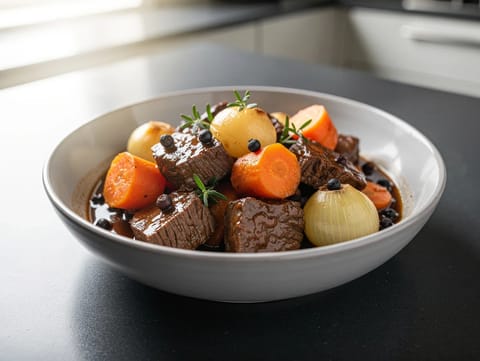
Slow-braised venison with juniper and root vegetables
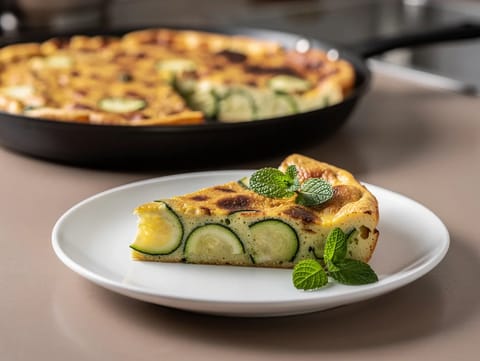
Courgette and mint frittata with Parmigiano Reggiano
A wide pan gives evaporation room, which is central to sautéing. Stainless steel is useful when you want browned bits for a sauce; non-stick can be helpful for delicate fish, eggs or sticky glazes, though it usually browns less aggressively. Cast iron holds heat well but can run hot, so it rewards a confident hand.
A thin metal spatula or wooden spoon is often enough. If you do not have a large pan, a wok can work for sauté-style cooking, especially for small pieces, but it behaves differently on some hobs. Whatever you use, preheating the pan before adding oil helps reduce sticking and encourages quick searing.
If food turns pale and watery, the pan is too crowded or not hot enough. Give ingredients space, increase heat, or cook in batches. If the outside burns before the inside cooks, the pieces are too large or the heat is too high for that ingredient; cut smaller or lower the heat and extend the cooking slightly.
Another frequent issue is adding wet ingredients straight from the fridge or a rinse. Surface water cools the pan and promotes steaming. Pat ingredients dry when browning matters, and add sauces once you have achieved the colour you want.
Cooking time helps you distinguish quick sauté dishes from those where sautéing is only the opening step before a longer cook. Difficulty is also useful: some sauté recipes are straightforward, while others demand confident heat control, batch cooking and fast sequencing.
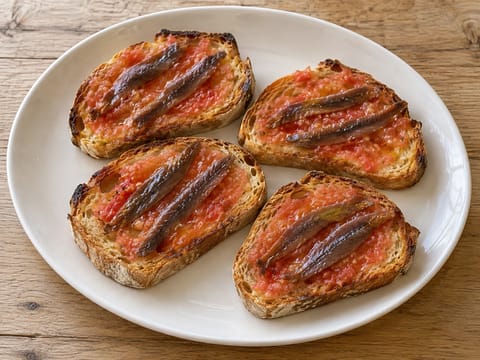
Tomato rubbed toast topped with salt cured anchovies
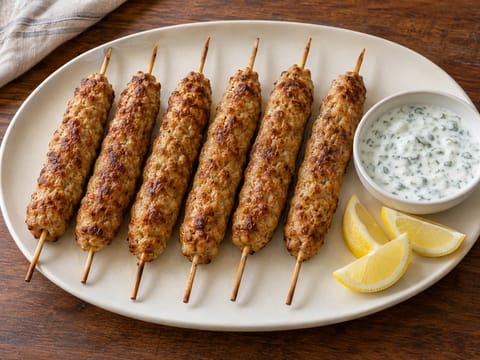
Juicy air-fried Indian chicken kebabs with mint yoghurt.
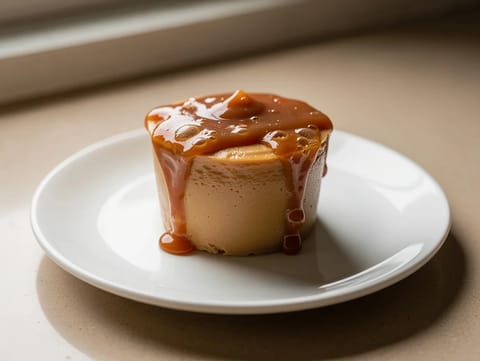
Smooth stovetop butterscotch pudding with vanilla
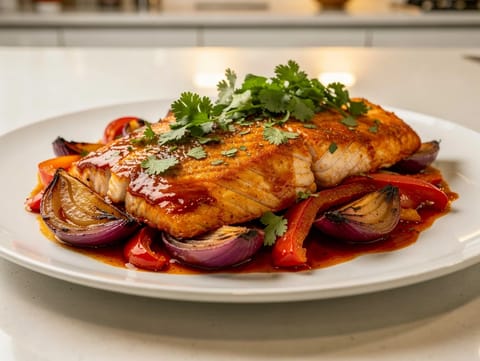
Baked white fish with achiote, citrus and roasted peppers
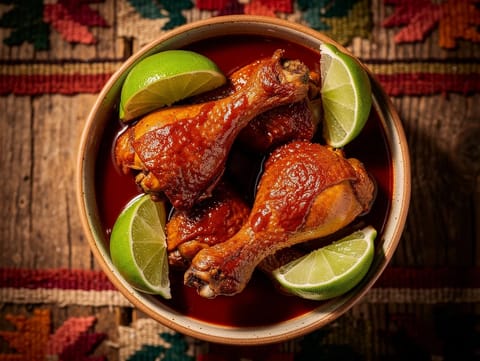
Chicken thighs simmered in guajillo chilli and tomato adobo
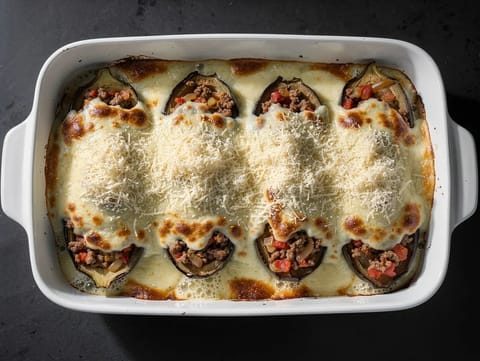
Stuffed aubergines with minced beef, béchamel and cheese
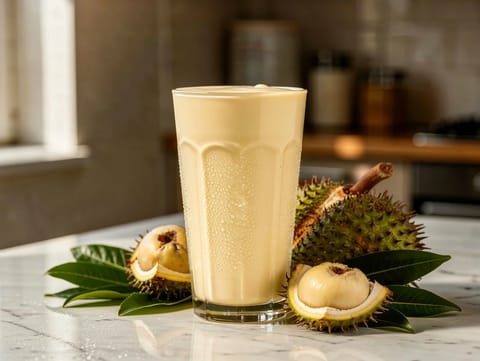
Jackfruit milkshake with condensed milk, vanilla and ice
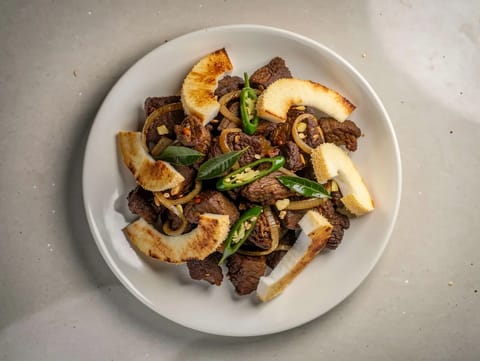
Dry-style Kerala beef fry with curry leaves and coconut
They are closely related. Both use high heat and movement, but stir-frying is typically associated with a wok and very fast cooking over intense heat. Sautéing is broader and often done in a wide frying pan.
Garlic can burn quickly in hot fat. Many recipes add it after onions have softened, or briefly before liquids go in, so it perfumes the dish without scorching.
No. Sautéing uses a small amount of fat to conduct heat and prevent sticking. If you want a crisp, fried crust, that is usually a different method.
It means adding a liquid to a hot pan to dissolve browned bits stuck to the surface. Those bits carry flavour and become part of a sauce.
Use high heat, cut evenly, and cook briefly. Overcrowding and low heat encourage steaming, which softens vegetables more quickly.
Sautéing can mean browned and dry, or glossy and sauced, depending on when liquids are added and how crowded the pan is. Once you read a recipe for those cues, you can choose the one that matches your pan, your pace and the texture you are after.
