
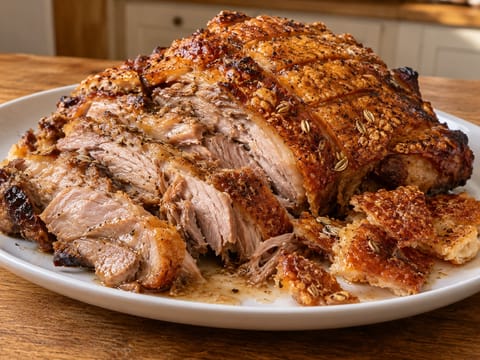
Slow-Cooked Pork Shoulder with Crackling
Slow-roasted pork shoulder with crisp crackling and roasting juices
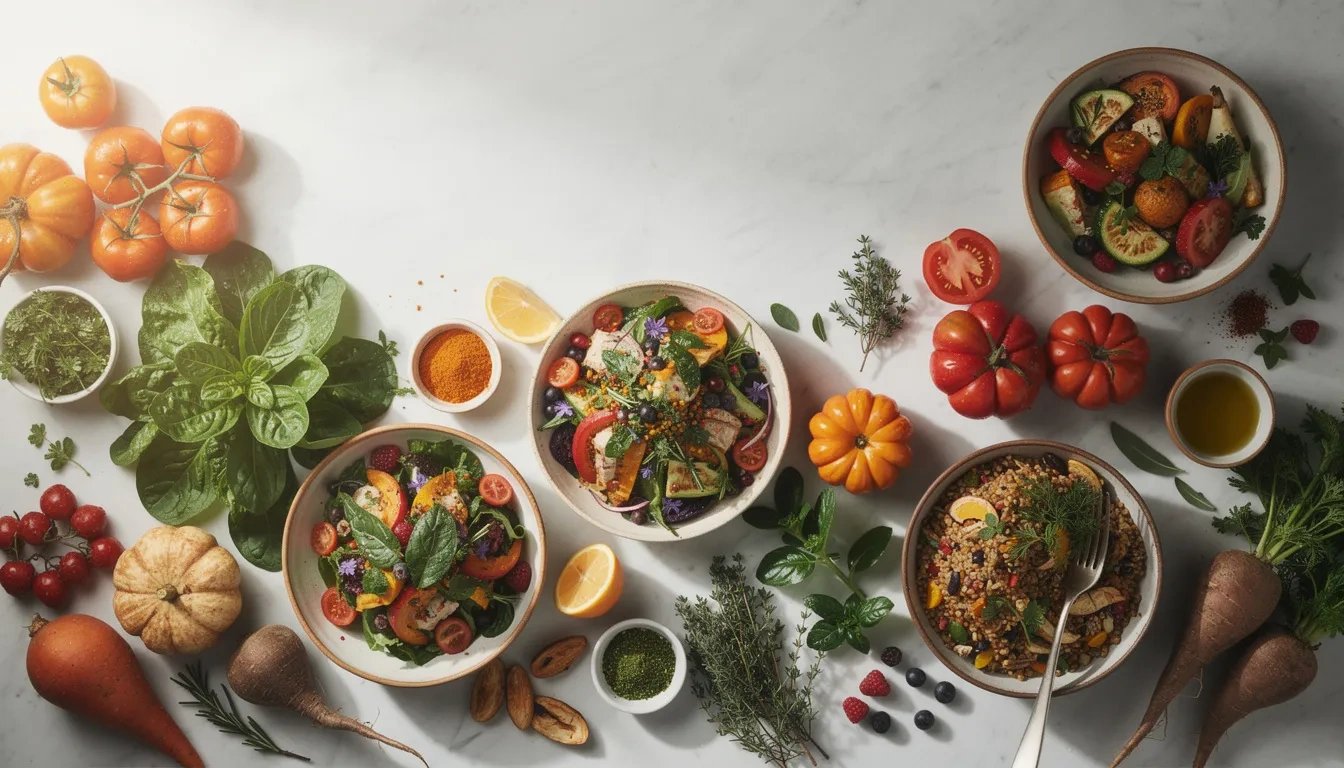
Winter recipes are shaped by two practical realities: you are more likely to eat indoors, and you can use the oven and hob without worrying about heating the house. That opens the door to long, steady cooking, deeper browning and dishes that hold their heat. The best winter choices still pay attention to balance, though. Rich, slow-cooked flavours often need something sharp, fresh or crunchy alongside to keep the meal from feeling monotonous.
Winter cooking commonly leans on methods that build depth: roasting, braising, slow simmering and baking. These techniques encourage caramelisation and allow time for flavours to meld, which is especially useful when you are working with sturdy vegetables, dried pulses, grains, or tougher cuts of meat. Winter recipes also often have a practical, make-ahead quality, because soups, stews and casseroles can be cooked in larger batches and served over more than one meal. None of this means winter food must be heavy. Many winter dishes are built around clear broths, beans, greens and spices, with richness added in controlled ways through oil, dairy, nuts or long-cooked onions.
Slow-roasted pork shoulder with crisp crackling and roasting juices
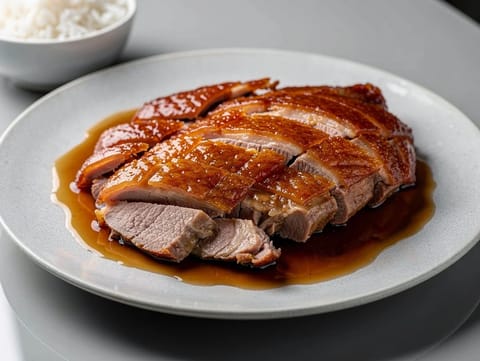
Cantonese roast duck with crisp skin
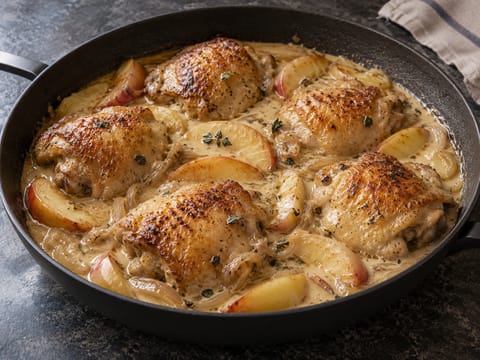
Chicken with Calvados, apples and double cream sauce
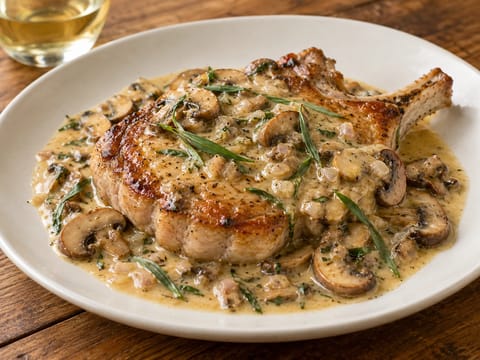
Veal chops with creamy mushroom sauce
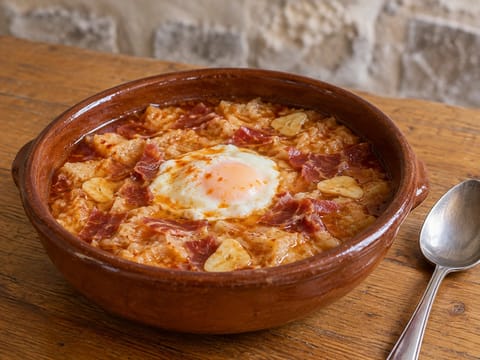
Garlic and bread soup with poached eggs and serrano ham

Air fryer baked apples filled with cinnamon, brown sugar and butter.
Because winter flavours can be deep and savoury, small bright elements make a noticeable difference. Citrus, vinegar, pickles and mustard cut through fatty or slow-cooked dishes and wake up the palate. Bitter leaves and brassicas bring contrast to creamy sauces and roasted meats, while herbs such as parsley can make a finished bowl of soup taste fresher without changing the base. Spices and aromatics often do more work in winter, too, because they read as warming and fragrant even when ingredients are simple. If you are baking, winter tends to suit sturdier textures and flavours that stand up to heat and time in the oven, from toasted nuts to dark chocolate and dried fruit.
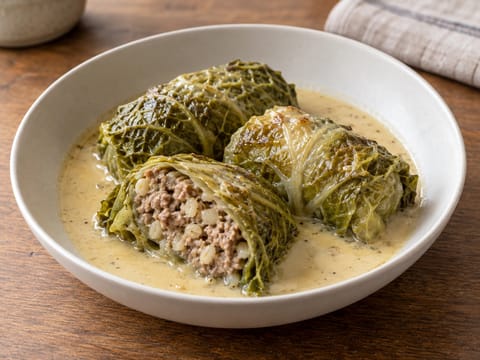
Savoy cabbage rolls with pork, pearl barley and cream sauce
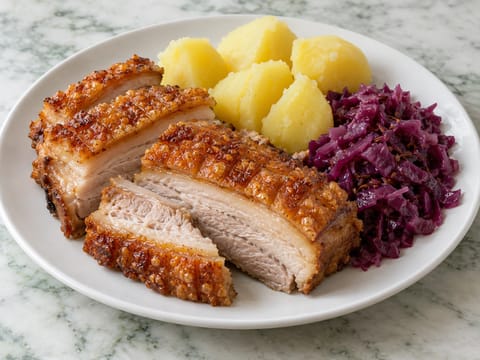
Norwegian roast pork belly with crisp crackling
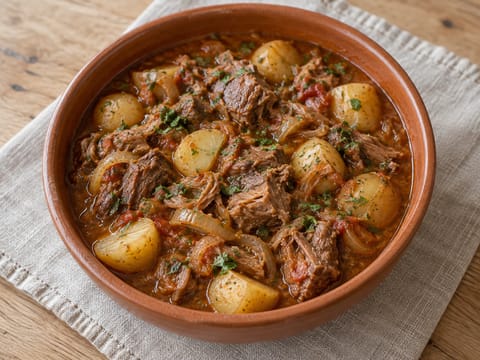
Portuguese lamb stew with potatoes, tomato and paprika
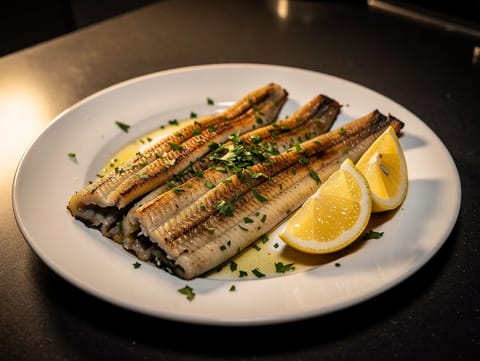
Italian grilled eel with lemon, garlic and parsley
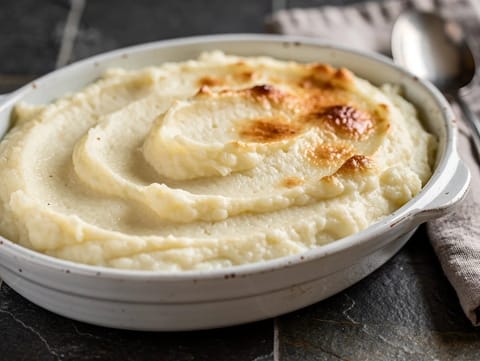
Salt cod and potato purée with olive oil and garlic
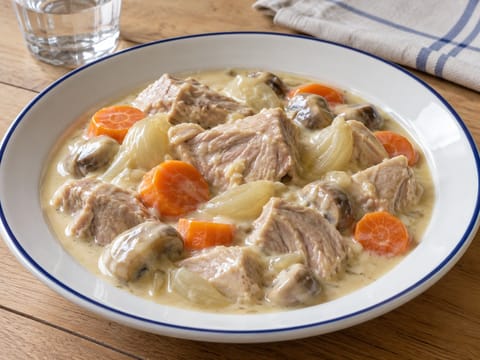
Creamy veal stew with mushrooms, carrots and a velvety sauce
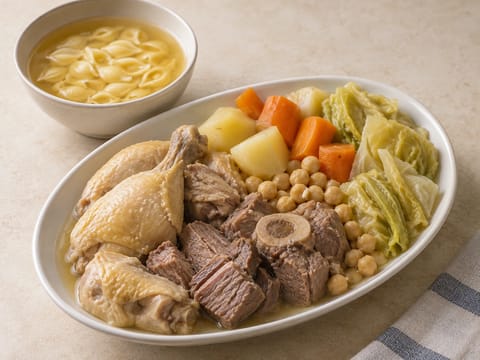
Catalan stew with chicken, pork, beef, chickpeas and pasta

Mulled apple punch with orange and warming spices
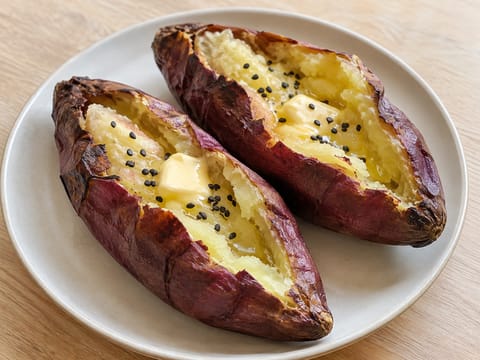
Japanese sweet potato with butter and black sesame seeds.
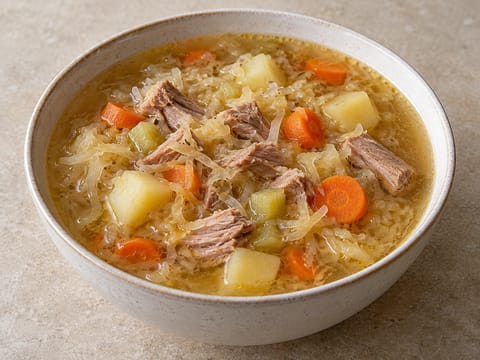
Polish sauerkraut soup with pork ribs and potatoes
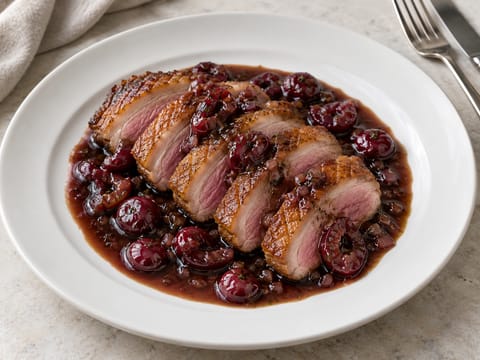
Pan-seared duck with cherry bourbon pan sauce
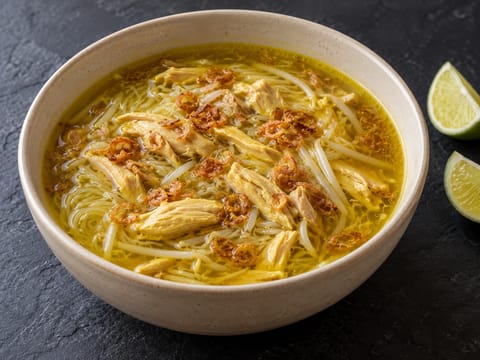
Chicken and turmeric soup with vermicelli and bean sprouts
For the most straightforward winter comfort, look for one-pot dishes that simmer or bake unattended: stews, casseroles, dhal-style lentils, or slow-cooked ragùs. If you want warmth without heaviness, choose brothy soups, bean dishes with greens, or roasted vegetables served with a sharp sauce. When you are feeding a group, oven dishes that can rest without harm, such as roasts, traybakes and bakes with a topping, are often easier to time than pan-cooked food. For a winter table that feels less dense, add a crisp side: a slaw, a salad with citrus, or something pickled. Texture is the quickest way to make winter meals feel lively.
Ingredient browsing helps in winter because the produce mix shifts towards roots, brassicas and citrus, which behave differently in the pan and oven. Occasion is also a natural companion, since winter includes many gatherings where make-ahead dishes and food that holds heat are especially practical.
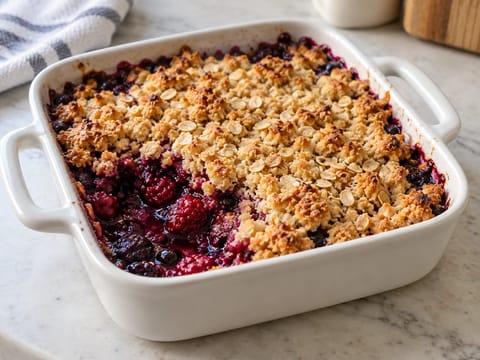
Warm berry crumble with a crisp oat topping.
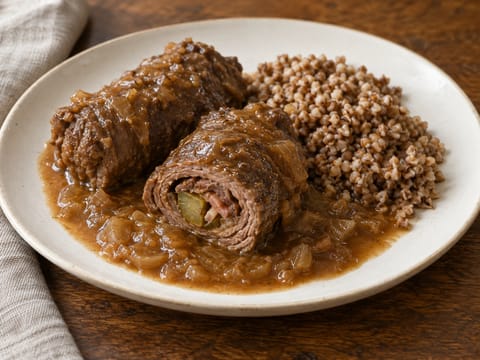
Braised Polish beef roulades served with buckwheat

Chicken tinga on crisp tostadas with avocado and crema
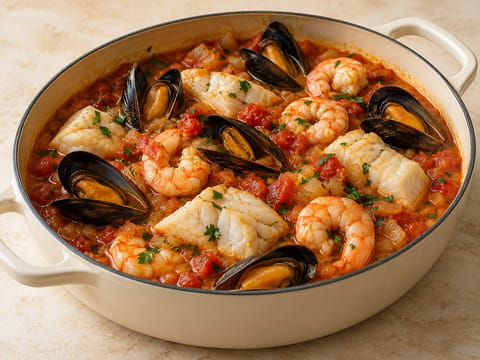
Spanish seafood casserole in saffron tomato broth
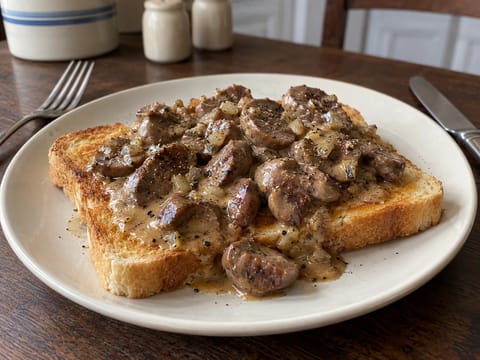
Spicy lamb kidneys in creamy sauce on buttered toast.
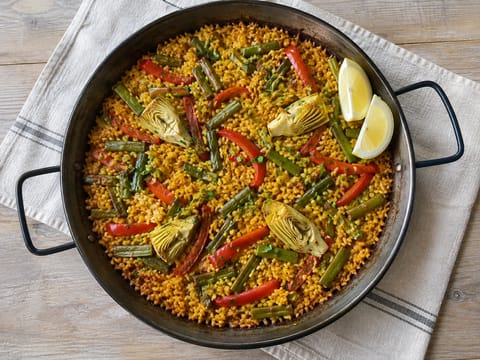
Vegetarian Spanish paella with saffron bomba rice and vegetables
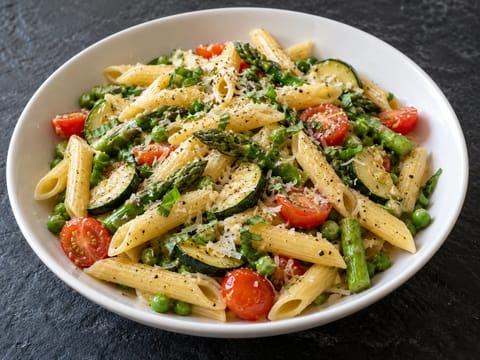
Pasta primavera with spring vegetables, lemon and Parmesan
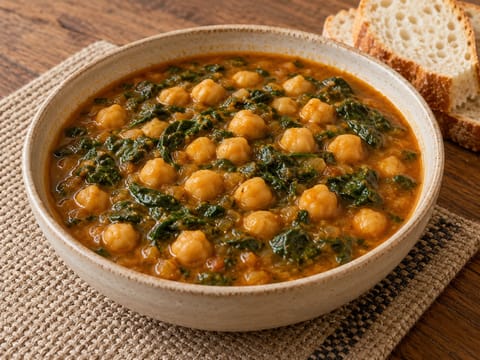
Spanish chickpea and spinach stew with paprika and sherry vinegar
Not always, but winter does suit longer methods because you can run the oven or a simmering pot comfortably. Quick winter meals often rely on roasting, pan-searing or using a strongly flavoured sauce to add depth fast.
Build in contrast. Add acidity (lemon, vinegar, pickles), something green or bitter, and a crunchy element. Even a rich stew benefits from a sharp garnish or a crisp side.
The oven gives steady heat and encourages browning, which creates savoury flavour. It is also practical when you want hands-off cooking or need food to stay warm for serving.
Yes, especially when they are built from sturdy leaves, shredded vegetables, citrus and sharp dressings. Winter salads are often about crunch and acidity rather than delicate greens.
Think savoury aromatics and spices: long-cooked onions, garlic, ginger, chilli, cumin, smoked paprika, black pepper, and herbs like thyme or rosemary, balanced with something sharp.
Winter is the season for oven heat and slow-building flavour. Choose a warming main, then make it feel complete with a bright, crisp side or a sharp finishing note.
