
Escudella i Carn d’Olla (Catalan Meat and Vegetable Stew)
Why this recipe works
- Two-part serving: Serving the pasta broth first and the meats and vegetables afterwards reflects the classic structure of the dish.
- Deep savoury broth: Chicken, pork and beef simmer together, giving the broth richness, body and a rounded meaty flavour.
- Hearty and substantial: Tender meat, chickpeas, potatoes, cabbage and pasta make the dish filling without needing extra sides.
Get the most out of this recipe
Authenticity notes
- Catalan serving style: The broth is traditionally served as a first course, followed by the cooked meats and vegetables as a second course.
- Pasta choice: Small pasta such as acini di pepe is a common option for the broth, though shells work well and are easy to find.
Timing notes
- Mostly hands-off cooking: The active work is mainly skimming, preparing vegetables and straining; most of the time is gentle simmering.
- Cook pasta just before serving: Add the pasta after straining the broth so it stays tender rather than softening in storage.
Make-ahead tips
- Keep components separate: Store the broth, meats and vegetables separately from the pasta to preserve the texture.
- Reheat gently: Bring the broth back to a gentle simmer, then warm the meats and vegetables in it until piping hot.
- Freeze without pasta: The broth and meats freeze well; cook fresh pasta when serving for the best texture.
Common mistakes
- Boiling too hard: A vigorous boil can cloud the broth and make the meat less tender; keep the pot at a gentle simmer.
- Adding vegetables too early: Add the potatoes, carrots and cabbage later in cooking so they become tender without falling apart.
- Leaving pasta in the broth: Pasta continues to absorb liquid as it sits, so store it separately or cook it fresh for serving.
Equipment you'll need
Ingredients
Instructions
- Put the chicken, pork and beef into a large stockpot and cover with about 2.5 l water. Bring to a gentle simmer, skimming off any foam for the first 10 minutes so the broth stays clear. Add the garlic, peppercorns and 1 tsp of the salt.
- Keep the pot at a very gentle simmer, partially covered, until the meats are starting to turn tender. Skim occasionally and top up with a little water if needed to keep everything submerged. The broth should taste rich and meaty.
- Peel the carrots and potatoes, then cut them into large chunks so they hold their shape. Cut the cabbage into thick wedges. Add the carrots and potatoes to the pot and simmer until they are nearly tender.
- Rinse and drain the chickpeas, then add them along with the cabbage. Simmer until the cabbage is tender and the meats are fully yielding when pierced. Taste and add the remaining 1 tsp salt if needed.
- Lift out the meats and vegetables with a ladle and set aside, keeping them warm. Strain the broth through a colander into a clean pot, then return it to a gentle simmer. Add the pasta shells and cook until tender, stirring once or twice so they do not stick.
- Serve the broth with pasta first, piping hot. Then serve the meats and vegetables on a platter, with a little broth spooned over to keep them juicy. Crush a clove of the cooked garlic into the broth or over the meats if you like a stronger garlic note.
Recipe notes
Tips
- Keep the simmer very gentle; a hard boil will make the broth cloudy and can toughen the meat.
- For the cleanest broth, skim diligently during the first 10 to 15 minutes, then only occasionally after that.
- If serving vulnerable people, ensure the chicken is cooked until piping hot throughout and the juices run clear.
Substitutions
- Replace pasta shells with acini di pepe for a more traditional, small pasta in the broth.
- Replace black peppercorns with white peppercorns for a softer pepper flavour and a clearer-looking broth.
Storage
- Refrigerate up to 3 days
- Cool the broth, meats and vegetables quickly, then refrigerate separately from the pasta to prevent it going soft. Reheat the broth to a gentle simmer until piping hot, then warm the meats and vegetables in the broth for 5 to 10 minutes. Freeze the broth and meats for up to 3 months; cook fresh pasta when serving.
Ratings & reviews
Liked this recipe? Share your feedback to support our cooking community.
Tried this recipe?
Choose 1–5 stars. A comment is optional.
Stay inspired
Discover new recipes, seasonal favourites and cooking inspiration every day. Follow JustRecipes on Pinterest and Spillt.
Recipe overview
- Servings: 4 servings
- Total time: 3h (35min active)
- Difficulty: Advanced
- Cuisine: Spanish
-
Allergens:
Gluten Wheat
Plan your meals and get a complete grocery list automatically.
Add to meal plannerGot ingredients left?
Find recipes using ingredients from this recipe or what you already have at home.
Find recipes with these ingredients →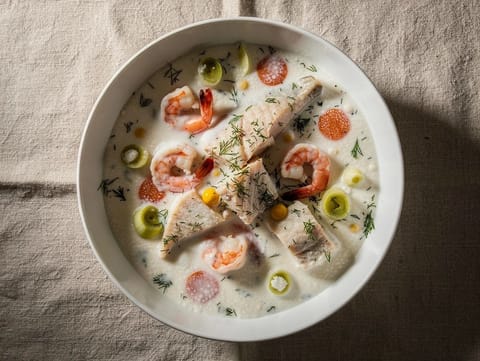
Sjømatgryte (Nordic Fish and Prawn Stew with Cream)
Creamy fish and prawn stew with dill and lemon
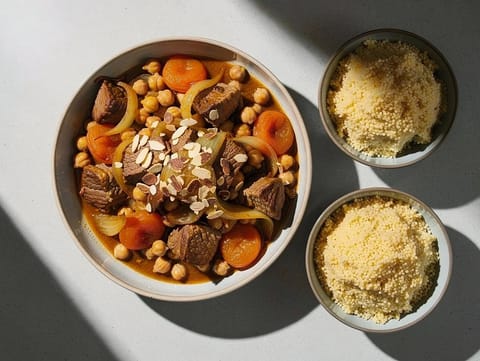
Lamb Tagine with Apricots and Chickpeas
Lamb tagine with apricots, chickpeas and warm spices
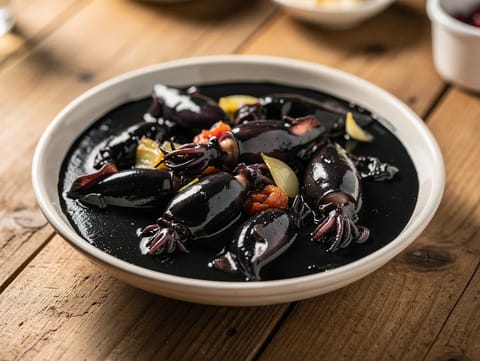
Chipirones en su Tinta (Spanish Squid in Ink Sauce)
Spanish squid stewed in a glossy ink sauce
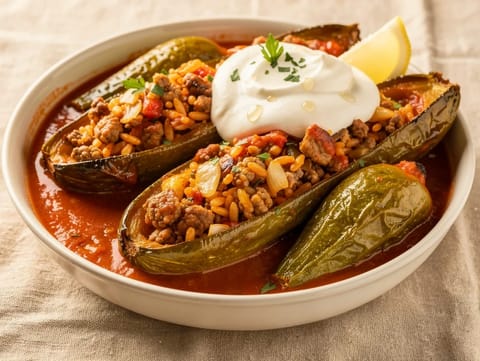
Turkish Stuffed Courgettes with Minced Lamb and Rice
Courgettes stuffed with minced lamb and rice in tomato sauce
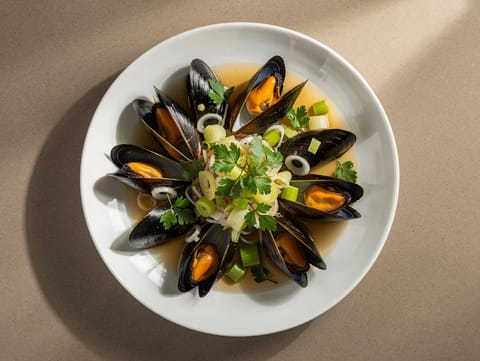
Belgian Mussels Steamed in White Wine with Leeks and Celery
Mussels steamed in white wine with leeks and celery
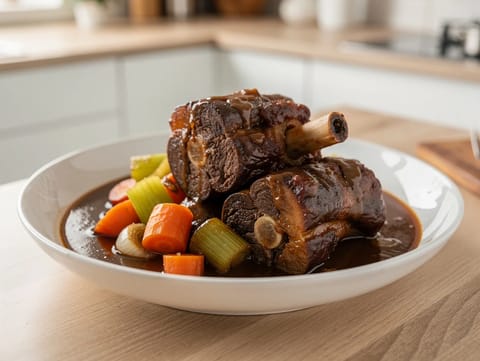
Rabo de Toro Estofado (Braised Oxtail Stew)
Braised oxtail stew with red wine and vegetables
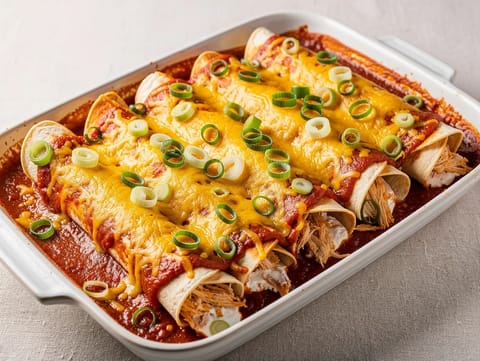
Buffalo Chicken Enchiladas
Baked buffalo chicken enchiladas with cheddar and tomato topping
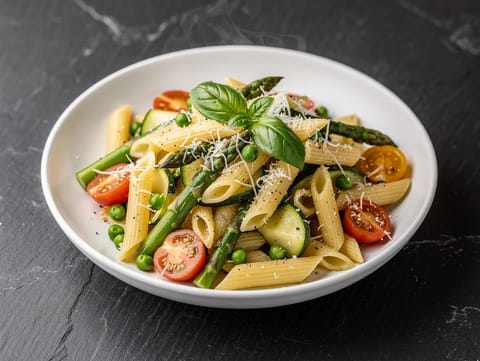
Vegetarian Pasta Primavera
Pasta primavera with spring vegetables, lemon and Parmesan
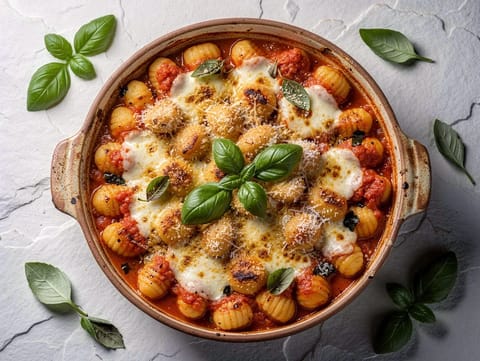
Gnocchi alla Sorrentina (Baked Gnocchi with Tomato, Basil and Mozzarella)
Baked gnocchi in tomato and basil with mozzarella topping
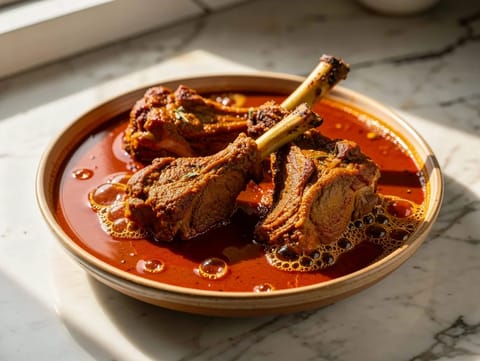
Laal Maas (Rajasthani Fiery Red Mutton Curry)
Fiery Rajasthani mutton curry with dried red chillies and yoghurt
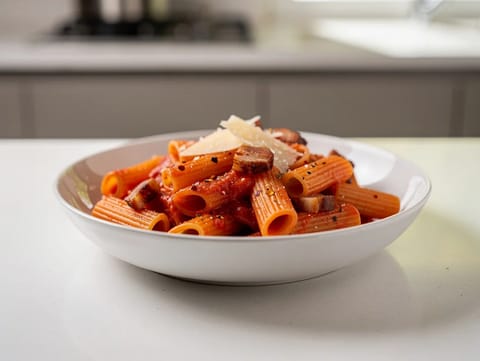
Rigatoni all’Amatriciana (Rigatoni with Guanciale and Tomato)
Rigatoni with guanciale, tomato sauce and Pecorino Romano
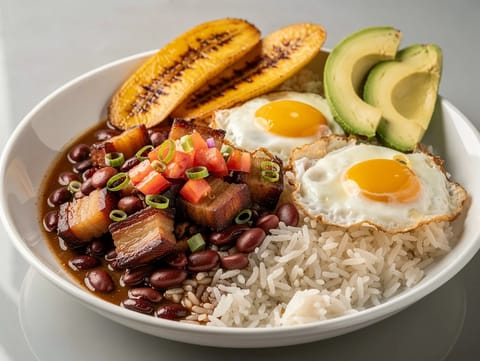
Bandeja Paisa (Colombian Mixed Platter)
Colombian mixed platter with beans, rice, pork, egg and plantain
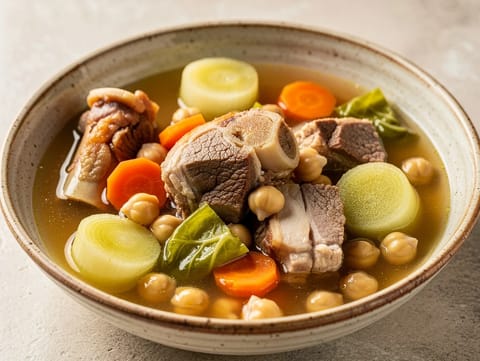
Escudella Catalana (Catalan Beef and Pork Stew with Chickpeas and Pasta)
Catalan stew with beef, pork, chickpeas and pasta
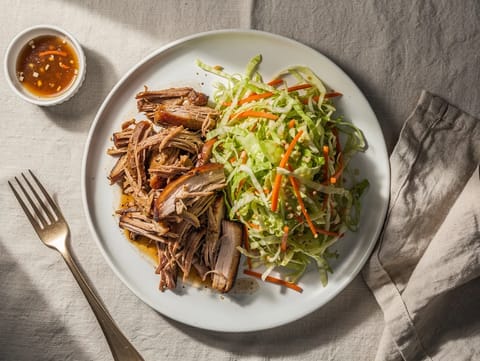
Slow-Cooked Pulled Pork with Vinegar Slaw
Slow-cooked pulled pork with crisp vinegar slaw
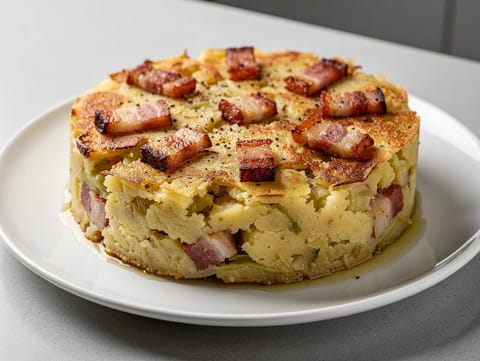
Trinxat de la Cerdanya (Pan-Fried Potato and Cabbage with Pork Belly)
Pan-fried potato and cabbage trinxat with garlic and pork belly
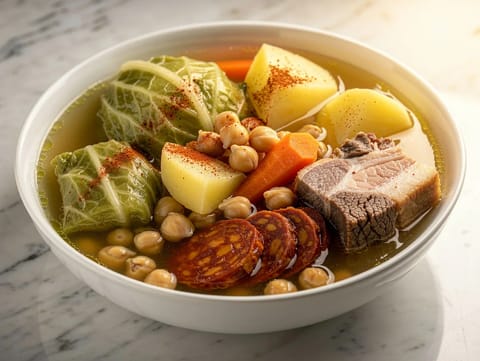
Cocido Madrileño (Madrid Chickpea Stew with Beef, Pork and Chorizo)
Madrid chickpea stew with beef, pork belly and chorizo
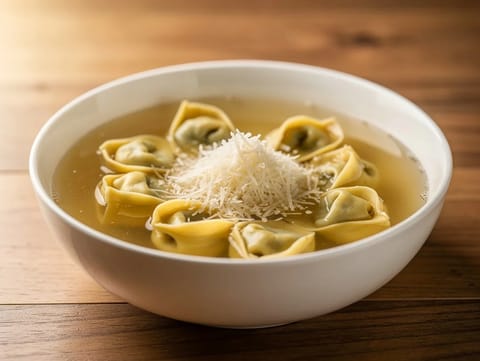
Tortellini in Brodo (Tortellini in Clear Chicken and Beef Broth)
Tortellini served in clear chicken and beef broth
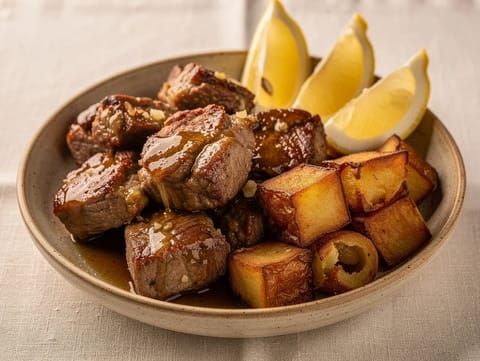
Rojões à Minhota (Pork Fried in Lard with Potatoes)
Marinated pork fried in lard with crisp potatoes and lemon
You might also like
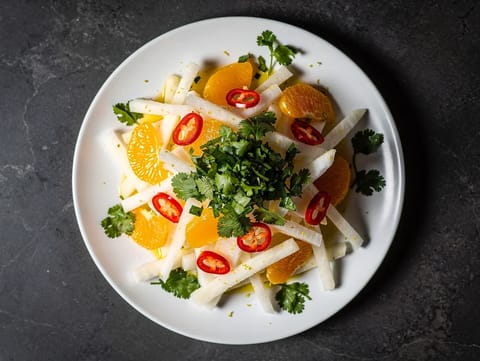
Jícama Salad with Orange, Lime and Chilli
Crunchy jícama salad with orange, lime and chilli
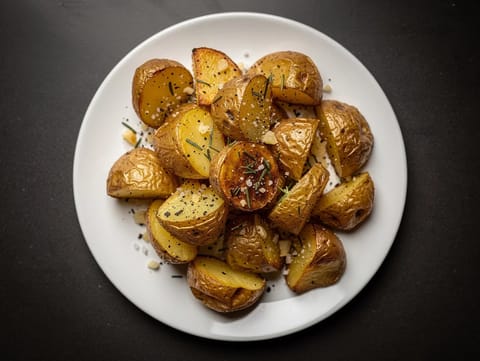
Air Fryer Roast Potatoes
Crisp air fryer roast potatoes with rosemary and garlic.
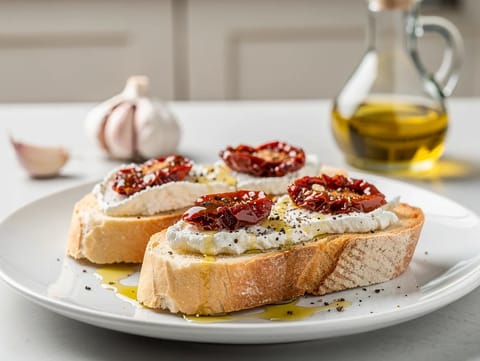
Crostini with Ricotta and Sun-Dried Tomatoes
Toasted crostini topped with ricotta and sun-dried tomatoes

Espresso Banana Smoothie
A creamy espresso banana smoothie with milk and yoghurt.

Caribbean Papaya Banana Smoothie
Papaya and banana smoothie with yoghurt, lime and coconut milk.

Air Fryer Cajun Chicken Tenders
Cajun-spiced chicken tenders cooked crisp in the air fryer.
Enjoy cooking with JustRecipes?
Add JustRecipes as one of your preferred Google sources to discover our recipes more easily across Google Search.
Add JustRecipes to GoogleEvery recipe on JustRecipes follows the same structured editorial process. Learn how recipes are created, validated, translated, illustrated, and continuously improved across the platform. How we create recipes.
