
Choucroute de la Mer (Seafood Sauerkraut)
Why this recipe works
- Aromatic base: Shallot, juniper, peppercorns and bay gently perfume the sauerkraut before the seafood is added.
- Bright but balanced: Rinsing and squeezing the sauerkraut softens its sharpness, while lemon restores freshness at the end.
- Gentle one-pot cooking: The seafood steams directly over the sauerkraut, keeping the fish tender and letting the shellfish juices enrich the cabbage.
Get the most out of this recipe
Authenticity notes
- Seafood variation: Choucroute de la Mer is a coastal-style variation of Alsatian choucroute, replacing the usual cured meats with fish and shellfish.
- Wine-simmered cabbage: Gently simmering sauerkraut with white wine and aromatics gives the dish its recognisable savoury-tangy base.
Ingredient notes
- Prepare the sauerkraut properly: Rinse and squeeze the sauerkraut well so it stays lively without making the finished dish too sharp or watery.
- Choose fresh mussels: Use mussels that smell clean and briny, and discard any that are cracked or do not close when tapped before cooking.
- Use a dry white wine: A dry white wine keeps the cabbage bright and savoury; a sweeter wine will make the dish rounder and less crisp.
Common mistakes
- Boiling too hard: Keep the sauerkraut at a gentle simmer once the wine is added; a rapid boil can make the cabbage harsh and the seafood tough.
- Overcooking the seafood: Add the fish, prawns and mussels only at the end, then cook just until the mussels open, the prawns turn pink and the fish flakes easily.
- Keeping leftovers too long: This dish is best eaten straight away. If storing leftovers, chill them quickly and reheat gently so the seafood does not become rubbery.
Timing notes
- Serve as soon as the seafood is cooked: The texture is at its best immediately after steaming, while the fish is still moist and the mussels are freshly opened.
- Best on the day it is made: Because the dish relies on delicate seafood, it is better served fresh rather than made fully in advance.
Equipment you'll need
Ingredients
Instructions
- Thinly slice the shallots. Lightly crush the juniper berries and black peppercorns with the side of a knife to help them release their aroma. Cut the sea bass into large portions and set aside.
- Rinse the sauerkraut in a colander under cold water, then squeeze it well so it is damp rather than dripping. This keeps the flavour bright without becoming overly sharp. Set aside.
- Melt 40 g of the butter in a large pot over a medium heat. Add the shallots and cook for 3 to 4 minutes until softened but not coloured. Stir in the crushed juniper berries, peppercorns and bay leaves.
- Add the sauerkraut and pour in the white wine. Bring to a gentle simmer, then cover and cook over a low heat for 20 minutes so the cabbage perfumes the wine. Keep it at a quiet bubble, not a rapid boil.
- Meanwhile, scrub the mussels and pull off any beards; discard any that are cracked or do not close when tapped. If needed, rinse the prawns quickly and pat dry. Zest the lemon, then cut it into wedges.
- Nestle the sea bass on top of the sauerkraut, then scatter over the prawns and mussels. Cover and steam for 6 to 10 minutes, until the mussels have opened, the prawns are pink, and the fish flakes easily. Discard any mussels that remain closed.
- Turn off the heat and add the remaining 20 g butter, letting it melt into the sauerkraut for a glossy finish. Stir in the lemon zest, then taste the cabbage and adjust with a squeeze of lemon if you want it brighter. Serve hot with lemon wedges alongside.
Recipe notes
Tips
- Keep the heat low once the wine is added; a gentle simmer keeps the sauerkraut tender and stops the seafood from overcooking.
- For best results, choose mussels that smell clean and briny, and cook them the day you buy them.
- If serving anyone who is pregnant, elderly, or immunocompromised, make sure the seafood is thoroughly cooked and the mussels are fully opened before eating.
Substitutions
- Replace sea bass fillet with sea bream for a similar delicate texture and cooking time.
- Replace dry white wine with a slightly sweeter white wine if that is what you have; the dish will taste rounder and less sharp.
- Replace unsalted butter with salted butter, then go easy on any additional seasoning at the table.
Storage
- Refrigerate up to 1 days
- Best eaten straight away. If you have leftovers, cool quickly and refrigerate; reheat the sauerkraut gently in a covered pot until piping hot, then add the seafood just long enough to warm through to avoid it turning tough.
Ratings & reviews
Liked this recipe? Share your feedback to support our cooking community.
Tried this recipe?
Choose 1–5 stars. A comment is optional.
Stay inspired
Discover new recipes, seasonal favourites and cooking inspiration every day. Follow JustRecipes on Pinterest and Spillt.

Recipe overview
- Servings: 4 servings
- Total time: 55min (25min active)
- Difficulty: Medium
- Cuisine: French
-
Allergens:
Crustaceans Fish Milk Molluscs
Plan your meals and get a complete grocery list automatically.
Add to meal plannerEquipment you'll need
Got ingredients left?
Find recipes using ingredients from this recipe or what you already have at home.
Find recipes with these ingredients →
Carne Mechada (Spanish Shredded Braised Beef with Sherry)
Spanish shredded braised beef with paprika and sherry
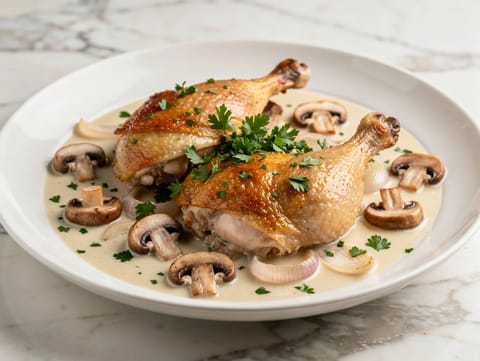
Coq au Vin Blanc (Chicken Braised in White Wine)
Chicken braised in white wine with mushrooms and herbs
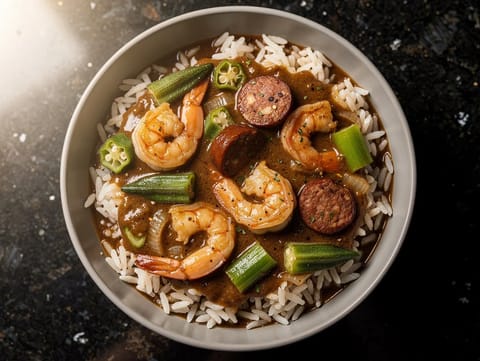
Gumbo (Southern Stew with Prawns and Andouille)
Southern stew with prawns, andouille, okra and dark roux
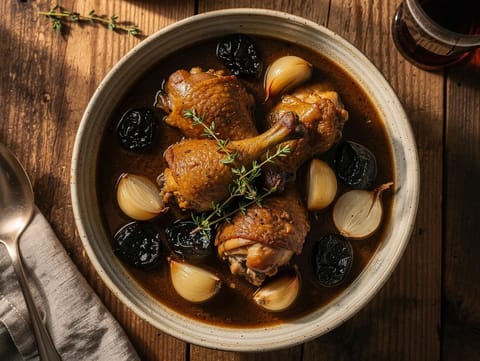
Belgian Rabbit Stew with Prunes and Dark Beer
Rabbit stew with prunes and dark beer
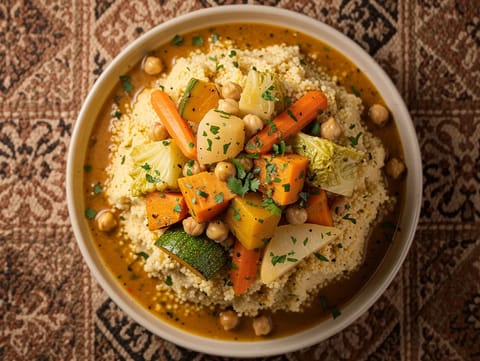
Couscous with Seven Vegetables (Moroccan)
Steamed couscous topped with spiced vegetables and chickpeas
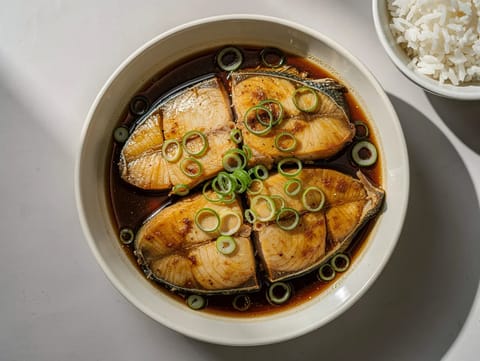
Cá Kho Tộ (Caramelised Fish Braise)
Caramelised fish braise served with jasmine rice
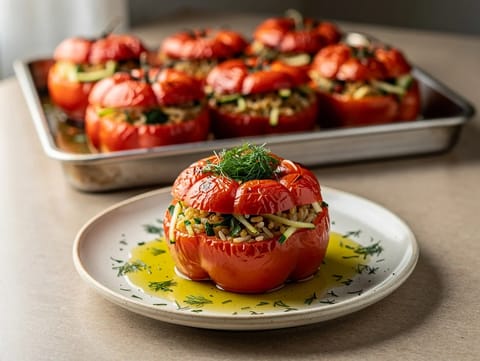
Modern Gemista Traybake (Stuffed Peppers and Tomatoes)
Traybaked stuffed peppers and tomatoes with herby lemon rice

Tarte Flambée Alsacienne (Alsatian Cream and Bacon Flatbread)
Thin flatbread with crème fraîche, onions and streaky bacon

Chinese New Year Dumplings (Pork and Chinese Cabbage)
Boiled dumplings with pork and Chinese cabbage filling
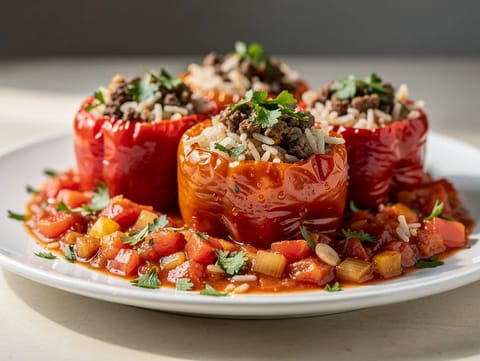
Moroccan Stuffed Peppers with Minced Beef, Rice and Tomato Sauce
Stuffed peppers with spiced beef and rice baked in tomato sauce
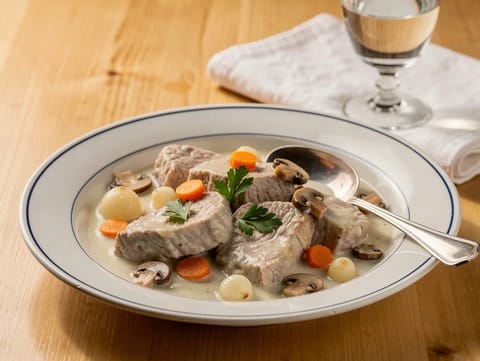
Blanquette de Veau (Creamy French Veal Stew)
Creamy veal stew with mushrooms, carrots and a velvety sauce

Scaloppine al Marsala (Veal in Marsala Sauce)
Veal escalopes in a reduced Marsala wine sauce
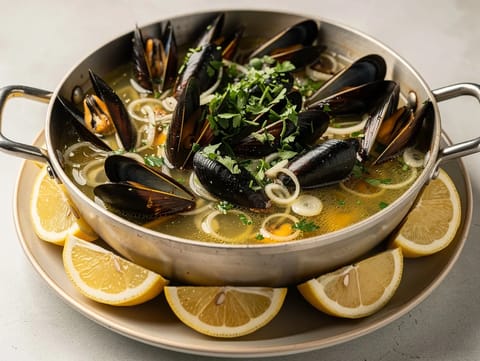
Sautéed Mussels with Herbs
Mussels with garlic, shallots, white wine and herbs
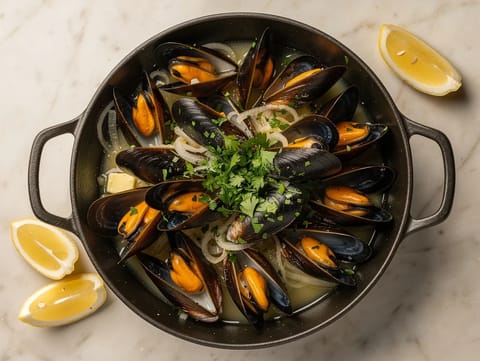
Moules Marinières (Mussels in White Wine)
Mussels steamed in white wine with garlic and parsley
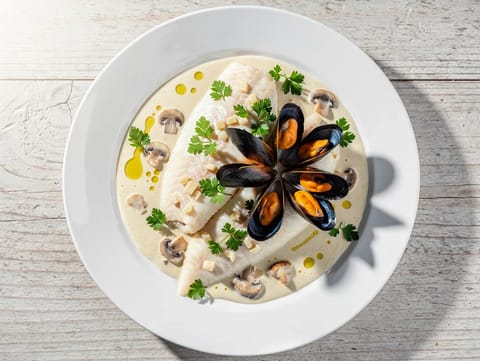
Sole à la Normande (Sole with Cream and Mussels)
Poached sole with mussels in a creamy white wine sauce
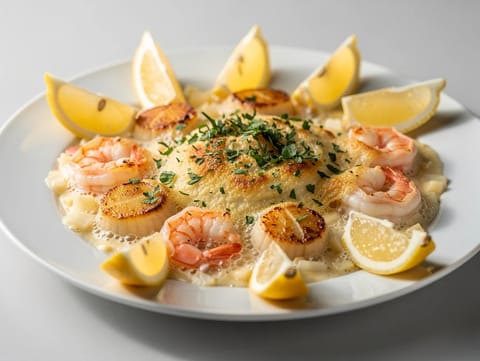
Gratin de Fruits de Mer (French Seafood Gratin)
Seafood gratin with prawns, scallops, white wine cream and Gruyère

Salmon with Lemon Beurre Blanc
Pan-seared salmon with lemon beurre blanc
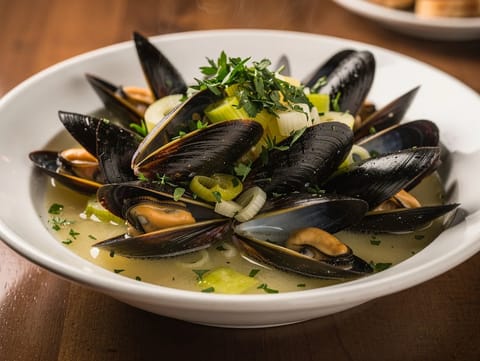
Mosselen Natuur (Steamed Mussels with White Wine)
Mussels steamed with white wine, leeks and celery
You might also like
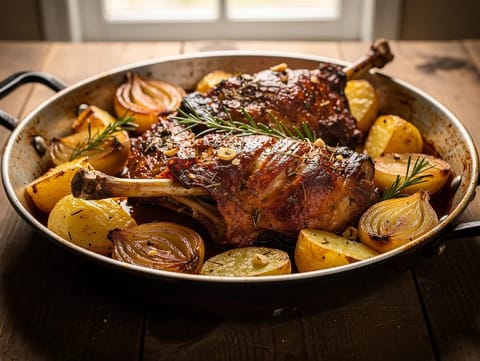
Cabrito Assado de Páscoa (Easter Roast Kid Goat with Potatoes)
Roast kid goat with potatoes, onions, garlic and white wine
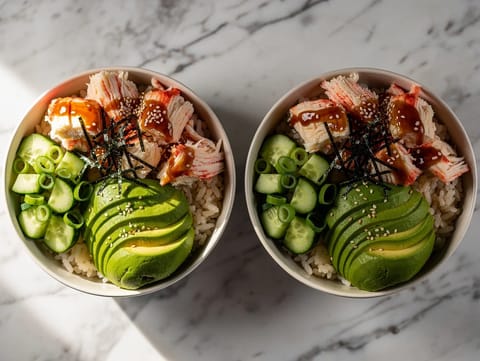
Crab Poke Bowl
Crab poke bowl with sushi rice, avocado and cucumber.

Sweet Potato Bravas with Smoky Tomato Bravas Sauce
Roasted sweet potato wedges with smoky tomato bravas sauce

Corn Dogs (Frankfurters in Crispy Cornmeal Batter)
Fried cornmeal-battered frankfurters served hot with mustard
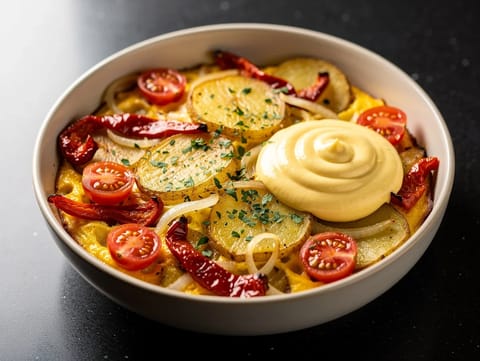
Modern Tortilla Española Bowl with Garlic Aioli
Tortilla española style bowl with potatoes, eggs and garlic aioli

Kalops (Swedish Beef Stew with Allspice and Bay)
Swedish beef stew with onions, allspice and bay leaf
Make this recipe easier next time
AdvertisementThese tools help you get better results with less effort.
Misen 8-Inch Chef Knife
- AUS-10 steel
- Balanced design
- Less traditional feel
Titanium & PP Double-Sided Cutting Board
- Separate surfaces for meat and produce
- Resists odors and stains
- Harder on knife edges than wood or plastic
WÜSTHOF Classic 8-Inch Chef's Knife
- Excellent build quality
- Reliable edge retention
- Expensive
OXO Good Grips 2-Piece Cutting Board Set
- Two useful sizes with reversible cutting surfaces
- Dishwasher safe and easy to clean
- Plastic surfaces will show knife marks over time
Enjoy cooking with JustRecipes?
Add JustRecipes as one of your preferred Google sources to discover our recipes more easily across Google Search.
Add JustRecipes to GoogleEvery recipe on JustRecipes follows the same structured editorial process. Learn how recipes are created, validated, translated, illustrated, and continuously improved across the platform. How we create recipes.
