
Agnello al Forno di Pasqua (Easter Roast Lamb with Potatoes)
Why this recipe works
- Classic aromatic base: Garlic, rosemary, lemon and olive oil season both the lamb and potatoes, giving the whole pan a cohesive savoury flavour.
- Two-stage roasting: Starting hot helps brown the lamb and potatoes, then gentler roasting allows the meat to cook through without drying out.
- Built-in side dish: The potatoes roast around the lamb, absorbing the pan juices while becoming browned at the edges.
- Simple pan jus: White wine deglazes the roasting pan, turning the browned bits into a glossy sauce for spooning over the carved lamb.
Get the most out of this recipe
Timing notes
- Rest before carving: Let the lamb rest after roasting so the juices settle and the slices stay moist.
- Mostly hands-off: The active work is mainly seasoning the lamb, preparing the potatoes and finishing the pan jus; the oven does most of the cooking.
- Serve soon after carving: Carve once rested and spoon over the warm jus at the table for the best texture and flavour.
Ingredient notes
- Bone-in lamb leg: A bone-in leg gives the roast structure and flavour, and suits a centrepiece-style presentation.
- Use fresh rosemary if possible: Fresh rosemary gives a cleaner, more aromatic flavour than dried herbs in this simple roast.
- Choose a dry wine: A dry white wine keeps the pan jus savoury and bright rather than sweet.
Common mistakes
- Use a thermometer: Check the lamb’s internal temperature rather than relying only on time, as size and oven performance can vary.
- Do not skip the temperature reduction: The initial high heat browns the roast, but reducing the oven helps the lamb finish more gently.
- Avoid carving too early: Cutting into the lamb straight from the oven can cause more juices to run out onto the board.
Make-ahead tips
- Prepare the aromatics ahead: The garlic, rosemary, lemon and oil mixture can be prepared in advance and kept chilled until needed.
- Reheat gently: Warm leftovers in a 180°C (355°F) oven until piping hot, adding a little moisture to help protect the lamb from drying.
- Freeze leftovers separately: Freeze sliced lamb and potatoes in separate containers for better texture, then defrost in the fridge before reheating.
Equipment you'll need
Ingredients
Instructions
- Heat the oven to 220°C (430°F). Pat the lamb dry and set it in a roasting pan.
- Cut the potatoes into chunky pieces and add them to the pan around the lamb. Lightly crush the garlic cloves, strip the rosemary leaves from the sprigs, then finely grate the lemon zest and squeeze the juice.
- Mix the olive oil with the garlic, rosemary, lemon zest and juice, salt, and black pepper. Rub this all over the lamb, then toss the potatoes in the oily juices in the pan.
- Roast for 20 minutes to brown the lamb and start crisping the potatoes. Turn the potatoes once if they are colouring quickly at the edges.
- Reduce the oven to 180°C (355°F) and continue roasting until the lamb is tender and a thermometer reads 60°C (140°F) for medium, or 65°C (150°F) for medium-well. Stir and turn the potatoes once or twice during roasting so they brown evenly.
- Transfer the lamb to a board and rest for 15 minutes; keep the potatoes warm in the switched-off oven. Carefully pour off excess fat from the roasting pan, leaving the browned bits and a little of the juices behind.
- Place the roasting pan over a medium heat on the hob and pour in the white wine. Scrape up the browned bits and simmer for 2 to 4 minutes until slightly reduced and glossy, then taste and adjust with a pinch more salt or pepper if needed.
- Carve the lamb and serve with the roast potatoes. Spoon the white wine pan jus over the lamb at the table.
Recipe notes
Tips
- For deeper flavour, make small slits in the lamb and push in a little of the garlic and rosemary mixture before roasting.
- If the potatoes are browning too fast before the lamb is ready, move them to the corners of the pan and turn them so the paler sides face down.
- For food safety, cook lamb to your preferred doneness using a thermometer, and rest it so the juices redistribute before carving.
Substitutions
- Replace Fresh rosemary with Fresh thyme for a softer, more floral herb note.
- Replace Dry White Wine with Dry red wine for a darker, richer pan jus.
Storage
- Refrigerate up to 3 days
- Cool leftovers quickly, then refrigerate in a sealed container. Reheat lamb and potatoes in a 180°C (355°F) oven until piping hot; add a splash of water to the pan jus and warm gently on the hob. Freeze sliced lamb and potatoes separately for best texture, and defrost overnight in the fridge before reheating.
Ratings & reviews
Liked this recipe? Share your feedback to support our cooking community.
Tried this recipe?
Choose 1–5 stars. A comment is optional.
Stay inspired
Discover new recipes, seasonal favourites and cooking inspiration every day. Follow JustRecipes on Pinterest and Spillt.

Recipe overview
- Servings: 4 servings
- Total time: 2h 15min (25min active)
- Difficulty: Medium
- Cuisine: Italian
Plan your meals and get a complete grocery list automatically.
Add to meal plannerEquipment you'll need
Got ingredients left?
Find recipes using ingredients from this recipe or what you already have at home.
Find recipes with these ingredients →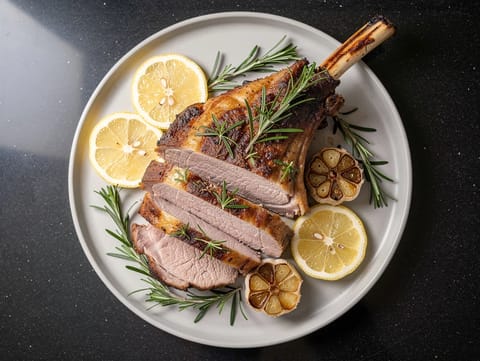
Agnello al Forno con Rosmarino (Roast Lamb with Rosemary, Garlic and Lemon)
Roast lamb with rosemary, garlic and lemon
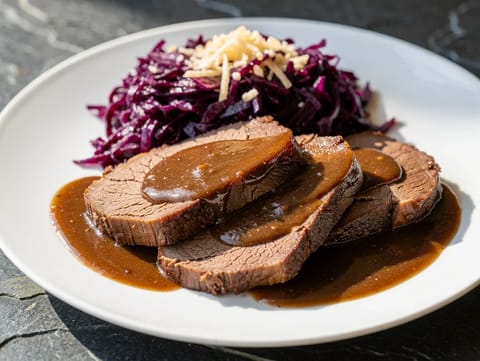
Rheinischer Sauerbraten with Rotkohl (Sweet-Sour Red Cabbage)
Sauerbraten beef served with sweet-sour rotkohl
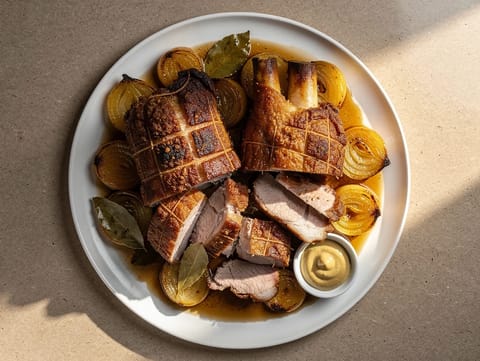
Golonka Pieczona (Polish Roasted Pork Knuckle)
Polish roasted pork knuckle with marjoram, caraway and mustard
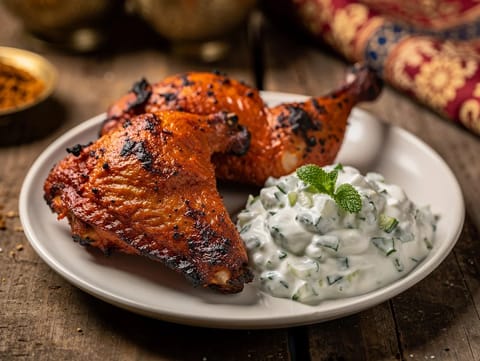
Tandoori Chicken with Raita
Roasted tandoori chicken with cucumber and mint raita
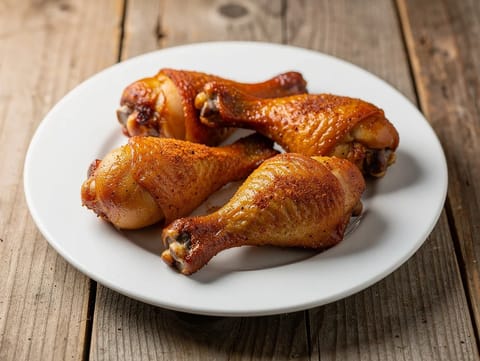
Air Fryer Chicken Drumsticks
Chicken drumsticks air-fried with garlic and paprika until juicy.
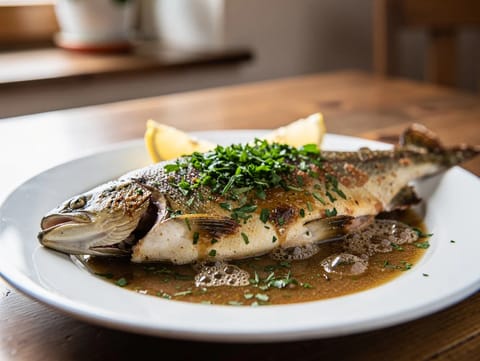
Forelle Müllerin (Pan-Fried Trout with Brown Butter and Lemon)
Crisp pan-fried trout finished with brown butter and lemon

Kluski Śląskie (Silesian Potato Dumplings with Gravy)
Silesian potato dumplings served with a simple pan gravy
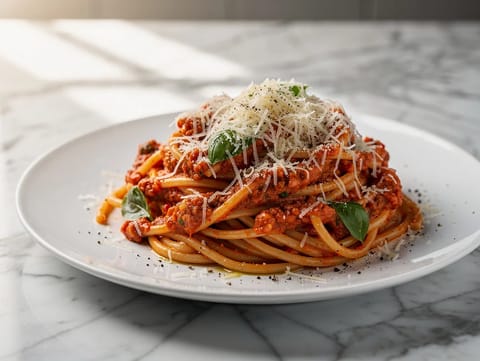
Pasta al Pesto Trapanese (Sicilian Almond Pesto Pasta)
Sicilian pasta with tomato, basil and almond pesto
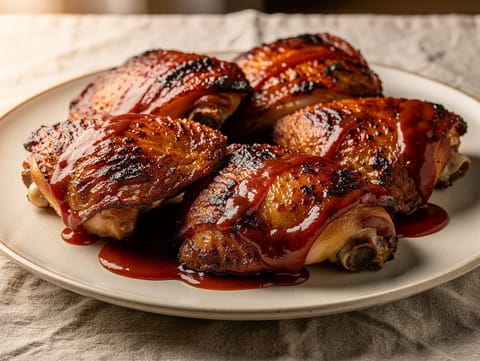
Oven-Baked BBQ Chicken Thighs
Oven-baked BBQ chicken thighs with tangy ketchup sauce

Cod with Romesco Sauce
Pan-seared cod with romesco sauce
Air Fryer Hot Honey Chicken
Crisp air-fried chicken drizzled with hot honey sauce.

Sauerbraten-Inspired Shredded Beef Tacos with Red Cabbage
Shredded beef tacos with braised spices, red cabbage and sour cream
Cordero Asado a la Castellana (Castilian Roast Lamb)
Roast lamb over potatoes with garlic, rosemary and white wine
Agnello al Forno (Roast Lamb with Potatoes and Rosemary)
Roast lamb with potatoes, garlic and rosemary
Cordero Asado de Navidad (Spanish Christmas Roast Lamb)
Roast leg of lamb with rosemary, garlic and potatoes
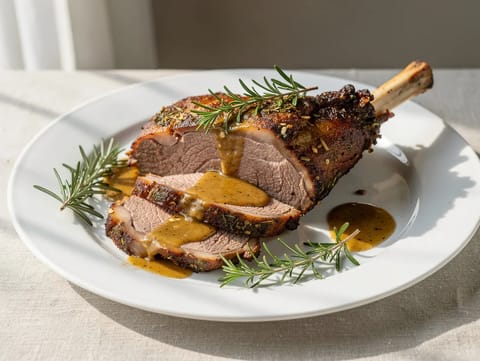
Cordero Asado (Spanish-Style Roast Lamb with Garlic and Rosemary)
Roast lamb with garlic, rosemary, lemon and white wine
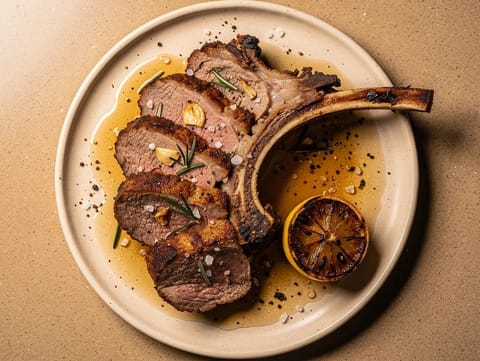
Cordero Asado (Spanish Roast Lamb with Garlic and Rosemary)
Spanish roast lamb with garlic, rosemary, white wine and lemon
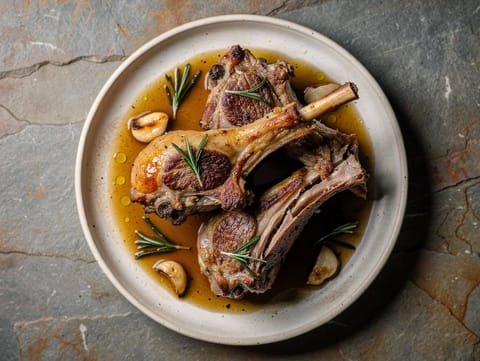
Abbacchio alla Romana (Roman-Style Braised Lamb)
Roman-style braised lamb with rosemary, white wine and lemon
You might also like
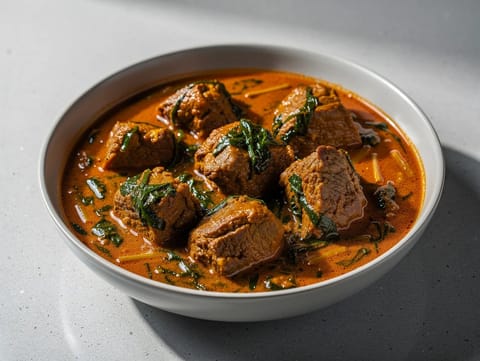
Saag Gosht (Lamb and Mustard Greens Curry)
Lamb curry simmered with mustard greens and spices

Gluten-Free Bangers and Mash with Onion Gravy
Gluten-free sausages with mash and onion gravy

Air Fryer Peri Peri Chicken
Air-fried peri peri chicken thighs with chilli, garlic and lemon.
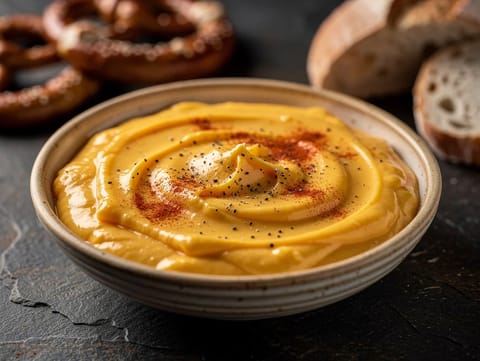
Bavarian Beer Cheese Dip with Lager and Cheddar
Warm lager and cheddar dip with mustard and paprika

Île Flottante (Floating Island Meringue with Vanilla Custard)
Poached meringue floating on vanilla custard with caramel

Linsensuppe mit Würstchen (German Lentil Soup with Frankfurters)
German lentil soup with frankfurters
Make this recipe easier next time
AdvertisementThese tools help you get better results with less effort.
Misen 8-Inch Chef Knife
- AUS-10 steel
- Balanced design
- Less traditional feel
Titanium & PP Double-Sided Cutting Board
- Separate surfaces for meat and produce
- Resists odors and stains
- Harder on knife edges than wood or plastic
WÜSTHOF Classic 8-Inch Chef's Knife
- Excellent build quality
- Reliable edge retention
- Expensive
OXO Good Grips 2-Piece Cutting Board Set
- Two useful sizes with reversible cutting surfaces
- Dishwasher safe and easy to clean
- Plastic surfaces will show knife marks over time
Enjoy cooking with JustRecipes?
Add JustRecipes as one of your preferred Google sources to discover our recipes more easily across Google Search.
Add JustRecipes to GoogleEvery recipe on JustRecipes follows the same structured editorial process. Learn how recipes are created, validated, translated, illustrated, and continuously improved across the platform. How we create recipes.
