
Golonka Pieczona (Polish Roasted Pork Knuckle)
Why this recipe works
- Crisp skin, tender meat: A slower roast cooks the pork through gently, while the final blast of high heat helps the scored skin turn crisp and golden.
- Classic savoury seasoning: Garlic, marjoram, caraway and bay bring a recognisably Polish flavour profile without overwhelming the richness of the pork.
- Rich pan juices: Lager, onions and pork drippings reduce into a glossy serving sauce that keeps the finished dish hearty and satisfying.
Get the most out of this recipe
Texture tips
- Keep the skin dry: Pat the skin very dry before scoring and seasoning; excess moisture will slow browning and soften the crackling.
- Pour beer around the pork: Add the lager to the pan rather than over the skin so the pork roasts instead of steaming.
- Let the slow roast do the work: Pork knuckle needs time for the connective tissue to soften, so avoid rushing the first stage of cooking.
Timing notes
- Mostly hands-off: The active work is mainly seasoning, scoring and basting; most of the time is spent roasting in the oven.
- Rest before carving: A short rest helps the juices settle and makes the meat easier to carve or pull from the bone.
- Best for crisp skin: The meat reheats well, but the crackling is at its best shortly after roasting.
Ingredient notes
- Marjoram and caraway: These two seasonings give golonka its distinctive savoury, herbal aroma and pair well with fatty pork.
- Choose skin-on knuckle: Skin-on pork knuckle is essential here; it provides the crackling and protects the meat during the long roast.
- Changing the beer: Lager keeps the pan juices clean and malty, while ale will give a darker, richer flavour.
Serving ideas
- Mustard on the side: Dijon adds sharpness that cuts through the richness of the pork; a sweeter mustard gives a softer finish.
- Serve with hearty sides: Braised cabbage, sauerkraut, boiled potatoes or rye bread all work well with the rich pork and pan juices.
- Pair with beer: A crisp lager mirrors the cooking liquid and helps balance the salty, roasted flavours.
Equipment you'll need
Ingredients
Instructions
- Heat the oven to 160°C (320°F). Peel the garlic, then crush it to a paste with the fine sea salt, caraway seeds, dried marjoram and black peppercorns (crush the peppercorns first).
- Pat the pork knuckles dry, then score the skin all over in a tight crosshatch, cutting through the skin and fat but not into the meat. Rub the garlic spice paste all over, working it into the scores and around the joint.
- Peel and thickly slice the yellow onions, then scatter them in a roasting pan with the bay leaves. Sit the pork knuckles on top and drizzle with the rapeseed oil.
- Pour in about half the lager beer around the pork (not over the skin), then roast for 2 hours, turning the knuckles once halfway through. Baste the meat and onions with the pan juices every 30 minutes, topping up with a splash more beer if the pan looks dry.
- Increase the oven to 220°C (430°F) and roast for 20 to 30 minutes until the skin is deeply golden and crisp and the meat is very tender. If you have a thermometer, aim for at least 75°C (170°F) in the thickest part, away from the bone.
- Transfer the pork to a board and rest for 10 minutes. Skim excess fat from the roasting pan, then set the pan over a medium heat on the hob and simmer the onions and juices for 3 to 5 minutes until glossy; add a splash of the remaining beer if you want it looser.
- Carve or pull the meat from the knuckles and serve with the onions and pan juices spooned over. Put the Dijon mustard on the side for dipping.
Recipe notes
Tips
- For the best crackling, make sure the skin is very dry before scoring and seasoning, and keep the beer away from the skin so it roasts rather than steams.
- If the onions start to catch during roasting, add a small splash of lager beer to the pan and give the onions a quick stir around the pork.
- Food safety: this dish is cooked until well done; if serving anyone vulnerable, use a thermometer and ensure the pork reaches at least 75°C (170°F) in the thickest part.
Substitutions
- Replace Dijon mustard with Bavarian sweet mustard for a milder, sweeter finish.
- Replace lager beer with ale for a deeper, maltier basting liquor.
Storage
- Refrigerate up to 3 days
- Cool leftovers quickly, then refrigerate in a sealed container with the pan juices. Reheat in a 180°C (355°F) oven, covered, until piping hot; uncover for the last 10 minutes to re-crisp the skin. Freeze shredded meat with some juices for best texture, and defrost overnight in the fridge before reheating.
Ratings & reviews
Liked this recipe? Share your feedback to support our cooking community.
Tried this recipe?
Choose 1–5 stars. A comment is optional.
Stay inspired
Discover new recipes, seasonal favourites and cooking inspiration every day. Follow JustRecipes on Pinterest and Spillt.

Recipe overview
- Servings: 4 servings
- Total time: 3h (25min active)
- Difficulty: Medium
- Cuisine: Polish
-
Allergens:
Mustard
Plan your meals and get a complete grocery list automatically.
Add to meal plannerEquipment you'll need
Got ingredients left?
Find recipes using ingredients from this recipe or what you already have at home.
Find recipes with these ingredients →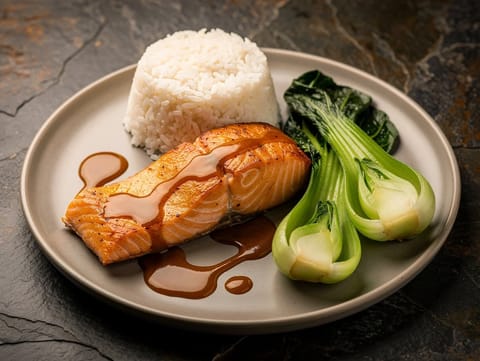
Miso Butter Salmon (Salmon with Miso and Butter Glaze)
Baked salmon with a glossy miso butter glaze
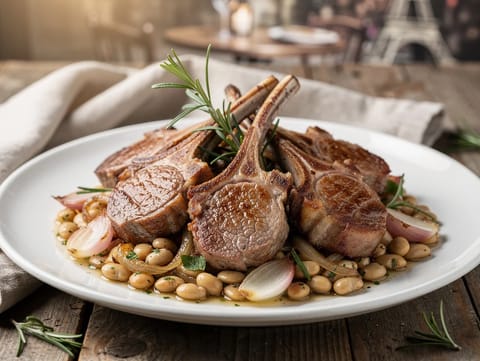
Côtelettes d’Agneau with Flageolet Beans (Lamb Cutlets and Beans)
Seared lamb cutlets served over flageolet beans with rosemary
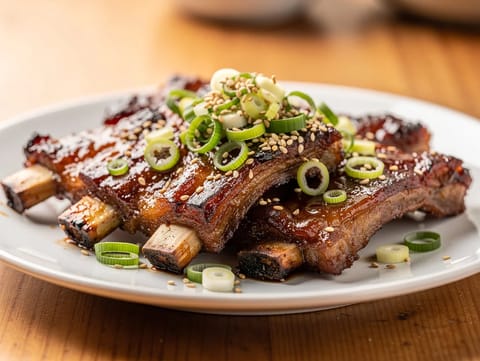
Dwaeji Galbi (Korean Pork Ribs)
Korean pork ribs marinated with soy, garlic and pear
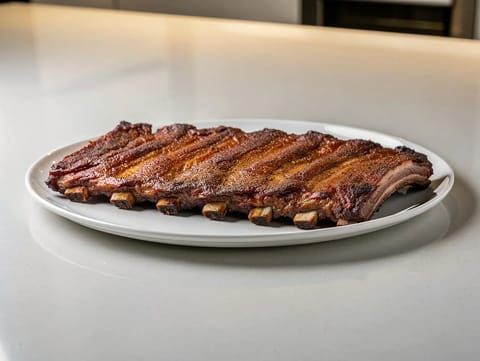
Rack of Pork Ribs with Smoky Dry Rub
Oven-baked pork ribs with smoky dry rub and vinegar sauce
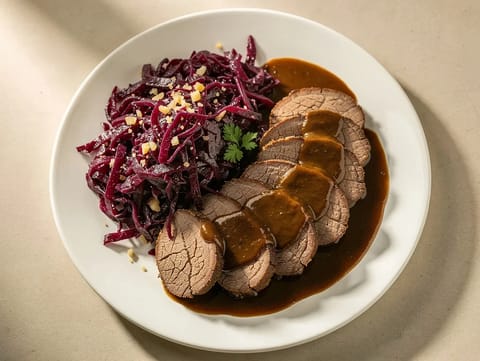
Rheinischer Sauerbraten (German Pot Roast with Red Cabbage)
German pot roast in red wine vinegar with apple red cabbage
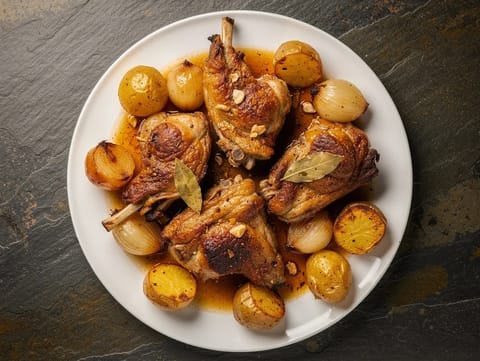
Cabrito no Forno (Roast Kid Goat with Potatoes and Onions)
Roast kid goat with potatoes, onions, olive oil and white wine
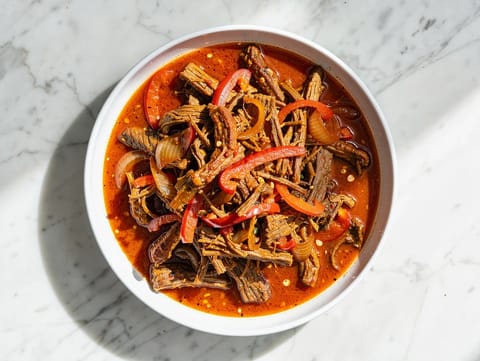
Ropa Vieja (Shredded Beef in Tomato and Pepper Sauce)
Shredded beef brisket simmered in tomato, pepper and cumin sauce
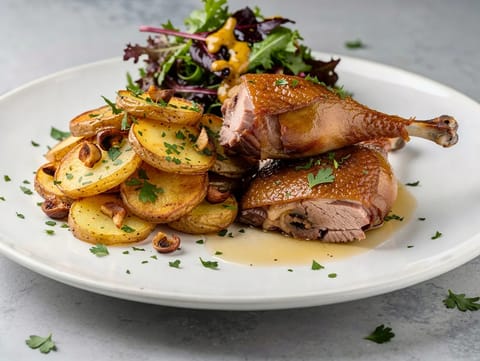
Duck Confit with Sarladaise Potatoes
Duck confit with garlic and parsley Sarladaise potatoes
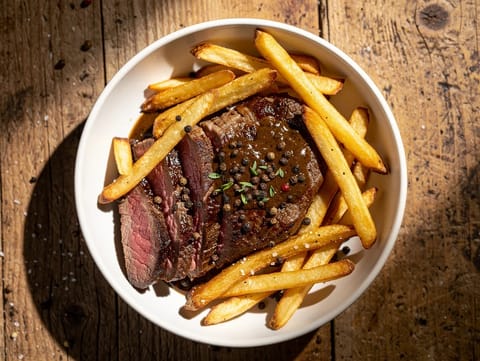
Steak au Poivre with Pommes Frites
Pepper-crusted steak with cognac cream sauce and pommes frites
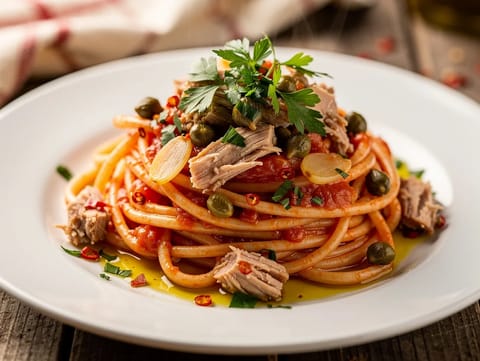
Spaghetti al Tonno (Tuna and Tomato Pasta)
Spaghetti with tuna, tomato, capers and parsley
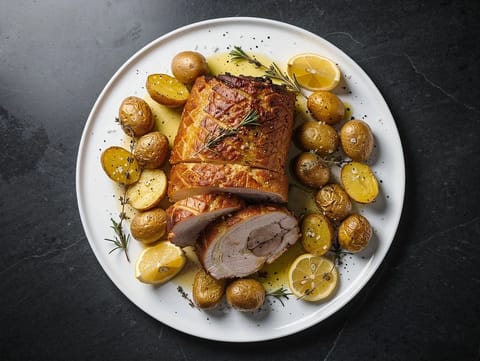
Porchetta con Patate al Forno (Rolled Pork Belly with Roast Potatoes)
Rolled pork belly with roast potatoes and herbs
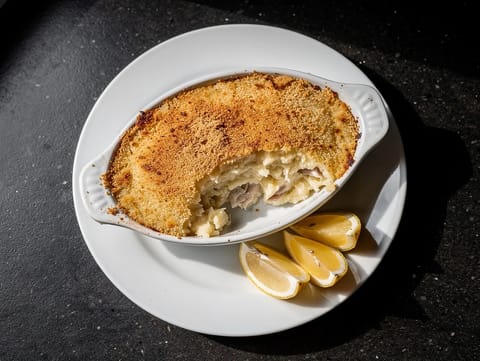
Brandade de Morue Gratinée (Salt Cod and Potato Gratin)
Salt cod and potato brandade baked with a golden breadcrumb topping
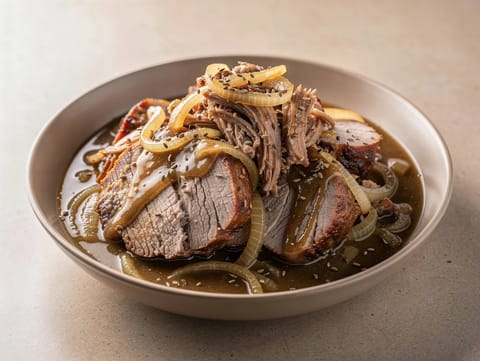
Beer-Braised Pork Shoulder
Pork shoulder slow-braised in lager with onion and caraway
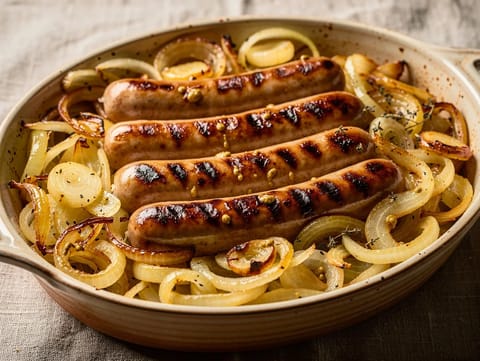
Biała Kiełbasa Pieczona (Baked Polish White Sausage)
Baked Polish white sausage with onion, garlic and marjoram
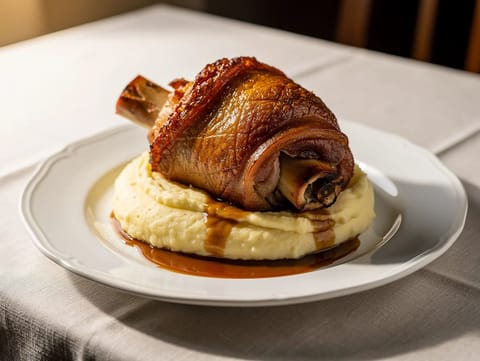
Schweinshaxe (Roasted Pork Knuckle)
Roasted pork knuckle with crisp crackling and simple beer gravy
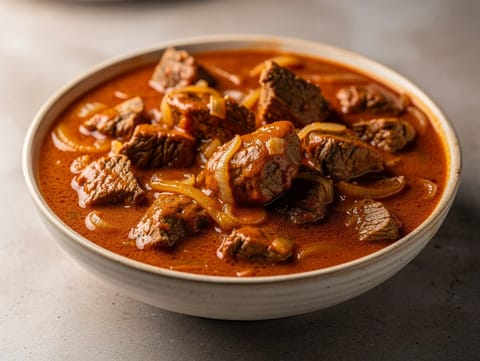
Gulasz Wołowy (Polish Beef Goulash)
Polish beef goulash with paprika, tomato and marjoram
Kassler mit Sauerkraut (Pork with Braised Sauerkraut)
Smoked pork loin with braised sauerkraut, onion and caraway
Senfbraten (Mustard-Crusted Pork Roast with Pan Gravy)
Mustard-crusted pork roast with pan gravy
You might also like

Arroz Caldoso con Bogavante (Brothy Spanish Rice with Lobster)
Brothy Spanish rice with lobster and saffron stock

Dry-Fried Green Beans with Minced Pork
Blistered green beans stir-fried with minced pork and soy sauce
Smoked Salmon Bagel with Cream Cheese
Toasted bagel with smoked salmon, cream cheese and capers

Leche Asada (Chilean Baked Milk Custard)
Chilean baked milk custard with a caramelised browned top
Filloas (Galician Crepes with Honey)
Thin Galician crepes served warm with honey

Rosewater Strawberry Smoothie
Strawberry yoghurt smoothie scented with rosewater and sweetened with honey.
Make this recipe easier next time
AdvertisementThese tools help you get better results with less effort.
Misen 8-Inch Chef Knife
- AUS-10 steel
- Balanced design
- Less traditional feel
T-fal Specialty Nonstick Handy Pot with Glass Lid 3 Quart
- Easy food release
- Dishwasher safe
- Not induction compatible
WÜSTHOF Classic 8-Inch Chef's Knife
- Excellent build quality
- Reliable edge retention
- Expensive
WMF Mini Saucepan 16 cm with Lid
- High-quality stainless steel
- Even heat distribution
- Higher price point
Enjoy cooking with JustRecipes?
Add JustRecipes as one of your preferred Google sources to discover our recipes more easily across Google Search.
Add JustRecipes to GoogleEvery recipe on JustRecipes follows the same structured editorial process. Learn how recipes are created, validated, translated, illustrated, and continuously improved across the platform. How we create recipes.
