
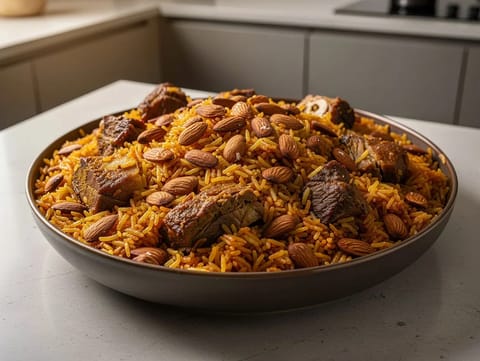
Jordanian Zarb (Slow-Cooked Lamb and Spiced Rice)
Slow-cooked lamb with spiced rice and toasted almonds

Comfort food dinners are the ones you reach for when you want warmth, softness and a sense of being properly fed. They often lean on slow-cooked flavours, gentle spices and textures that feel generous: tender braises, baked pasta, creamy bakes, stews and pies.
Because these meals can be rich, the most useful choice is not just what sounds comforting, but what kind of comfort you want tonight: spoonable and brothy, crisp-topped and baked, or carved and served in slices. That decision also makes it easier to plan the sides.
Comfort food at dinner is less about a single cuisine and more about familiar structure. You will often see a starch that carries sauce well, a long-simmered base, or a baked finish that creates browned edges and a soft centre. Many comfort dinners are designed to be served hot and held warm, which suits family-style serving.
It does not automatically mean heavy or complicated. A simple traybake with a savoury glaze can feel comforting if it delivers caramelised corners and a steady, rounded flavour. Equally, comfort does not require dairy, although creamy elements are common. The through-line is reassurance: predictable seasoning, satisfying mouthfeel and portions that sit comfortably on the plate.
Slow-cooked lamb with spiced rice and toasted almonds
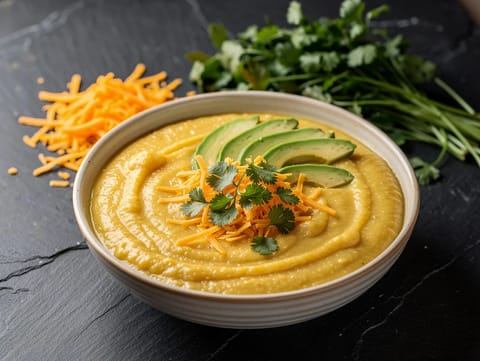
Creamy potato and cheese soup topped with avocado and coriander
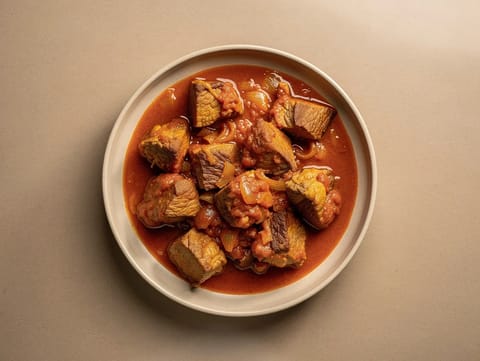
Andalusian pork simmered in a thick tomato and paprika sauce
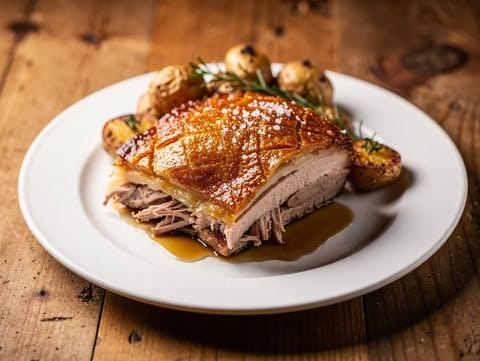
Slow-roasted pork shoulder with crisp crackling and roasting juices
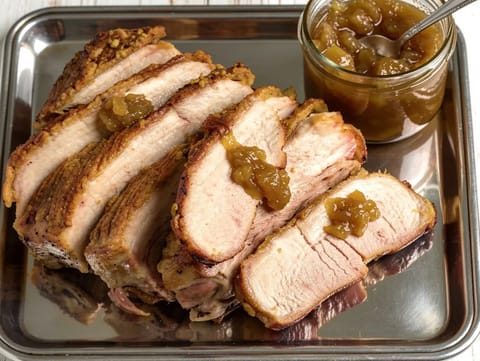
Slow-roasted pork belly with crisp crackling and apple chutney

Mexican sweetcorn cake with condensed milk and cinnamon
If you want something you can eat with a spoon, look for stews, braises and saucy bean dishes. They tend to taste better after a short rest, and they welcome bread, rice or potatoes without much extra thought.
For comfort with contrast, baked dishes are the obvious route: pasta bakes, gratins and casseroles give you a soft interior with a browned top. They also make portioning straightforward.
If the mood is for crisp edges and roast flavours, choose traybakes and oven-roasted combinations. They feel hearty without needing a thick sauce.
When you are planning ahead, favour dishes that reheat without splitting or drying out. Saucy, slow-cooked and baked dishes usually cope better than lean cuts cooked quickly.
French cassoulet with duck, sausages and pancetta, baked until crisp on top
Tender chicken thighs braised with leeks and mushrooms, finished with lemon
Parboiled potatoes and tinned tuna baked in a garlicky crème fraîche sauce with Gruyère
Tender Berliner Eisbein with smooth pea purée and mustard alongside
Neapolitan pasta e fagioli with borlotti beans, tomato, garlic and rosemary, finished with olive oil
Gently spiced kedgeree with smoked haddock, peas, lemon and parsley
Seco de pollo with tender chicken in a rich green coriander and lime sauce
Tender BBQ brisket with a smoked paprika and brown sugar rub
Rich Swedish potato and anchovy gratin baked until golden with breadcrumbs
Lohikeitto is a creamy salmon soup with potatoes, leeks and dill added fresh
Tagliatelle tossed with white pork and veal ragù, milk and Parmesan
Rich feijoada of black beans simmered with pork shoulder, smoked sausage and bay
Comfort mains often bring plenty of starch and richness, so sides work best when they add freshness, bitterness or crunch. A sharp-dressed salad, lightly cooked greens, or a quick pickle can stop the meal feeling one-note without changing its character.
Think about sauce management. If the main is very saucy, choose a side that soaks it up, such as bread or mashed potatoes, and keep vegetables simple. If the main is baked and relatively dry, a spoonable side, such as a tomato salad with juices or a light gravy-style sauce, can make the plate feel more generous.
Finish with something clean and not too large. Fruit-forward desserts or yoghurt-based puddings often sit comfortably after a rich main.
If you are choosing comfort food around real-life schedules, Cooking time helps you decide between quick bakes and longer, slow-simmered dishes. Dietary preferences can also matter with comfort cooking, especially where dairy, gluten or meat are central to the dish, so Diet is a useful next stop for narrowing the style without losing the cosy feel.
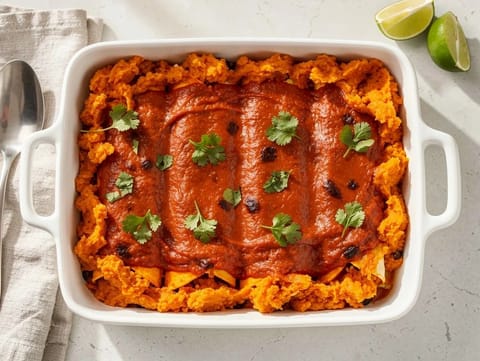
Baked enchiladas with black beans, sweet potato and chipotle

Yeast raised fried dough bites soaked in lemon sugar syrup
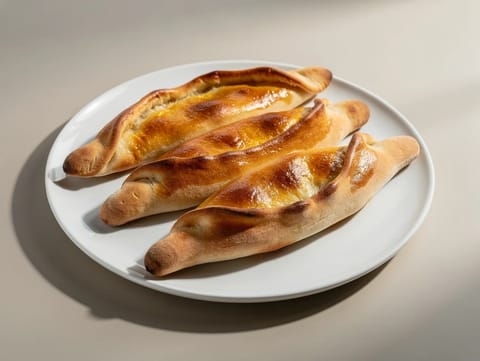
Boat-shaped Turkish pide flatbread with a soft, chewy crumb

Caribbean rum punch with lime, pineapple and orange juices
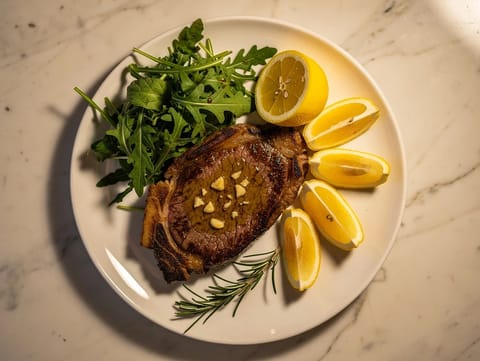
Pan-seared ribeye with garlic butter and rocket salad
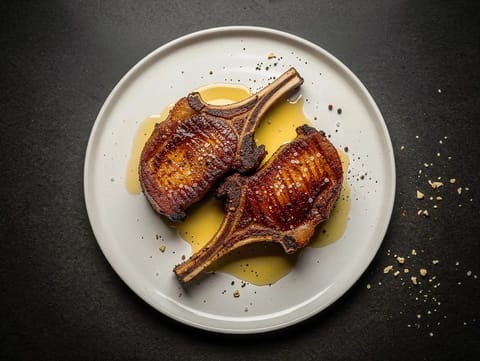
BBQ pork chops glazed and cooked in the air fryer.
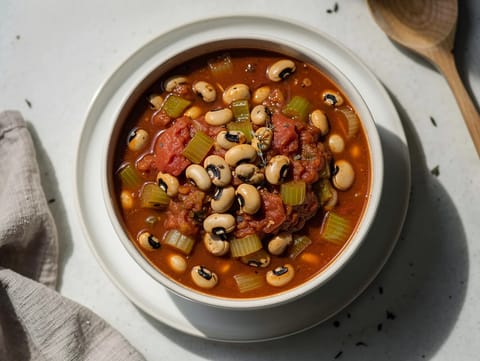
Vegan black-eyed pea stew with tomatoes and smoked paprika
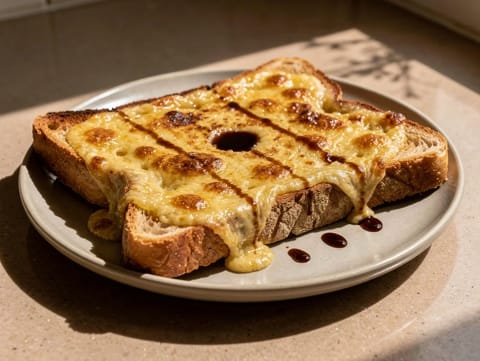
Sourdough topped with ale and mustard cheese sauce, grilled
Not necessarily. Comfort can come from familiar flavours and a satisfying texture, even in lighter formats such as brothy soups, tomato-based stews or roast vegetables with a punchy dressing.
Usually a combination of warmth, a soft or saucy texture, and seasoning that is rounded rather than sharp. Browning from roasting or baking can add depth without extra complexity.
Add one element that is crisp, bitter or acidic: a green salad, steamed greens with lemon, or a small pickled garnish. Keeping the side dishes simple also helps.
Many do. Dishes with sauces, braises and baked casseroles often hold well and can taste more integrated after resting, though it depends on ingredients and how they reheat.
They overlap, but they are not the same. Comfort food is defined by the feeling and the eating experience; it can be traditional, modern, or inspired by many cuisines.
Start by deciding whether you want spoonable comfort, a baked dish with a browned top, or roast-style crispness. Once the main is chosen, balance it with one fresh, sharp side and keep the rest uncomplicated.
