
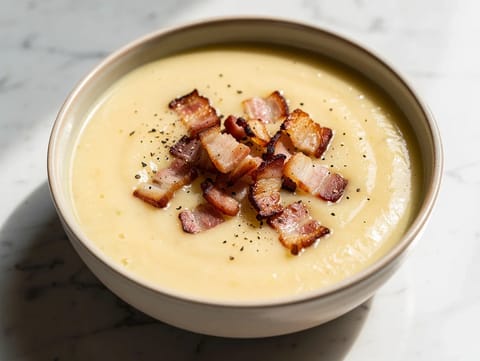
Kartoffelsuppe mit Speck (Potato Soup with Bacon)
Creamy potato soup topped with crisp bacon
German cooking is often defined by sturdy, well-seasoned food that suits cool weather and hungry tables, but it is not only about sausages and beer halls. You will also find plenty of vegetable dishes, soups, breads and a deep baking tradition.
A helpful way to choose a German recipe is to decide whether you want something built around meat and gravy, something potato-led, or something baked, from pretzels and rolls to fruit cakes and custardy desserts.
German recipes often prioritise texture and practicality: crisp-edged potatoes, dumplings that soak up sauce, cabbage cooked until sweet, and roasts that slice cleanly. Seasoning tends to be assertive but not chaotic, with herbs, mustard, caraway and pepper doing a lot of the work. Many dishes are designed around a clear centrepiece plus a supporting side, such as a braise with dumplings, or sausages with a warm potato salad. If you are planning a meal, think about contrast. Rich meats and gravies usually want something sharp or pickled alongside; creamy dishes often benefit from a bitter leaf or a simple cucumber salad to keep the plate from feeling heavy.
Creamy potato soup topped with crisp bacon
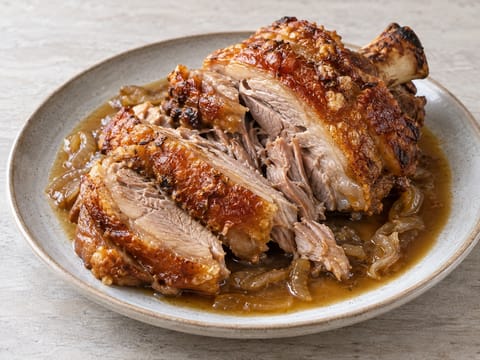
Roasted pork knuckle with garlic, caraway, crisp crackling and gravy
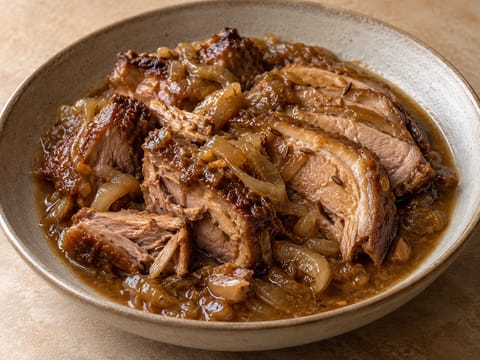
Pork shoulder slow-braised in lager with onion and caraway
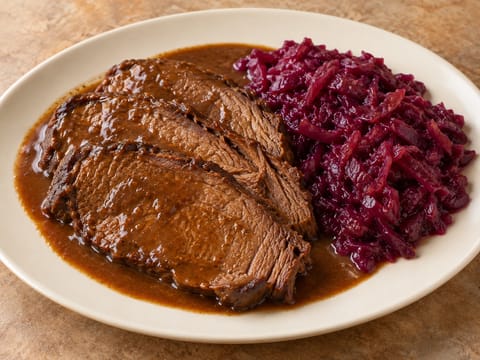
German pot roast in red wine vinegar with apple red cabbage

Apple juice mixed with sparkling water over ice
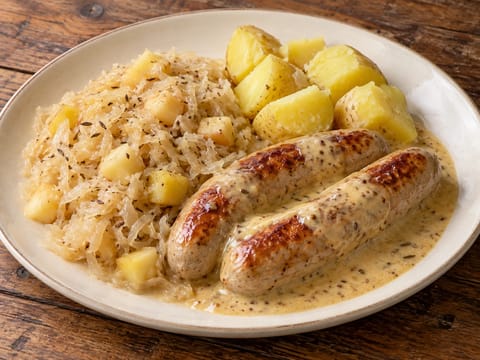
Pan-fried bratwurst with sauerkraut and mustard sauce
Germany’s food changes noticeably by region, shaped by climate, agriculture and neighbouring cuisines. Northern cooking often leans towards fish, rye breads and simpler, briny flavours. Central regions are known for sausages and hearty stews, with plenty of potatoes and cabbage. In the south, you are more likely to see dumplings, spätzle-style noodles, richer sauces and Alpine influences. These are broad strokes rather than rules, but they explain why two ‘German’ recipes can feel quite different. When a dish name includes a place, it often signals a particular style of seasoning, a preferred starch, or a traditional way of serving, which can help you choose sides and garnishes that make sense.
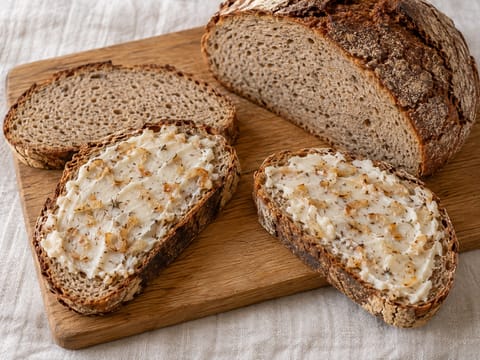
Crusty rye bread served with pork dripping and fried onions
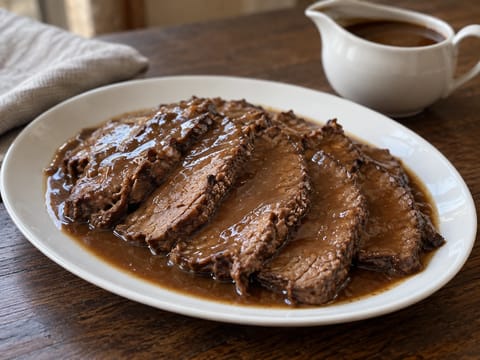
German marinated beef pot roast with gingersnap gravy
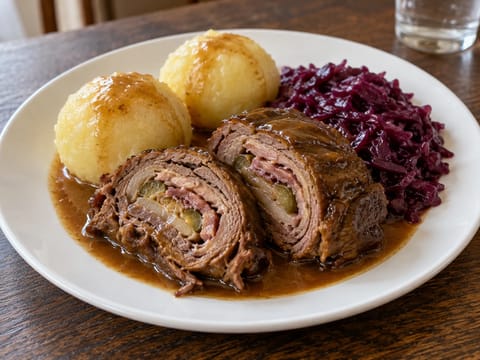
Braised beef roll with gravy, red cabbage and potato dumplings
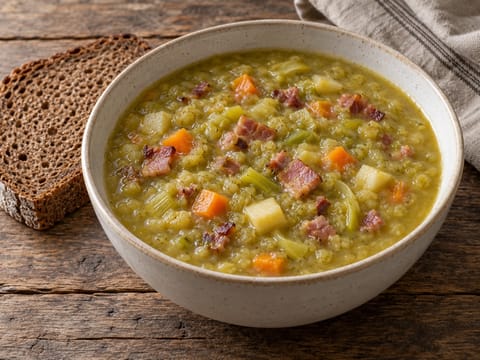
Thick split pea soup with smoked bacon and vegetables
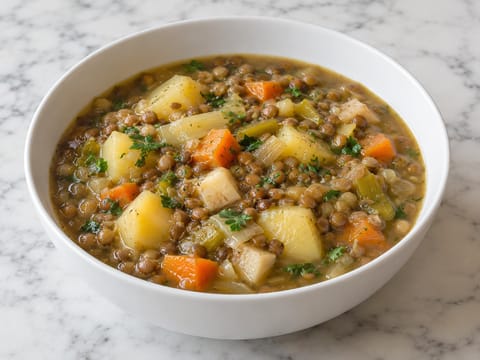
German-style lentil and potato stew with carrots, leeks and herbs
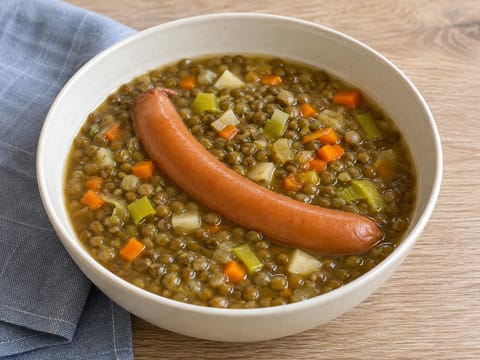
German lentil soup with frankfurters and vegetables
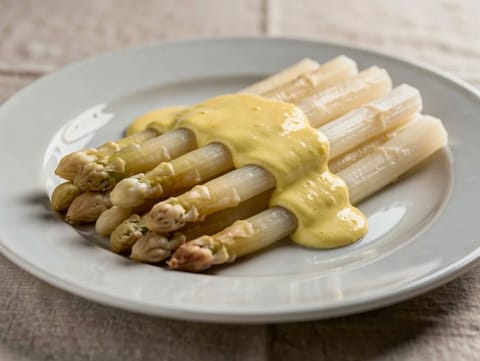
Boiled white asparagus served with classic lemony hollandaise sauce
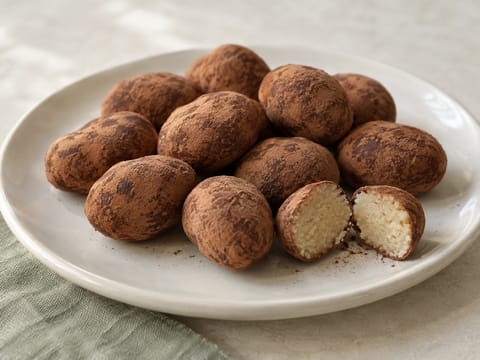
No-bake marzipan sweets dusted with cocoa powder
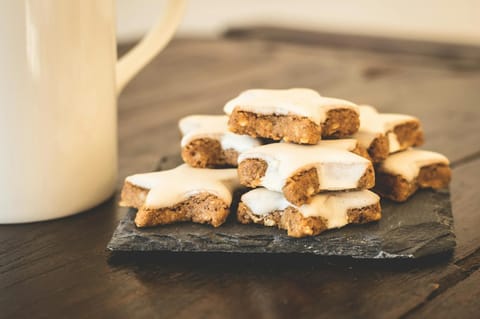
Almond and cinnamon star biscuits topped with sweet meringue glaze
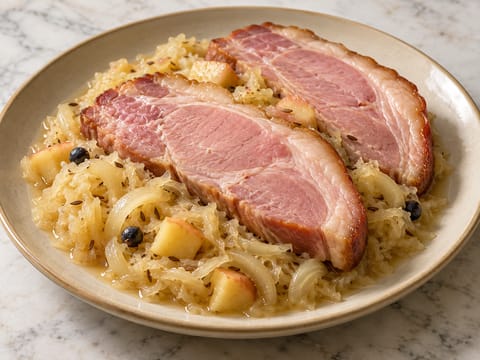
Smoked pork simmered with sauerkraut, apple and juniper
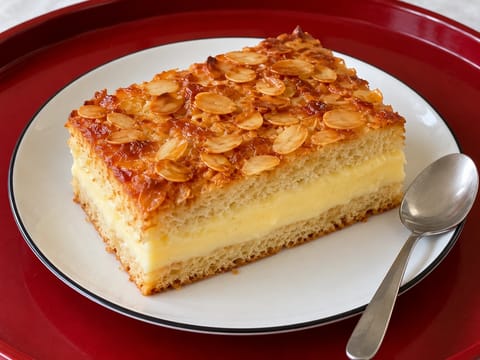
German honey almond cake filled with vanilla custard cream
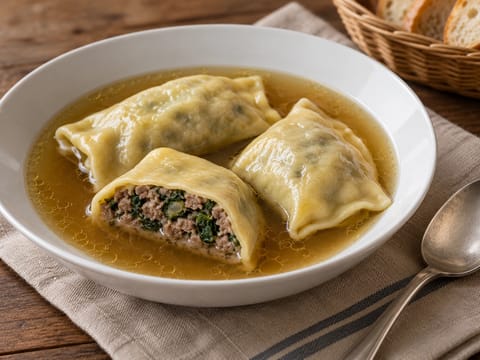
Swabian pasta dumplings filled with beef and spinach in broth
A few ingredients recur across German cooking and give it a recognisable profile. Potatoes appear in many forms: boiled and dressed while warm, mashed, fried, or baked into dumplings. Cabbage, both fresh and fermented, brings sweetness and tang, and it stands up well to long cooking. Mustard is a common seasoning and condiment, adding heat and acidity without relying on chilli. Apples show up in both savoury and sweet contexts, pairing naturally with pork, cabbage and warm spices. In baking, you will often see nuts, poppy seeds, stone fruits and spices such as cinnamon and clove. These patterns help you predict whether a dish will be sharp, sweet-sour, or deeply savoury.
German cooking makes good use of methods that build flavour steadily. Braises and pot roasts develop depth through browning, then gentle simmering until the meat is tender and the cooking liquid becomes a sauce. Roasting is common too, often with attention to crackling skin or crisp edges. Side dishes are not an afterthought: dumplings, spätzle and potato salads are designed to catch gravy and balance salt and fat. If you are cooking a German-style meal, plan your timing around the starch. Dumplings and noodles are best cooked close to serving, while braises can often be made ahead and gently reheated without losing their character.
German cooking is easy to browse by deciding what you want on the plate: sausages, a roast, a dumpling dish, a salad, or a cake. Browsing by Dish helps you choose that format. Browsing by Cooking method is useful when you know you want to braise, roast or bake and would like German-style options that suit the method.
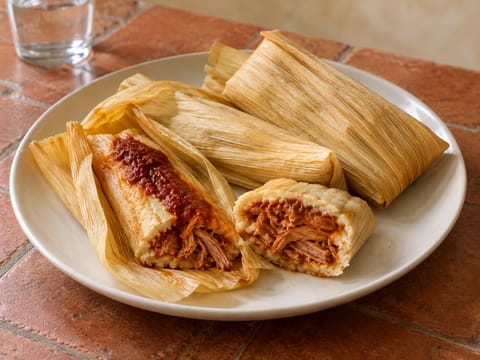
Steamed pork tamales with red chilli and tomato sauce
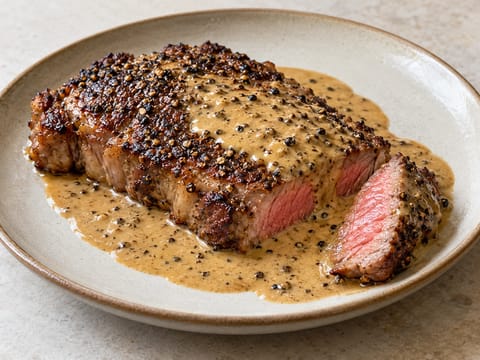
Pepper-crusted steak with a cognac and cream pan sauce
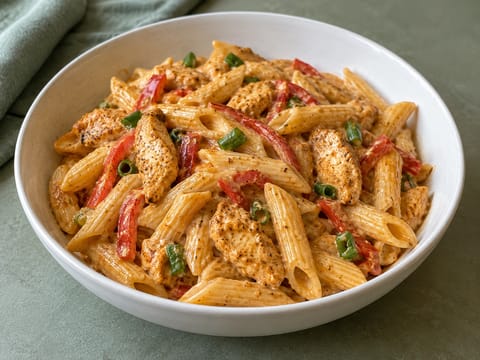
Creamy Cajun chicken pasta with peppers and spring onions
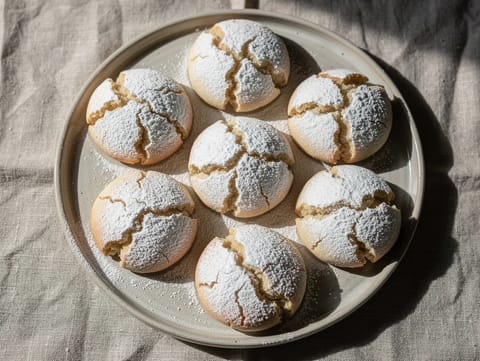
Crackled almond biscuits flavoured with orange blossom water
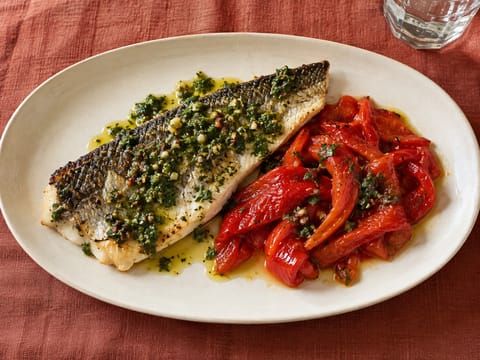
Grilled sea bass with herby chermoula and roasted peppers
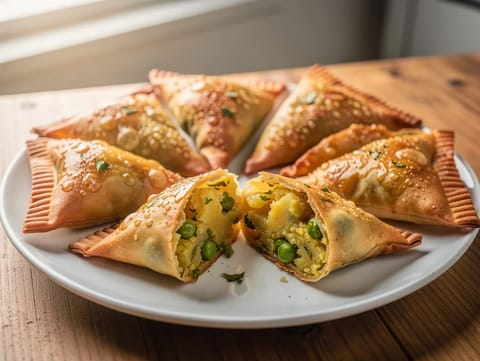
Crisp air-fryer samosas with spiced potato and pea filling.
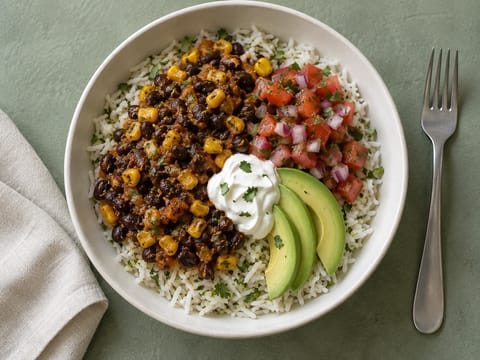
Burrito bowl with lime rice, black beans, sweetcorn and avocado
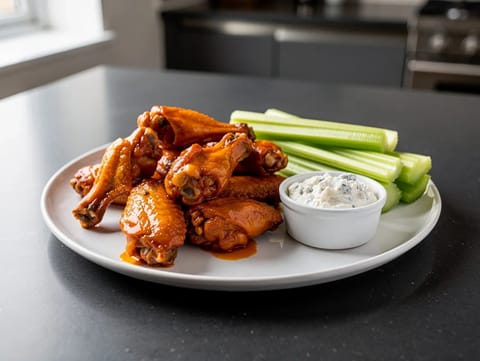
Crisp baked wings tossed in hot sauce and butter
Many German dishes are rich and filling, especially those built around pork, sausages, dumplings and gravy. But there are also lighter soups, salads, fish dishes and vegetable sides that rely on acidity and herbs.
It depends on the region. Some versions are dressed while the potatoes are still warm so they absorb the seasoning; others use a creamier dressing. The key is choosing the style that matches the rest of the meal.
Dumplings can become heavy if the mixture is overworked, too wet, or cooked at a hard boil. Gentle simmering and handling the dough lightly usually helps keep them tender.
No. Sauerkraut is a well-known element, but German cuisine includes plenty of dishes without it. Fresh cabbage, potatoes, breads and roasts are equally characteristic.
You will often see warm spices, nuts, poppy seeds and fruit, especially apples and stone fruits. Many cakes focus on texture and aroma rather than very sweet icing.
Choose a centrepiece, then add a starch that will catch the sauce and a sharp side to cut through richness. Once you start thinking in those building blocks, German recipes become straightforward to mix and match.
