

Sopa Paraguaya (Savoury Cornbread with Cheese and Onion)
Savoury cornbread baked with cheese and softened onions
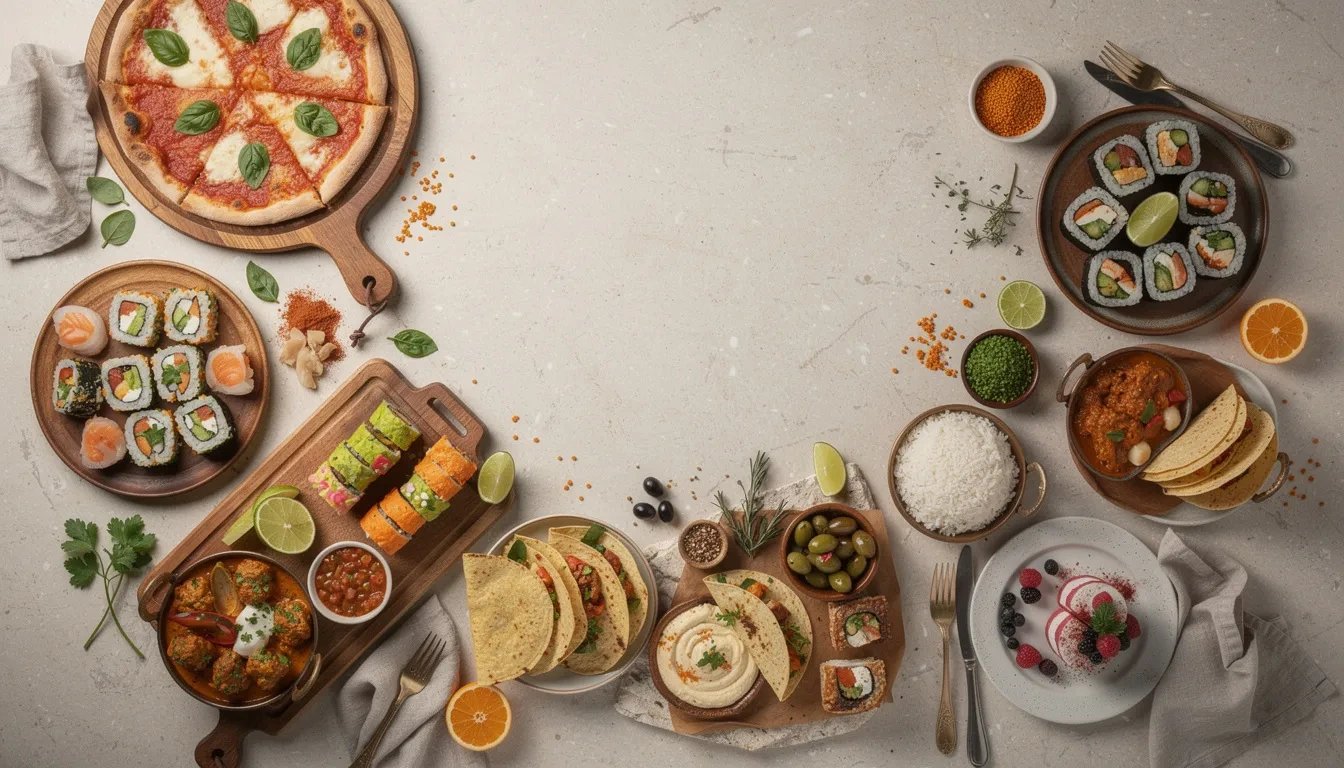
Latin American is a broad label that covers distinct national and regional food traditions across Central and South America and the Caribbean, as well as their global offshoots. You’ll find shared threads, such as corn, beans, chillies, rice and bright citrus, but the results can be very different: a coastal ceviche-style dish has little in common with a slow-cooked stew from inland. Modern Latin American cooking also includes contemporary restaurant styles and home-cooking adaptations that travel well. The most useful approach is to read each recipe for its method and flavour base, then build from there.
Because the region is so diverse, Latin American recipes can’t be reduced to a single pantry list or heat level. Some dishes are chilli-forward; others rely more on herbs, aromatics and gentle spices. Corn may appear as fresh kernels, masa-based doughs, or ground meals, while beans can be whole, mashed or stewed. You may see recipes that are closely tied to a particular country or community, alongside Latin American-inspired dishes that borrow familiar ingredients and serving formats. When you’re choosing recipes, look for the clearest signals: is it built around maize, rice, beans, plantain, seafood, or a long-cooked meat base? Those anchors tell you more than the umbrella label alone.
Savoury cornbread baked with cheese and softened onions

Bolivian baked empanadas with juicy beef, potato and peas.
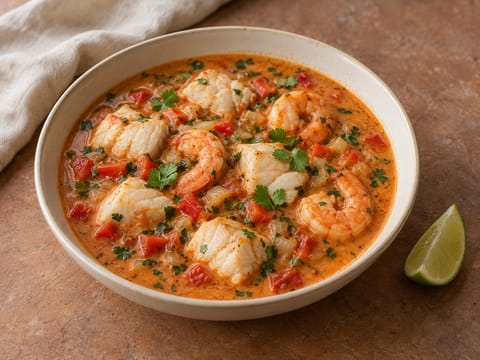
Tomato and coconut seafood stew with white fish and prawns

Cold yerba mate infusion served over ice with lime
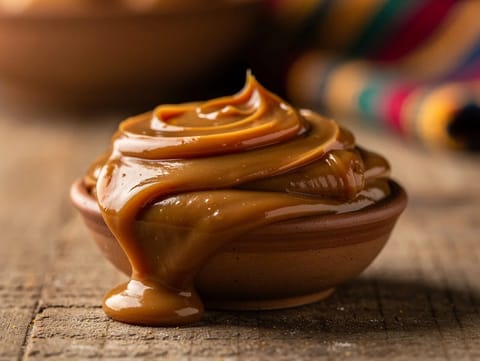
Thick caramelised milk spread made from milk and sugar
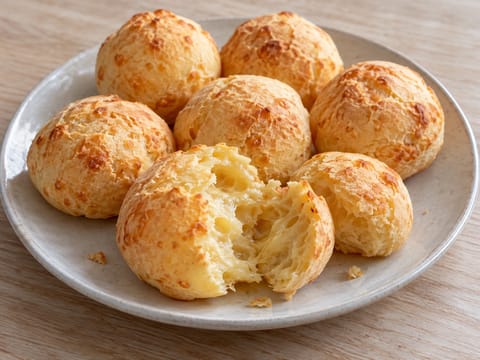
Brazilian cheese breads with tapioca starch and grated cheese
Across Latin America you’ll encounter grilled meats and skewers, hearty soups and stews, rice dishes, and street-food-style snacks that are designed to be eaten by hand. There are also many dishes built around doughs and batters, from corn-based cakes and flatbreads to fried parcels and dumpling-like shapes, depending on the country. Coastal cooking often highlights seafood with citrus and herbs, while inland cooking may lean towards slow braises, beans and warming spices. Desserts can range from fruit-forward sweets to milk-based puddings and caramel flavours. If you want a clearer sense of style, choose a recipe with a named dish and a stated origin, then compare it with another from a different country to see how ingredients and methods shift.
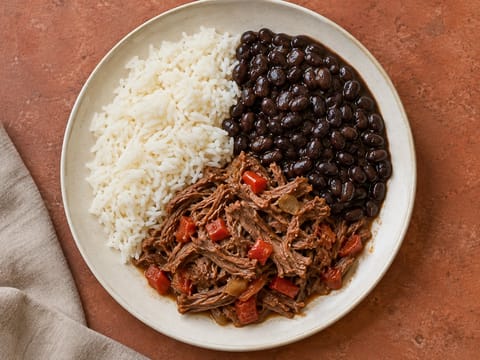
Shredded beef with black beans and rice in Venezuelan style.
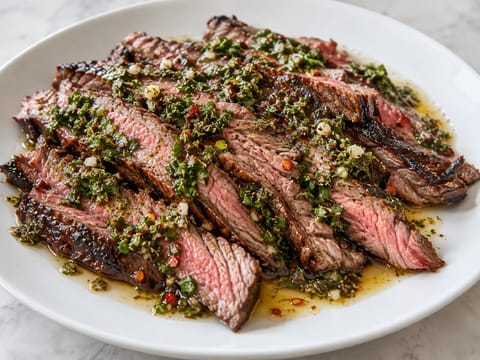
Grilled skirt steak served with parsley and garlic chimichurri
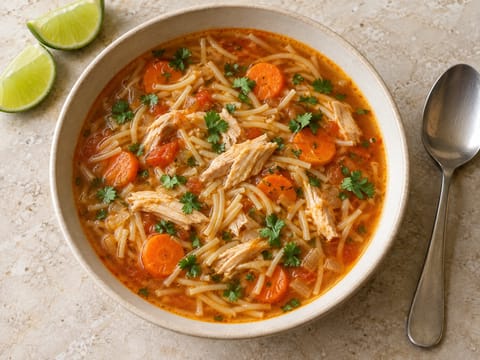
Mexican chicken noodle soup with tomato broth and fideo noodles
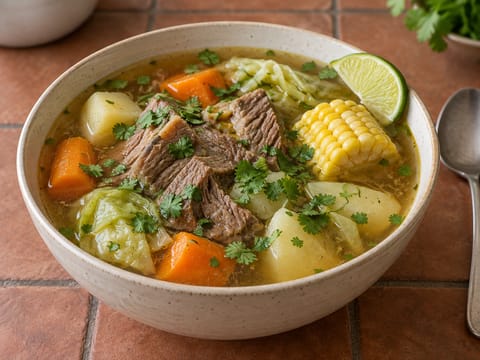
Salvadoran beef shank soup with vegetables, coriander and lime
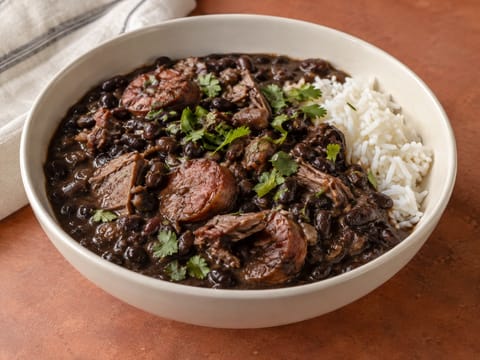
Brazilian black bean stew with pork and smoked sausage

Spiced hot chocolate with cinnamon and a pinch of chilli

Mango agua fresca blended smooth with lime and served cold
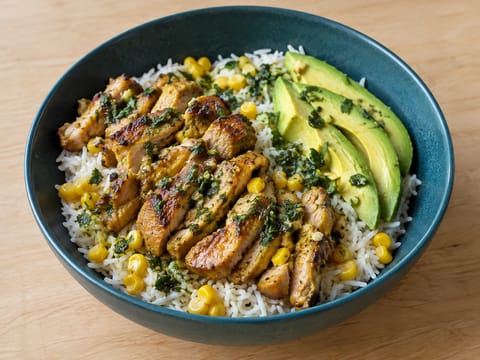
Aji chicken bowl with rice, sweetcorn and avocado
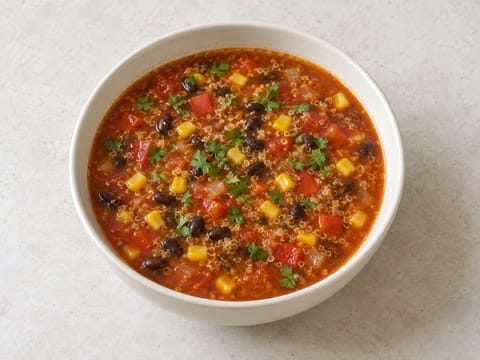
Tomato quinoa soup with black beans, sweetcorn and lime
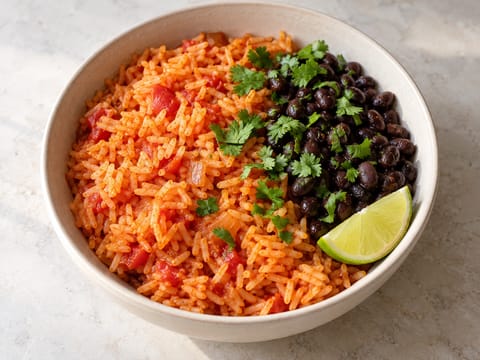
Tomato-simmered rice topped with black beans, lime and coriander
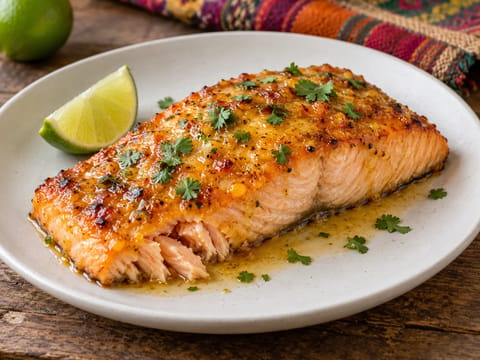
Baked salmon with aji amarillo, honey and lime glaze
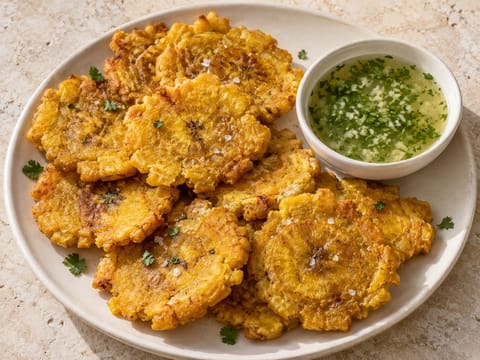
Twice-fried green plantain tostones with lime and garlic dip
Grilling and charring are common, creating smoky notes that pair naturally with lime, chilli and fresh herbs. Slow braising and stewing are equally important, especially for beans and tougher cuts, where time turns starches creamy and meat tender. Frying shows up in snacks and sides, often to create crisp contrast alongside soft fillings or sauces. Some dishes use citrus to firm and flavour seafood, as in ceviche-style preparations. If you make these at home, follow the recipe’s food-safety guidance carefully and use very fresh fish from a trusted source, as citrus changes texture but is not a universal substitute for heat cooking. Across methods, sauces and salsas often provide the final balance: acidity, heat, freshness and salt.
Latin American food traditions are shaped by Indigenous ingredients, European and African influences, and later migrations, with each country and region developing its own staples and celebratory dishes. It’s common for the same ingredient to be used in different ways: corn might be a daily bread in one place and a festive dish in another; chillies might be used for aroma and fruitiness rather than sheer heat. Outside the region, Latin American flavours are often blended with local ingredients and cooking styles, creating dishes that are inspired rather than traditional. Treat those recipes as a separate, valid category: they can be delicious and practical, but they won’t necessarily teach you the specifics of a particular regional cuisine unless they name it and follow its conventions.
Because Latin American cooking spans everything from soups and stews to grilled meats and hand-held snacks, browsing by Dish helps you land on the format you want first. Cooking Method is a good second step when you’re deciding between something charred and quick, gently simmered, or crisp-fried with a fresh topping.
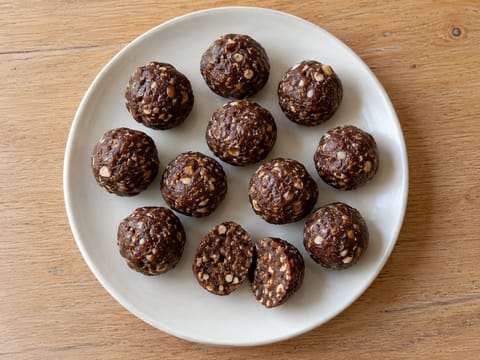
No-bake almond and date energy bites with cocoa

Crispy chicken flautas topped with crema and tomato salsa
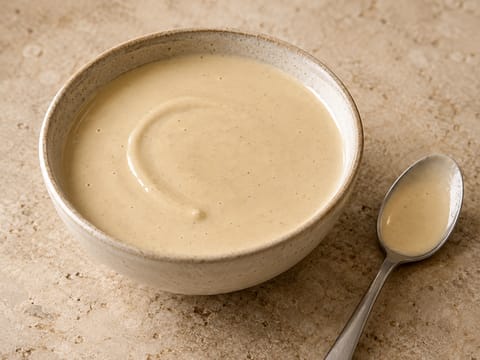
Smooth tahini sauce with lemon, garlic and water
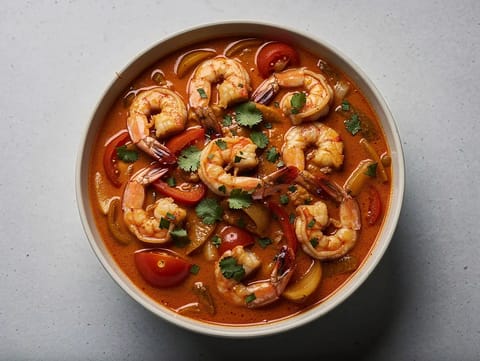
Brazilian prawn stew with coconut milk, vegetables and lime
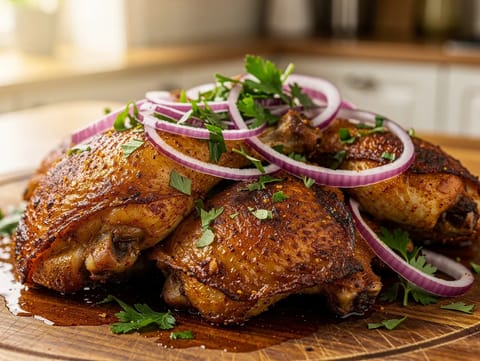
Roast chicken thighs marinated with shawarma spices, yoghurt and lemon
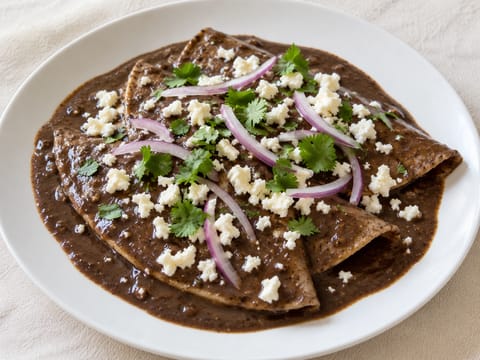
Corn tortillas dipped in black bean sauce with queso fresco
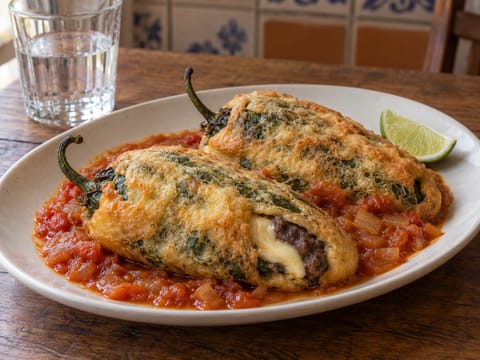
Fried poblano chillies stuffed with beans, cheese and tomato sauce

Baked macaroni cheese with cheddar and a custardy set
No. Mexican cuisine is one part of Latin America, with its own regional traditions. Latin American also includes many other cuisines across Central and South America and the Caribbean.
No. Chillies are common in many places, but not universal, and they’re used in different ways. Some recipes focus more on herbs, aromatics, citrus and gentle spices.
Look for the anchor ingredient and the method: maize-based dough, beans and rice, grilled meat, or citrus-led seafood. That combination usually tells you the texture and flavour direction.
They’re typically made with raw seafood that’s cured in citrus. The acid firms the fish and changes its texture, but safe preparation depends on freshness and careful handling, so follow the recipe guidance closely.
Salsas often provide the final balance: acidity to lift rich foods, heat to add bite, and fresh herbs or vegetables for contrast.
It may capture familiar flavour cues, but authenticity varies by recipe and context. Inspired dishes are best treated as adaptations that borrow ingredients or formats rather than strict regional examples.
With such a wide region under one label, the quickest way to choose well is to decide on a method first, such as grilling, stewing or frying, then look for a recipe that names a country or style you want to explore. You’ll learn more by comparing two clearly different regional approaches than by expecting one ‘Latin American’ flavour.
