
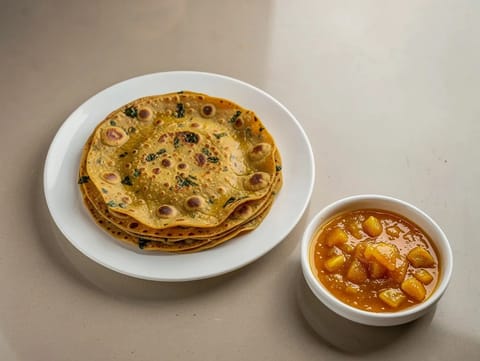
Methi Thepla (Gujarati Fenugreek Flatbreads) with Mango Pickle
Spiced fenugreek flatbreads served warm with mango pickle

Flatbreads are at their most useful when you treat them as a flexible base rather than a single recipe. The same round or oval bread can become a quick topped bake, a wrap, a scoop for dips, or a side for saucy dishes. Planning ahead is mostly about deciding whether you want a soft, foldable flatbread or a crisper one that can carry toppings without going limp, then choosing fillings and accompaniments that match that texture.
Flatbread is a broad family of breads made in a relatively thin shape, usually cooked quickly on a hot surface or in a hot oven. Some are leavened and puffy, others are unleavened and stay flat and pliable. What they share is a high crust-to-crumb ratio, which is why they take well to charring, brushing with oil or butter, and being used as a carrier for other foods.
A flatbread is not automatically a pizza base, even though many can be used that way. Nor does the term tell you whether it is soft or crisp, wheat-based or made from another grain, or cooked in a pan, on a griddle, or baked. Those details matter when you are planning toppings, fillings and timing.
Spiced fenugreek flatbreads served warm with mango pickle
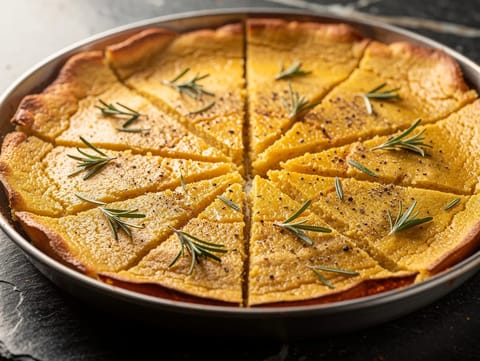
Thin chickpea flatbread baked with olive oil until crisp
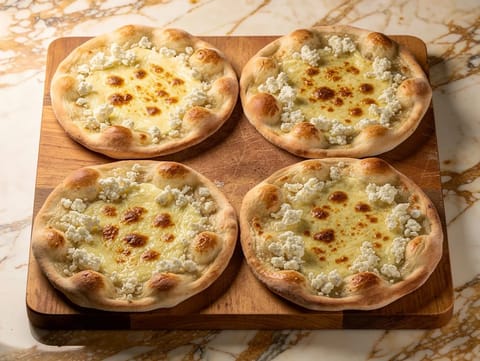
Yeasted flatbreads topped with mozzarella and feta
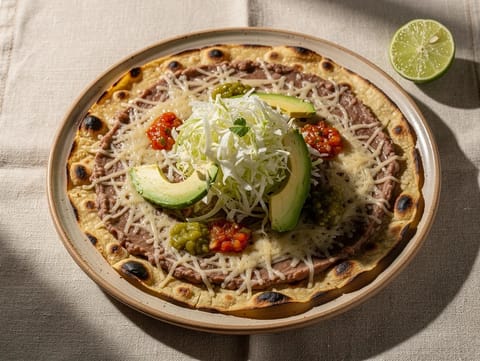
Crisp tlayuda topped with beans, Oaxaca cheese, cabbage and avocado
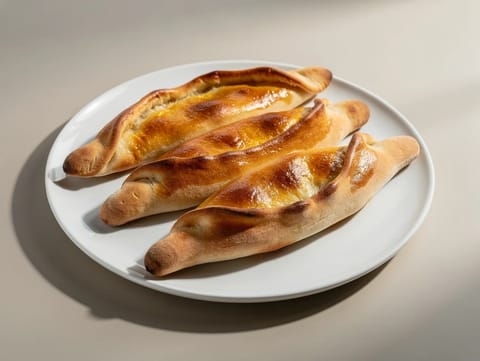
Boat-shaped Turkish pide flatbread with a soft, chewy crumb
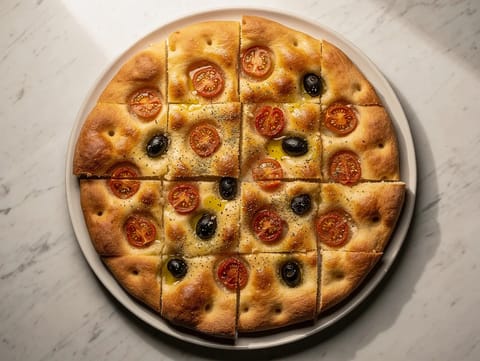
Soft potato focaccia topped with tomatoes, olives and oregano
Soft, foldable flatbreads are the ones you reach for when you want wraps, pockets or something to tear and dip. They tend to suit moist fillings such as spiced meats, roasted vegetables, salads with dressing, or yoghurt-based sauces, because you can fold and eat them without needing a knife and fork.
Crisper flatbreads, including thin baked styles, behave more like a cracker or a very thin base. They are good for spreading, topping and slicing, and they hold up better under oil-rich toppings, melted cheese, or a layer of vegetables. Thicker, puffier styles sit in the middle: sturdy enough for hearty toppings, but still soft enough to mop up sauces. If you are serving flatbread alongside a stew or curry, a softer style is usually more satisfying for scooping.
Italian focaccia made with mashed potato, topped with tomatoes, olives and olive oil
Crisp flour tortillas with ham and melted cheese, served with salsa and avocado
Thick fermented rice and urad dal uttapams with tomato and onion topping
Turkish gozleme, blistered in a dry pan with a spinach and feta filling
Olive oil flatbread baked with sweet peppers, onion and anchovy fillets
Large toasted tortilla topped with refried beans, crisp chorizo, cabbage and avocado
Thin tarte flambée baked with crème fraîche, onion, smoked salmon and chives
Flaky stuffed parathas with spiced potato filling, pan-cooked until golden
Charred aubergine bharta with onion, tomato and spices, served with chapati
Toasted flatbread layered with chicken, chickpeas, warm garlic yoghurt and pine nuts
Golden masa gorditas filled with black beans, topped with salsa, lettuce and lime
Focaccia Barese with potato-enriched dough, cherry tomatoes, oregano and olive oil
Think in layers: a base flavour, a main topping or filling, and something sharp or fresh to finish. For topped flatbreads, a spread such as tomato, yoghurt, hummus or herb oil helps the surface brown evenly and stops dry toppings from tasting dusty. Then add a main element that can take heat, such as cooked vegetables, shredded meat, pulses or cheese.
Finish with contrast: pickled onions, lemon, chopped herbs, chilli, or a crisp salad on the side. If you are serving flatbreads for sharing, offer at least one cooling element (yoghurt, cucumber, a mild dip) and one punchy element (spiced sauce, salsa, harissa-style paste) so people can adjust each bite.
If you want flatbreads that match a particular style of meal, browsing by Cuisine is often the quickest way to find familiar flavour combinations and serving traditions. Cooking method is equally useful here, because pan-cooked, griddled and oven-baked flatbreads behave differently when you top, fold or reheat them.
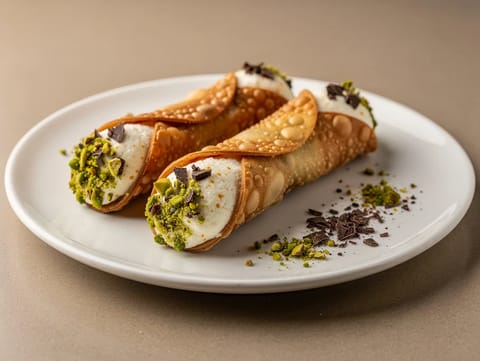
Crisp cannoli filled with sweet ricotta, pistachios and chocolate
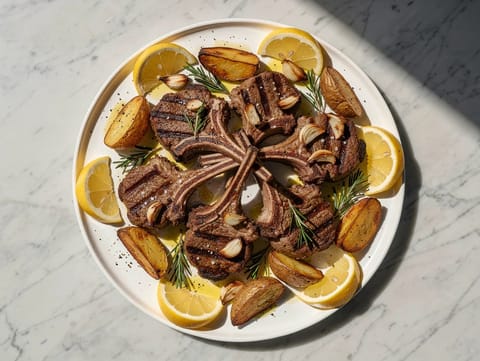
Grilled lamb chops with rosemary roast potatoes
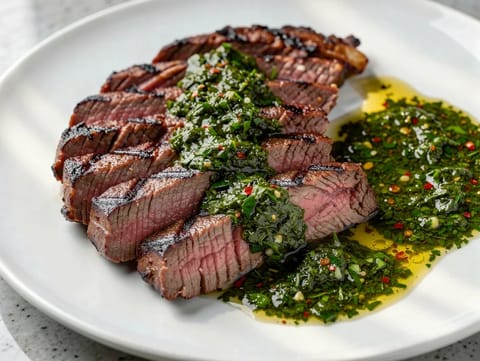
Grilled ribeye served with parsley and garlic chimichurri
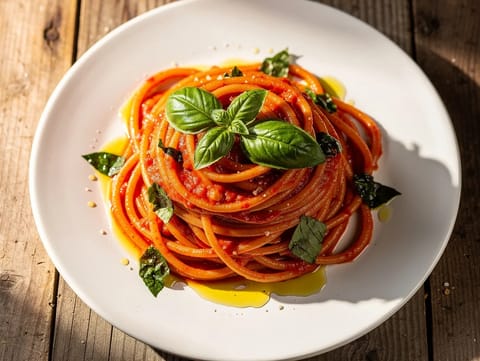
Spaghetti with a quick tomato, garlic and basil sauce
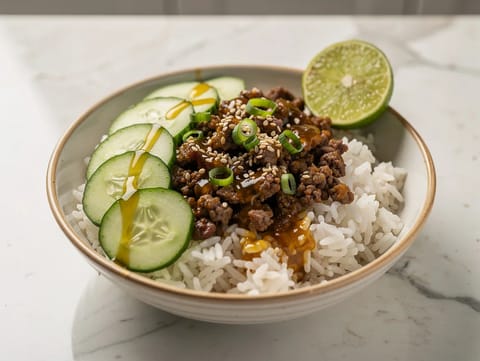
Minced beef over jasmine rice with soy, sesame and lime.
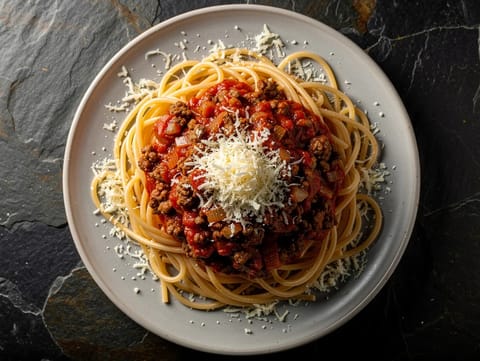
Greek spaghetti with minced beef, tomato and cinnamon
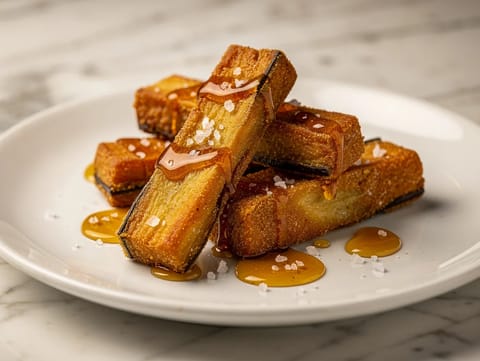
Crisp fried aubergine batons finished with honey and salt

Prawns in garlicky tomato sauce topped with feta
No. Some flatbreads are unleavened, while others use yeast or another leavening to create a softer, puffier texture. The name alone doesn’t tell you which.
Look for soft, pliable styles that bend without cracking. A slightly thicker flatbread often holds wet fillings better than a very thin, crisp one.
Often, yes. Crisp or sturdier flatbreads tend to handle toppings and slicing more neatly, while very soft flatbreads can turn floppy under heavy, wet toppings.
Use a relatively dry base layer, keep very wet ingredients for after baking, and avoid piling toppings too thickly. A hot oven helps set the surface quickly.
Serve warm flatbreads with two or three contrasting toppings or dips, plus something fresh and acidic such as a salad or pickles to cut through richness.
Once you decide whether you need a foldable bread or a crisp one, the rest is straightforward: choose toppings that suit the texture, and add a sharp finish for balance. Flatbreads are at their best when the bread, topping and final garnish each have a clear job to do.
