
Uttapam with Tomato and Onion Topping
Why this recipe works
- Fermented batter: Soaking and fermenting the rice and urad dal gives the uttapam its mild tang and soft, lightly airy structure.
- Aromatic chutney: Fresh coconut, ginger and chilli are lifted by a quick mustard seed and curry leaf tempering.
- Soft with fresh bite: The thick pancake stays tender inside while the tomato and onion topping adds a lightly softened, savoury contrast.
Get the most out of this recipe
Timing notes
- Plan for fermentation: Most of the total time is inactive soaking and fermenting, so start the batter well ahead of when you want to cook.
- Best served hot: Uttapams have the best texture straight from the pan, while the centre is soft and the surface is still gently crisp at the edges.
Common mistakes
- Avoid a pan that is too hot: High heat can brown the base before the centre cooks through; keep the heat steady so the thick batter cooks evenly.
- Check the batter after fermenting: The batter should be thick but pourable. If it feels too heavy to spread, loosen it gradually with a small splash of water.
Adjust the heat
- For a milder chutney: Use less green chilli, or remove some of it before blending for a gentler heat.
- For more heat: Blend in extra green chilli to sharpen the chutney without changing the uttapam batter itself.
Make-ahead tips
- Store batter and chutney separately: Keep leftover batter and chutney in separate airtight containers in the fridge so the flavours and textures stay distinct.
- Reheat in a dry pan: Cooked uttapams can be refreshed in a hot dry frying pan until piping hot, though they are best freshly made.
Equipment you'll need
Ingredients
Batter
Topping and coconut chutney
Instructions
- Rinse the rice and urad dal separately under cold water until the water runs mostly clear. Soak the rice in plenty of water for 6 hours, and soak the urad dal in plenty of water for 4 hours. Drain both well in a colander.
- Blend the urad dal with a little water to a smooth, fluffy paste, scraping down the blender as needed. Transfer to a mixing bowl. Blend the rice with a little water to a smooth batter, then stir it into the urad dal.
- Add the fine sea salt and mix well, then cover and leave to ferment in a warm place until lightly bubbly and slightly tangy. The batter should be thick but pourable; if it is very thick after fermenting, loosen with a splash of water. Fermenting time will vary with temperature.
- For the topping, finely chop the yellow onion, dice the tomato, and finely chop most of the fresh coriander, reserving a little for serving. Mix the onion, tomato and chopped coriander together with a pinch of fine sea salt. Set aside while you make the chutney.
- For the coconut chutney, roughly chop the fresh coconut, green chili pepper and ginger root. Blend with a little water to a thick, spoonable chutney, then scrape into a bowl. Add a pinch of fine sea salt to taste.
- Heat a wok or large frying pan over medium heat and dry-toast the mustard seeds until they start to pop. Add the fresh curry leaf and toast for 10 to 20 seconds until fragrant. Tip this tempering straight into the chutney and stir through.
- Heat the wok or large frying pan over medium-high heat. Ladle in batter to make 2 to 3 thick uttapams, spreading gently into rounds about 1 cm thick. Immediately scatter the tomato and onion topping over the surface and press it in lightly with the spatula.
- Cook until the underside is golden and the top looks set around the edges, 2 to 3 minutes. Flip and cook the topping side for 1 to 2 minutes until the onion has softened slightly and the uttapam is cooked through. Repeat with the remaining batter and topping.
Recipe notes
Serving suggestions
This recipe pairs well with:
Tips
- If your kitchen is cool, ferment the batter in the oven with just the light on, or in the warmest spot you have, until it smells pleasantly tangy and looks aerated.
- Keep the pan at a steady medium-high heat: too hot and the outside browns before the centre cooks; too cool and the uttapams turn dense.
- If serving to anyone vulnerable, use good hygiene during fermentation and cook the uttapams until piping hot all the way through.
Substitutions
- Replace the green chili pepper with half the amount for a milder chutney.
- Replace the fresh curry leaf with extra fresh coriander for a different but still fresh, herby finish.
Storage
- Refrigerate up to 2 days
- Store leftover batter and chutney in separate airtight containers in the fridge. Cooked uttapams are best fresh, but can be chilled and reheated in a hot dry frying pan until piping hot.
Ratings & reviews
Liked this recipe? Share your feedback to support our cooking community.
Tried this recipe?
Choose 1–5 stars. A comment is optional.
Stay inspired
Discover new recipes, seasonal favourites and cooking inspiration every day. Follow JustRecipes on Pinterest and Spillt.
Recipe overview
- Servings: 2 servings
- Total time: 13h (35min active)
- Difficulty: Medium
- Cuisine: Indian
-
Allergens:
Mustard
Plan your meals and get a complete grocery list automatically.
Add to meal plannerEquipment you'll need
Got ingredients left?
Find recipes using ingredients from this recipe or what you already have at home.
Find recipes with these ingredients →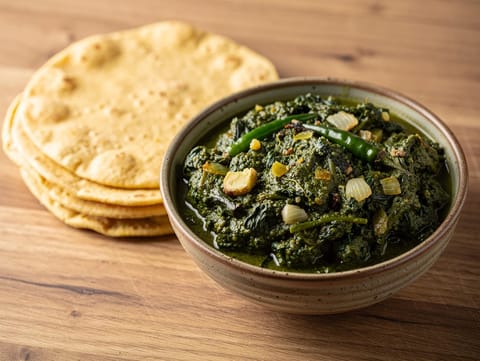
Sarson da Saag with Makki di Roti (Mustard Greens Curry and Maize Flatbread)
Mustard greens and spinach curry served with maize flatbread

Tarte Flambée Alsacienne (Alsatian Cream and Bacon Flatbread)
Thin flatbread with crème fraîche, onions and streaky bacon

Modern Pide Flatbread
Boat-shaped Turkish pide flatbread with a soft, chewy crumb
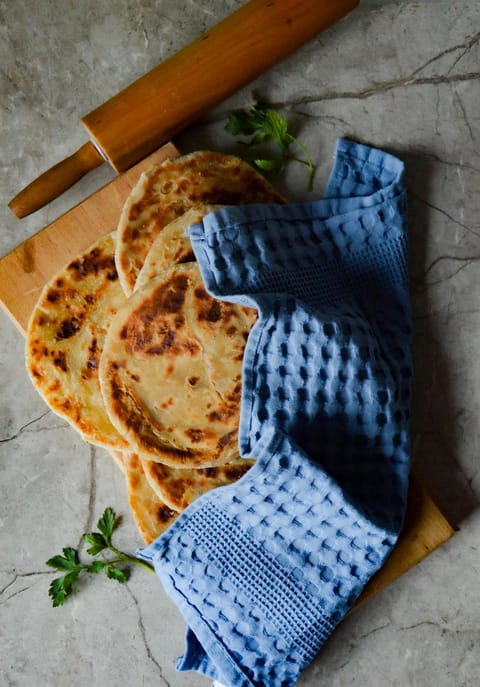
Msemen (Moroccan Layered Flatbread)
Layered Moroccan flatbread folded with olive oil and griddled

Flammkuchen (German Flatbread with Crème Fraîche, Bacon and Onion)
Crisp flammkuchen with crème fraîche, bacon and onion

Vegetarian Black Bean Quesadilla
Crisp quesadilla with black beans, cheddar and peppers

Beef Stir Fry Bowl with Black Beans and Rice
Beef stir fry with peppers and black beans over rice
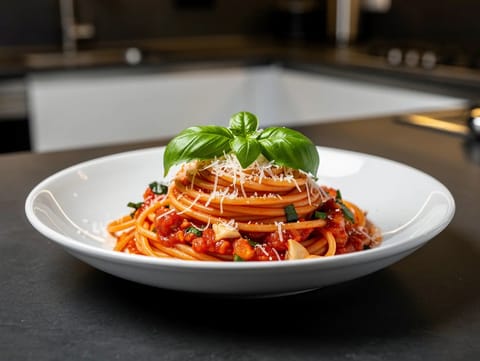
Pasta al Pomodoro Fresco e Basilico (Fresh Tomato and Basil Pasta)
Spaghetti with fresh tomato, garlic and basil
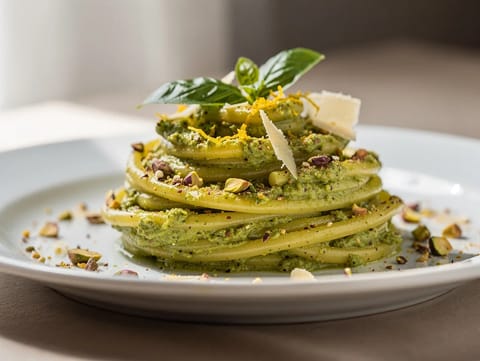
Pasta con Pesto di Pistacchi e Ricotta (Pistachio Pesto Pasta)
Pasta with creamy ricotta and pistachio pesto
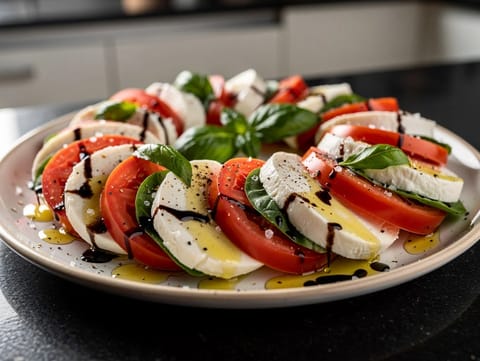
Caprese Salad (Tomato, Mozzarella and Basil Salad)
Tomato, mozzarella and basil salad with olive oil
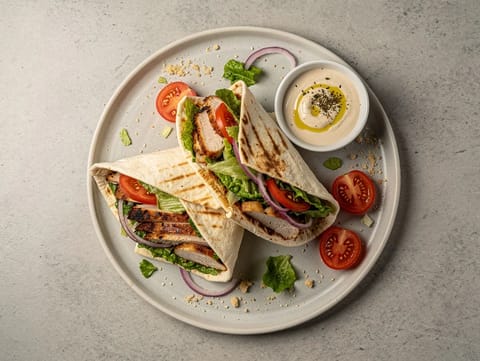
Chicken Shawarma Wrap with Tahini Sauce
Chicken shawarma wrap with salad and tahini sauce
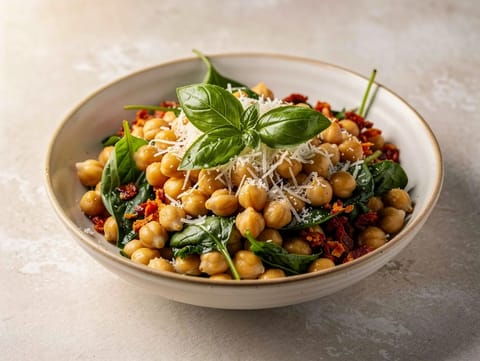
Italian-Inspired Chickpea Bowl with Sun-Dried Tomatoes and Spinach
Chickpea bowl with sun-dried tomatoes, spinach and Parmesan

Masala Dosa (Stuffed Rice and Lentil Crêpe)
Crisp rice and lentil crêpes stuffed with spiced potatoes
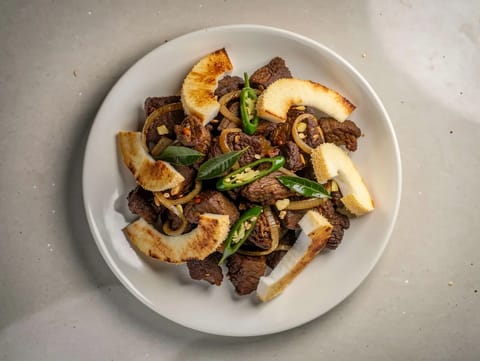
Kerala Beef Fry with Coconut Slices
Dry-style Kerala beef fry with curry leaves and coconut
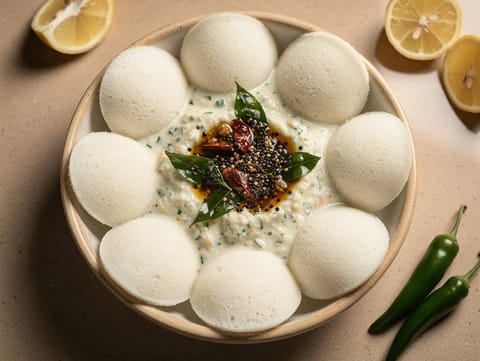
Fluffy Idli Bowl with Chutney
Warm idli with coconut yoghurt chutney and tempering
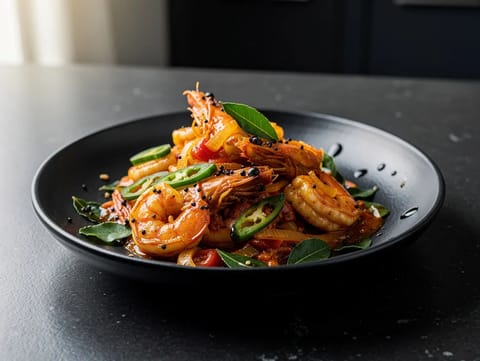
Prawn Masala with Curry Leaves and Mustard Seeds
Prawn masala tempered with mustard seeds and curry leaves
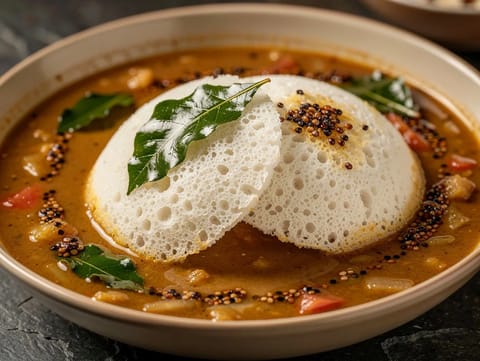
Idli Sambar (Steamed Rice Cakes with Lentil Soup)
Steamed idli with tangy lentil and vegetable sambar

Egg Curry with Tomato and Onion Masala
Egg curry in tomato and onion masala with basmati rice
You might also like

Stamppot Boerenkool met Rookworst (Dutch Kale and Potato Mash)
Potato and kale mash topped with smoked sausage

Korean-American Gochujang Glazed Pork Ribs
Oven-baked pork ribs with sticky gochujang glaze

Giouvetsi (Lamb and Orzo Bake in Tomato Sauce)
Lamb and orzo baked in tomato sauce with feta and lemon

Tandoori Chicken with Raita
Roasted tandoori chicken with cucumber and mint raita
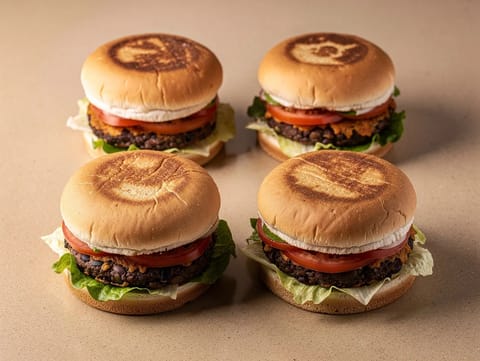
Vegetarian Black Bean Burgers
Crisp pan-fried black bean burgers in toasted buns

Bratwurst with Sauerkraut and Mustard Sauce
Pan-fried bratwurst with sauerkraut and mustard sauce
Make this recipe easier next time
AdvertisementThese tools help you get better results with less effort.
Misen Carbon Steel Nonstick Frying Pan 12 Inch
- Works on all stovetops
- Naturally nonstick when seasoned
- Requires seasoning and maintenance
Pyrex Glass Mixing Bowls with Lids
- Microwave safe
- BPA-free lids
- Glass is heavier
All-Clad HA1 Hard Anodized Nonstick Fry Pan 12 Inch
- Top-tier build quality
- Excellent heat distribution
- Expensive
KitchenAid Stainless Steel Mixing Bowls
- Non-slip base
- Stainless steel
- Not microwave safe
Enjoy cooking with JustRecipes?
Add JustRecipes as one of your preferred Google sources to discover our recipes more easily across Google Search.
Add JustRecipes to GoogleEvery recipe on JustRecipes follows the same structured editorial process. Learn how recipes are created, validated, translated, illustrated, and continuously improved across the platform. How we create recipes.
