
Semifreddo al Pistacchio (Italian Pistachio Frozen Dessert)
Italian pistachio semifreddo made with whipped cream, frozen until sliceable

Frozen desserts cover more than ice cream. The useful comparison is texture and method: churned or still-frozen, creamy or icy, scoopable or sliceable. Some styles rely on air and fat for softness; others depend on sugar and careful freezing to avoid large ice crystals. If you want something quick, look for desserts that freeze in a shallow layer, set in the fridge before freezing, or use a base that stays pliable without churning.
Scoopable frozen desserts include ice cream-style bases, gelato-style bases, and sorbets. Creamy versions usually get their softness from dairy, eggs or added fat, while sorbets and water ices rely on sugar and fruit solids for body. The more water in the mix, the more likely it is to freeze hard.
Sliceable frozen desserts include semifreddo-style loaves, frozen cheesecakes, ice cream cakes and layered frozen pies. These are often built in a tin, mould or crust, then frozen until firm enough to cut. They can be easier to portion for guests because you are not fighting a rock-hard tub.
Granita sits in its own category: it is intentionally crystalline, scraped as it freezes for a fluffy, icy texture rather than a smooth scoop.
Italian pistachio semifreddo made with whipped cream, frozen until sliceable
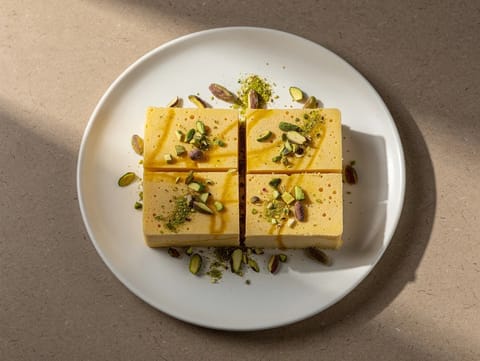
Dense mango kulfi with reduced milk and cardamom
Chilled icebox cake where whipped cream softens biscuits into a sliceable dessert
Affogato made with vanilla gelato, hot espresso and warm chocolate sauce
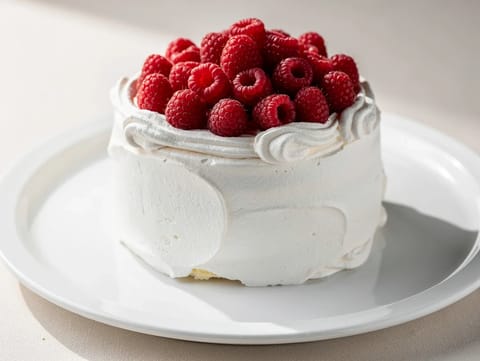
Frozen dessert of meringue, vanilla ice cream and raspberries
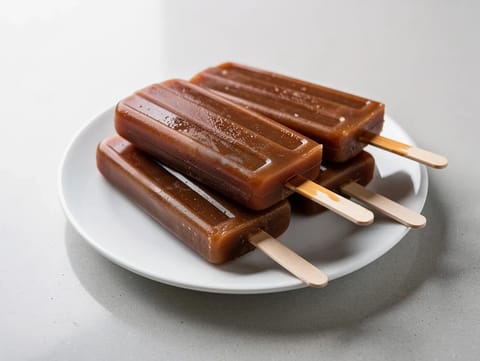
Tamarind and chilli ice lollies with lime
Choose a creamy style when you want richness and a smooth mouthfeel. These desserts are sensitive to over-freezing, so they benefit from being served after a short stand at room temperature. If a recipe uses eggs, it may involve cooking a custard base; that changes both flavour and workflow.
Choose an icy style when you want clean fruit flavour and a lighter finish. These depend on balance: too little sugar and they freeze solid; too much and they can stay slushy. Alcohol also softens frozen mixtures, which can be helpful in small amounts but can prevent a dessert from setting if overdone.
Choose a sliceable style when you want neat portions and a make-ahead dessert that plates quickly. Look for recipes that include a structured base, such as whipped cream, meringue or a biscuit crust, to keep the texture stable once cut.
Frozen dessert of meringue, vanilla ice cream and raspberries
Dense mango kulfi with reduced milk and cardamom

Italian lemon and basil sorbet churned smooth and frozen

Mango and lime ice lollies with a pinch of chilli
Tamarind and chilli ice lollies with lime
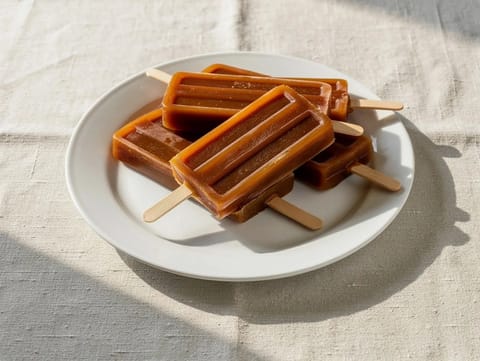
Tangy tamarind paletas with chilli and lime
Italian pistachio semifreddo made with whipped cream, frozen until sliceable
Chilled icebox cake where whipped cream softens biscuits into a sliceable dessert
Layered sponge cake and ice cream finished with briefly baked meringue
Affogato made with vanilla gelato, hot espresso and warm chocolate sauce
Cold dulls sweetness and aroma, so frozen desserts often benefit from a strong flavour cue: citrus zest, coffee, cocoa, toasted nuts, spices, or a salty element such as salted caramel or salted nuts. Fruit-based desserts are usually at their best with something that adds fragrance or bitterness, such as mint, basil, dark chocolate or a sharp berry sauce.
Texture matters as much as flavour. A crisp biscuit, brittle, toasted nuts or a warm sauce gives contrast against a cold, smooth base. If you are serving a very sweet frozen dessert, a tart accompaniment such as yoghurt, crème fraîche or a citrusy fruit can keep the finish from feeling heavy.
Cooking method is a practical companion for frozen desserts, because churning, still-freezing, scraping or layering each produces a different texture and level of hands-on work. Cuisine can also guide flavour direction, from fruit-forward ices to dairy-rich, custard-based traditions.
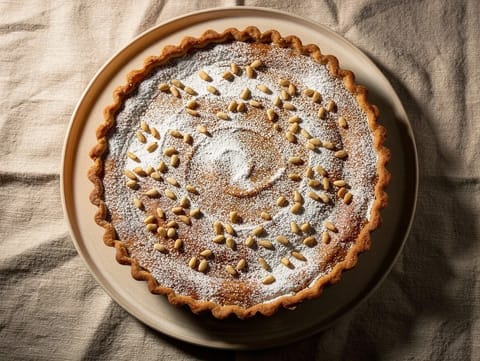
Lemon custard tart topped with pine nuts
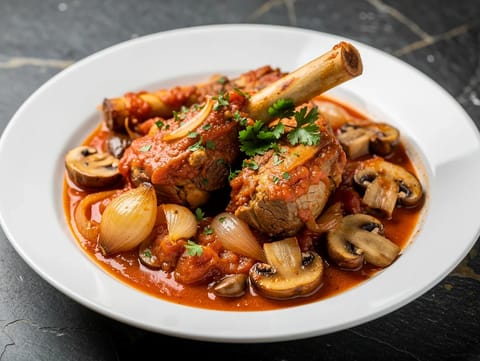
Veal braised with tomatoes, mushrooms and white wine
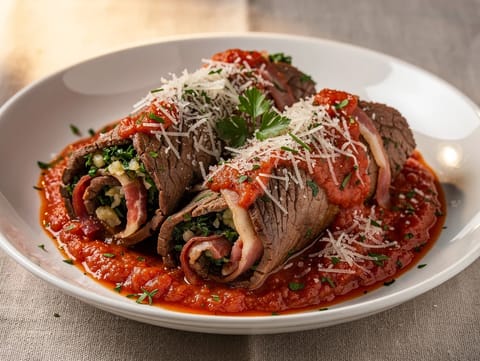
Stuffed beef rolls in tomato sauce
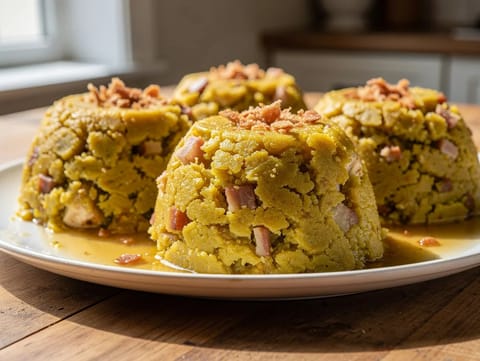
Fried plantain mash with garlic and pork crackling
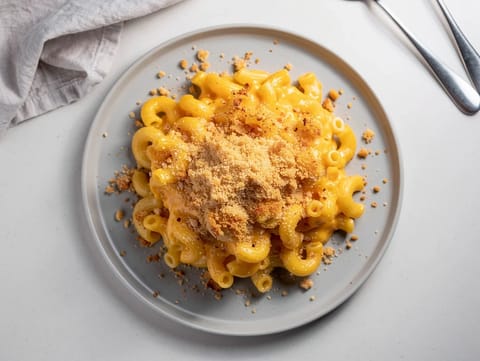
Baked macaroni in creamy cheddar sauce with a breadcrumb topping
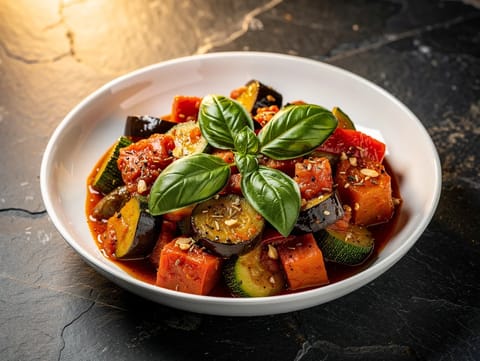
Slow-cooked ratatouille with aubergine, courgette, peppers and tomato
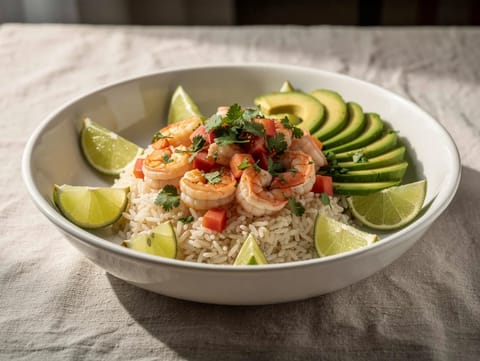
Prawn and rice bowl with avocado, tomato and lime
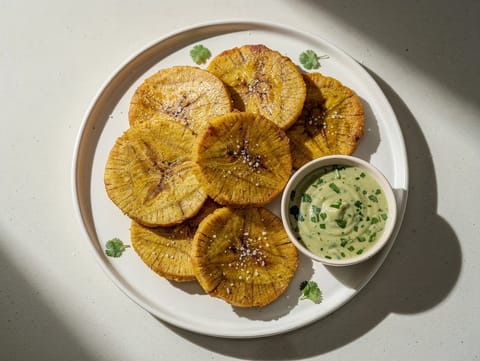
Twice-fried green plantain tostones with lime and garlic dip
Ice cream is one style within the wider group. Frozen desserts also include sorbets, granitas, semifreddo-style loaves, frozen pies and layered frozen cakes, each with a different texture and method.
Not always. Some frozen desserts are designed to freeze without churning, while others use scraping or layering to create texture. A machine mainly helps produce a smoother, airier scoopable result.
Mixtures with a lot of water and not enough sugar, fat or dissolved solids tend to freeze solid. Serving temperature also matters: many frozen desserts need a short stand before scooping or slicing.
Balance and technique. Sugar and fruit solids help limit large ice crystals, and some methods use blending or churning to keep the texture fine.
Sliceable formats, such as loaves or layered desserts in a tin, portion neatly. For scoopable desserts, plan a brief tempering time so you are not forcing a scoop through a fully frozen block.
Once you decide whether you want a scoop, a slice or a deliberately icy texture, the rest of the choice becomes simpler. Match the method to your time and equipment, then pick flavours that stay expressive when served cold.
