Coconut Water Cooler
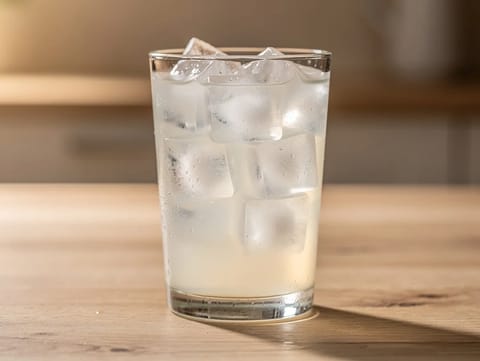
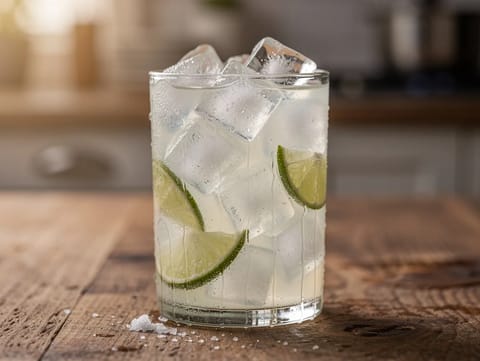
Coconut water cooler with lime and honey over ice

Infused water is simply water flavoured by steeping fresh ingredients such as citrus, berries, herbs or cucumber. The appeal is its clarity and restraint: you want a clean, drinkable flavour that stays refreshing rather than turning sharp, bitter or perfumed. Small choices make a noticeable difference, from whether you bruise herbs to how thickly you slice citrus. Use this page to compare flavour directions and serving formats, from a single-ingredient infusion to a more layered jug for the table.
Infused water is not juice, cordial or a blended drink. The flavour comes from contact time, not from extracting everything into the liquid. That usually means no added sugar and no straining required, although some recipes may include a small amount of sweetener or a splash of juice for balance. It also differs from tea: herbs and spices can be used, but the goal is a light infusion rather than a brewed intensity. Because the ingredients sit in the water, the drink continues to change over time, which is why bitterness from citrus pith or an overly assertive herb can creep in if you leave it too long.
For a clean, reliable flavour, start with ingredients that give up aroma without clouding the water: cucumber, sliced strawberries, melon, or a few bruised mint leaves. Citrus is bright but needs care. Thin slices look good in a jug, yet the white pith can turn the water bitter; using peeled segments or a restrained amount of zest keeps it fresher. Woody herbs such as rosemary can dominate quickly, so they suit short infusions or larger volumes of water. Ginger adds heat and fragrance, but grated ginger can make the drink look hazy; slices are gentler and easier to remove. If you want a more “sparkling” impression without carbonation, combine citrus with a crisp herb such as basil or mint.
Single-note infused waters are practical for bottles: cucumber, lemon, or berry on its own is easy to judge and doesn’t fight with food. Layered jugs are more about aroma and presentation, often pairing fruit with an herb for lift, such as strawberry and mint or citrus and basil. Some infusions lean towards spa-style freshness, built on cucumber, citrus and a hint of herb. Others are closer to a soft fruit cup, using berries or stone fruit for colour and a gentle sweetness. If you are serving in glasses, consider the “garnish factor”: larger slices and sturdy herbs look attractive, while small chopped ingredients tend to float untidily and can be awkward to drink around.
If you are choosing infused water for a particular menu, browsing by Cuisine can help you match the flavour direction to the food on the table, from citrusy and herb-led to more tropical fruit notes. Cooking method is also useful when you want drinks that are strictly no-cook and assembly-led, or when a recipe uses a brief syrup or infusion step before diluting with water.
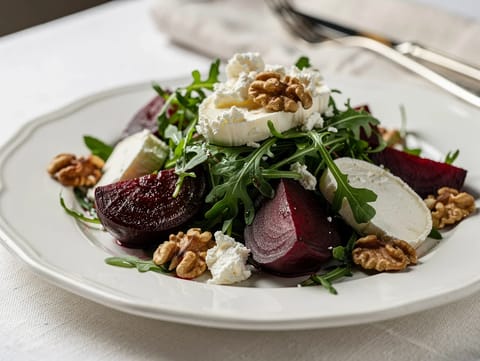
Roasted beetroot salad with goat’s cheese, rocket and walnuts

Salmon Wellington with spinach and crème fraîche in puff pastry

Crispy sautéed chickpeas with smoked paprika, garlic and vinegar

Beef fillet wrapped in mushrooms, ham and puff pastry
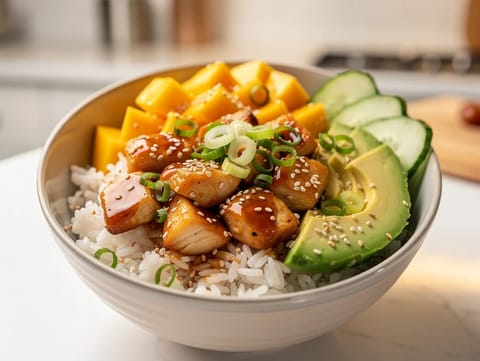
Sushi rice bowl with chicken, mango, and soy dressing.
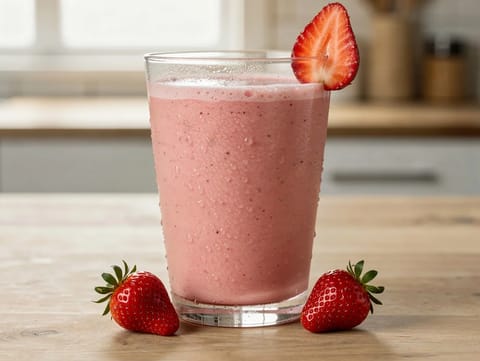
Cold strawberry smoothie with Greek yoghurt, milk and honey

Oven-baked goat rice with tomato, stock and parsley
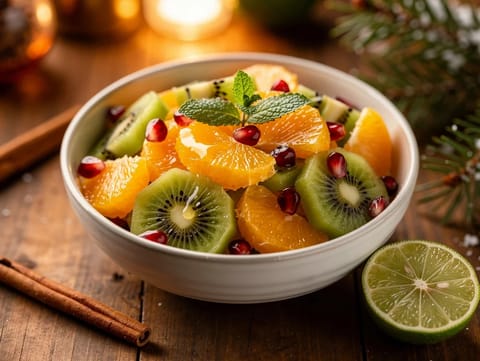
Winter fruit salad with honey, lime and fresh mint
Not always, but it helps. The peel and especially the white pith can add bitterness as the water sits. Using peeled segments, a small strip of zest, or fewer slices keeps the flavour cleaner over time.
A light bruise releases aroma quickly, which is useful for short infusions. If you crush herbs aggressively, the flavour can turn grassy and the leaves can look tired in the jug.
Most often it’s citrus pith, over-steeped herbs, or ingredients left in the water too long. Using less peel, choosing softer herbs, and removing the add-ins once the flavour is right usually prevents it.
Frozen fruit can work well, especially for berries, because it releases flavour readily and helps chill the water. It may also make the drink slightly cloudy as the fruit softens.
In cooking terms, it’s simply flavoured water. Any “detox” claims are outside what the drink itself can reliably promise; focus on flavour, freshness and how it fits your table.
Not necessarily. Many people serve it with the ingredients in the jug for aroma and appearance. Straining can be helpful if you used small pieces that are awkward to drink around.
Infused water is at its best when the flavour stays light and clear. Pick one main note, add a supporting accent if you like, and keep an eye on ingredients that can turn bitter or overpowering as they sit.