
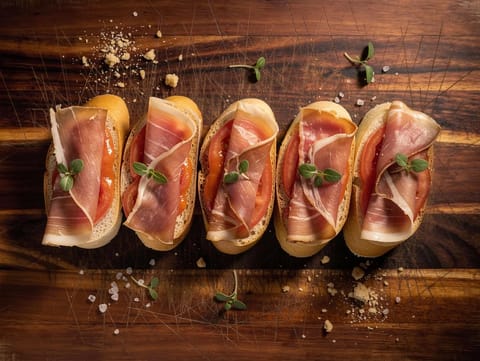
Montaditos de Jamón y Tomate (Toasted Ham and Tomato Open Sandwiches)
Toasted baguette with tomato, serrano ham and olive oil

A bread knife is a serrated knife designed to cut with a sawing motion rather than a straight push. That matters most when the outside is firm and the inside is soft, as with crusty loaves, baguettes and many cakes. The serrations grip the surface, so you are less likely to squash the crumb or skid across a hard crust. This page sets out what a bread knife does well, where it is the wrong tool, and which other knives can stand in when you do not have one.
The defining feature is the serrated edge. Instead of relying on a razor-sharp straight blade, the teeth bite into the surface and cut as you move the knife back and forth. That makes it useful for foods with a tough skin or crust and a tender interior. Many bread knives are longer than a chef’s knife, which helps you slice in one continuous stroke rather than hacking down in short chops. The trade-off is precision: serrations are less suited to fine dicing, peeling or clean, flat cuts for presentation. They also behave differently on a board, so control comes from steady sawing rather than pressing harder.
Toasted baguette with tomato, serrano ham and olive oil
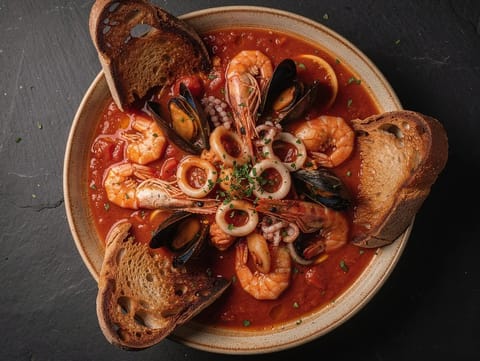
Tuscan fish and seafood stew served over toasted bread
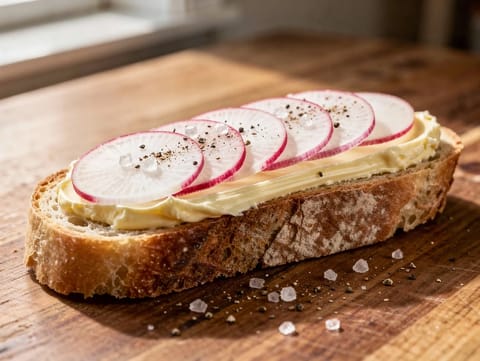
Toasted sourdough tartine with cultured butter and radishes
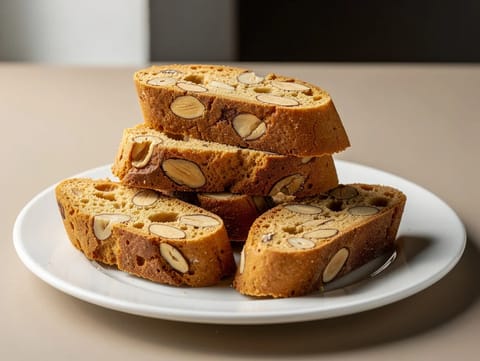
Twice-baked almond biscuits with a crisp, dunkable texture
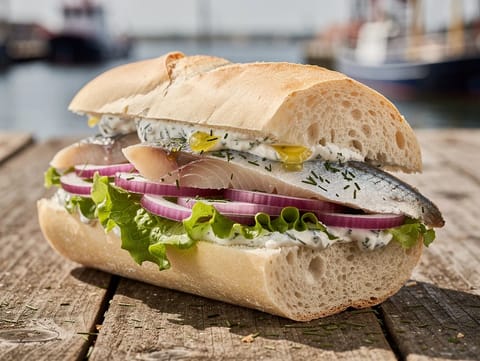
Pickled herring roll with red onion and dill sour cream
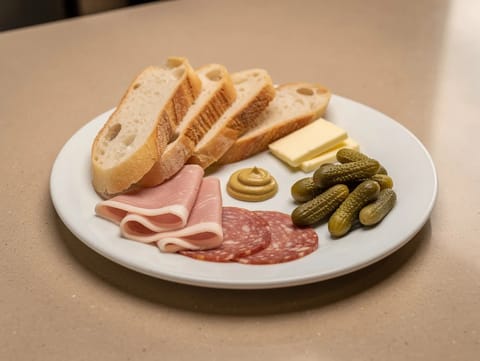
Cured meats with cornichons, Dijon mustard and baguette
Choose a bread knife when you need neat slices without compressing: crusty sourdough, sandwich loaves, brioche, rolls and layered cakes are typical examples. It is also handy for slippery-skinned produce such as tomatoes, where the teeth catch the skin before the flesh collapses. Avoid it for tasks that need accuracy and a clean edge, such as trimming meat, chopping herbs or portioning delicate fish. If you are cutting very soft bread, a gentle touch matters more than speed. Let the serrations do the work and keep the loaf stable, especially with round loaves that like to roll.
White bread tramezzini filled with creamy tuna, black olives, capers, mayonnaise and lemon
Granary bread sandwich with roast beef, horseradish mayonnaise, rocket, gherkins and Dijon mustard
Rye bread topped with mackerel, cucumber, red onion, dill and crème fraîche
Toasted bread with tomato, garlic, olive oil and salt cured anchovies
Ploughman’s board of mature Cheddar, cured ham, crusty bread, chutney and pickled onions
Buttered white bread filled with prawns in curry mayonnaise and mango chutney
Roast chicken baguette with tarragon mayonnaise, lettuce, tomato and Dijon mustard
French party loaf layered with ham, smoked salmon and cheese, then sliced cold
Neat finger sandwiches with smoked salmon, cucumber and lemony cream cheese
Garlic-rubbed toasted bread topped with fresh tomatoes, basil and extra-virgin olive oil
Smoked turkey and avocado club with streaky bacon, tomato, lettuce and mayonnaise
Garlic-rubbed toast topped with chopped tomatoes, basil, olive oil and balsamic vinegar
The most common mistake is pressing down. That crushes soft bread and makes cakes shed crumbs. Start with light strokes to break the crust, then lengthen the sawing motion. Another issue is using a short, choppy movement, which tends to tear rather than slice. A longer blade helps, but even with a smaller knife you can aim for smooth, even strokes. Finally, watch the cutting surface: a hard plate will blunt serrations quickly and makes the knife skid. A stable board gives you control and keeps slices even.
Difficulty can be a useful companion here because some recipes depend on clean slicing for serving, while others are forgiving. Cooking method is also relevant: baked loaves and cakes often need a different cutting approach from no-bake bakes or chilled desserts, where a straight blade may be the better choice.
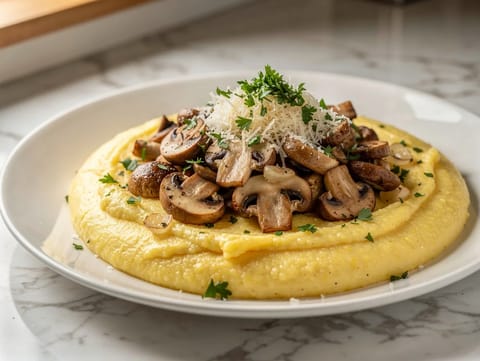
Creamy polenta topped with garlic mushrooms and Parmesan
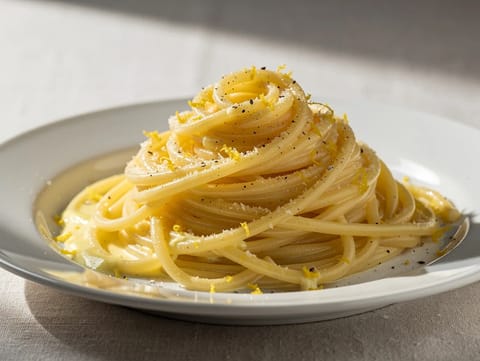
Spaghetti with creamy lemon sauce, Parmesan and black pepper

Thick Dutch egg liqueur made with brandy and vanilla

Quick tuna poke bowl with rice, avocado and cucumber.

Chilled black tea with orange blossom water and lemon
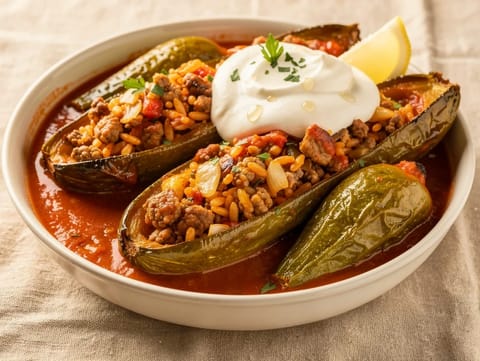
Courgettes stuffed with minced lamb and rice in tomato sauce
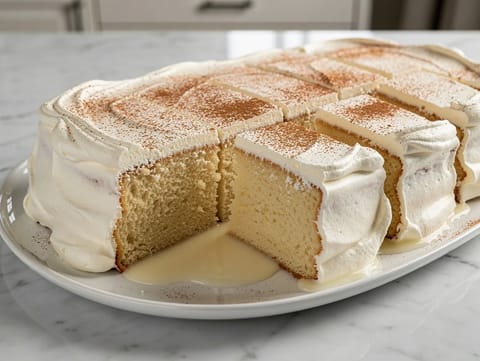
Milk-soaked sponge cake with whipped cream and cinnamon
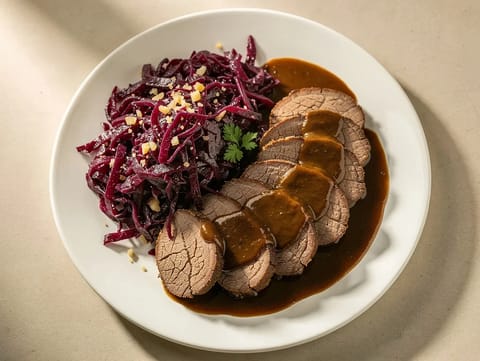
German pot roast in red wine vinegar with apple red cabbage
Not strictly, but it helps. A serrated edge is more forgiving on crusty loaves and soft crumbs, where a straight blade can slip or compress the bread.
A long, sharp chef’s knife can work on softer loaves if you slice with a gentle, slightly sawing motion. For very crusty bread, a serrated knife is usually easier to control.
Usually because of downward pressure or a dull edge. Use lighter strokes, let the knife saw, and stabilise the loaf so you are not forcing the blade through.
It can be. The serrations grip the skin, which helps you start the cut without crushing the tomato, especially if the tomato is very ripe.
Yes, particularly for slicing sponge cakes or cutting layers. Use a light touch and long strokes to avoid tearing.
Keep your fingertips curled under and hold the loaf steady from the side, not from above. If the loaf rolls, cut a thin slice off the bottom to create a flat base.
If the outside is firm and the inside is tender, a bread knife earns its place. When you need precision chopping or clean trimming, switch back to a straight-edged knife.
