Misen 8-Inch Chef Knife
- AUS-10 steel
- Balanced design
- Less traditional feel
A chef’s knife is the everyday workhorse that turns “prep” into a quick, repeatable set of movements: slice, chop, rock and scoop. Recipes that call for one usually involve a fair amount of cutting, whether that’s onions and herbs for a sauce, vegetables for a tray bake, or meat to portion and trim. The right knife does not just feel nicer. It helps you cut more evenly, which affects how ingredients cook and how tidy the finished dish looks.
A chef’s knife is a broad, triangular blade designed for general-purpose cutting on a board. The curved belly supports a rocking motion for herbs and aromatics, while the straighter heel is useful for firmer vegetables and longer strokes through squash, cabbage or melon. It is not the same tool as a bread knife (for crusty loaves), a carving knife (for long, thin slices of cooked meat) or a paring knife (for in-hand work). When a recipe specifies a chef’s knife, it is usually signalling board work rather than delicate peeling or serrated slicing.
Our recommended options if you're looking for a Chef’s knife.

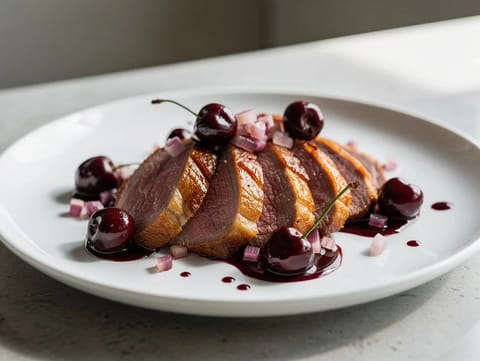
Pan-seared duck breast served with cherry and red wine sauce

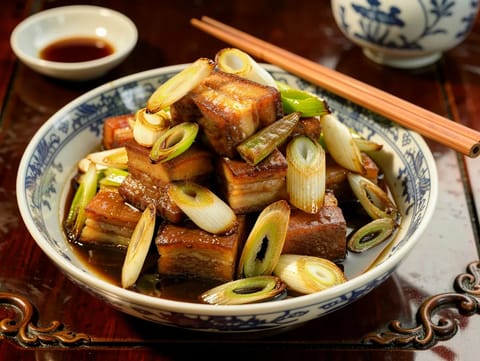
Red-braised pork belly simmered until tender and glossy

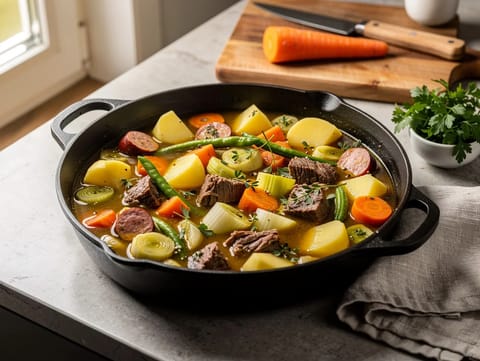
German one-pot stew with smoked sausage, beans and potatoes

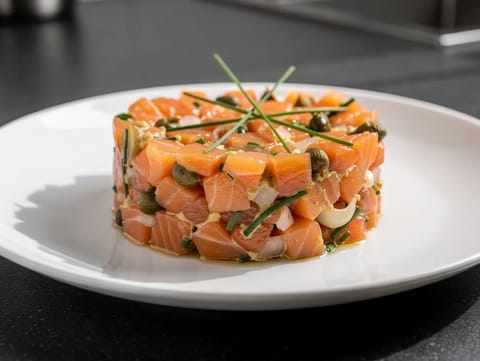
French-style salmon tartare with capers, Dijon and lemon

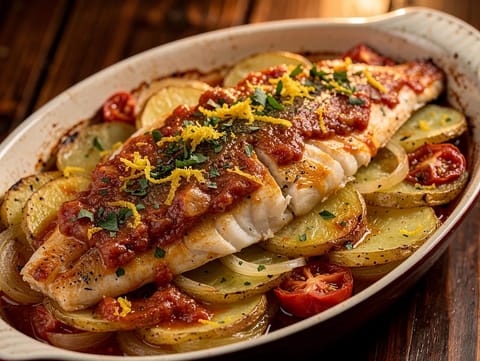
Greek baked fish with tomato sauce, potatoes and onions

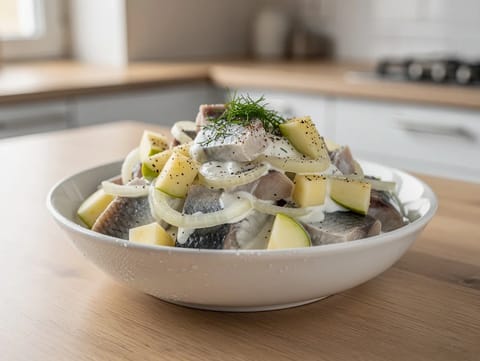
Polish herring in sour cream with apple and onion
Speed comes from control. A stable grip and a blade that stays in contact with the board let you repeat the same cut without pausing to “find” the angle each time. Even pieces also cook at a similar rate, so you are less likely to end up with some vegetables soft and others still crunchy in the same pan. For quick tasks, a chef’s knife can replace several gadgets: you can crush garlic under the flat of the blade, mince it, then use the knife to transfer it to the pan. A wide blade also makes it easier to scrape chopped ingredients into a bowl without chasing them around the board.

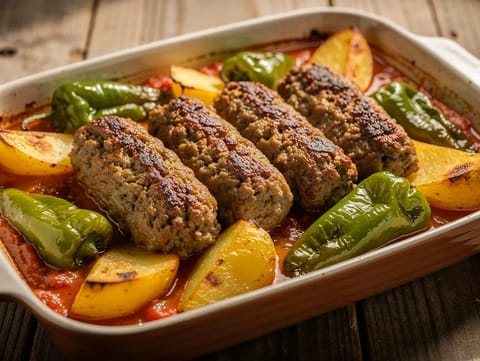
Turkish baked meatballs with potatoes and peppers in tomato sauce

Parsley and garlic chimichurri with olive oil and red wine vinegar

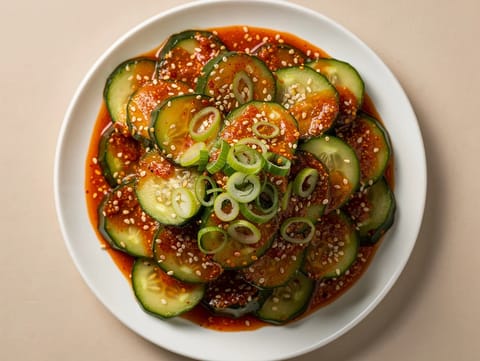
Chilled Korean cucumber salad with gochugaru and sesame oil

Chilled Korean fruit punch with sparkling water and fresh fruit

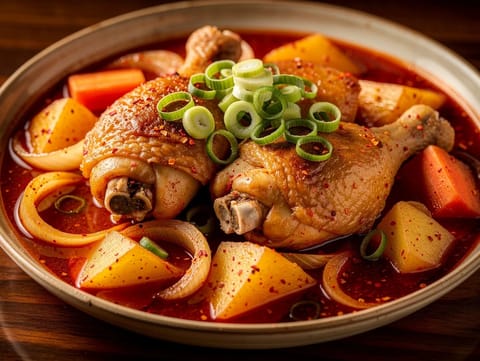
Spicy Korean chicken stew with potatoes, carrots and spring onion

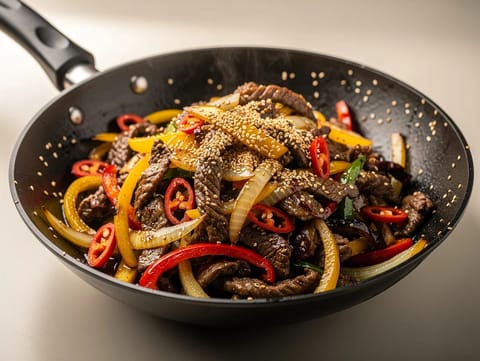
Xinjiang-style cumin lamb stir-fry with chillies, onion and peppers

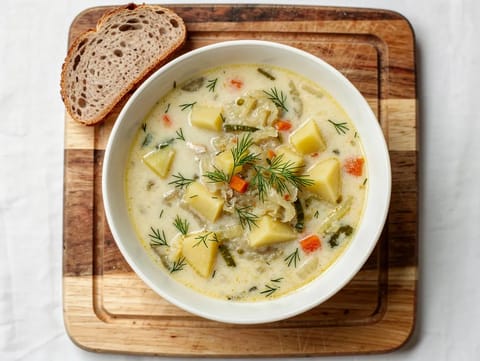
Tangy Polish pickle soup with potatoes and dill

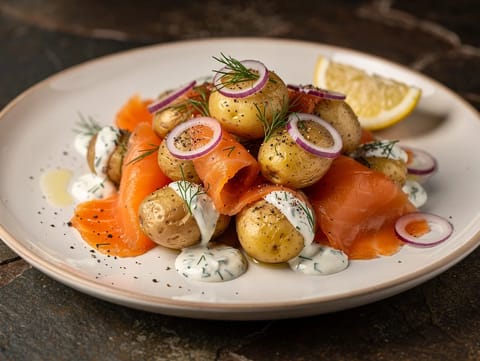
Smoked salmon with new potatoes, sour cream and dill

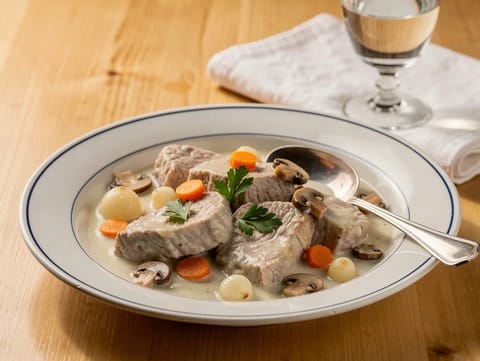
Creamy veal stew with mushrooms, carrots and a velvety sauce

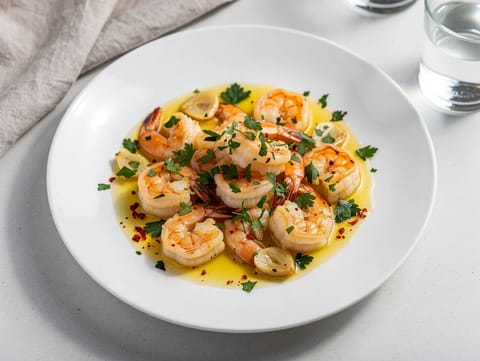
Spanish lemon garlic prawns with chilli and parsley

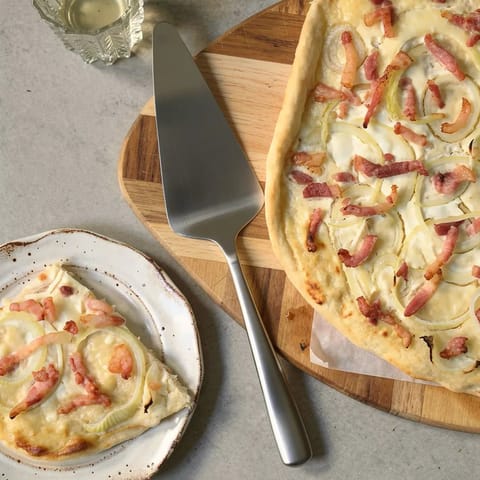
Thin, crisp flatbread with crème fraîche, onion and bacon

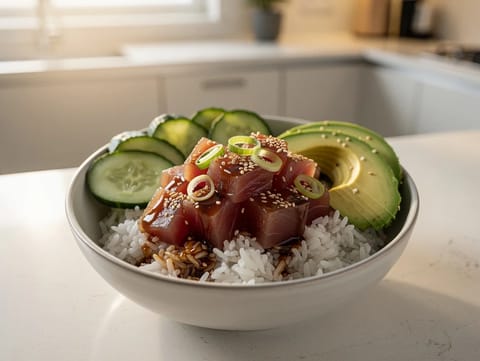
Quick tuna poke bowl with rice, avocado and cucumber.
The most common slowdown is a dull edge. A blunt knife skids on tomato skins and onion layers, so you press harder and lose accuracy. Another is using the wrong part of the blade: the tip is for fine work, the belly for rocking, and the heel for power. Avoid twisting the blade mid-cut, which can wedge it in dense vegetables and chip the edge. Finally, do not cut on glass, stone or metal surfaces. A proper board protects the edge and keeps your cuts more predictable from one recipe to the next.
If you want to match knife work to the recipe, explore Cooking method for techniques where cutting style matters, such as stir-frying, roasting or raw preparations. Difficulty can also be a useful guide: some recipes rely on confident, consistent chopping, while others keep knife work deliberately simple.

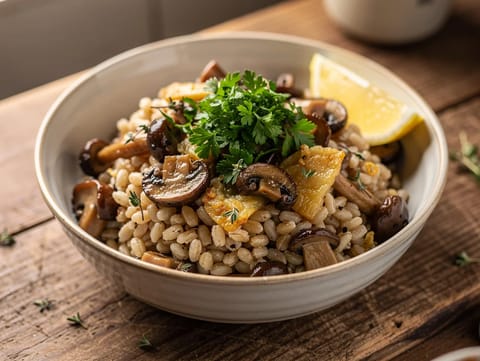
Pearl barley topped with sautéed wild mushrooms and crème fraîche

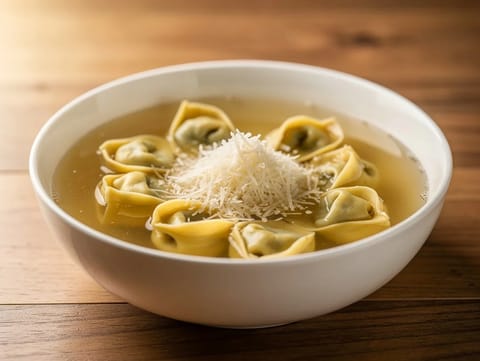
Tortellini served in clear chicken and beef broth

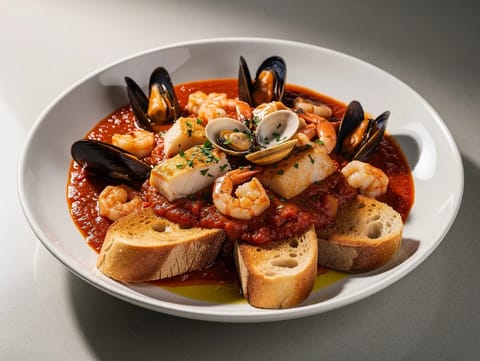
Tuscan fish stew served over toasted garlic-rubbed bread

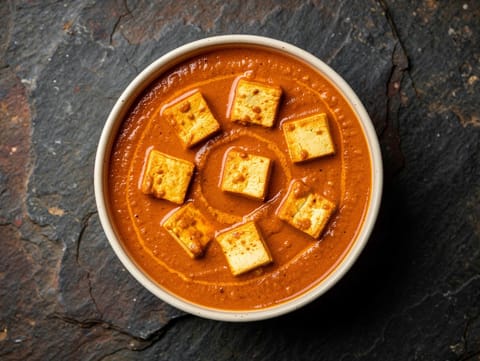
Paneer curry in a tomato and cashew sauce

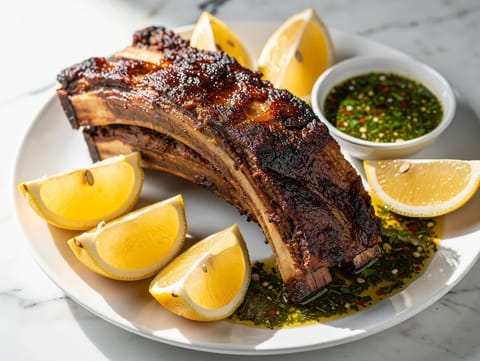
Slow grilled beef short ribs served with chimichurri

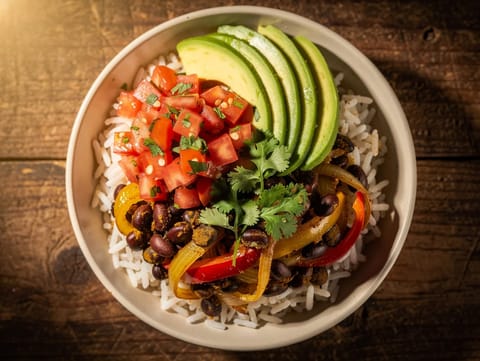
Veggie burrito bowl with black beans, peppers and avocado

Caribbean rum punch with lime, pineapple and orange juices

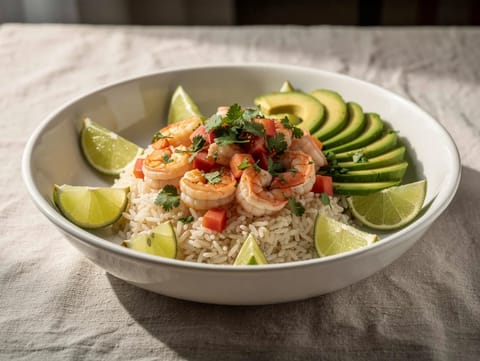
Prawn and rice bowl with avocado, tomato and lime
Choose a size you can control comfortably on your board. A longer blade makes it easier to slice larger vegetables and portion meat in fewer strokes, but only if it feels stable in your hand.
They overlap in purpose, but the shapes encourage different motions. A chef’s knife belly suits rocking; many santoku knives are flatter and suit a more up-and-down chop. Either can work if the recipe simply needs general chopping.
A common approach is a pinch grip: thumb and forefinger on the blade just in front of the handle, with the remaining fingers around the handle. It reduces wobble and helps guide the tip.
Often it is a mix of a dull edge and rushing the set-up. Trim and halve the onion so it sits flat, then make deliberate cuts with the heel and mid-blade rather than sawing with the tip.
Yes, it is well suited to mincing herbs. Keep the tip in light contact with the board and rock the blade, gathering the herbs back into a pile between passes.
They do different jobs. A honing steel can realign a slightly rolled edge; sharpening removes metal to create a new edge. If the knife struggles with tomato skin or feels slippery on onions, it likely needs sharpening rather than just honing.
If you enjoy the rhythm of chopping and slicing, look for recipes built around fresh aromatics, vegetables and herbs. If you prefer minimal prep, choose dishes where ingredients are used whole or roughly cut, so precision matters less than steady, safe technique.