
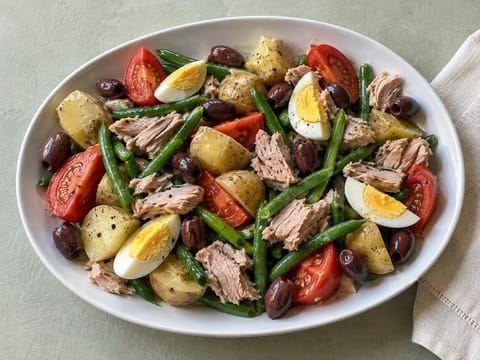
Salade Niçoise (Niçoise Salad)
Niçoise salad with tuna, eggs, vegetables and an olive oil dressing

A colander is a simple tool, but it sits at a risky junction of hot water, steam and slippery food. Recipes that call for one usually involve draining pasta, rinsing grains, washing vegetables, or cooling something quickly under running water. The details matter: hole size affects what escapes, the shape affects stability in the sink, and the material affects how it handles heat. Choosing well is mostly about avoiding spills and getting food properly drained rather than waterlogged.
Start with stability. A wide base or feet help the colander sit securely in the sink, especially when it is heavy with pasta or potatoes. Hole size is the next decision: larger perforations drain quickly but can lose small shapes and grains; finer holes are more versatile but can drain more slowly. Material changes how it behaves. Metal handles heat well but can get hot; plastic stays cooler to touch but can warp if it meets very hot cookware. A colander with comfortable handles is easier to lift and shake dry, which is often what a recipe is really asking you to do.
Niçoise salad with tuna, eggs, vegetables and an olive oil dressing
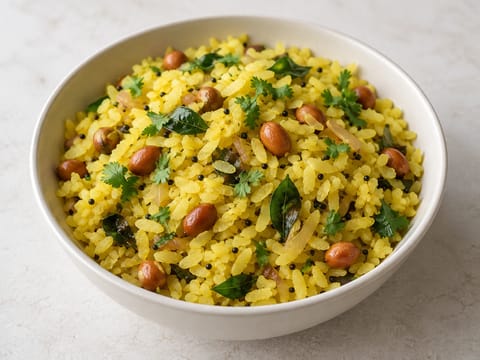
Poha with flattened rice, curry leaves and peanuts
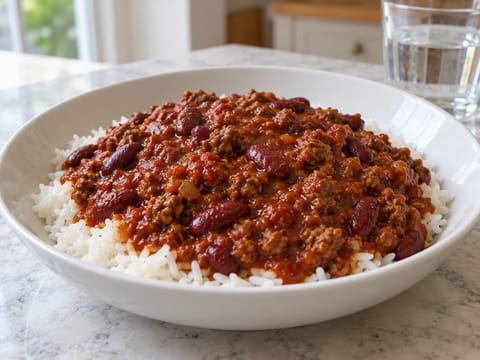
Spiced minced beef and kidney bean chilli served with rice
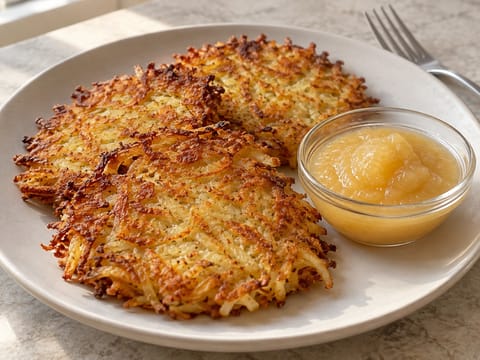
Crisp German potato pancakes with onion, egg and flour
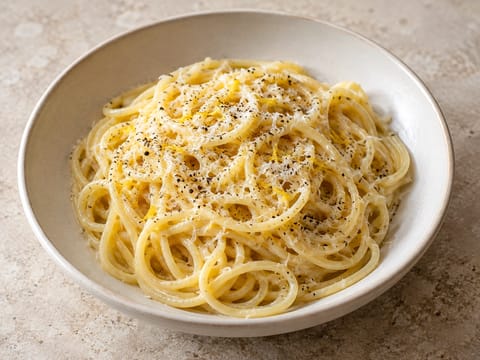
Spaghetti tossed in a silky lemon and Parmesan sauce
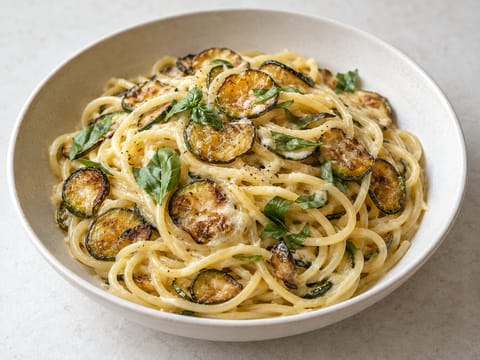
Spaghetti with fried courgettes and melted provolone sauce
The biggest mistake is pouring without a plan. Make sure the sink is clear, the colander is positioned securely, and you have a safe grip on the pot before you lift. Another common issue is over-rinsing. Some foods are meant to keep surface starch (for example, pasta when you want sauce to cling), while others benefit from rinsing to cool or to remove excess starch. Finally, leaving food sitting in the colander can trap steam and moisture, leading to sogginess. A quick shake and prompt return to the pot or bowl keeps texture more intentional.
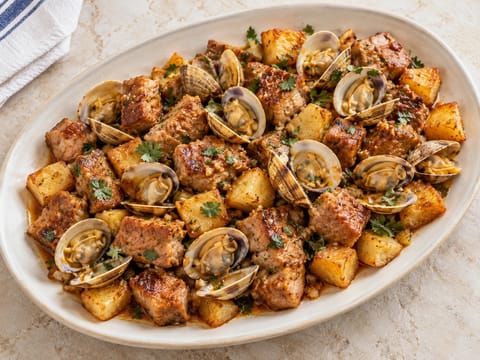
Portuguese pork with clams, garlic, white wine and fried potatoes
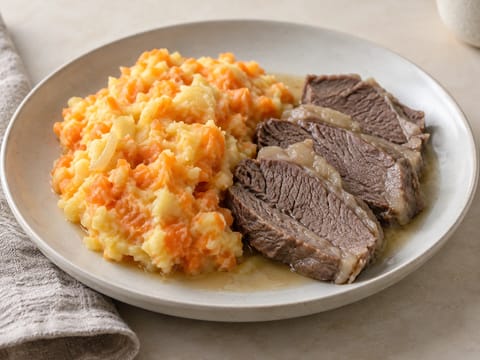
Dutch potato mash with carrots and onions served with boiled beef
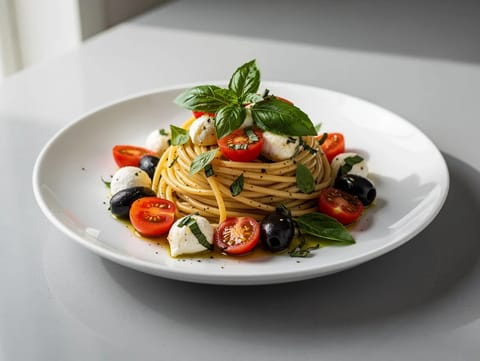
Spaghetti with tomatoes, olives, mozzarella and basil
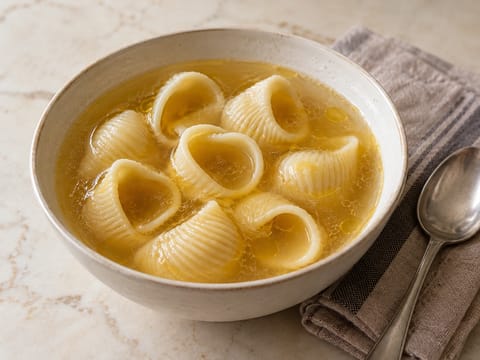
Galets pasta soup in a rich beef and chicken stock

One-pot prawns, sausage, corn and potatoes
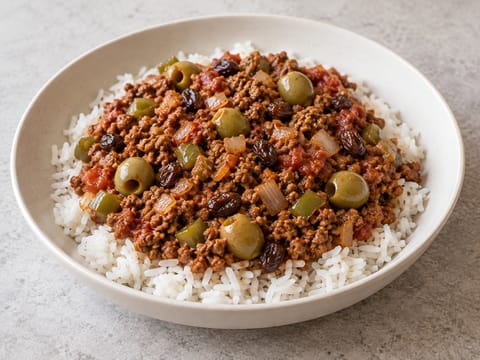
Cuban minced beef with tomatoes, olives and raisins over rice
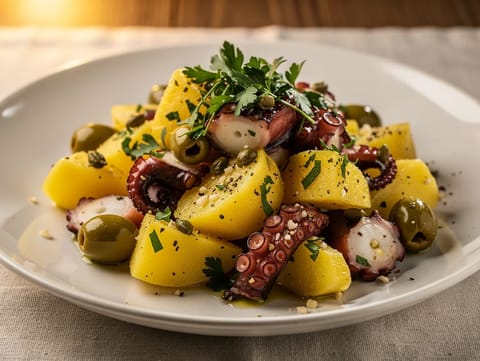
Octopus salad with potatoes, olives, capers and lemon dressing
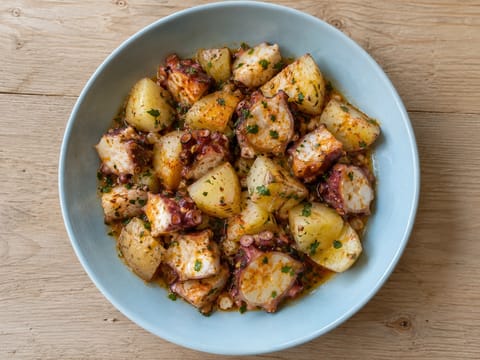
Octopus and potato salad with smoked paprika and olive oil
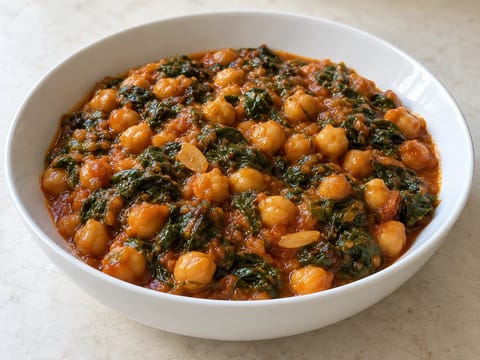
Spinach and chickpeas simmered with cumin, paprika and tomato
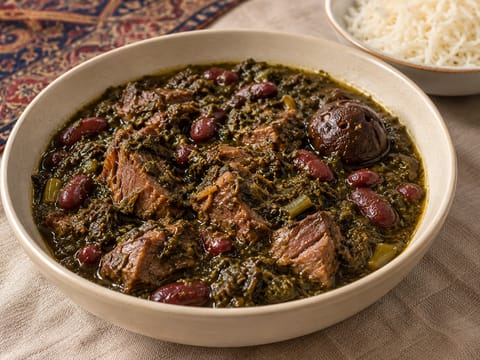
Persian herb and lamb stew with kidney beans and dried lime
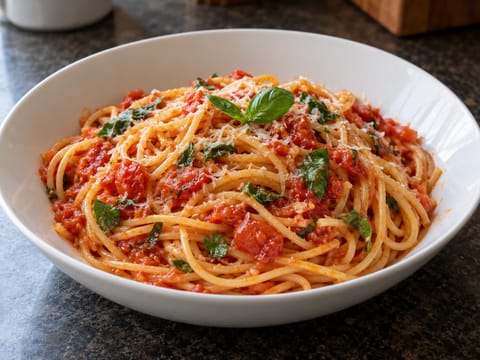
Spaghetti with fresh tomato, garlic and basil
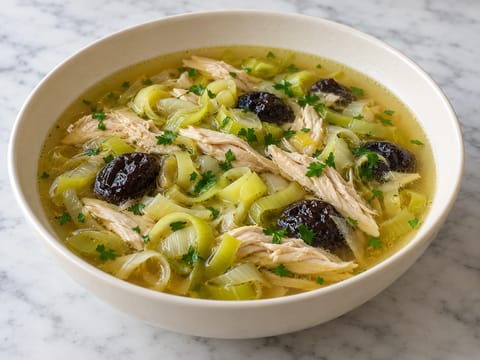
Scottish chicken and leek soup finished with prunes
Draining boiling water is one of the moments in cooking where accidents happen quickly. Pour away from your body, keep children and pets out of the kitchen path, and be mindful of steam rising as the water hits the sink. If you are unsure about lifting a heavy pot, consider removing some water with a ladle first, or using a pot insert designed for draining. The goal is steady, controlled movement rather than speed.
Cooking method pairs naturally with a colander because draining and rinsing are often part of the technique, not just a final step. Difficulty can also be useful: some recipes rely on confident handling of hot, heavy cookware, while others keep draining simple and low-risk.
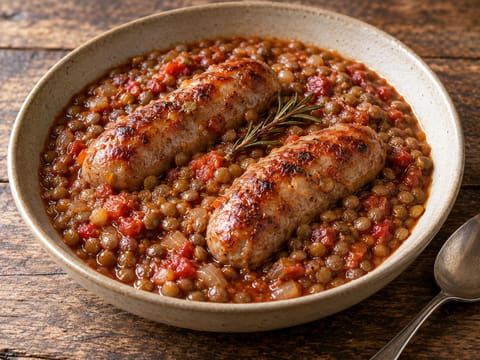
Italian sausages simmered with green lentils and tomato
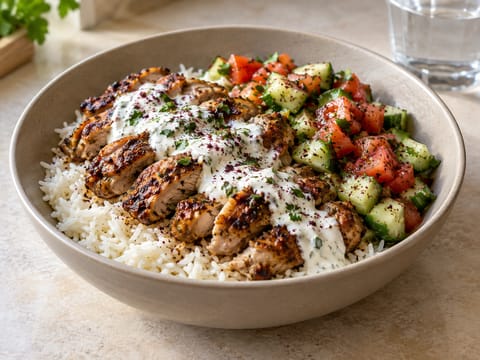
Turkish chicken bowl with rice, garlic yoghurt and salad
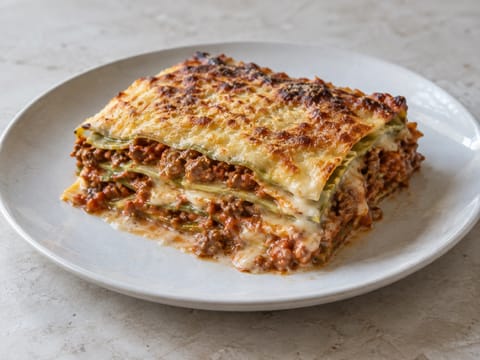
Spinach pasta lasagne with beef and pork ragù and béchamel

Harissa chickpeas with couscous and lemon tahini dressing
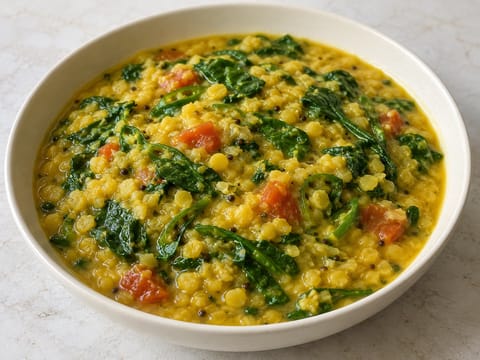
Spinach and yellow lentil dal finished with a spiced tempering
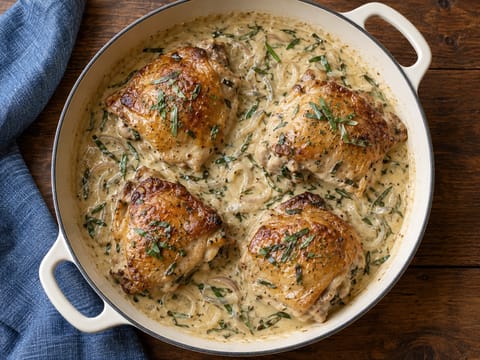
Creamy tarragon chicken simmered with white wine and shallots
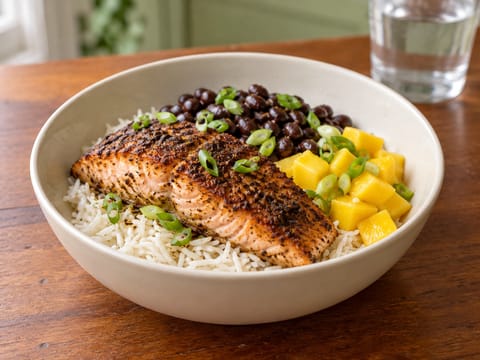
Jerk salmon with coconut rice, black beans and mango
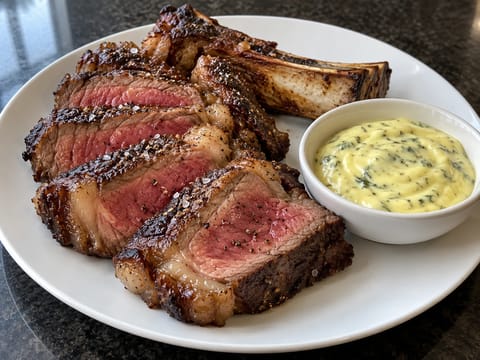
Côte de bœuf served with warm tarragon béarnaise
A sieve can drain small items well, but a colander is designed for volume and speed, especially for pasta and larger vegetables. Many kitchens use both for different scales of draining.
It depends on the recipe. Rinsing cools pasta and removes surface starch, which can be useful for pasta salads. For hot pasta with sauce, not rinsing often helps the sauce cling.
It may need a shake to shed trapped water, or the holes may be too fine for the volume you are draining. Letting food sit can also trap steam, which condenses back into water.
Washing leafy greens, draining blanched vegetables, rinsing beans, and cooling foods under running water are all common uses. The key is letting water move freely while keeping the food contained.
Metal is durable and handles heat well, but can become hot to touch. Plastic is lighter and cooler to handle, but can warp with very hot liquids. Choose based on how you drain most often.
Use a fine-mesh strainer or a colander with smaller perforations. For very small grains, lining a colander with muslin can work, but it slows draining.
If you mostly drain pasta and potatoes, prioritise a stable, fast-draining colander with comfortable handles. If you often rinse grains or small shapes, finer holes or a mesh strainer will make the work cleaner and less frustrating.
