
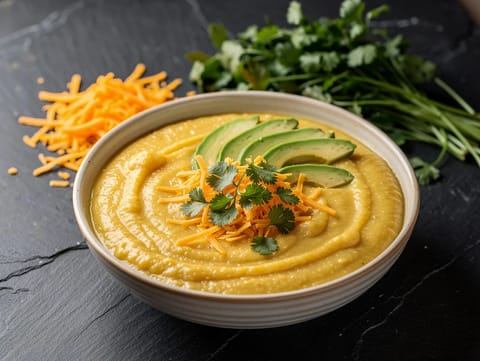
Locro de Papa (Ecuadorian Potato and Cheese Soup)
Creamy potato and cheese soup topped with avocado and coriander

An immersion blender (stick blender) is designed to purée and emulsify directly in the pot, jug or bowl. That changes the workflow: you can blend a soup while it is still hot, finish a sauce without decanting, or turn a small batch of ingredients into a smooth dressing with minimal washing-up. It is at its best when you want a controlled level of smoothness and you do not need the high-speed vortex of a countertop blender.
An immersion blender excels at turning cooked vegetables and liquids into a cohesive purée, smoothing sauces and gravies, and making stable emulsions such as mayonnaise-style dressings. Because the blade sits close to the food, it is also useful for smaller quantities that would rattle around in a large blender jug.
Its limitations are mostly about power and geometry. It will not usually produce the ultra-silky finish you get from a strong jug blender, especially with fibrous ingredients, and it cannot move ingredients around the way a food processor can. It also struggles with very thick mixtures unless you add enough liquid for the blade to circulate. If a recipe relies on crushing ice, grinding nuts to a paste, or making a very smooth nut butter, another appliance is typically a better fit.
Creamy potato and cheese soup topped with avocado and coriander
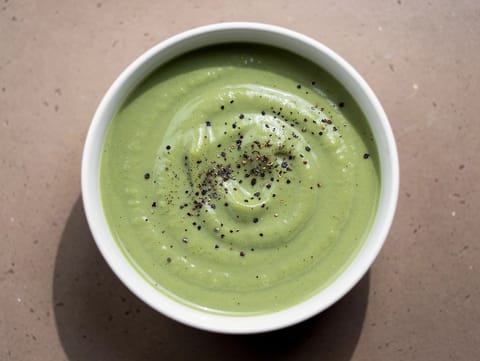
Creamy broccoli and Stilton soup blended smooth with leeks
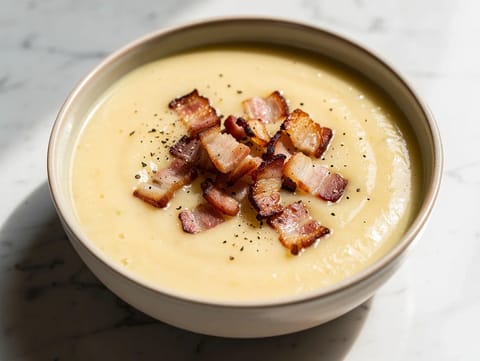
Creamy potato soup topped with crisp bacon
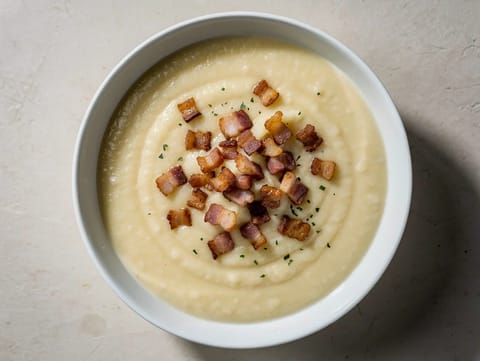
Creamy German potato soup topped with crispy bacon
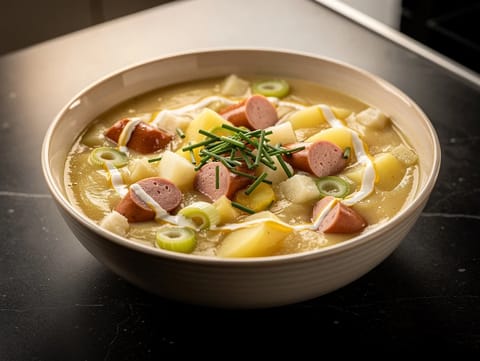
German potato soup with frankfurters, leeks and crème fraîche
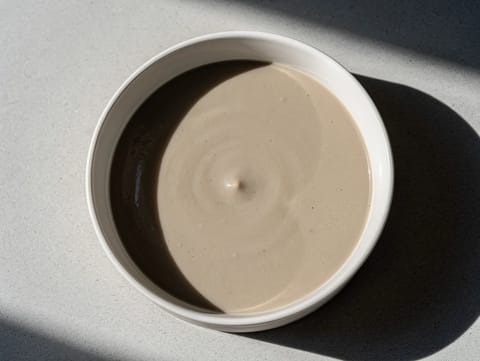
Blended mushroom soup finished with double cream
The classic problem is splashing. Start with the head fully submerged, begin on a lower speed if you have one, and keep the blade end tilted slightly so it can draw liquid in without burping air. With hot soups, let the bubbling calm a little before blending so steam does not push liquid up the sides.
Lumps often come from blending too briefly or in the wrong vessel. A narrow, deeper container helps the blade pull ingredients through; a wide pan can leave pockets untouched. Over-blending is the other side of the coin: some mixtures turn gluey when the starch is worked hard, and herbs can go dull and bitter if they are blitzed for too long. Blend to the texture the recipe is aiming for, then stop.
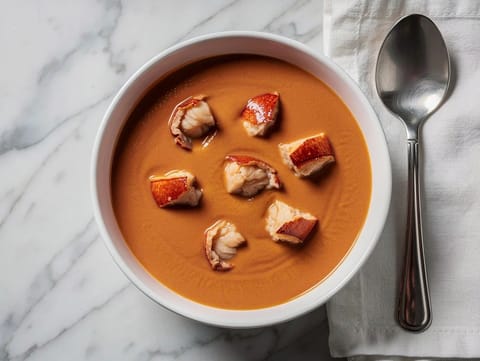
Smooth French lobster bisque finished with double cream
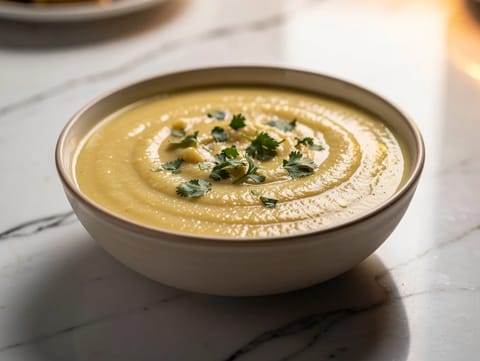
Smooth plantain soup finished with double cream and coriander
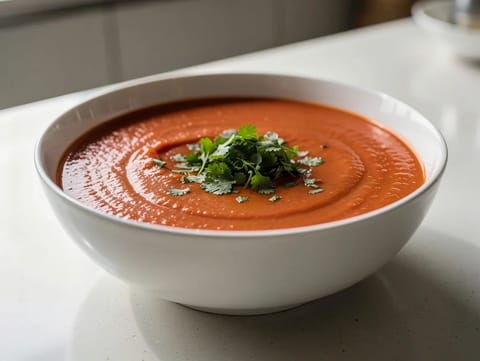
Light tomato soup blended smooth with spices, lemon and coriander
German potato soup with frankfurters, leeks and crème fraîche
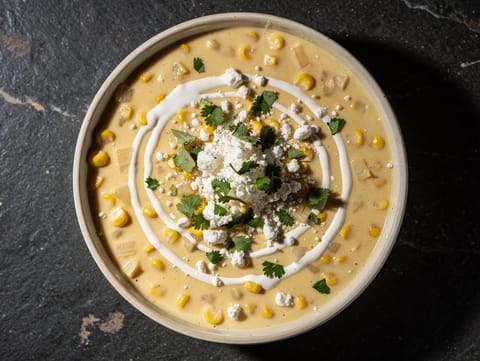
Creamy Mexican sweetcorn soup finished with crema and lime
Blended mushroom soup finished with double cream
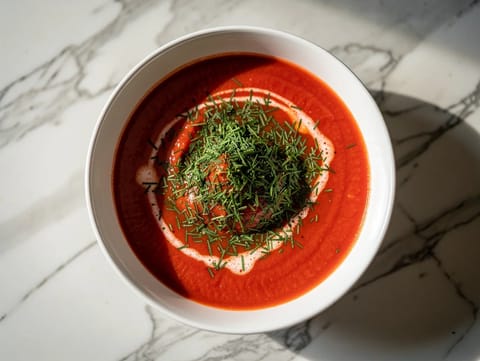
Light tomato soup with carrots, celery, cream and dill
Creamy potato soup topped with crisp bacon
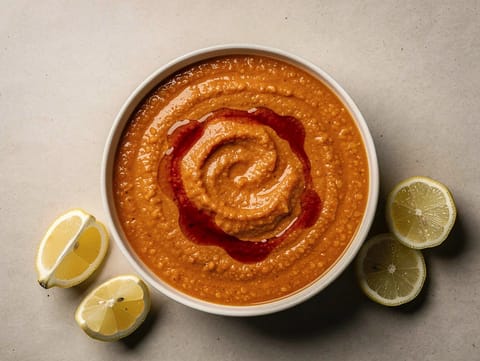
Smooth Turkish red lentil soup finished with paprika butter
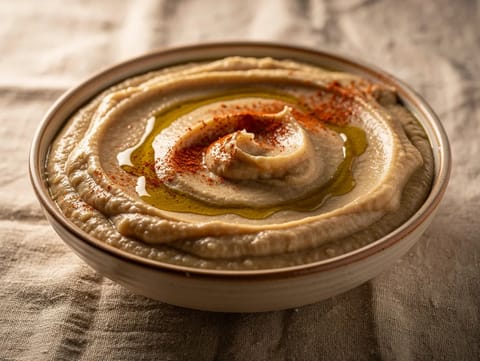
Moroccan fava bean soup blended smooth with cumin and garlic
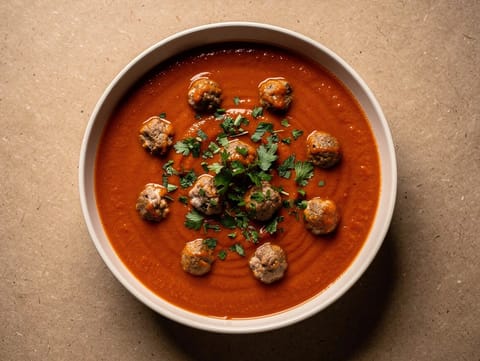
Belgian tomato soup with poached beef and pork meatballs
Creamy broccoli and Stilton soup blended smooth with leeks
Cooking method is a helpful companion here, because puréeing can be a finishing step for soups, sauces and dips, or part of an emulsion technique. Difficulty can also guide you towards recipes that need careful handling of hot liquids, straining or a particularly smooth finish.

Pan-fried pork sausage served with soft, golden onions
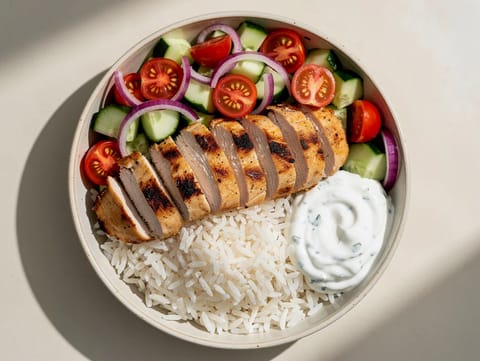
Chicken souvlaki served over rice with salad and tzatziki

Polish cheesecake with quark filling and cocoa pastry
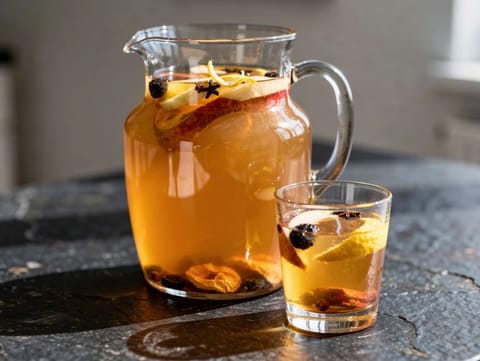
Polish dried fruit drink simmered with spices, served warm or chilled
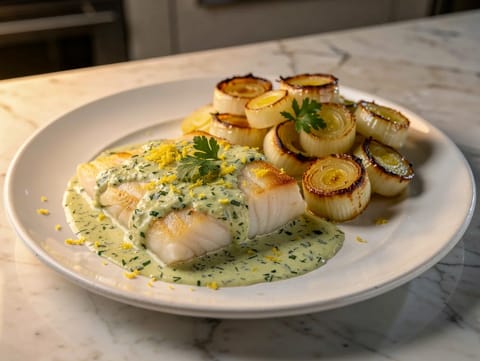
Flaky baked cod with warm parsley sauce and buttered leeks

Chicken skewers with lime, garlic, cumin and smoked paprika
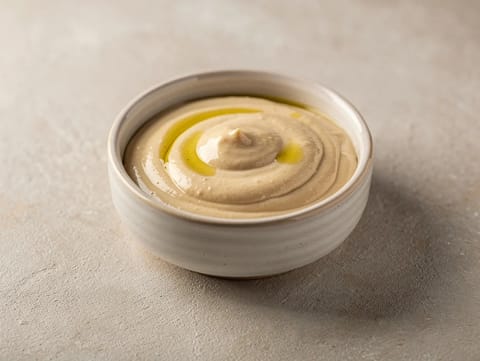
Smooth tahini sauce with lemon, garlic and water
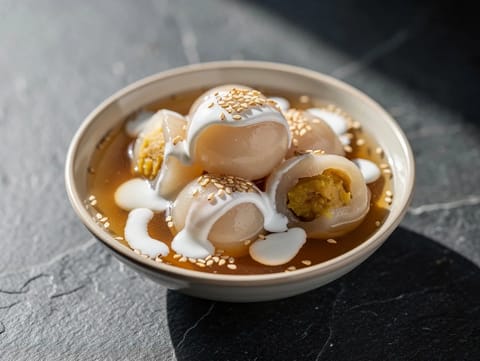
Glutinous rice balls with mung bean in ginger syrup
It depends on the blender head and the pan. Metal guards can mark delicate coatings, so many cooks blend in a tall jug or use a pan with a more robust surface when possible.
No. A hand mixer beats and whisks; an immersion blender cuts and purées with a blade. Some recipes can use either, but they create different textures.
Often it needs more blending time, a deeper container, or a little more liquid so the blade can circulate. Very fibrous vegetables may still benefit from straining if you want a velvety finish.
Many recipes use an immersion blender for quick emulsions. The key is keeping the blade positioned so it draws oil in gradually, rather than dispersing it too fast to emulsify.
An immersion blender is commonly used with hot food, but steam and bubbling increase splashing risk. Work carefully, keep the head submerged, and avoid overfilling the vessel.
A countertop blender can purée very smoothly, but you may need to blend in batches and vent the lid for hot liquids. For some soups, a potato masher gives a deliberately coarse texture.
If a recipe asks you to purée part or all of a mixture, an immersion blender is often the most direct route. Choose it for hot soups and quick emulsions; choose a jug blender or processor when you need more power, more movement, or a very fine finish.
