
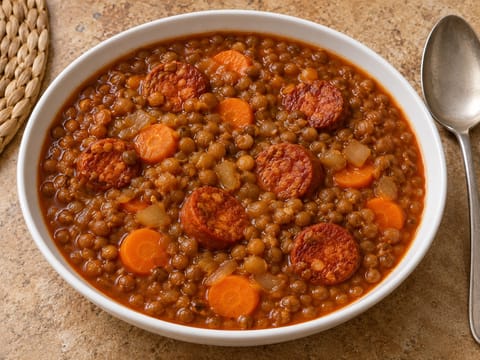
Lentejas con Chorizo (Spanish Lentil and Chorizo Stew)
Spanish lentil stew simmered with chorizo, tomato and smoked paprika

Measuring cups look straightforward, but most measuring errors come from using the right tool in the wrong way. Dry measuring cups are designed to be filled and levelled; liquid measuring jugs are designed to be read at eye level. Swap those roles and you can be surprisingly far off, especially with flour, sugar and sticky ingredients. If a recipe depends on ratios, as many bakes do, consistent measuring matters more than perfection. The aim is repeatability: you want the same cupful to mean the same thing every time you cook.
Dry measuring cups are usually a set of nested cups with a flat rim. You fill them to the top and level off, which gives a consistent volume. Liquid measuring cups are typically a jug with a spout and headspace above the marked line, so you can pour without spilling. They are meant to be set on the counter and read at eye level. Using a liquid jug for flour encourages scooping and packing, while trying to measure liquids in a dry cup often leads to spills and guesswork. Some ingredients sit in between, such as yoghurt or peanut butter, where the best choice depends on how thick it is and how precise the recipe needs to be.
Spanish lentil stew simmered with chorizo, tomato and smoked paprika
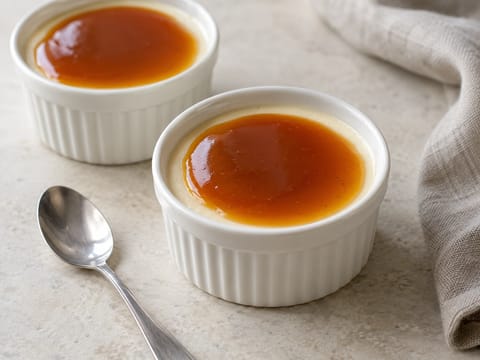
Vanilla panna cotta topped with glossy salted caramel
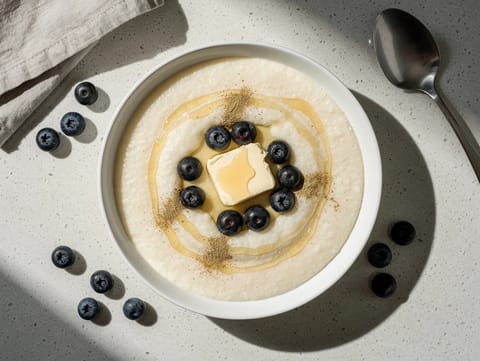
Creamy semolina porridge with honey, cardamom and blueberries
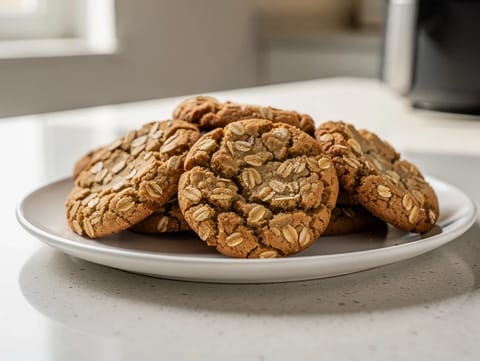
Air fryer oatmeal cookies with a chewy centre and crisp edges.
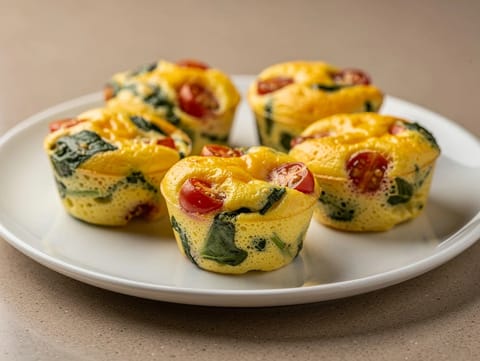
Air fryer egg muffins with spinach, tomatoes and cheddar.

Chicken burrito bowl with beans, rice, sweetcorn, salsa and sour cream.
Packing is the big one. Flour can compact dramatically if you scoop with the cup, tap it, or store it tightly, which can make a bake dry and heavy. A common approach is to spoon flour into the cup and level it, rather than digging in. Brown sugar is the opposite: many recipes expect it to be packed, so “loosely filled” can under-sweeten and change texture. With sticky ingredients, coating the cup lightly with oil or using a flexible spatula to scrape can help you get closer to the intended amount. Finally, check that you are using the correct cup size from the set; it is easy to grab the wrong one when they are stacked.
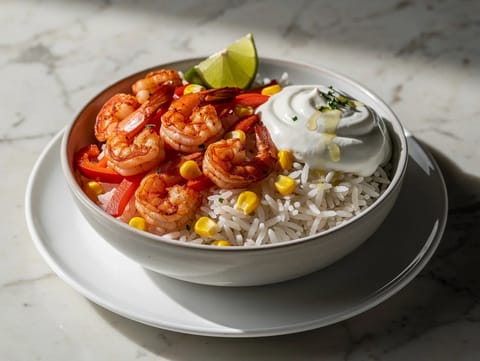
Cajun prawn rice bowl with peppers and soured cream
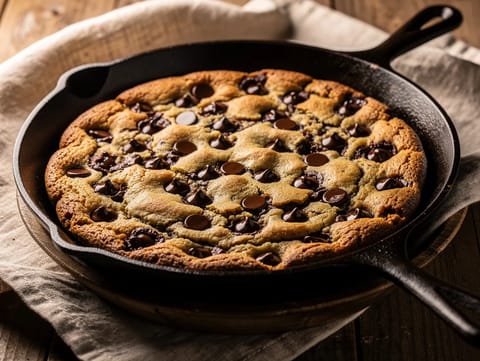
Giant skillet cookie with dark chocolate chips and vanilla
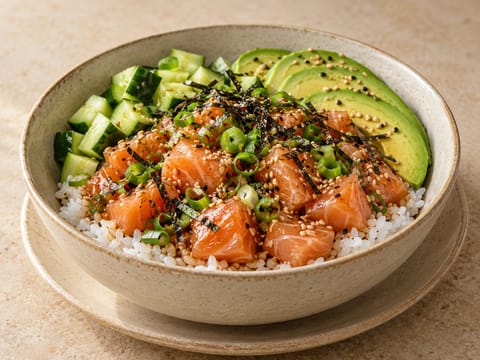
Sushi rice poke bowl with salmon, avocado, and sriracha.
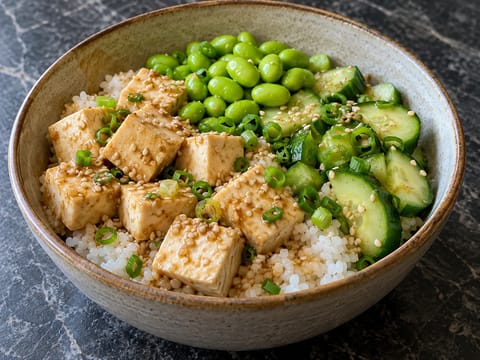
Sesame tofu poke bowl with sushi rice, cucumber and edamame.
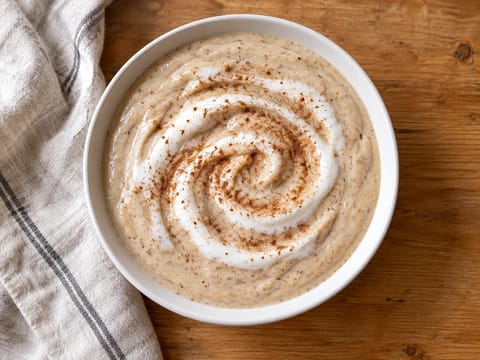
Cinnamon roll smoothie bowl with banana, yoghurt, oats and cinnamon.
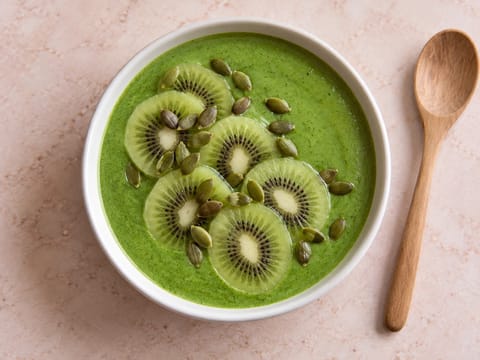
A green smoothie bowl with spinach, cucumber and banana.
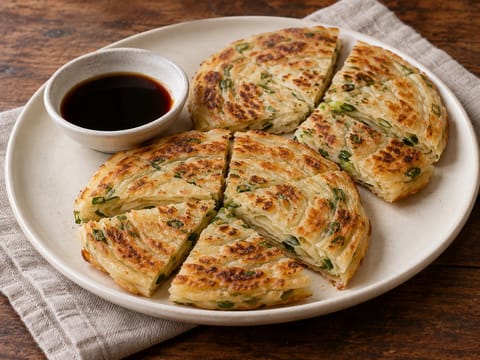
Flaky scallion pancakes served warm with a soy dip.
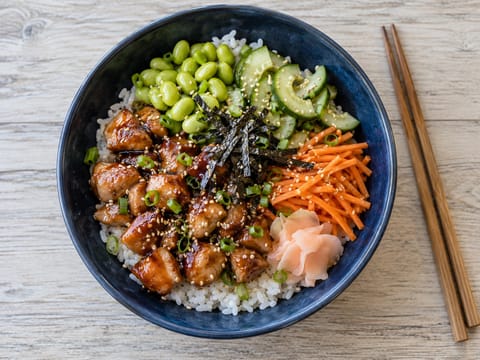
Sushi rice bowl topped with teriyaki chicken and vegetables.
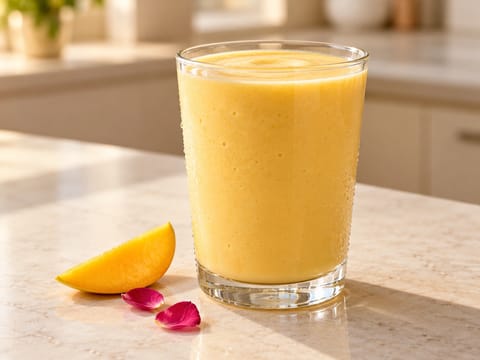
A chilled mango yoghurt smoothie lightly scented with rose.
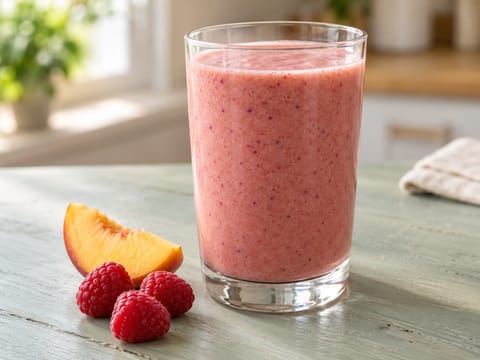
Peaches, raspberries and Greek yoghurt blended into a creamy smoothie.
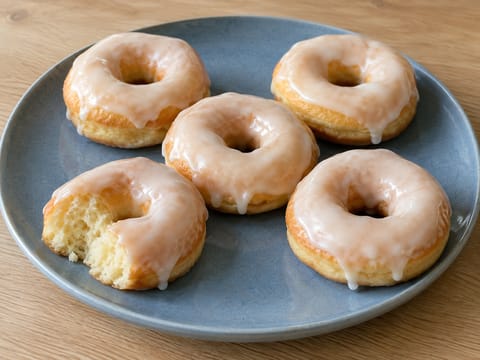
Yeast donuts air-fried and finished with vanilla glaze.
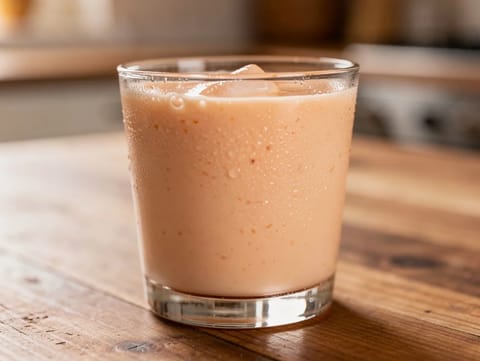
Peach yoghurt smoothie blended with milk and a little honey.
Measuring cups are useful for quick, low-fuss cooking, and they are often the default in recipes written by volume. They are less reliable when ingredients vary in density, especially flour, grated cheese, chopped nuts and cocoa. If you bake often, a digital scale can remove a lot of uncertainty and reduces washing-up because you can weigh into one bowl. That said, you can still get consistent results with cups by using the same method each time and paying attention to how ingredients are filled, levelled and scraped. The key is not switching techniques mid-recipe.
If you are choosing recipes by how exact the measuring needs to be, Difficulty can be a helpful companion: some bakes are sensitive to small changes, while many everyday dishes are forgiving. Cooking method also adds context, because baking and confectionery tend to reward precision more than simmering a sauce or assembling a salad.
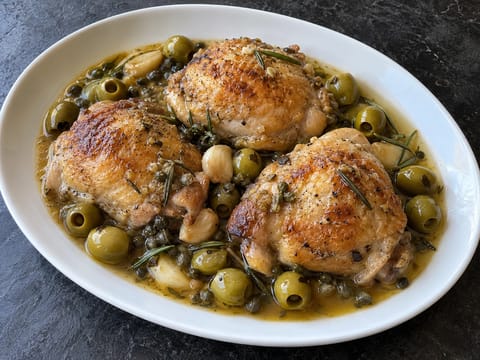
White wine braised chicken with olives and capers
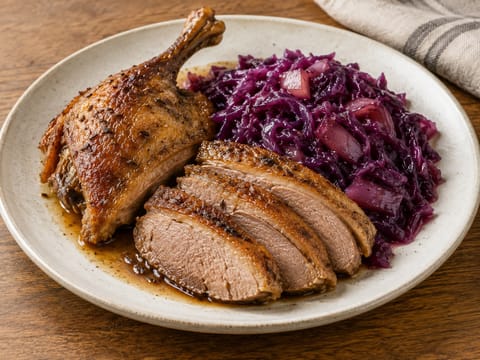
Roast duck with caraway and braised red cabbage with apple
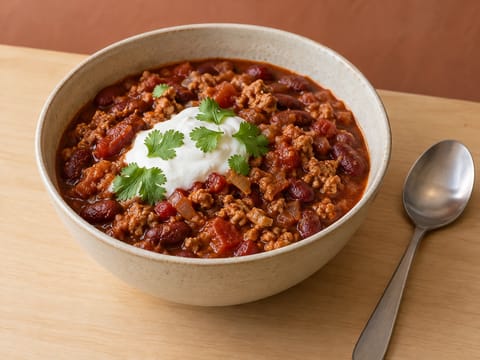
Turkey and kidney bean chilli topped with Greek yoghurt
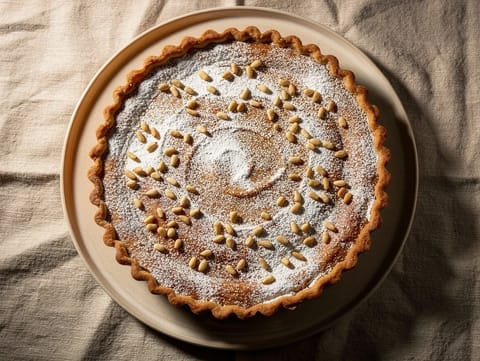
Lemon custard tart topped with pine nuts
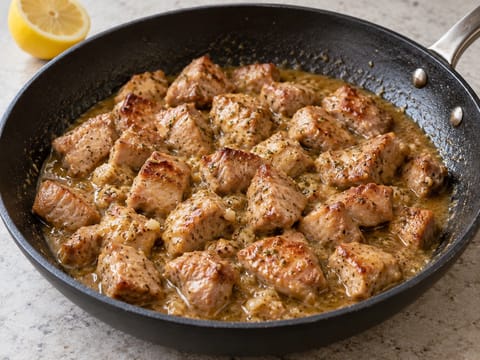
Pan-fried pork with lemon and mustard sauce
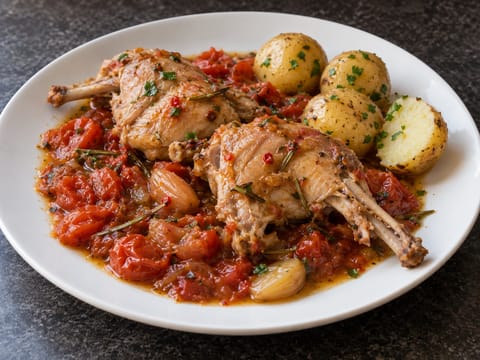
Rabbit braised with white wine, garlic and cherry tomatoes
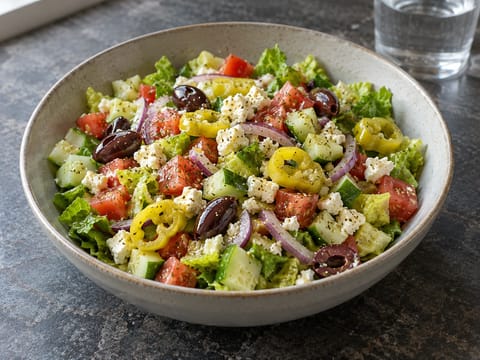
Chopped romaine salad with feta, olives and pepperoncini
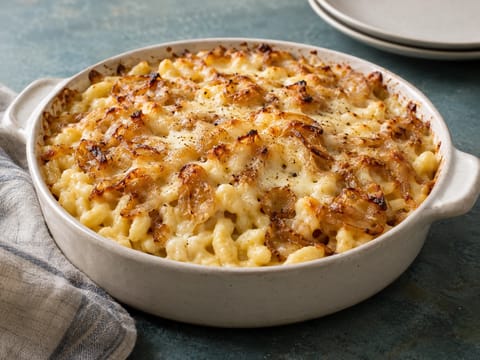
German cheese noodles with caramelised onions and black pepper
You can, but it is easier to be accurate with the right style of cup. Dry cups are meant to be levelled; liquid cups are meant to be read at eye level with headspace for pouring.
Scooping often compacts flour. Many cooks get more consistent results by spooning flour into the cup and levelling it off.
Many recipes that specify brown sugar by cup assume it is packed, because it is naturally clumpy and compressible. If a recipe wants it loose, it will often say so.
Volume measures are sensitive to how ingredients are filled and levelled, and to ingredient density. Using the same technique each time improves repeatability.
Cup measures vary by region and recipe source. If a recipe provides weights, using a scale avoids that mismatch.
Use dry cups for fill-and-level ingredients and a liquid jug for pourable ones, then stick to the same measuring habits from start to finish. That consistency is what makes recipes repeatable.
