
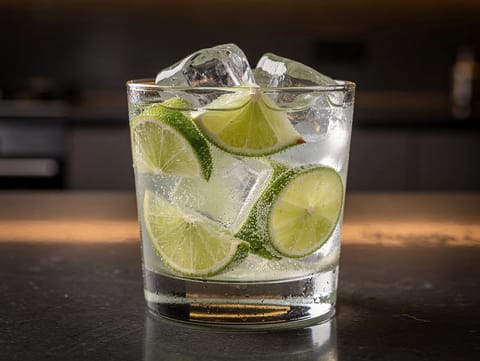
Caipirinha (Brazilian Lime Cocktail)
Caipirinha with muddled lime, caster sugar, cachaça and ice

A muddler is a simple bar tool for bruising and crushing ingredients so their oils and juices move into the drink. Used well, it gives you fresh mint aroma, lime brightness and fruit flavour without needing a blender. Used too aggressively, it can push out bitterness from citrus pith and tear herbs into murky fragments. The difference is mostly pressure and where you apply it, which is why muddling is as much technique as equipment.
Over-muddling herbs is the big one. Mint, basil and similar soft leaves need a firm press and a gentle twist to bruise them, not repeated pounding. When the leaves shred, you get grassy flavours and lots of fine pieces that are hard to strain.
With citrus, aim for the flesh, not the white pith. If you are muddling lime wedges, press to release juice and oils from the peel, but stop before you crush the bitter core. Sugar can help here: it acts as an abrasive, drawing out oils, but it also encourages you to grind too hard. Finally, muddling in the wrong glass can cause breakage. Thin glassware is not designed for force; a sturdy mixing glass or shaker tin is safer and gives you better leverage.
Muddling is a low-tech extraction method. It is ideal for cocktails where you want fresh aromatics and a little texture, such as drinks built around mint, citrus, berries or cucumber. It also suits recipes that are finished with a quick shake or stir, because the muddled ingredients are then distributed through the drink.
A muddler is not a substitute for juicing, blending or infusing when a recipe needs a completely smooth liquid or a deep, even flavour. Crushing fruit does not remove seeds or skins, and it will not create the fine purée you get from a blender. Likewise, muddling spices is usually too blunt an approach; it bruises rather than grinds, so you may get uneven intensity from sip to sip.
Cooking method is the natural companion to muddling, because many drinks depend on the sequence: muddle, then shake or stir, then strain or build. Difficulty can also help you judge how much technique is involved, especially when a recipe needs careful straining or a clean, uncluttered finish.
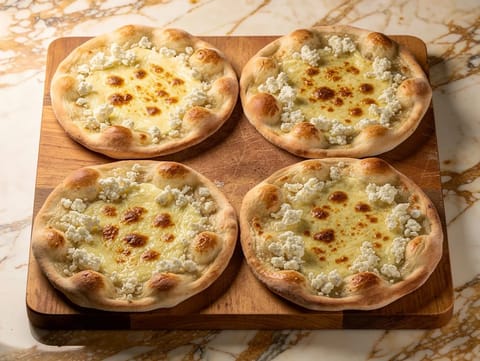
Yeasted flatbreads topped with mozzarella and feta
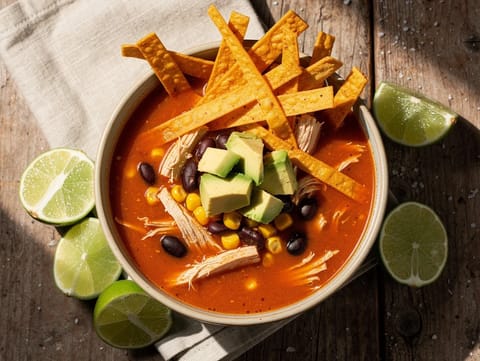
Chicken tortilla soup with black beans, sweetcorn and tortilla strips
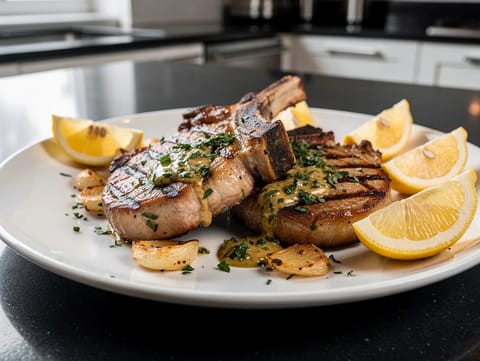
Grilled pork chops with Dijon mustard and fresh tarragon
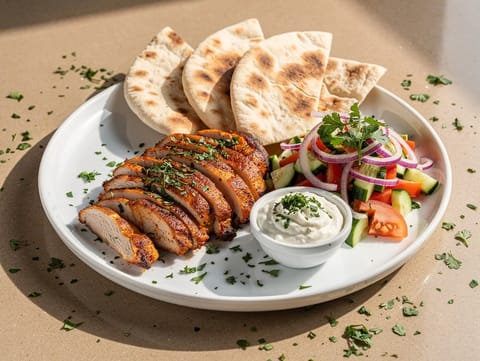
Spiced chicken shawarma platter with flatbreads and garlic yoghurt
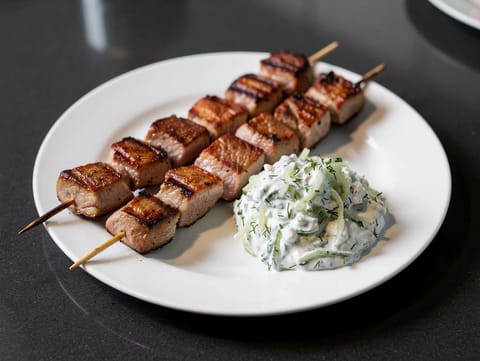
Greek pork skewers grilled and served with yoghurt cucumber tzatziki
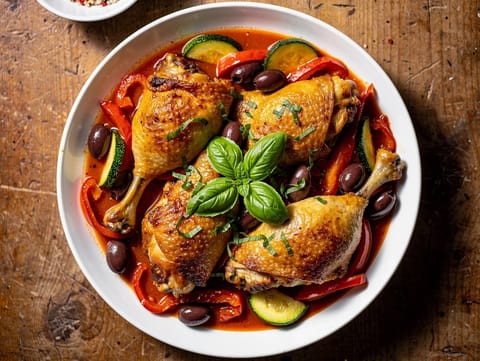
Chicken stew with tomatoes, olives, peppers and courgette
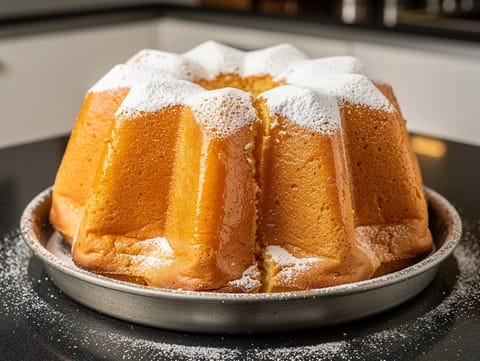
Buttery Italian Christmas cake dusted with icing sugar
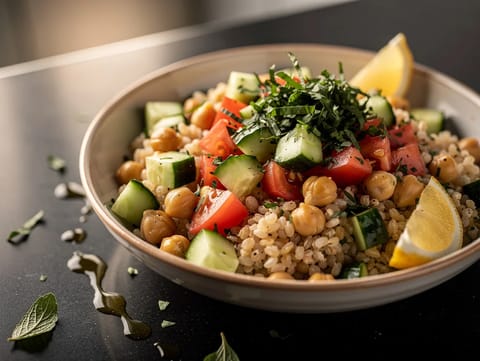
Bulgur bowl with chickpeas, tomato, cucumber and herbs
Often, yes. Use the handle end in a sturdy glass or tin and press rather than pound. The goal is bruising the leaves to release aroma, not shredding them.
Common causes are crushing lime pith too hard, or over-muddling mint. Use gentle pressure, and focus on releasing juice and oils without grinding the ingredients into paste.
Some recipes do, because sugar helps draw out oils. Just be careful not to use the sugar as an excuse to grind aggressively, which can make herbs taste harsh.
A textured end can grip fruit more easily, but it can also tear herbs. For leafy herbs, a smoother end is often easier to control.
A sturdy mixing glass or shaker tin is reliable. Thin serving glasses can crack, and wide bowls make it harder to apply even pressure.
Not always. Some drinks are meant to be rustic with a little fruit and herb in the glass. If you want a cleaner texture, strain through a fine sieve.
Think of muddling as controlled bruising. Use just enough pressure to release aroma and juice, then let shaking or stirring do the mixing. When you keep the ingredients intact, the drink stays brighter, clearer and easier to sip.
