
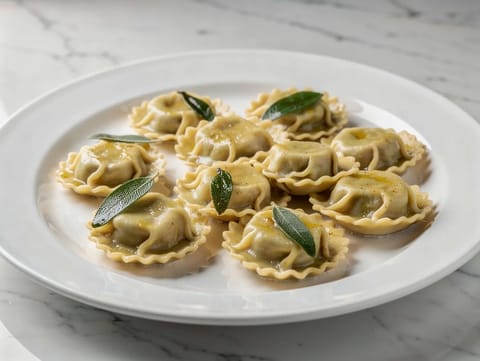
Agnolotti del Plin (Stuffed Pasta with Brown Butter and Sage)
Stuffed pasta with pork, spinach, brown butter and sage

A pasta machine is essentially a set of rollers that turns a rough dough into smooth, even sheets with far less effort than a rolling pin. That evenness matters: it helps pasta cook at the same rate, and it makes filled shapes easier to seal without thick, doughy edges. The machine does not remove the need for good dough handling, though. Hydration, resting and flour management still decide whether the sheet feeds cleanly through the rollers or tears and sticks.
Most home pasta machines are hand-cranked roller machines that progressively thin dough. Many also have a cutter attachment for strands, but the core function is rolling. The rollers compress and align the dough, which is why repeated passes can turn a crumbly mass into a cohesive sheet. A pasta machine is not a mixer or kneader, and it will not fix a dough that is wildly too wet or too dry. It also has practical limits: very soft, enriched doughs can smear; very dry doughs can crack unless they have rested and been worked gradually.
The time saving is in consistency. Once the dough is rested, you can move through thickness settings quickly and repeatably, which is hard to match with a rolling pin. It also helps when you need long, wide sheets for lasagne or for filled pasta, because the machine supports the dough as it thins. Plan for a little set-up space: you need a stable counter edge to clamp the machine, room to catch the sheet as it lengthens, and a lightly floured surface for stacking or hanging. If you are making pasta occasionally, a rolling pin can still work well, but it asks more judgement to keep thickness even across the sheet.
Feeding dough through before it has rested often leads to tearing and a ragged edge. Resting allows the flour to hydrate and the gluten to relax, so the sheet stretches instead of snapping back. Another common issue is over-flouring. A light dusting prevents sticking, but too much flour can stop the layers bonding when you fold and laminate, leaving dry seams. Finally, avoid jumping straight to thin settings. Gradual thinning gives the dough time to strengthen; if it starts to stick, stop and dust the dough, not the rollers, so you do not build a paste inside the machine.
A pasta machine is closely tied to Cooking method, because rolling, laminating and shaping steps vary between fresh pasta styles. Difficulty is also a useful companion: some pasta shapes are mostly about rolling and cutting, while others add delicate filling, sealing and drying stages that demand more attention than the machine itself.

Polish stew with sauerkraut, cabbage, pork and smoked sausage
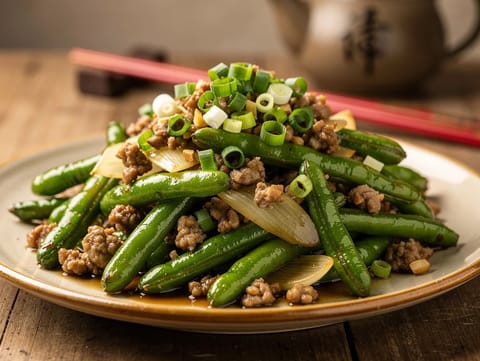
Blistered green beans stir-fried with minced pork and soy sauce
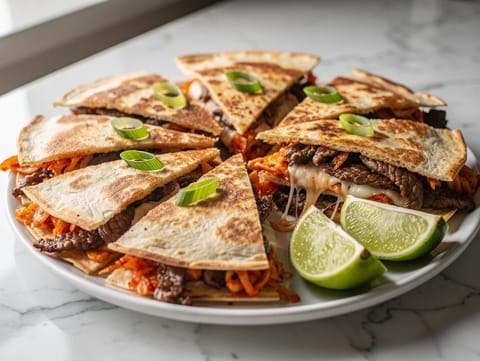
Crisp bulgogi beef quesadilla with kimchi and mozzarella
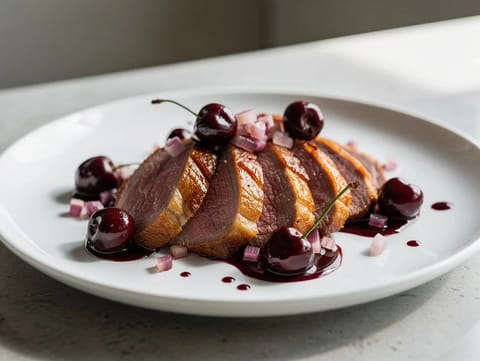
Pan-seared duck breast served with cherry and red wine sauce
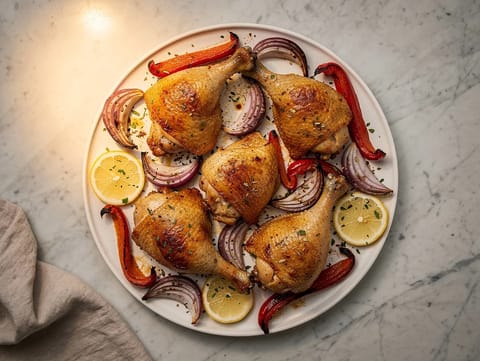
Sheet-pan chicken with yoghurt, lemon, onion and red pepper

Clear pork broth noodle soup with minced pork and prawns

Red-braised pork belly simmered until tender and glossy
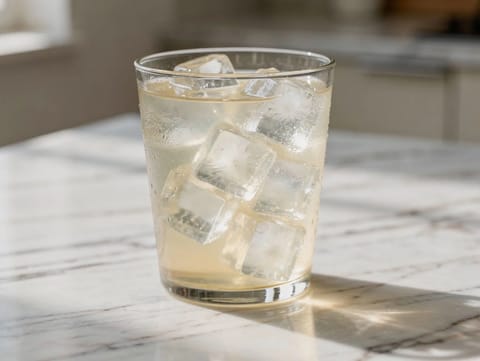
Coconut water cooler with lime and honey over ice
No. You can roll pasta with a rolling pin, especially for rustic shapes. A machine mainly helps you reach an even thickness with less effort and more repeatability.
It is often too dry or not rested enough. Let the dough rest so the flour hydrates, then start at a thicker setting and reduce gradually.
It may be slightly too wet, or the surface needs a light dusting of flour. Dust the dough lightly and keep the sheet moving; avoid packing flour into the rollers.
Yes. The machine is particularly helpful for rolling thin, even sheets that seal well around fillings, reducing the risk of thick edges that stay undercooked.
Both aim to roll dough evenly. Electric models reduce effort, but you still need to manage dough texture, resting and flouring to prevent sticking or tearing.
Choose a pasta machine when you want reliable thickness and a smoother rolling workflow, especially for long sheets and filled pasta. Treat it as a precision tool: rest the dough, thin it gradually, and use flour sparingly so the sheet stays supple and cohesive.
