
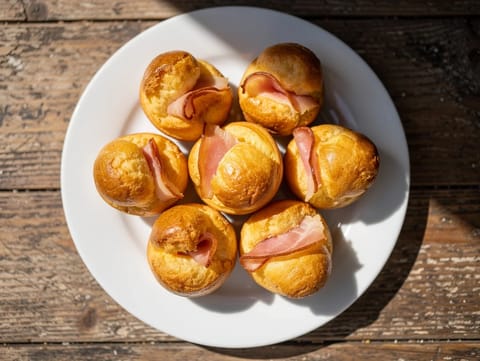
Gougères with Ham and Gruyère
Choux pastry gougères with Gruyère and diced ham

A piping bag is a simple tool for portioning and shaping soft mixtures with control. It excels when you need repeatable size and a clean finish, such as piping buttercream, choux pastry, meringue or a savoury filling. Its limits show up when mixtures are too stiff, too warm, or lumpy, or when the bag is overfilled and hard to grip. Understanding those boundaries helps you choose the right bag, nozzle and consistency before you start, rather than fighting the mixture mid-pipe.
Think of a piping bag as a hand-powered dispenser: pressure from your palm pushes a mixture through a narrow opening, often shaped by a nozzle. That pressure gives you precision, but it also magnifies problems in texture. Anything with hard bits, unmelted chocolate, coarse nuts or poorly softened butter can snag at the tip and force the bag to burst at the seam. A piping bag also won’t fix a mixture that is the wrong consistency. If icing is too loose it will spread after piping; if it is too stiff you will overwork your hand and lose definition as the mixture warms.
Choux pastry gougères with Gruyère and diced ham
Soft Italian yeast doughnuts rolled in sugar and piped with mixed berry jam
Crisp, airy choux buns mixed with ham and Comté, served warm or room temperature
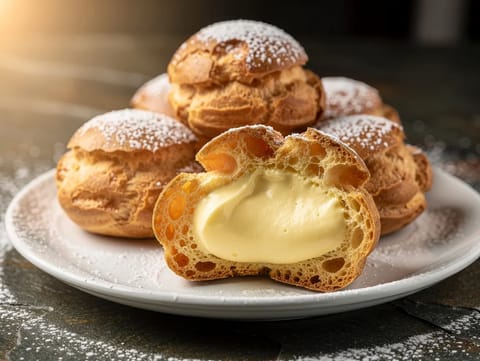
Choux cream puffs filled with vanilla pastry cream

Crisp churros rolled in cinnamon sugar with chocolate dipping sauce
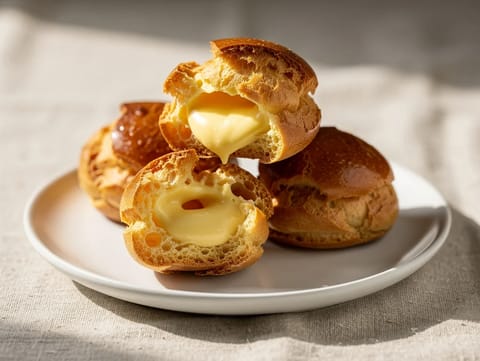
Crisp choux buns filled with smooth crema pasticcera
Disposable plastic bags are convenient for small batches and strong pressure, while reusable fabric or silicone bags can feel steadier in the hand for longer sessions, provided they are thoroughly cleaned and dried. Nozzle size matters as much as nozzle shape: a star tip needs a smooth, well-beaten mixture to keep its ridges, while a plain round tip is more forgiving and suits filling pastries or piping dots. For very soft mixtures, a coupler can help you swap tips without emptying the bag, but it adds bulk at the end, which can reduce finesse for fine writing.
Choux cream puffs filled with vanilla pastry cream
Crisp choux buns filled with smooth crema pasticcera
Crisp churros rolled in cinnamon sugar with chocolate dipping sauce
Choux pastry gougères with Gruyère and diced ham
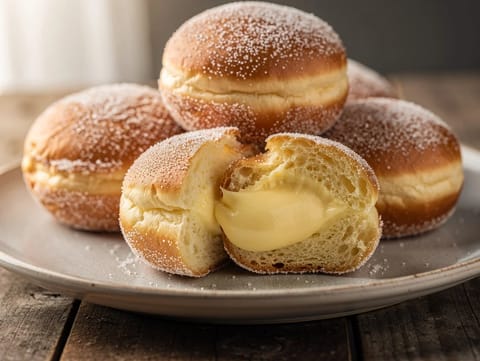
Sugar-coated doughnuts filled with vanilla pastry cream
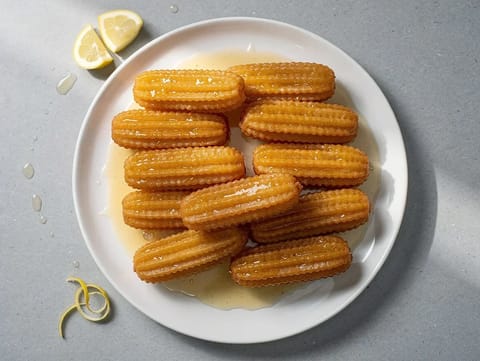
Ridged choux fritters soaked in cooled lemon syrup
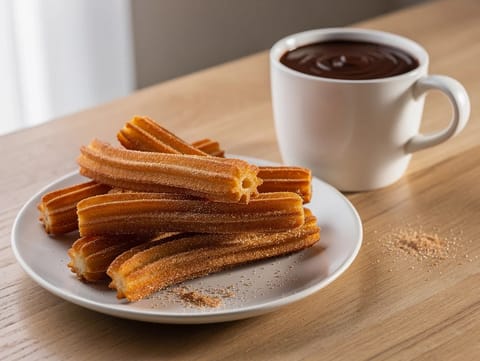
Crisp cinnamon sugar churros with thick dark hot chocolate
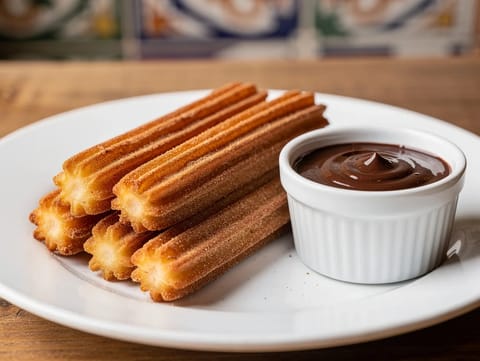
Air-fried churros rolled in cinnamon sugar with chocolate sauce.
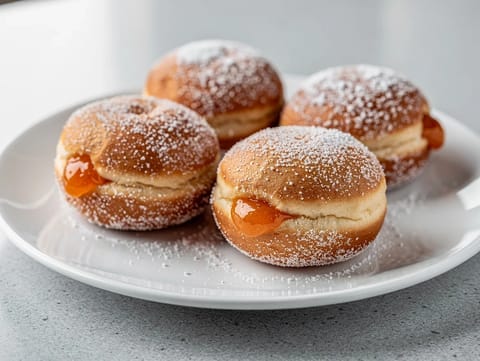
Yeast doughnuts filled with apricot jam and sugar
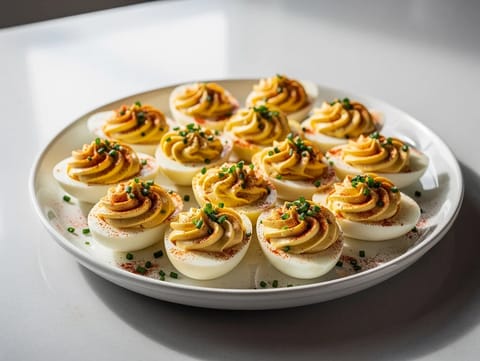
Devilled eggs with Dijon, paprika and chives
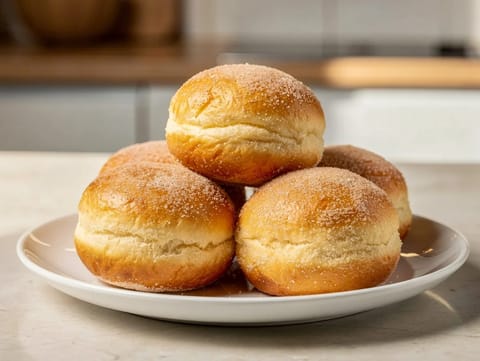
Sugar-coated Italian doughnuts filled with vanilla pastry cream
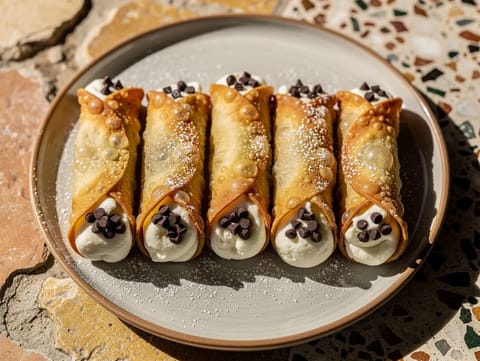
Crisp cannoli shells filled with sweet ricotta and chocolate chips.
Overfilling is the classic cause of mess. A half-full bag is easier to twist closed and keeps pressure consistent. If the mixture is warm, it will loosen as it sits in your hand; pausing to chill the bag briefly can restore definition. If you see air bubbles in buttercream or whipped mixtures, tap the filled bag on the worktop and squeeze a little out before you start piping the final shapes. When a mixture keeps clogging, stop and check texture rather than squeezing harder, as extra force is what usually splits the bag.
If you are choosing between piping and other ways of shaping, Cooking method is a useful companion, especially for techniques like choux, meringue and decorative icing. Difficulty can also help set expectations: piping often looks simple, but it rewards a steady hand and a mixture that behaves predictably.
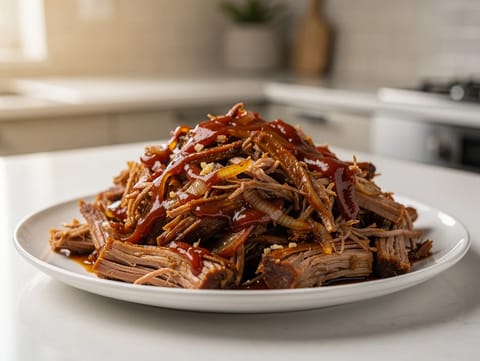
Slow-roasted pulled pork with smoky rub and barbecue sauce
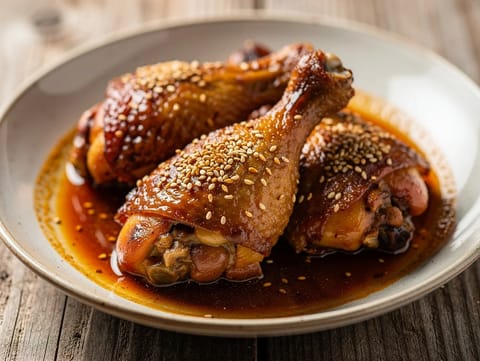
Chicken thighs in tamarind and chipotle sauce with lime
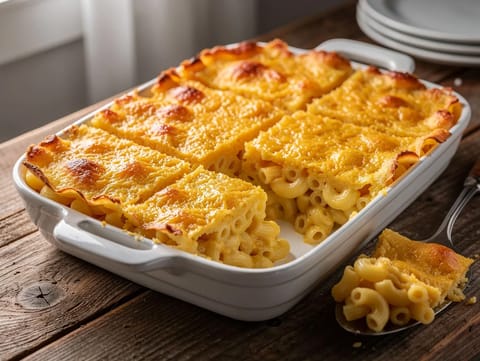
Baked macaroni cheese with cheddar and a custardy set
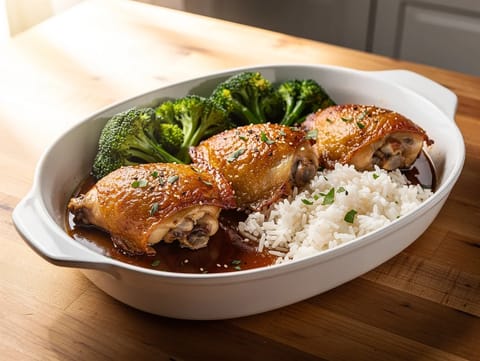
Baked chicken thighs with a sticky honey garlic soy glaze
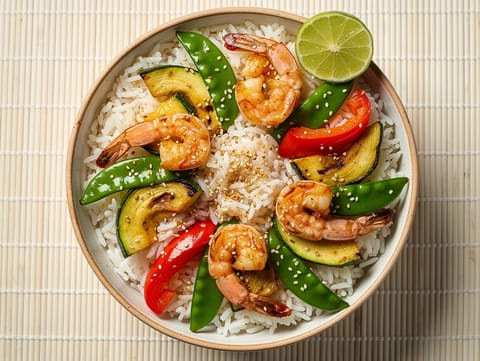
Air-fried prawns and vegetables served with jasmine rice.
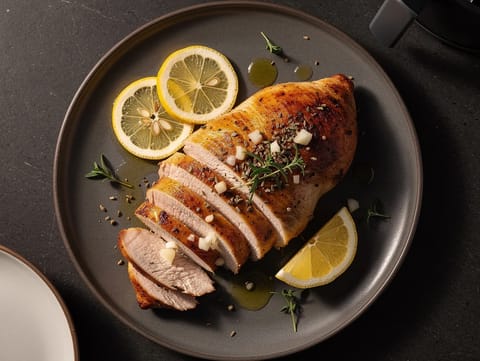
Air fried chicken breasts with herbs, garlic and lemon.
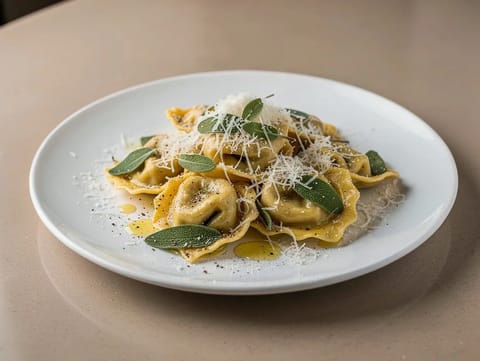
Tortelloni tossed with butter, sage and Parmesan
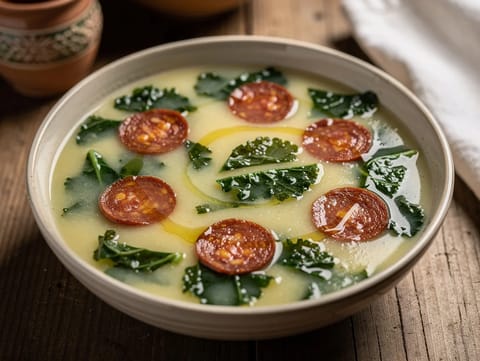
Portuguese potato soup with kale, olive oil and chouriço
Not always. A palette knife or spoon can spread icing perfectly well. A piping bag is most useful when you want defined edges, borders, rosettes or evenly portioned dots.
A sturdy food bag with a corner snipped off works for many jobs, especially with a plain round opening. For thicker mixtures, a spoon or small scoop may be more reliable than improvised piping.
It is usually a combination of too much pressure and a mixture that is too stiff or catching at the tip. Overfilling and weak seams can contribute, but texture is the first thing to check.
Aim for roughly half full so you can twist the top closed and keep control. A smaller amount also warms less quickly in your hand.
The mixture is often too warm or too soft, so it relaxes after piping. Chilling the mixture, using a slightly stiffer consistency, or working in shorter bursts can help.
Choose a piping bag when the shape matters as much as the flavour: neat swirls, consistent portions, clean filling and crisp edges. If you mainly need to spread, spoon or dollop, simpler tools can be less fussy and just as effective.
