
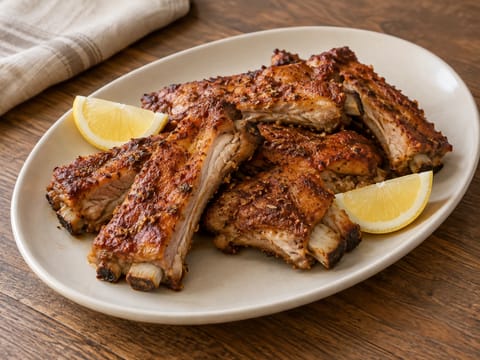
Costillas de Cerdo al Horno con Pimentón (Baked Pork Ribs)
Baked pork ribs with smoked paprika and garlic

A roasting pan is built for high oven heat, with sturdy sides that contain hot fat and juices while leaving enough surface area for browning. It can make roasting more efficient because you can cook and collect flavour in the same vessel, then turn the pan drippings into a sauce. The same features also create a few predictable hazards: heavy, sloshing pans, spitting fat and very hot handles. If you understand how depth, material and racks change airflow and evaporation, you can choose the right pan and avoid the common roasting mishaps.
A roasting pan is deeper and more rigid than a standard baking tray, which helps when you are cooking something that releases a lot of fat or juices. The depth reduces spill risk and gives you drippings for gravy or pan sauce. A shallow tray, by contrast, encourages evaporation and can brown vegetables quickly, but it is easier to overflow with a joint or a very juicy roast. A rack is useful when you want air to circulate under meat for more even browning; without a rack, the underside effectively braises in its own juices.
Baked pork ribs with smoked paprika and garlic
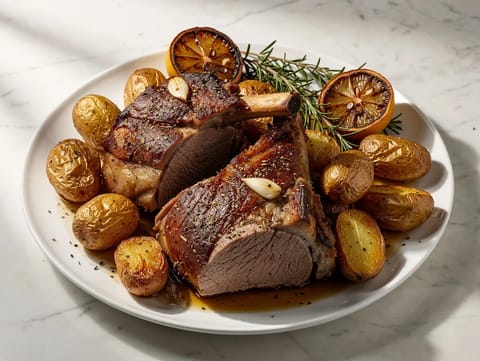
Greek-style roast lamb with lemon, garlic and tray potatoes
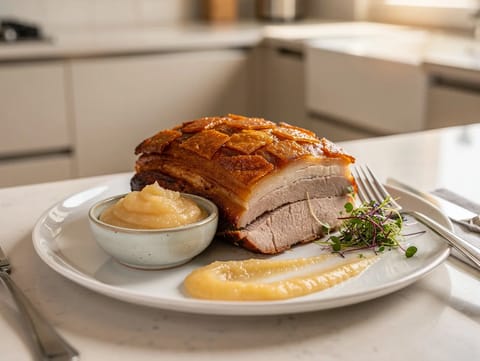
Slow-roasted pork shoulder with crisp crackling and apple sauce
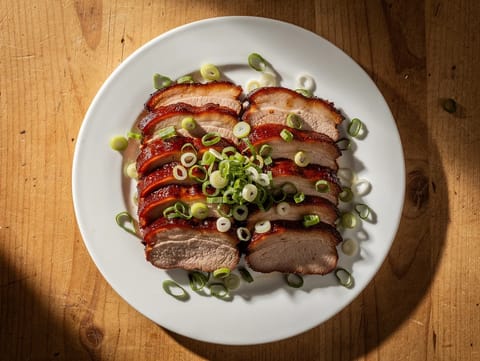
Roasted char siu pork with a glossy hoisin and honey glaze
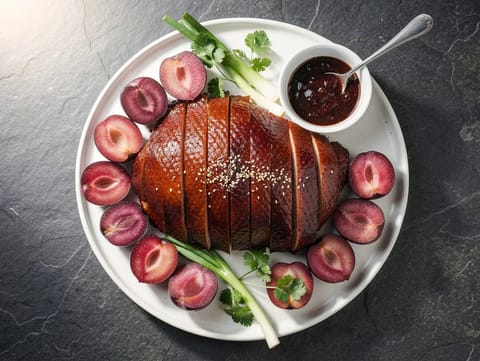
Cantonese roast duck with crisp skin and plum sauce
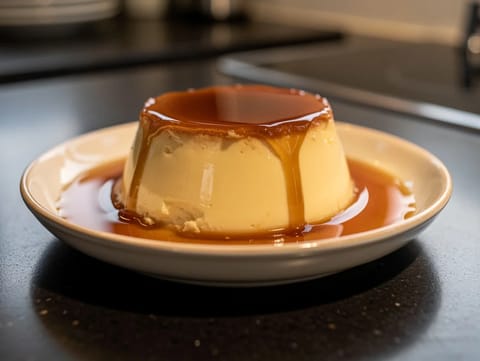
Spanish baked caramel custard made with eggs, milk and vanilla
Roasting pans are often large and awkward when full. Pull the oven shelf out partway before lifting the pan, and use dry, secure oven gloves so you do not lose grip. Hot fat can slosh when you turn a corner, so keep the pan level and move slowly. If you deglaze a hot pan, add liquid carefully and expect a burst of steam. Avoid putting a very hot pan onto a cold or wet surface, particularly if it is enamelled or glass-based, as sudden temperature changes can cause damage.
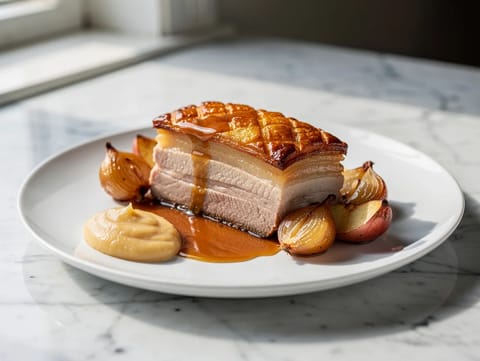
Roast pork belly with cider gravy and Bramley apple sauce
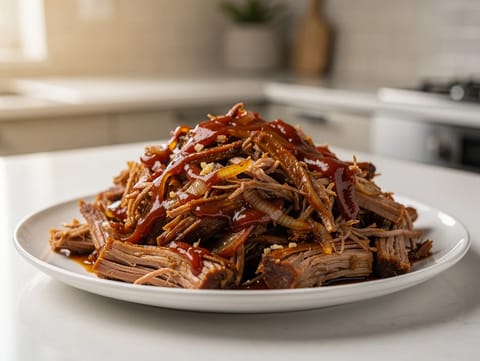
Slow-roasted pulled pork with smoky rub and barbecue sauce
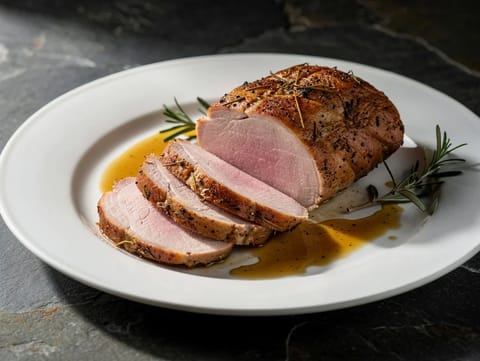
Roast pork loin with garlic, rosemary and white wine juices
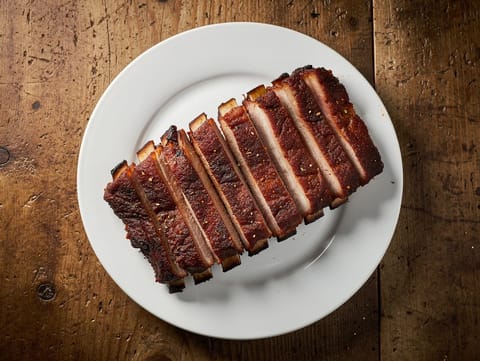
Slow-roasted spare ribs with a paprika and brown sugar crust
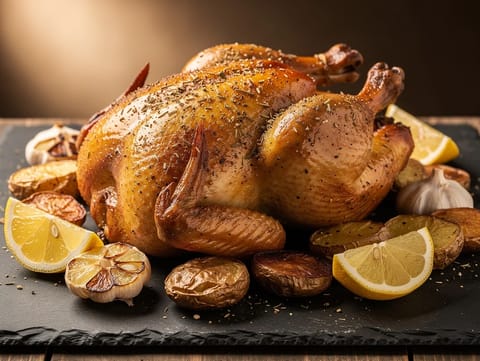
Roast chicken with Herbes de Provence, lemon and pan potatoes
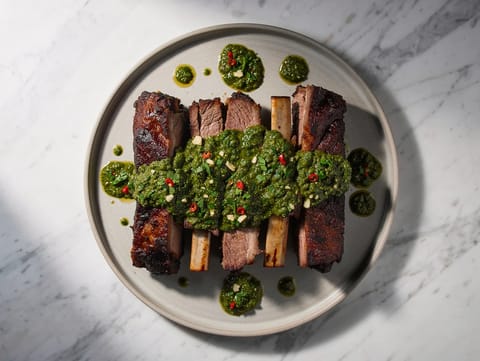
Slow-roasted beef short ribs served with chimichurri
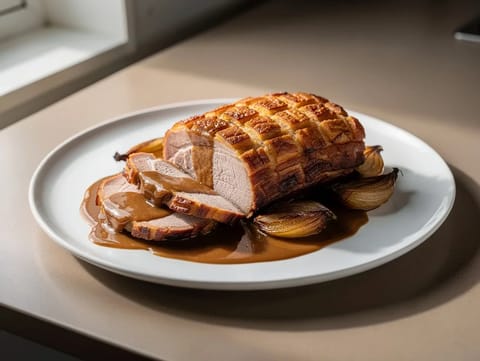
Roast pork shoulder with crisp crackling and rich gravy
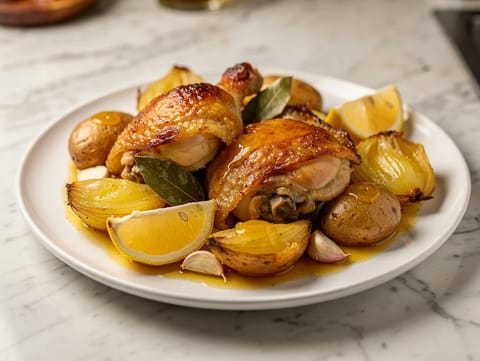
Roast chicken traybake with lemon, garlic, potatoes and onion
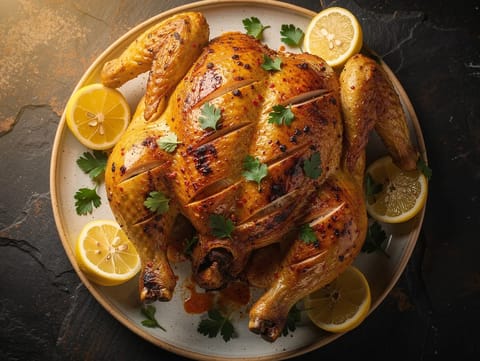
Roast peri-peri chicken with chilli, garlic and lemon
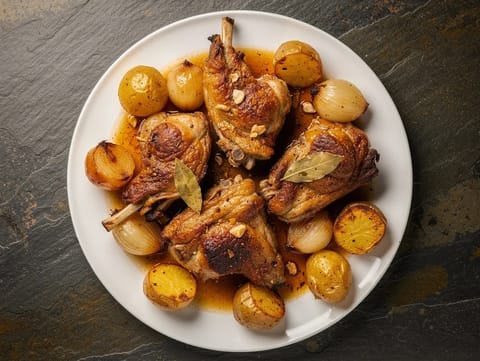
Roast kid goat with potatoes, onions, olive oil and white wine
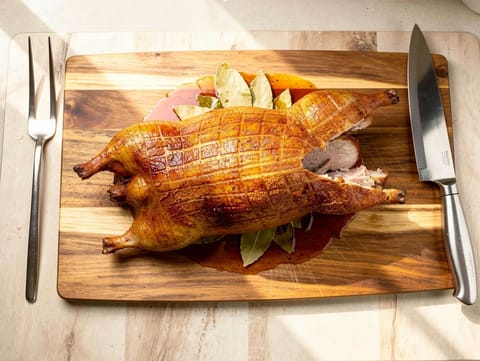
Roast suckling pig with garlic, bay, paprika and white wine
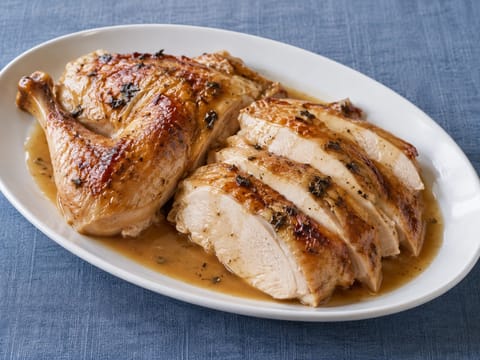
Roast capon with garlic and thyme butter pan gravy
Crowding is the main reason roasting turns steamy. If ingredients are packed tightly, moisture cannot evaporate and the surface struggles to brown. Another issue is choosing a pan that is too deep for the food: high sides can block airflow, especially for vegetables. Conversely, a pan that is too large for a small roast can let drippings burn, creating bitter notes in the sauce. Finally, lining can be helpful for clean-up, but if foil covers the base completely it can reduce direct contact and slow browning in some setups.
Roasting is as much about method as it is about the pan. Exploring Cooking method helps you compare high-heat roasting with tray-baking, braising and other oven approaches that manage moisture differently. Time is also a useful lens, since some roasts are quick-cooking while others rely on longer, steadier heat.
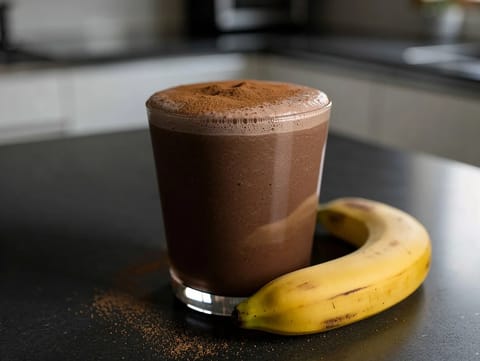
Banana smoothie blended with cocoa, cinnamon and chilli.
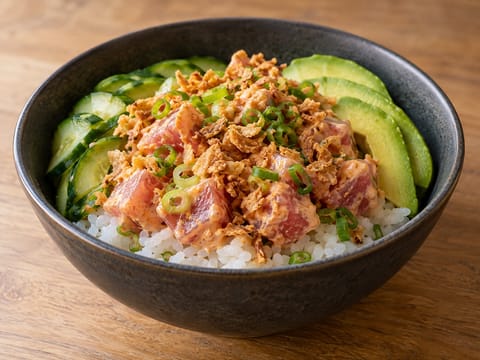
Spicy tuna poke bowl with crunchy topping, avocado and cucumber.
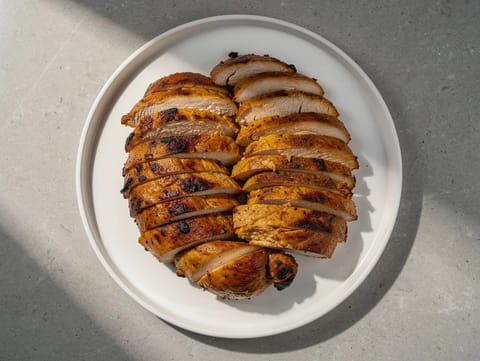
Marinated shawarma chicken cooked until browned in the air fryer.
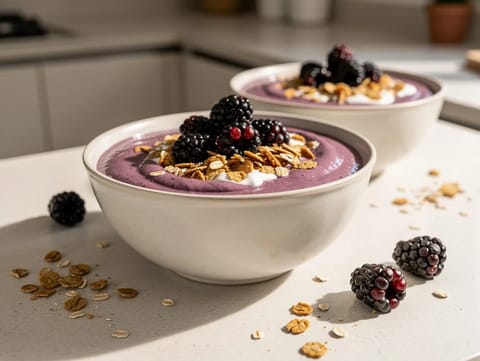
Blackberry smoothie bowl with Greek yoghurt, banana and granola.
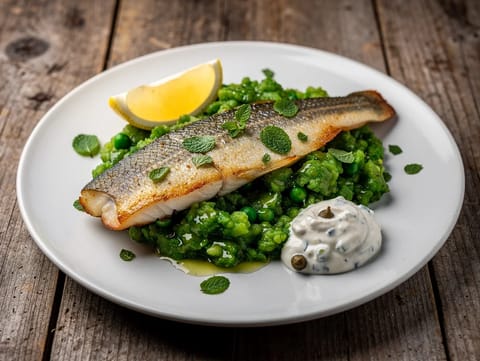
Crisp pan-fried sea bass with crushed peas and tartare sauce
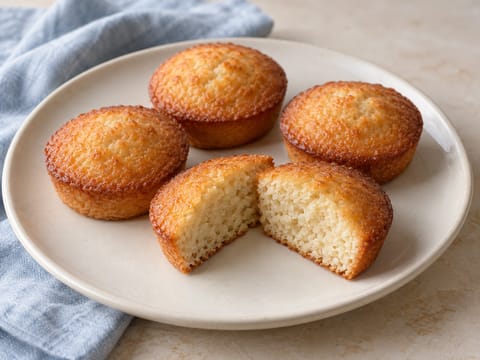
French almond financiers with browned butter and vanilla
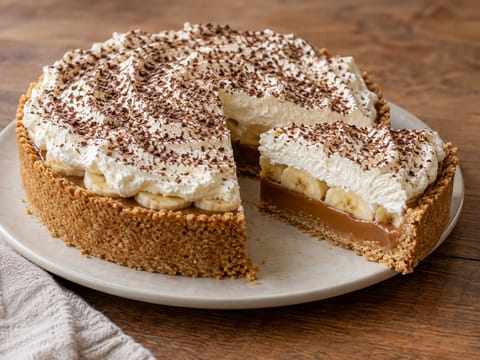
Chilled banoffee pie with bananas, dulce de leche and cream
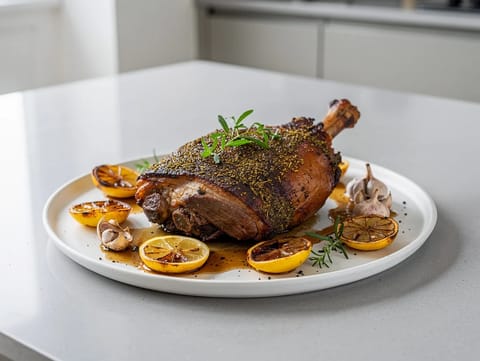
Slow-roasted lamb shoulder with za'atar, garlic and lemon
Only when the recipe benefits from airflow under the food, most often for meat. For vegetables or anything you want in contact with the pan for browning, a rack can be unnecessary.
They are usually crowded or sitting in too much moisture. Use a larger surface area, leave space between pieces, and choose a shallower pan or tray if the recipe does not need high sides.
Often, yes, especially for dry roasting. Use a roasting pan when you expect a lot of fat or juices, or when you want to make a sauce from the drippings without spill risk.
Different materials behave differently: heavier pans hold heat and brown steadily, while lighter ones respond faster but can scorch drippings. The best choice depends on what you are roasting and whether you plan to make a sauce.
Use a pan that fits the roast so drippings are not spread too thinly, and consider adding a splash of water or stock if the recipe allows. Burnt drippings can make a sauce taste bitter.
It can be, but do it carefully. Add liquid slowly, expect vigorous bubbling and steam, and keep your hands and face back from the pan.
Choose a roasting pan for contained juices, steady browning and sauce-making potential. Keep an eye on airflow, avoid crowding, and handle the hot, heavy pan with the same care you would give a pot of boiling water.
