
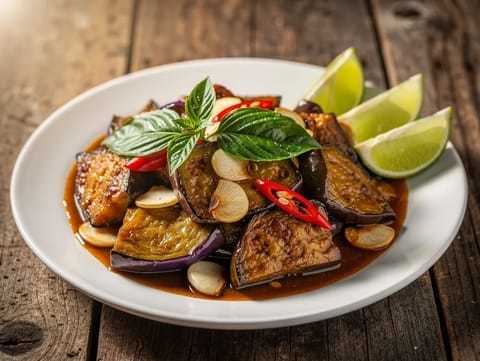
Thai Basil Aubergine Stir-Fry
Aubergine stir-fry with Thai basil, garlic and chilli

A wok is at its best when you can cook quickly over high heat, keeping ingredients moving so they sear rather than stew. That same shape can be less helpful for slow simmering, deep oven braises or anything that needs a wide, steady base. If you are choosing recipes by equipment, it helps to know what a wok can realistically deliver on your hob, and when a frying pan, sauté pan or saucepan will give you more control.
The defining feature of a wok is its bowl shape, which concentrates heat in the centre and gives you cooler sides to park food briefly while you cook in batches. In practice, that supports the classic stir-fry rhythm: aromatics first, then proteins, then vegetables, then a quick sauce to glaze. A wok also makes tossing easier, which matters when you want even browning without breaking delicate pieces. What it does not automatically guarantee is wok hei, the smoky edge you get from very high heat. Many home hobs cannot drive a thin wok hard enough for that, so recipes may lean more on good prep, small batches and quick reduction for flavour.
Aubergine stir-fry with Thai basil, garlic and chilli
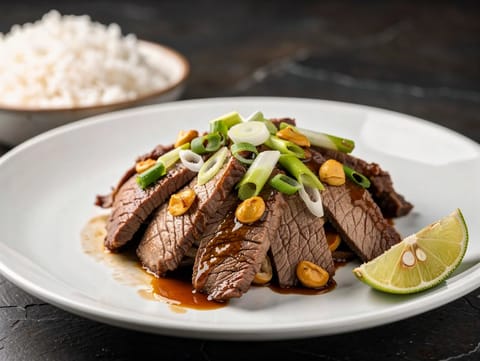
Thai beef stir-fry coated in oyster sauce and light soy
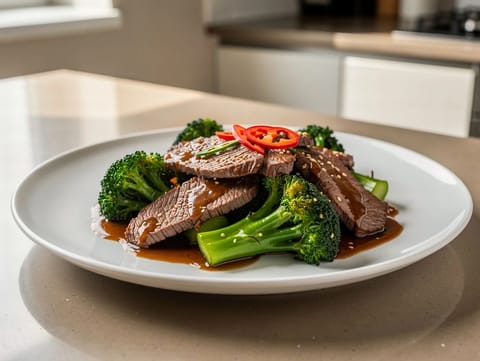
Quick beef and broccoli stir-fry with oyster sauce
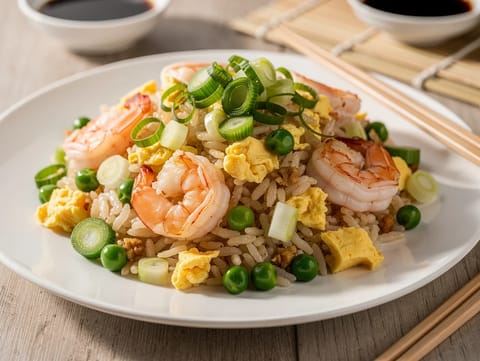
Stir-fried rice with prawns, egg, peas and spring onions
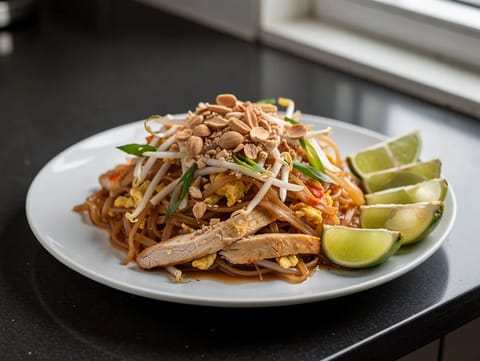
Chicken Pad Thai with tamarind sauce, peanuts, bean sprouts and lime
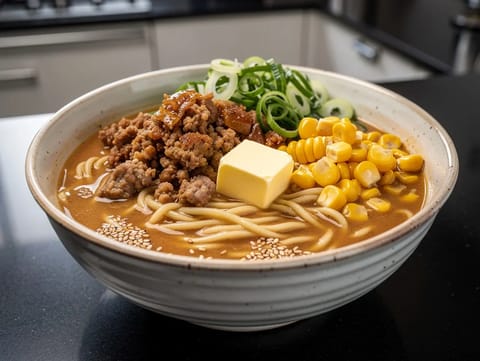
Hokkaido miso ramen with minced pork, sweetcorn and butter
Reach for a wok when the recipe asks you to keep ingredients moving: sliced meat, prawns, tofu, greens and crisp vegetables that cook in minutes. It is also handy for shallow frying and for steaming with a rack or bamboo steamer, provided the wok sits securely and you can keep the water at a steady simmer.
A wok is less suited to tasks that need a broad, flat contact area, such as pan-frying large fillets, browning multiple portions at once, or reducing a sauce slowly without hot spots. If a recipe depends on tight temperature control, a heavy-based frying pan or sauté pan can be easier to manage. For soups and long simmers, a saucepan or stockpot is usually more straightforward.
Minced pork pad krapow moo with garlic, chillies and Thai basil
Sticky gochujang minced chicken in crisp lettuce cups with spring onions, sesame and lime
Light tangerine chicken thickened with cornflour and finished with spring onion
Crisp-tender broccoli stir-fried with garlic and ginger, finished with soy and sesame
Home-style tomato beef stir-fry with tender beef and a light savoury sauce
Duck simmered with soy and aromatics, then tea-smoked with rice and brown sugar
Quick egg fried rice with jasmine rice, spring onions, light soy sauce and sesame oil
Air-fried chicken is tossed with black pepper sauce, onion and green pepper.
Sichuan boiled fish with cabbage and bean sprouts, finished with hot oil
Chicken and peppers simmered with tomatoes, toasted whole spices, ginger and garlic
Thick fermented rice and urad dal uttapams with tomato and onion topping
Minced pork pad krapow with garlic, chilli, Thai basil, rice and fried egg
The most frequent issue is overcrowding. Too much food drops the pan temperature and releases moisture, so you end up with soft vegetables and pale meat. Cooking in batches and returning everything to the wok at the end keeps the heat where you need it.
Another trap is adding sauce too early. If the sauce goes in before the ingredients have taken on colour, it tends to boil and dilute rather than cling. Reduce briefly, then add the sauce to glaze. Finally, pay attention to stability: a round-bottom wok needs a proper ring or a suitable burner. If it rocks, you will stir less confidently and the food will cook unevenly.
If you are choosing a wok recipe, the cooking method matters as much as the pan. Browsing by Cooking method helps you separate true stir-fries from recipes that simply use a wok as a deep pan. Difficulty is also useful here, because wok cooking often rewards mise en place and quick timing more than complicated techniques.
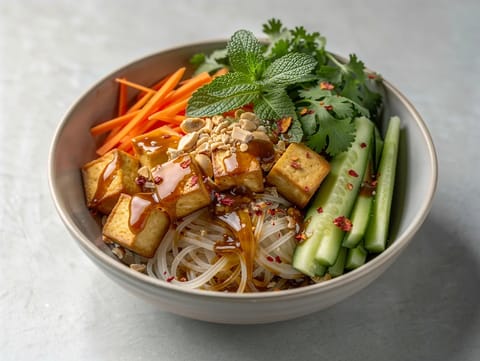
Crisp tofu vermicelli bowl with herbs, peanuts and lime dressing
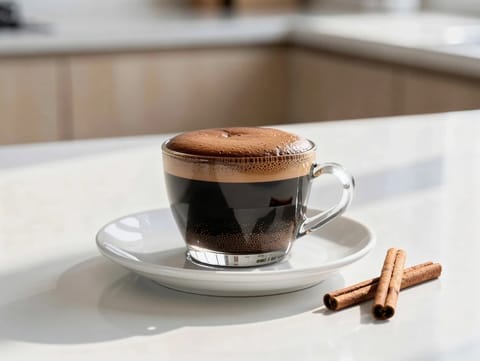
Foamy coffee warmed with ground cinnamon
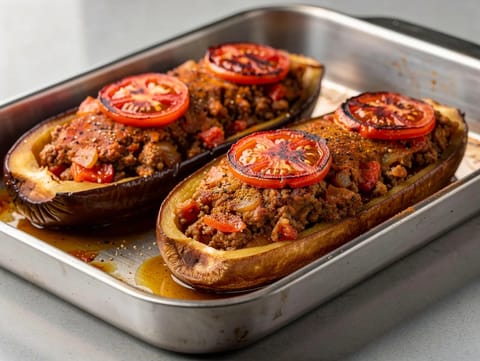
Baked aubergines stuffed with minced beef, onion and tomatoes
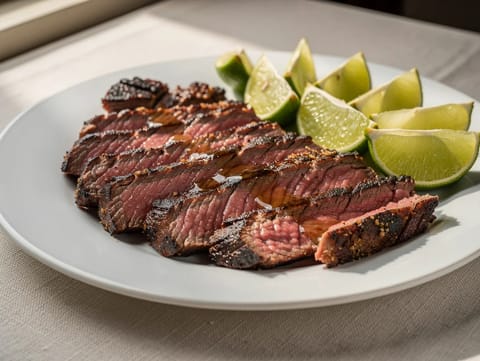
High-heat grilled beef with coarse salt and lime
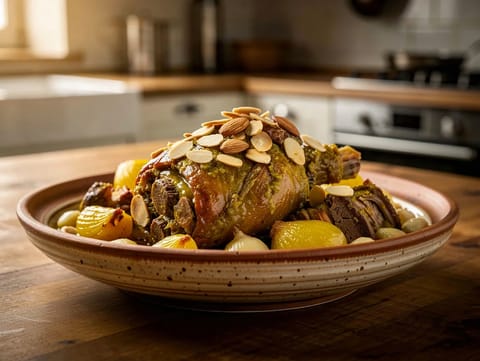
Slow-cooked lamb tagine finished with honey and almonds
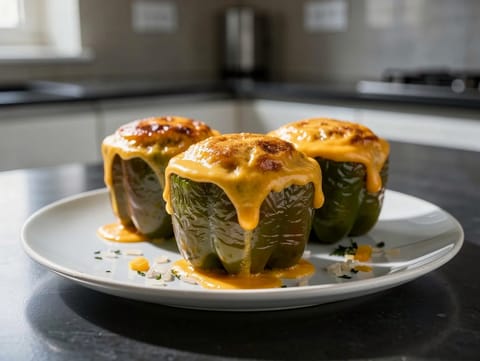
Baked green peppers stuffed with beef, rice and cheddar
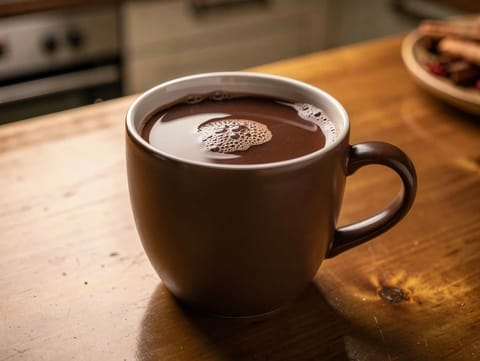
Spiced hot chocolate with cinnamon and a pinch of chilli
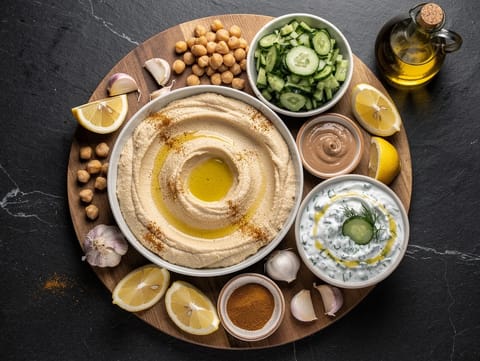
Iftar mezze board with hummus, cacık, olives and pita
Not necessarily. A large frying pan or sauté pan can work well, especially on a home hob, because the wide flat base helps you keep the heat up. You may need to cook in batches to avoid crowding.
It depends on your heat source. Flat-bottom woks tend to sit more securely on most hobs. Round-bottom woks can work well on a dedicated wok burner or with a stable ring, but they are less forgiving if they wobble.
Usually the pan is not hot enough, the wok is crowded, or the ingredients are wet. Dry washed vegetables well, preheat properly, and cook in smaller batches so moisture can evaporate quickly.
Non-stick can be convenient for lower-heat stir-frying, but very high heat can shorten the life of many coatings. If a recipe relies on intense searing, a carbon-steel wok is more typical, provided you are comfortable managing sticking with oil and movement.
They give you zones. You can sear in the hottest centre, then push food up the sides to slow cooking while you add the next ingredient, which helps keep textures distinct.
It can be, because the shape holds oil efficiently and the wide top makes it easier to manoeuvre food. The key is stability on the hob and enough depth of oil for the food to float freely.
A wok rewards recipes that move fast: prep everything first, cook in batches, and finish with a quick glaze. If the recipe needs steady, even heat over a wide base, consider a frying pan or sauté pan instead and you will often get a cleaner result with less fuss.
