
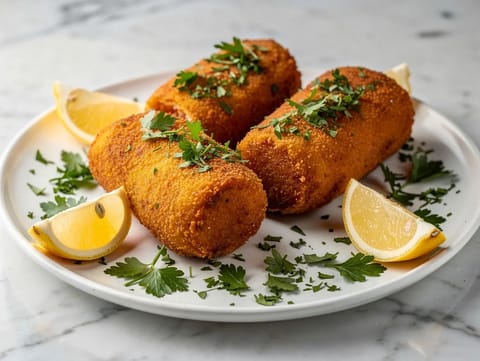
Croquettes de Crevettes Grises (Belgian Grey Shrimp Croquettes)
Crisp grey shrimp croquettes with nutmeg béchamel filling

Deep-frying is one of the quickest ways to get a crisp, sealed exterior and a tender interior, but it depends on steady oil temperature. When the oil is right, food browns evenly and drains well; when it isn’t, coatings turn greasy or scorch before the centre is cooked.
These recipes suit moments when you can stay close to the hob, work in batches, and serve soon after frying while the crunch is at its best.
Deep-frying means cooking food fully submerged in hot oil. Because the oil surrounds the food, heat transfer is rapid and browning happens quickly. The method is less about long cooking and more about control: keeping the oil hot enough to drive off surface moisture, but not so hot that the outside darkens before the inside is done.
Deep-frying is distinct from shallow frying or pan-frying, where one side is in contact with the pan and you rely more on turning and basting. In deep-frying, shape and thickness become the main drivers of doneness.
Crisp grey shrimp croquettes with nutmeg béchamel filling
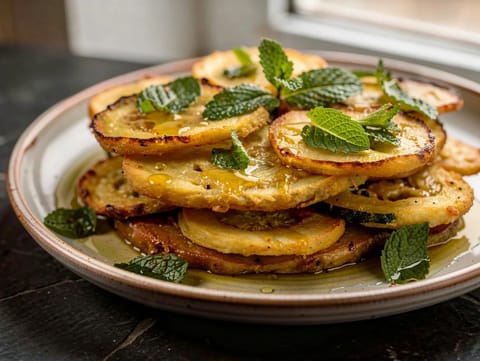
Fried courgettes dressed with mint, garlic and vinegar
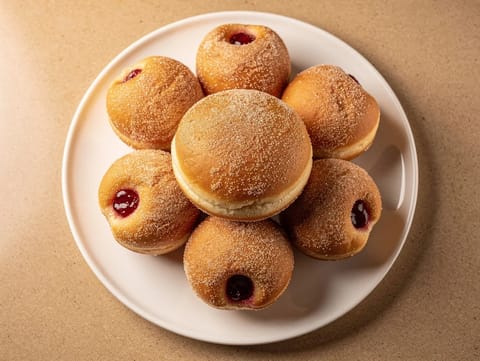
Yeasted jam doughnuts rolled in caster sugar
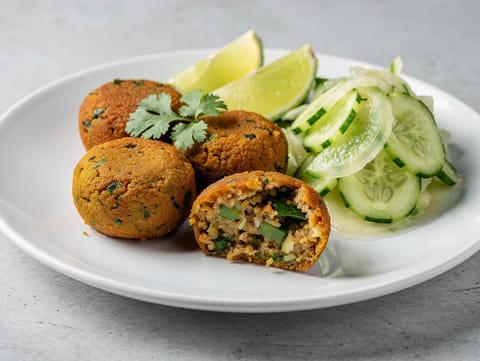
Thai fish cakes with red curry paste and green beans
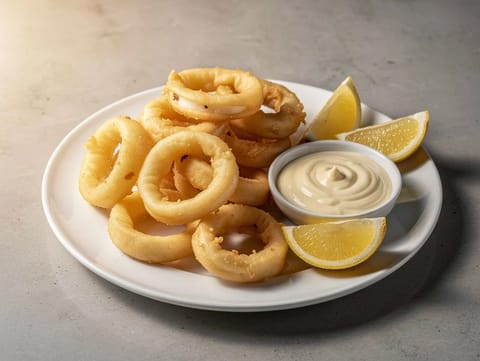
Crispy battered squid rings served with lemon and mayonnaise
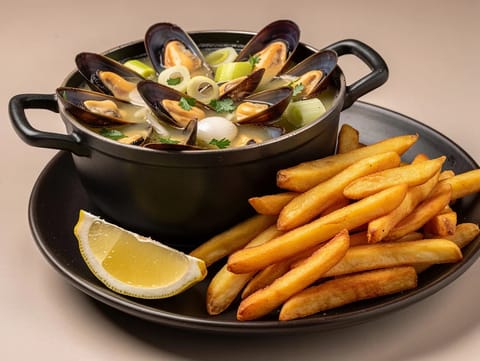
Mussels steamed in white wine, served with crisp chips
A deep, heavy pan holds heat more steadily than a thin one, which helps the oil recover after you add food. A thermometer is the simplest way to avoid guesswork, especially for battered items where colour can be misleading.
A spider or slotted spoon makes lifting and draining safer and cleaner, and a rack set over a tray keeps fried food crisp by letting steam escape. If you are using an electric deep fryer, the built-in thermostat can help with temperature stability, but you still need to avoid crowding and to let the oil return to heat between batches.
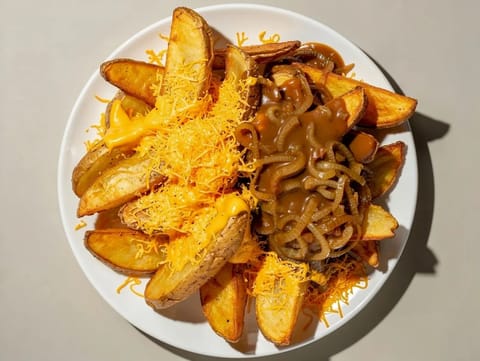
Thick-cut chips topped with Cheddar and hot onion gravy
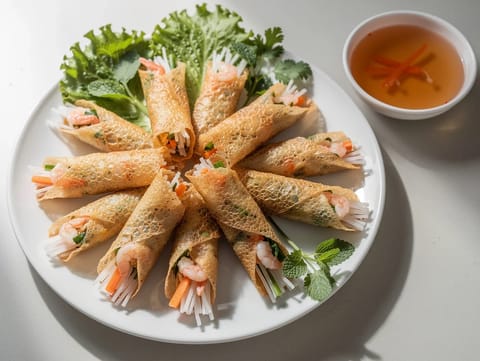
Crisp rice paper rolls with pork, prawns and vermicelli.
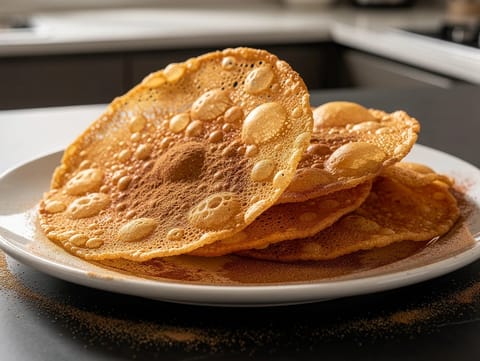
Crispy fried pastry discs dusted with cinnamon sugar
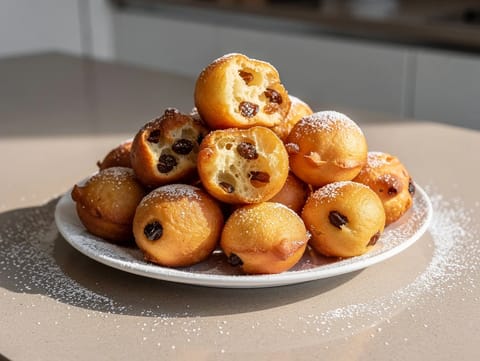
Yeasted Venetian fritters with raisins, fried and dusted with sugar
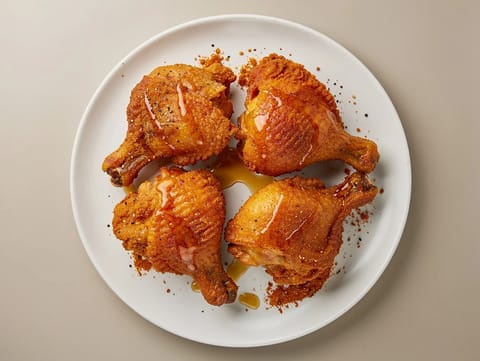
Crispy buttermilk fried chicken finished with honey
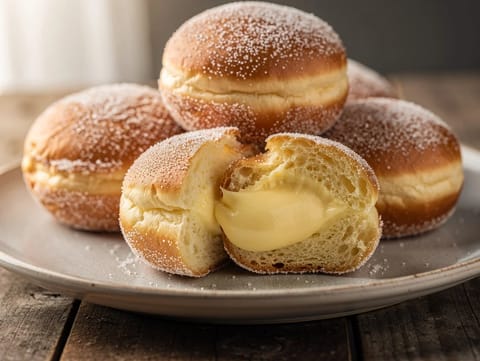
Sugar-coated doughnuts filled with vanilla pastry cream
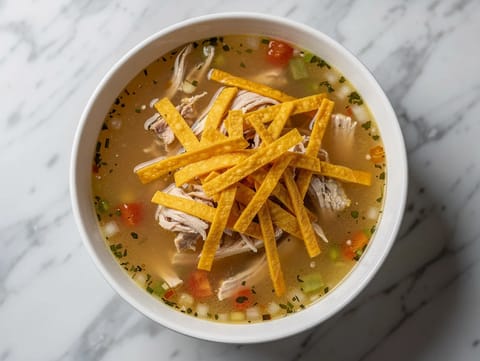
Yucatecan chicken and lime soup finished with tortilla strips
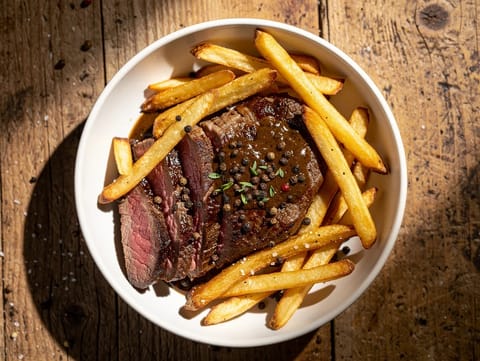
Pepper-crusted steak with cognac cream sauce and pommes frites
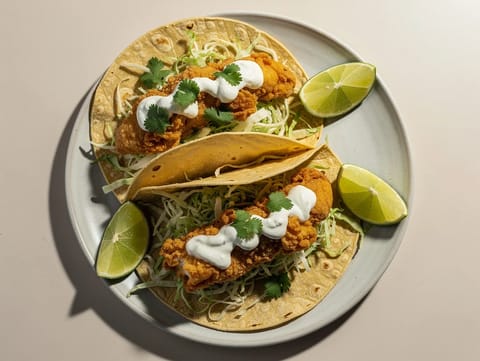
Crispy battered fish tacos with cabbage, lime and sour cream
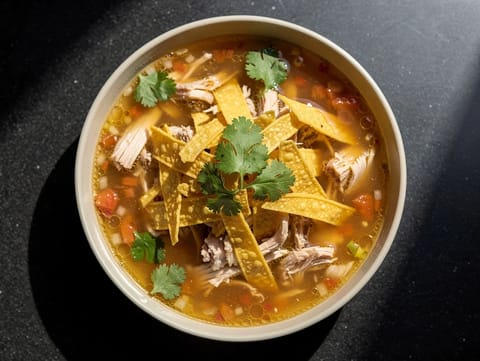
Chicken and lime soup topped with crispy tortilla strips
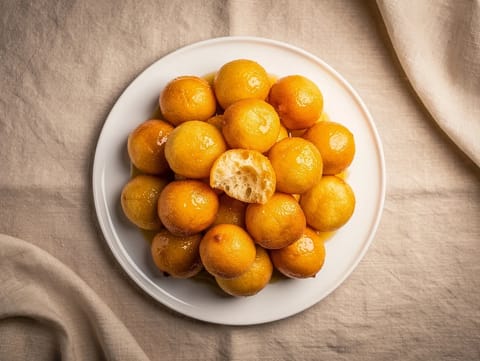
Yeast raised fried dough bites soaked in lemon sugar syrup
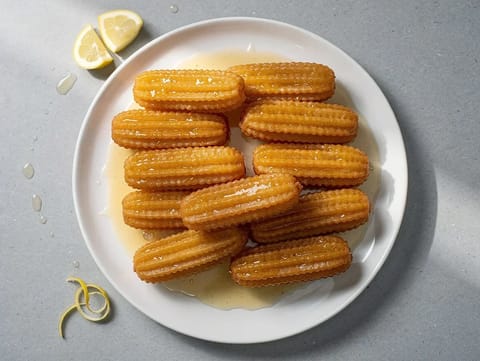
Ridged choux fritters soaked in cooled lemon syrup
Look for recipes that specify a coating or surface treatment suited to deep-frying: a dry flour dredge for a thin, crisp shell; a breadcrumb coating for a thicker crunch; or a batter for a lighter, puffed finish. The coating affects not just texture but also how quickly the surface browns.
Pay attention to size. Smaller, evenly cut pieces cook through more predictably than mixed shapes, and they are easier to batch without dropping the oil temperature too far. Recipes that include a resting step after coating often do so to help the coating adhere, which reduces shedding into the oil and keeps it cleaner for subsequent batches.
Oil that is too cool is the usual cause of greasiness: the coating absorbs oil before it sets. Overcrowding is a common reason oil cools down quickly, so frying in batches is often the fix.
At the other extreme, oil that is too hot browns the outside fast, leaving the centre undercooked, especially with thicker pieces. Another frequent issue is wet surfaces. Excess moisture makes oil spit and can cause coatings to slide off, so many recipes pat ingredients dry before dredging or battering.
Deep-frying is shaped by your kit and your available attention. Browsing by Equipment helps you find recipes that suit a deep pan, a thermometer, or an electric fryer. Cooking time is also useful for separating quick-fry items from recipes that include chilling, resting or a pre-cook step before the oil stage.
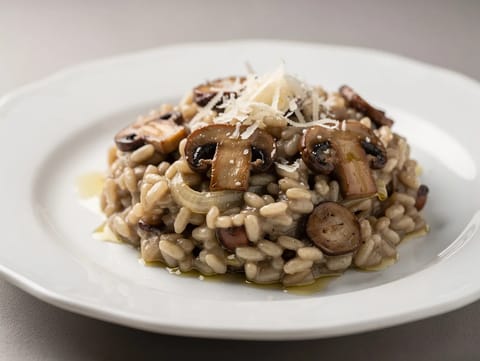
Creamy risotto with mushrooms, Parmesan and truffle oil
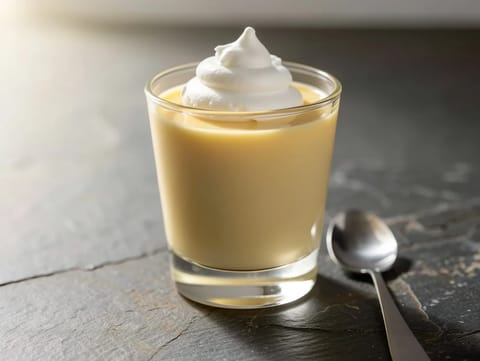
Thick egg-yolk custard liqueur blended with brandy
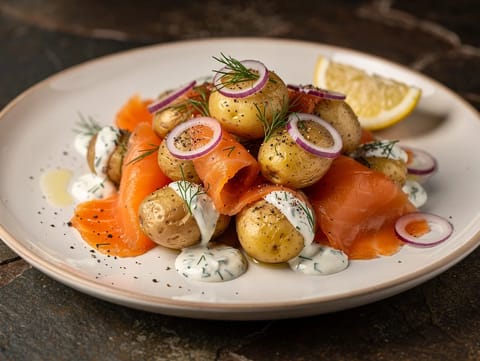
Smoked salmon with new potatoes, sour cream and dill
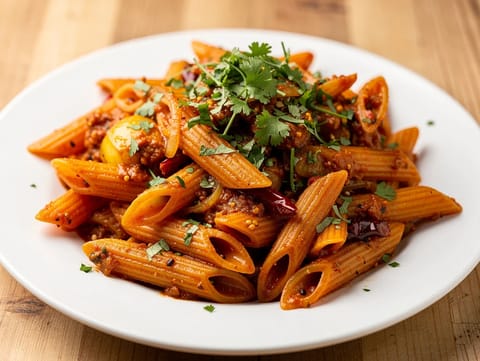
Penne in spiced tomato masala with garam masala
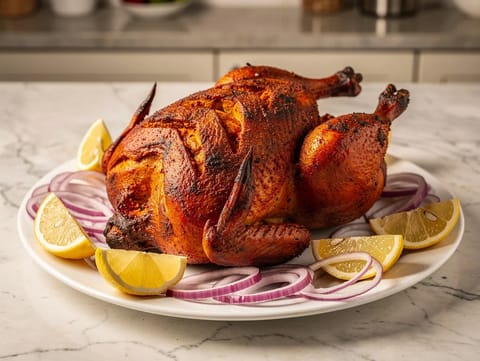
Whole roast chicken in a yoghurt tandoori marinade
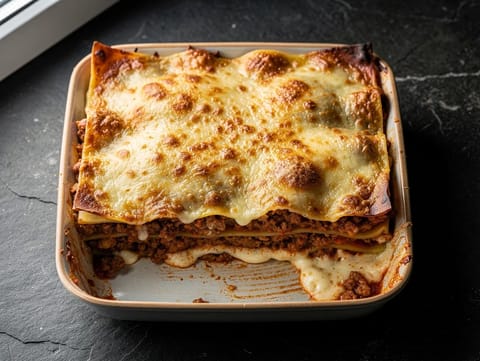
Baked lasagne layered with beef ragù and béchamel
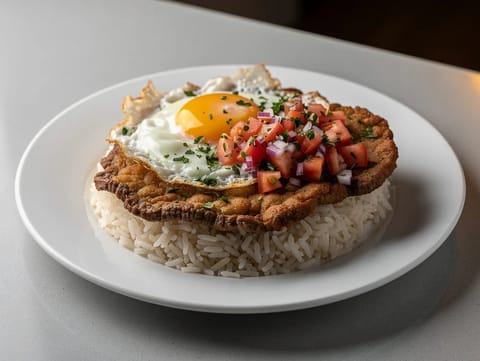
Breaded beef over rice topped with a fried egg and salsa
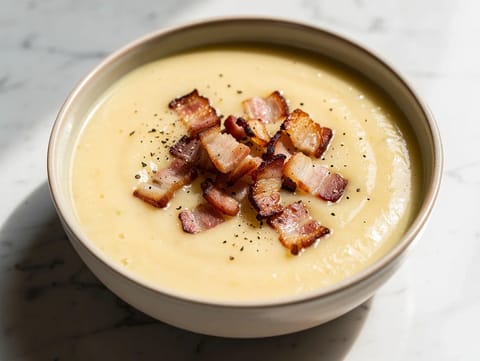
Creamy potato soup topped with crisp bacon
Steam is the main culprit. If fried food is stacked or held on a plate, trapped steam softens the crust. Draining on a rack keeps air moving so the coating stays crisper.
It is not strictly required, but it makes results more consistent. Oil temperature changes quickly when food is added, and a thermometer helps you correct before the coating turns greasy or too dark.
Deep-frying submerges the food, so it cooks evenly from all sides and browns quickly. Pan-frying uses less oil and relies more on contact with the pan and turning, which can suit thinner items.
It often happens when the surface is wet, the coating was not pressed on firmly, or the coated food went straight into oil without a short rest. Gentle handling when lowering into the oil also helps.
Many cooks do, but it depends on what you fried and how hot the oil got. Straining out crumbs and avoiding scorching helps keep oil usable for longer, but always use your judgement on smell and colour.
Deep-frying rewards a simple rhythm: heat the oil properly, fry in manageable batches, and drain on a rack. Once temperature control is in place, the rest is choosing a coating and a shape that cook through at the same pace.
