
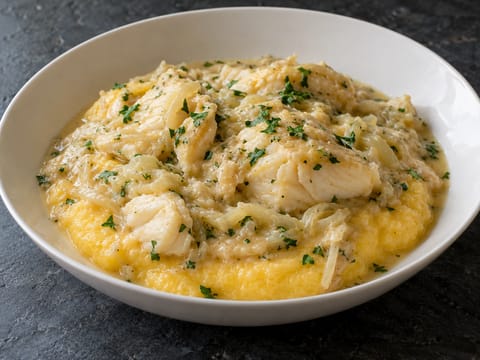
Baccalà alla Vicentina (Slow-Cooked Salt Cod)
Slow-braised salt cod with onion, anchovy and olive oil
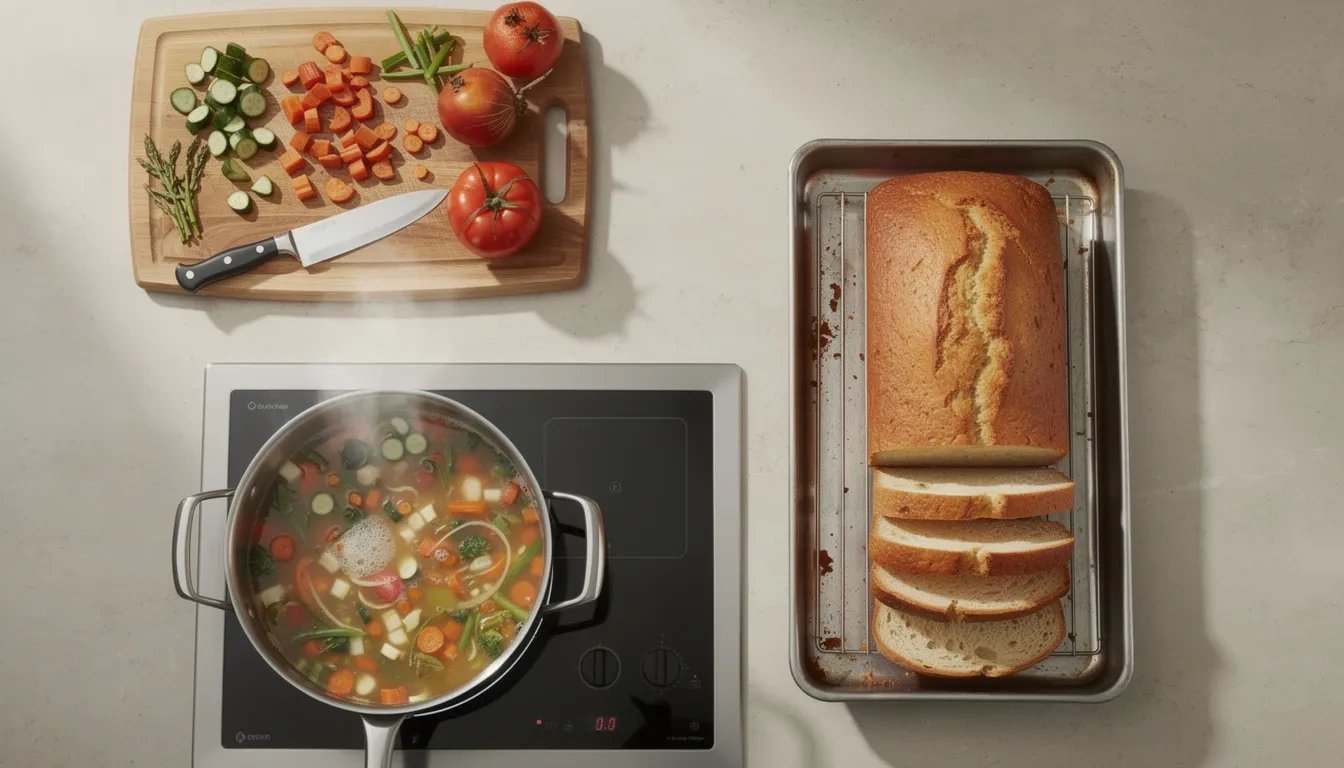
Slow cooking is low, steady heat over a longer time, usually in a covered pot or electric slow cooker. It is a method that excels at tenderness: connective tissue softens, flavours mingle, and sauces become silky without constant attention.
For planning ahead, slow cook recipes are useful because the active work is often front-loaded. The trade-off is that you need to think about moisture and seasoning differently than you would for roasting or sautéing.
For shreddable, spoon-tender results, look for recipes built around tougher cuts of meat, legumes, or vegetables that hold their shape. These ingredients benefit from time at gentle heat, and the covered environment helps prevent drying.
If you want a thicker, clingy sauce, choose recipes that include a reduction step, a finishing thickener, or ingredients that naturally add body, such as pulses or starchy vegetables. If you prefer a brothy finish, look for recipes that keep the liquid lighter and use herbs and aromatics for lift.
Some slow cook recipes are designed to be served as-is; others expect a final step such as shredding, stirring in dairy, or adding fresh herbs to sharpen the flavour.
Slow-braised salt cod with onion, anchovy and olive oil
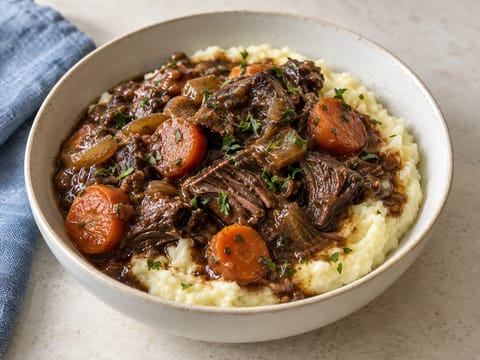
Dark beer beef stew served over creamy mashed potatoes
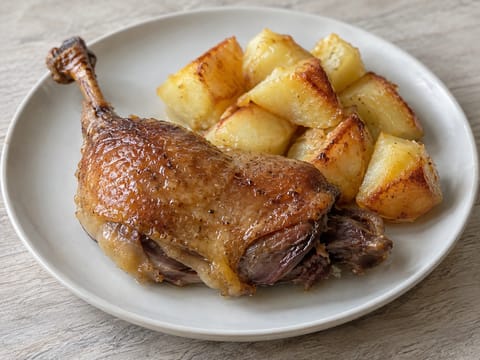
Duck leg confit with garlic, thyme and crisp skin
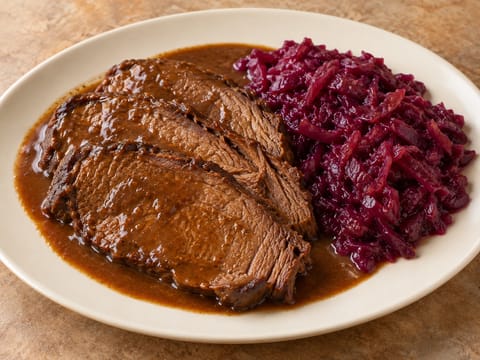
German pot roast in red wine vinegar with apple red cabbage
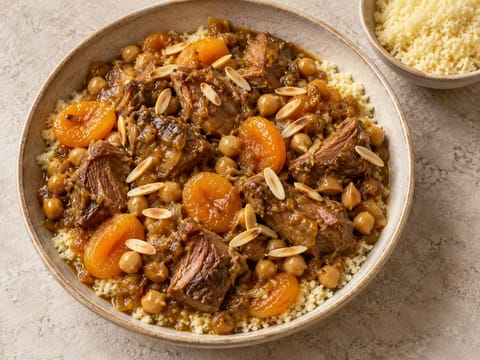
Lamb tagine with apricots, chickpeas and warm spices
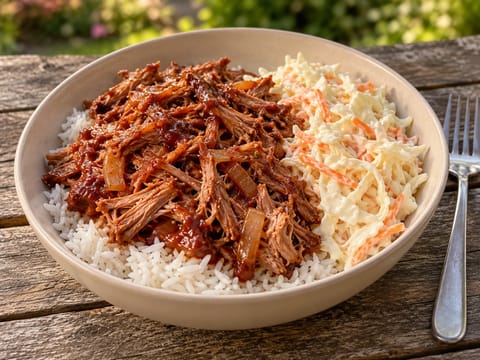
BBQ pulled pork over rice with cabbage and carrot coleslaw
Watery results are common because slow cookers lose little moisture. Recipes may use less liquid than you expect, keep the lid on, or finish with the lid off to reduce. Another issue is muted seasoning. Without browning, flavours can taste flatter, so recipes often rely on aromatics, spices, acids, or a punchy finishing ingredient.
Overcooking is also possible. Lean meats can become dry and stringy, and vegetables can collapse if cooked too long. Pay attention to whether a recipe uses lean or fatty cuts, and whether vegetables are added at the start or later.
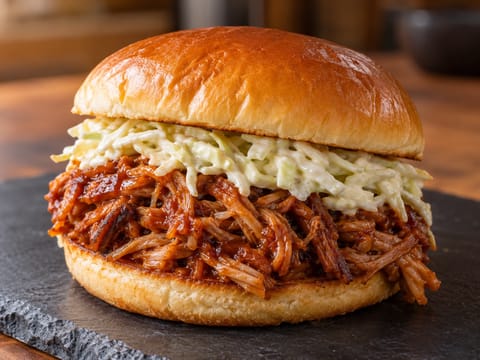
Slow cooked pulled pork in soft rolls with barbecue sauce
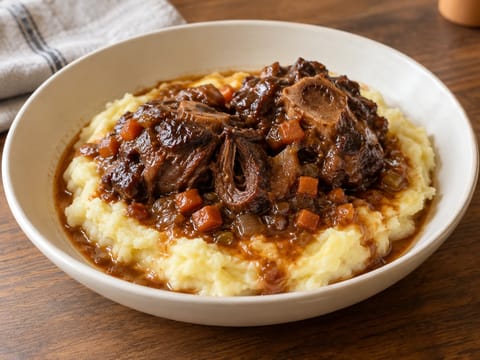
Slow-braised oxtail with rich gravy and mashed potato
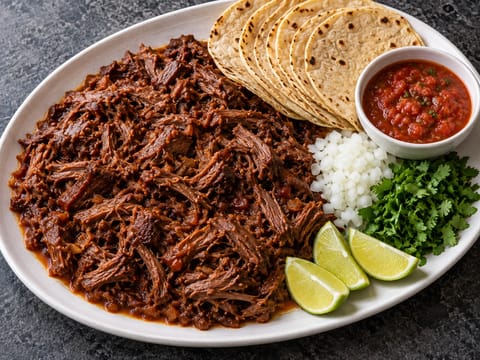
Slow-cooked shredded lamb served with tortillas, lime and salsa roja
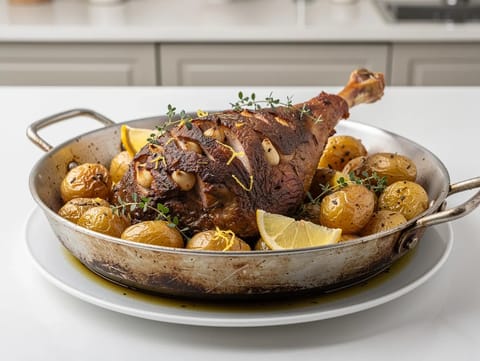
Slow-roasted Greek lamb with garlic, lemon and potatoes
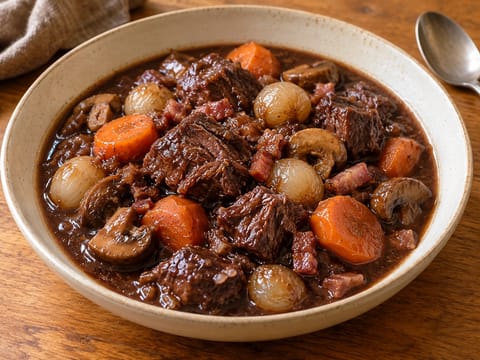
Red wine beef stew with bacon, mushrooms and pearl onions
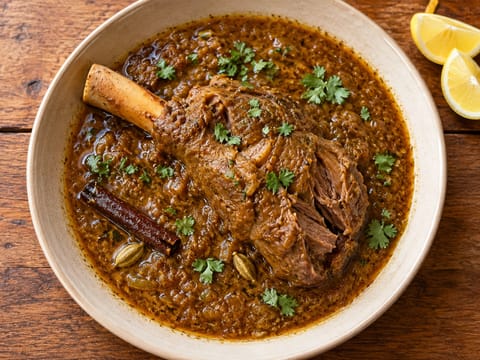
Slow-cooked lamb shank stew with a richly spiced gravy
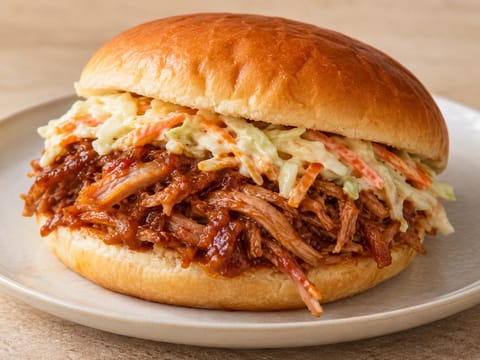
Pulled pork baps topped with crunchy cabbage slaw
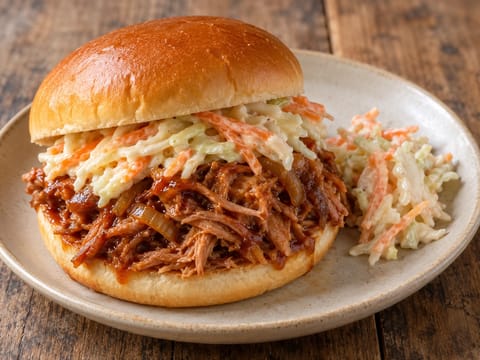
Pulled pork rolls topped with crunchy cabbage and carrot coleslaw
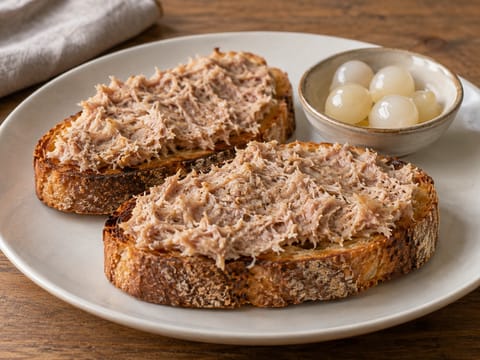
Slow-cooked pork rillettes served on toasted sourdough
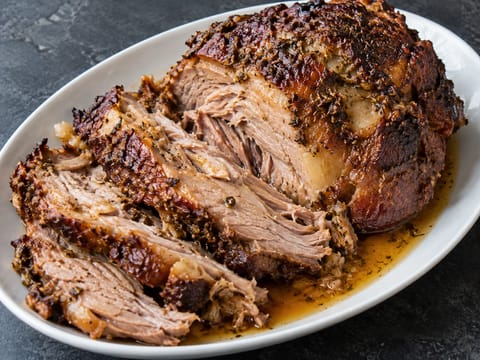
Slow-roasted pork shoulder with garlic, oregano and lime
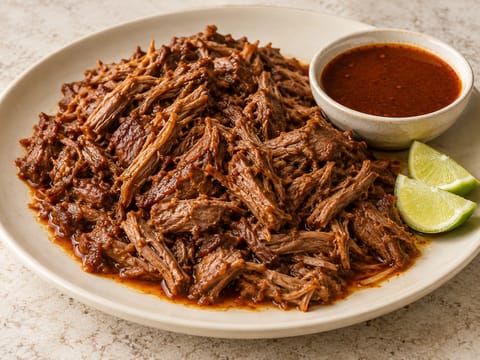
Slow-cooked lamb in guajillo and ancho chilli broth
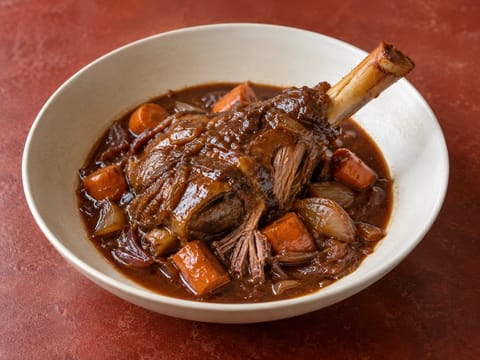
Slow-braised lamb shanks with rosemary and red wine sauce
An electric slow cooker offers steady, low heat with minimal evaporation, which is convenient for long, unattended cooking. A covered casserole in a low oven can produce similar tenderness, often with a little more evaporation and browning at the edges. A very low hob simmer can also work, but it usually needs more monitoring to prevent sticking.
If a recipe calls for browning meat or sautéing onions first, you may need a separate pan unless your slow cooker has a stovetop-safe insert. That extra step is often about flavour development rather than food safety, and it can make the finished sauce taste more rounded.
Treat the lid as part of the method. Lifting it releases heat and extends cooking time, so recipes that depend on a steady temperature usually keep the lid closed until the end. Layering matters too: dense vegetables often go nearer the heat source, while delicate ingredients and dairy are commonly added later to avoid splitting or turning grainy.
Finishing steps are where slow-cooked dishes come into focus. A squeeze of citrus, a splash of vinegar, fresh herbs, or a final seasoning adjustment can lift flavours that have mellowed during the long cook.
Cooking time is the obvious companion to slow cooking, helping you distinguish truly all-day recipes from shorter slow-cooker dishes. Difficulty is also worth checking: some recipes are mostly assembly, while others include browning, blending, or a finishing reduction that changes the level of hands-on work.
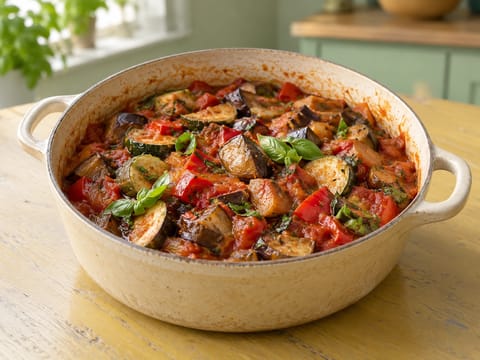
Provençal vegetable stew with aubergine, courgette, peppers and tomatoes
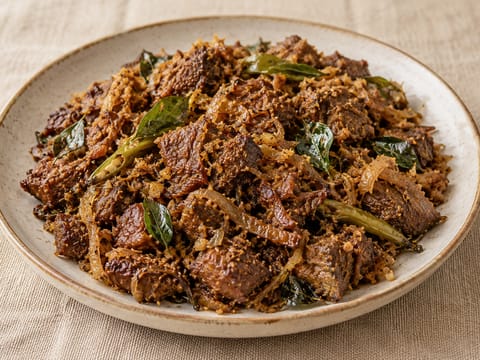
Dry Kerala beef fry with curry leaves and coconut
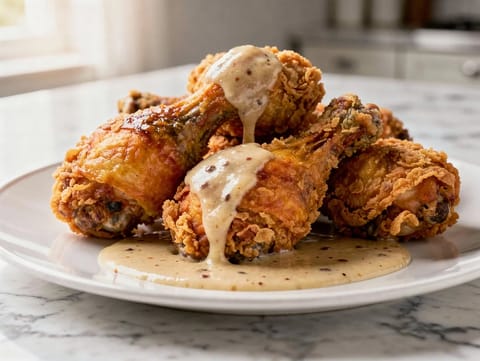
Crisp fried chicken drumsticks with peppery buttermilk gravy
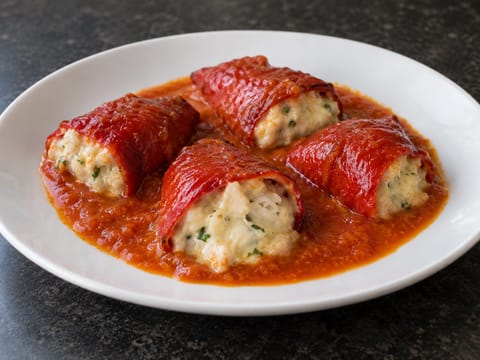
Piquillo peppers stuffed with creamy salt cod béchamel
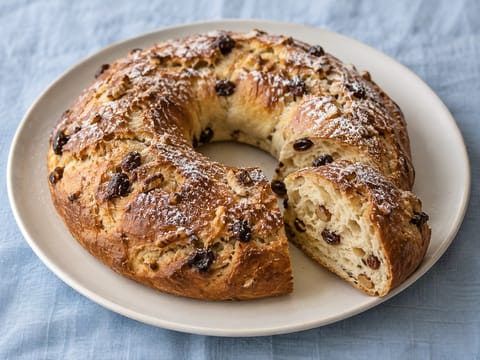
Portuguese ring bread with walnuts, almonds and raisins
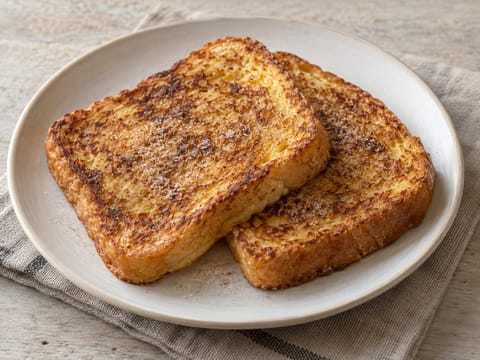
Dutch French toast with cinnamon, fried in butter and sugared
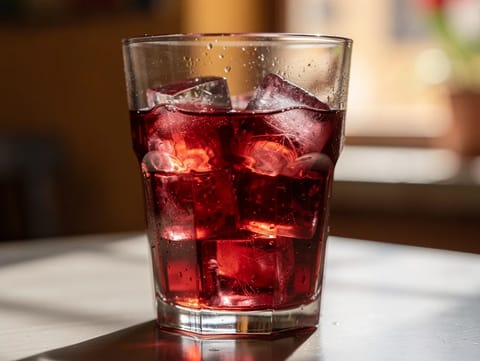
Chilled hibiscus tea drink sweetened and finished with lime
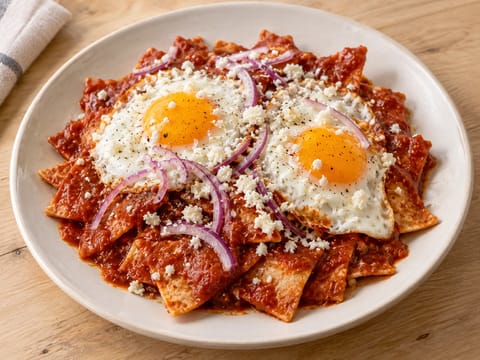
Tortilla triangles in red chilli-tomato sauce with eggs and cotija
Not always, but browning adds flavour through caramelisation and can improve the depth of the sauce. Some recipes build flavour in other ways, such as spices, aromatics and acidic finishes.
Slow cookers trap steam, so little liquid evaporates. Recipes often use less added liquid, rely on ingredients’ own moisture, or include a finishing step to reduce or thicken.
Yes. Lean meats can dry out and vegetables can become very soft. Recipes that suit slow cooking usually choose ingredients that benefit from time, or they add delicate items later.
Many recipes add dairy near the end to reduce the chance of splitting, and add fresh herbs at the end so they taste bright rather than dull.
They are related. Both use gentle heat in a moist environment, but slow cooking is typically lower, more enclosed, and designed for longer unattended cooking, which affects evaporation and texture.
Slow cooking is at its best when the recipe accounts for low evaporation and long, gentle heat. Choose recipes by the texture and sauce style you want, then use time and difficulty as your planning tools for how hands-on the process will be.
