
Kadhi Pakora (Yoghurt Curry with Chickpea Fritters)
Why this recipe works
- Layered flavour: The yoghurt curry develops tang, warmth and depth through chickpea flour, gentle simmering and a final cumin-chilli tempering.
- Smooth, creamy kadhi: Whisking the yoghurt and chickpea flour before heating helps create a cohesive sauce that thickens evenly.
- Soft pakoras in sauce: The fritters are fried first for structure, then simmered briefly so they soak up the kadhi while still holding their shape.
Get the most out of this recipe
Authenticity notes
- Home-style curry: Kadhi pakora is commonly cooked as a comforting yoghurt-based curry, with chickpea flour used both to thicken the sauce and form the fritters.
- Tempering matters: Pouring the hot ghee tempering over the finished kadhi gives the dish its distinctive aromatic finish.
- Classic serving: Serve hot with steamed rice for the most familiar pairing, or with roti for a fuller meal.
Common mistakes
- Boiling the yoghurt sauce: Keep the kadhi at a gentle simmer rather than a hard boil so the yoghurt stays smooth.
- Stopping the simmer too soon: Simmer long enough for the chickpea flour to lose its raw taste and for the sauce to thicken slightly.
- Frying too many pakoras at once: Fry in batches so the oil temperature stays steady and the fritters cook through evenly.
Texture tips
- For a silkier kadhi: Whisk the yoghurt mixture until completely smooth before it goes on the heat; lumps are much harder to remove once the sauce warms.
- Adjust the consistency: If the kadhi becomes too thick during simmering, loosen it gradually with a splash of water.
- Keep the sauce stable: Use low heat after adding the pakoras and stir gently to avoid breaking up the fritters or splitting the yoghurt base.
Make-ahead tips
- Prepare the kadhi ahead: The curry can be cooked in advance and refrigerated, then reheated gently before serving.
- Reheat gently: Warm in a saucepan over low heat, stirring often, and add a little water if the sauce has thickened.
- Best texture: The pakoras are best on the day they are added, as they continue to soften while stored in the kadhi.
Equipment you'll need
Ingredients
Pakoras
Kadhi and tempering
Instructions
- Make the pakora batter: thinly slice the onion, then finely grate the ginger and garlic. In a mixing bowl, combine the chickpea flour, onion, ginger, garlic, ground turmeric, ground Kashmiri chilli and fine sea salt. Add 120 ml water and mix to a thick, spoonable batter; rest for 10 minutes.
- Meanwhile, whisk the kadhi base: in a large pot, whisk the yoghurt with the chickpea flour, ground turmeric, ground Kashmiri chilli, fine sea salt and 900 ml water until completely smooth. Set over medium heat and bring up slowly, whisking often so it does not catch. Once steaming, reduce to a gentle simmer.
- Fry the pakoras: heat the vegetable oil in a saucepan over medium-high heat until a small drop of batter sizzles immediately. Drop in heaped teaspoons of batter and fry in batches for 3 to 4 minutes, turning, until deep golden and cooked through. Lift out with a slotted spoon and drain briefly.
- Simmer the kadhi: keep the kadhi at a gentle simmer for 20 minutes, stirring regularly, until slightly thickened and the raw flour taste is gone. If it thickens too much, loosen with a splash of water. Taste and adjust with a little more fine sea salt if needed.
- Add the pakoras to the kadhi and simmer for 8 to 10 minutes so they soak up the sauce but still hold their shape. Keep the heat low so the yoghurt stays smooth. Turn off the heat while you make the tempering.
- Make the tempering: heat the ghee in a small pan over medium heat until shimmering. Add the ground cumin and dried red chilli and cook for 20 to 30 seconds until fragrant, then immediately pour over the kadhi. Finish with fresh coriander and serve hot.
Recipe notes
Tips
- Whisk the yoghurt mixture until perfectly smooth before it goes on the heat; any lumps are much harder to fix later.
- Keep the kadhi at a gentle simmer rather than a rolling boil to help prevent splitting and to keep the texture silky.
- If serving anyone who is pregnant, elderly, or immunocompromised, use pasteurised yoghurt and ensure the kadhi is simmered thoroughly until piping hot.
Substitutions
- Replace ghee with vegetable oil for a lighter tempering.
- Replace ground Kashmiri chili with mild chili powder for similar heat with less colour.
- Replace fresh coriander with fresh mint for a different, cooling finish.
Storage
- Refrigerate up to 3 days
- Cool, cover and refrigerate. Reheat gently in a saucepan over low heat, stirring often, and add a splash of water if needed; avoid boiling to prevent splitting.
Ratings & reviews
Liked this recipe? Share your feedback to support our cooking community.
Tried this recipe?
Choose 1–5 stars. A comment is optional.
Stay inspired
Discover new recipes, seasonal favourites and cooking inspiration every day. Follow JustRecipes on Pinterest and Spillt.
Recipe overview
- Servings: 4 servings
- Total time: 1h (45min active)
- Difficulty: Medium
- Cuisine: Indian
-
Allergens:
Milk
Plan your meals and get a complete grocery list automatically.
Add to meal plannerEquipment you'll need
Got ingredients left?
Find recipes using ingredients from this recipe or what you already have at home.
Find recipes with these ingredients →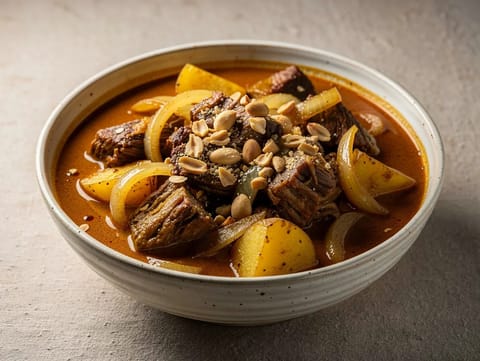
Massaman Curry with Beef, Potatoes and Peanuts
Massaman beef curry with potatoes, tamarind and roasted peanuts
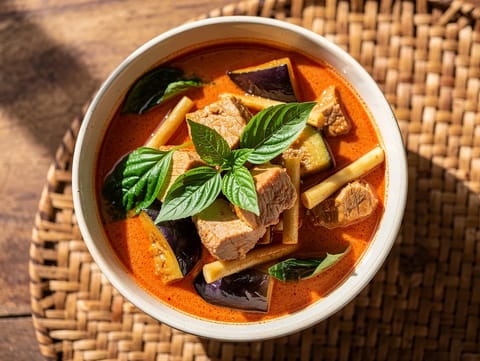
Thai Red Curry (Gaeng Phet)
Thai red pork curry with coconut milk and basil
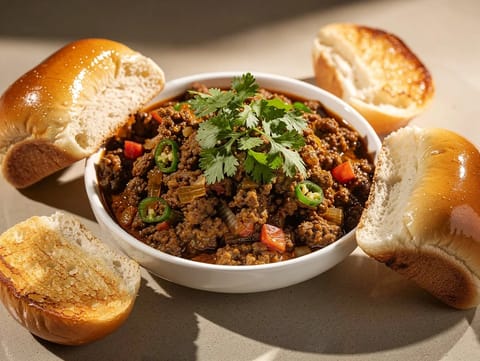
Keema Pav (Spiced Minced Lamb with Bread Rolls)
Spiced minced lamb keema served with buttered bread rolls
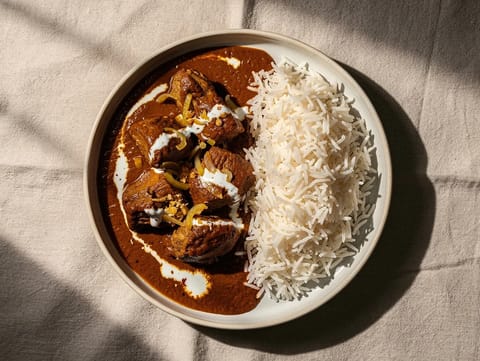
Lamb Rogan Josh with Basmati Rice
Kashmiri lamb curry with yoghurt, spices and basmati rice

Dum Aloo Banarasi (Baby Potato Curry with Tomato and Yoghurt)
Baby potatoes in a tomato and yoghurt curry
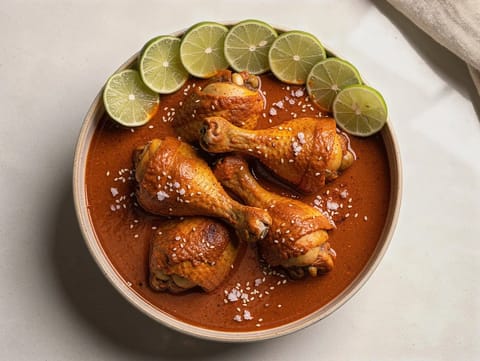
Pipián Rojo con Pollo (Mexican Chicken in Red Seed and Chilli Sauce)
Chicken in pipián rojo with toasted seeds and chilli

Côte de Porc Normande (Pork Chop with Apples and Cream)
Pork chops with apples in a creamy cider sauce
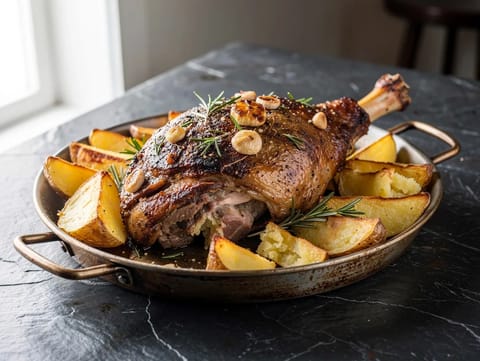
Slow-Roasted Leg of Lamb with Rosemary and Garlic
Slow-roasted leg of lamb with rosemary and garlic

Vegetable Korma
Mild vegetable korma with coconut, yoghurt and almonds
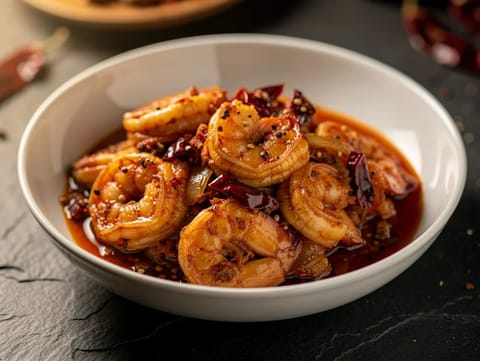
Prawn Balchão (Goan Spiced Prawns)
Goan-style prawns cooked in a tangy chilli masala

Carnitas de Cerdo (Slow-Cooked Pork Carnitas)
Slow-cooked pork carnitas braised with orange and spices

Gammon Steak with Fried Egg and Chips
Pan-fried gammon with fried egg and crisp oven chips
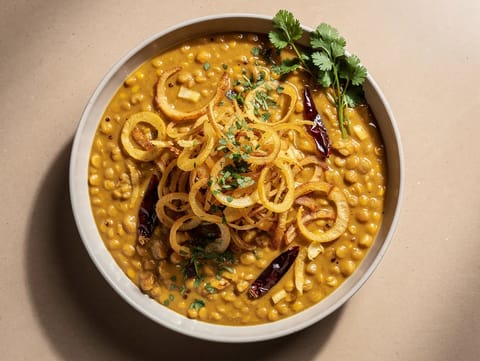
Tarka Dal with Crispy Fried Onions
Creamy tarka dal topped with crispy fried onions
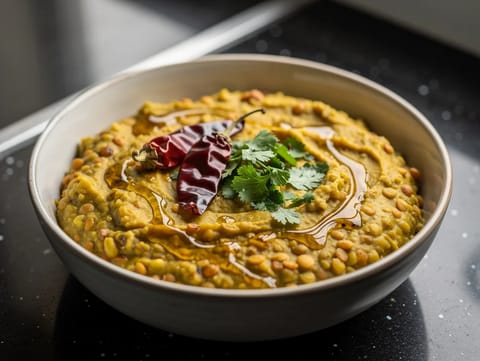
Tarka Dal with Ghee and Dried Chillies
Creamy tarka dal topped with sizzling ghee, garlic and chillies
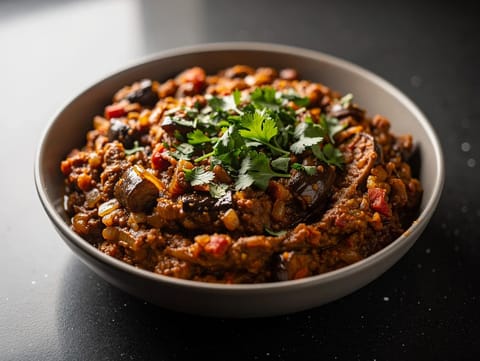
Baingan Bharta (Smoky Mashed Aubergine)
Smoky roasted aubergine mashed with tomatoes, spices and coriander

Tarka Dal with Jeera Rice
Red lentil tarka dal served with fragrant cumin jeera rice
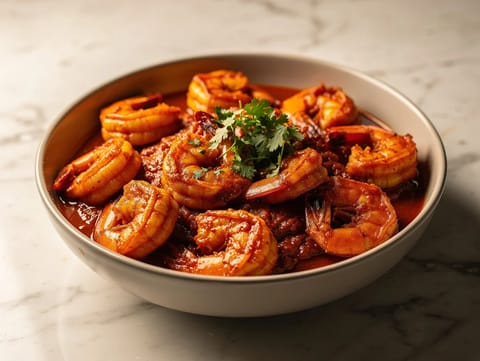
Prawn Balchão (Goan Spicy Prawn Pickle Curry)
Tangy Goan-style prawn curry with vinegar and chilli
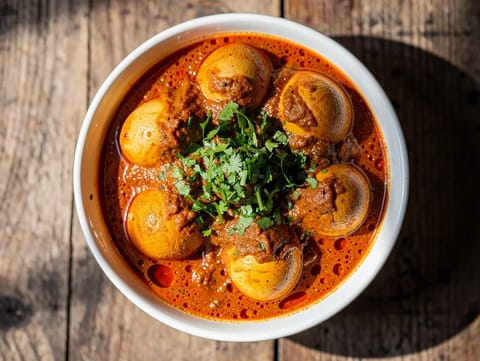
Egg Curry (Anda Masala)
Egg curry in a spiced tomato and onion gravy
You might also like

Arroz Rojo (Mexican Red Rice)
Fluffy Mexican red rice with tomato, carrots and peas
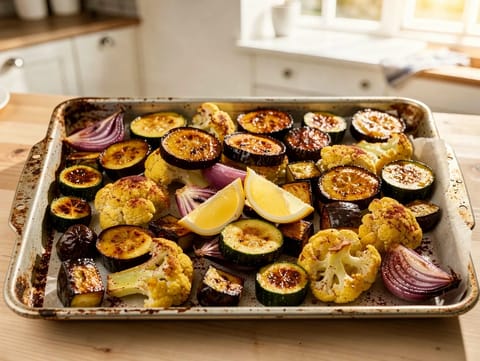
Sumac Roasted Vegetables with Lemon and Olive Oil
Roasted vegetables with sumac, lemon and olive oil
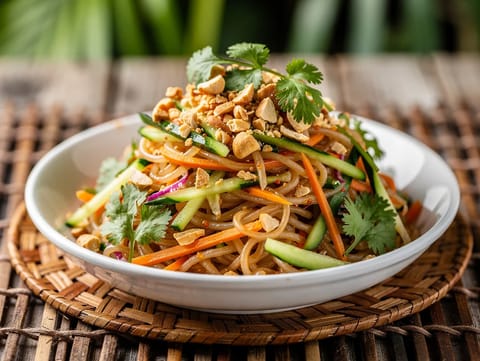
Thai Spicy Noodle Salad (Modern)
Rice noodle salad with spicy lime dressing and peanuts

Modern Light Flan
Light vanilla flan baked over caramel and chilled until set
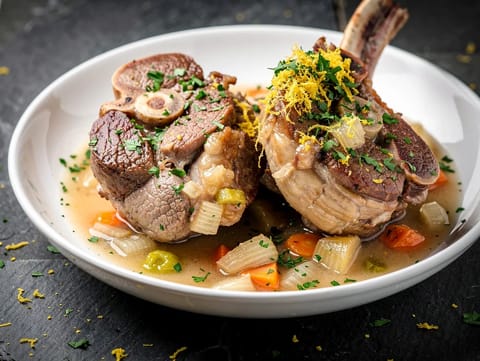
Ossobuco Bianco (White Braised Veal Shanks)
White-braised veal shanks finished with parsley and lemon zest gremolata

Slow-Cooked Lamb Shank with Minted Peas
Slow-cooked lamb shanks with red wine gravy and minted peas
Make this recipe easier next time
AdvertisementThese tools help you get better results with less effort.
KitchenAid Stainless Steel Mixing Bowls
- Non-slip base
- Stainless steel
- Not microwave safe
T-fal Specialty Nonstick Handy Pot with Glass Lid 3 Quart
- Easy food release
- Dishwasher safe
- Not induction compatible
OXO Good Grips Stainless Mixing Bowl Set
- Non-slip base
- Comfort grip
- Higher price
WMF Mini Saucepan 16 cm with Lid
- High-quality stainless steel
- Even heat distribution
- Higher price point
Enjoy cooking with JustRecipes?
Add JustRecipes as one of your preferred Google sources to discover our recipes more easily across Google Search.
Add JustRecipes to GoogleEvery recipe on JustRecipes follows the same structured editorial process. Learn how recipes are created, validated, translated, illustrated, and continuously improved across the platform. How we create recipes.
