
Linguine al Pesto Trapanese (Sicilian Almond Pesto Pasta)
Why this recipe works
- Fast but fresh: The sauce is blended while the pasta cooks, keeping the whole dish efficient without sacrificing freshness.
- Simple ingredients, layered flavour: Toasted almonds bring warmth and depth, while ripe tomato, basil, garlic and Pecorino create a savoury, aromatic pesto.
- Bright balance: Lemon and tomato cut through the olive oil and cheese, keeping the sauce lively rather than heavy.
Get the most out of this recipe
Authenticity notes
- Sicilian character: Pesto alla Trapanese is associated with western Sicily and is known for its use of almonds and fresh tomato rather than pine nuts alone.
- Raw pesto, warm pasta: The pesto is not cooked; it is loosened by the heat of the pasta and a little starchy cooking water to preserve its fresh basil and tomato flavour.
Ingredient notes
- Use ripe tomatoes: Ripe tomatoes give the pesto sweetness and body. If they are very watery, blend briefly so the sauce stays coarse enough to cling.
- Choose good olive oil: Because the oil is used raw, extra-virgin olive oil has a noticeable impact on the final flavour.
- Season after the cheese: Pecorino Romano is salty, so taste the pesto after adding it before adjusting the seasoning.
Common mistakes
- Watch the almonds closely: Toast the almonds only until lightly golden and fragrant; they can turn bitter quickly if left too long in the pan.
- Do not cook the pesto: Toss the pasta off the heat so the basil stays bright and the tomato flavour remains fresh.
- Add pasta water gradually: Use the reserved cooking water a little at a time until the sauce looks glossy and lightly coats the linguine.
Serving ideas
- Serve with a simple salad: A crisp green salad or bitter leaves balance the nutty richness of the pesto.
- Finish with extra basil: A few torn basil leaves add fragrance and reinforce the fresh pesto character.
- Wine pairing: A chilled Sicilian white or another dry, citrusy white wine suits the tomato, basil and almond flavours.
Equipment you'll need
Ingredients
Instructions
- Bring a large pot of water to the boil and season it with the fine sea salt. Add the linguine and cook until al dente, according to the packet timings.
- While the pasta cooks, toast the almonds in a dry frying pan over a medium heat for 3 to 4 minutes, shaking often, until lightly golden and fragrant. Tip onto a plate to cool slightly.
- In a food processor, pulse the almonds with the garlic until sandy. Add the tomatoes, basil, the zest and juice of the lemon, black pepper and most of the olive oil, then blend to a coarse pesto that still has a little texture.
- Finely grate the Pecorino Romano cheese. Stir half into the pesto and set the rest aside for serving.
- Reserve 150 ml of the pasta cooking water, then drain the linguine. Return the pasta to the warm pot off the heat.
- Add the pesto to the hot linguine and toss well, loosening with a splash of the reserved cooking water until each strand is lightly coated. Finish with the remaining olive oil to taste, then serve with the reserved Pecorino.
Recipe notes
Tips
- Keep the pot off the heat when you add the pesto so the basil stays bright and the sauce tastes fresh rather than cooked.
- If your tomatoes are very juicy, blend the pesto briefly and keep it slightly coarse so it clings to the pasta instead of turning watery.
- For the best texture, add the reserved pasta water a little at a time and stop when the sauce looks glossy and lightly emulsified.
Substitutions
- Replace Pecorino Romano cheese with Parmesan for a milder, less salty finish.
- Replace almonds with pistachios for a sweeter, more aromatic pesto.
- Replace lemon with lime for a sharper, more tropical acidity.
Storage
- Refrigerate up to 2 days
- Cool leftovers quickly and refrigerate in an airtight container. Reheat gently in a saucepan with a splash of water until piping hot, or eat at room temperature as a pasta salad style dish.
Ratings & reviews
Liked this recipe? Share your feedback to support our cooking community.
Tried this recipe?
Choose 1–5 stars. A comment is optional.
Stay inspired
Discover new recipes, seasonal favourites and cooking inspiration every day. Follow JustRecipes on Pinterest and Spillt.
Recipe overview
- Servings: 4 servings
- Total time: 25min (20min active)
- Difficulty: Easy
- Cuisine: Italian
-
Allergens:
Almonds Gluten Tree nuts Wheat
Plan your meals and get a complete grocery list automatically.
Add to meal plannerEquipment you'll need
Got ingredients left?
Find recipes using ingredients from this recipe or what you already have at home.
Find recipes with these ingredients →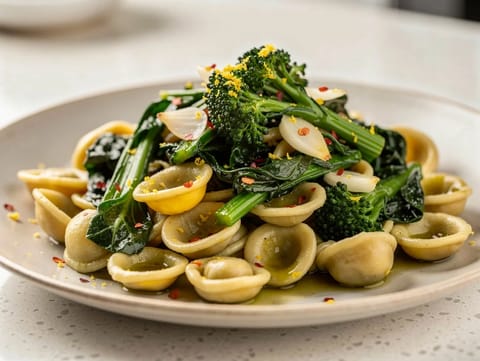
Orecchiette con Cime di Rapa (Broccoli Rabe with Anchovy and Chilli)
Orecchiette with broccoli rabe, anchovy, garlic and chilli
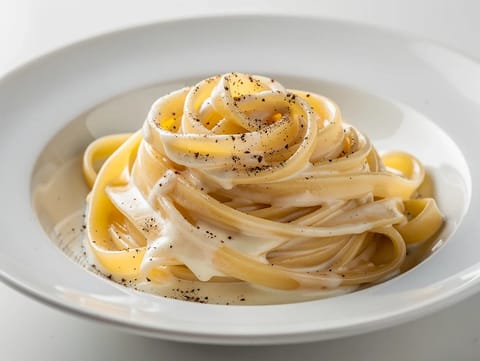
Fettuccine Alfredo
Fettuccine in a silky butter and Parmesan sauce
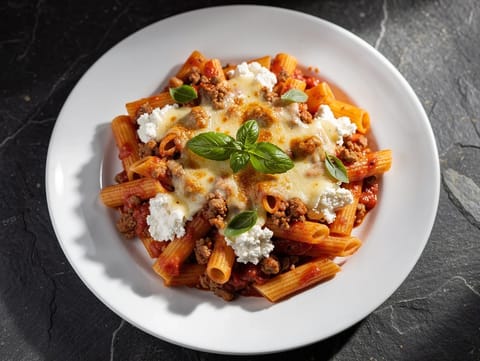
American-Style Baked Ziti with Minced Beef
Baked ziti with minced beef, ricotta and mozzarella
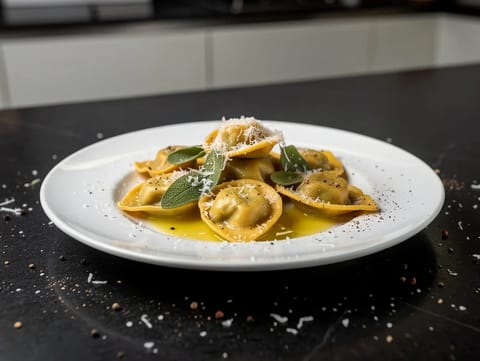
Agnolotti dal Plin al Burro e Salvia (Stuffed Pasta with Butter and Sage)
Stuffed agnolotti tossed in butter, sage and Parmesan
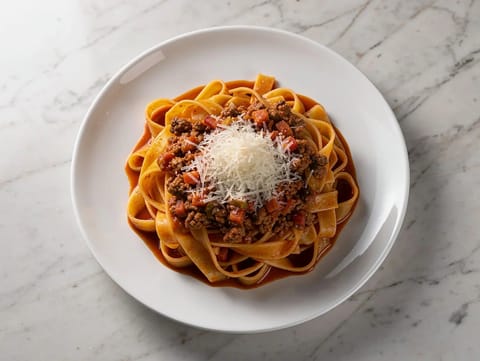
Tagliatelle al Ragù (Tagliatelle with Bolognese Sauce)
Tagliatelle with slow-simmered beef and pancetta ragù
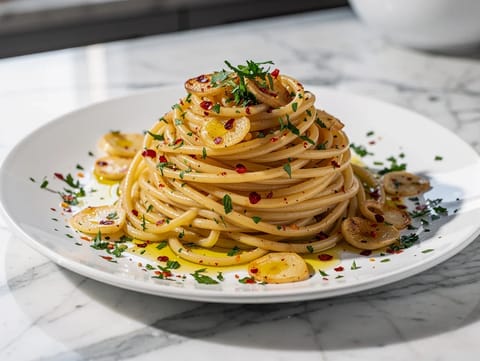
Spaghetti Aglio, Olio e Peperoncino (Garlic, Oil and Chilli Pasta)
Spaghetti with garlic, olive oil and chilli flakes
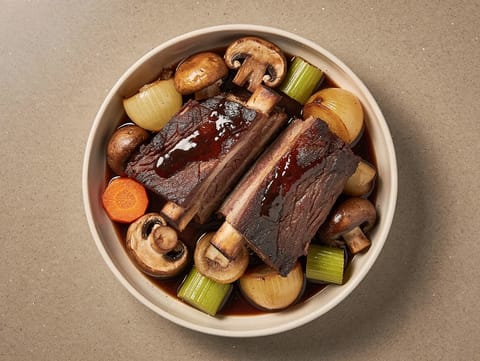
Braised Short Ribs with Red Wine and Mushrooms
Red wine braised beef short ribs with mushrooms and onions
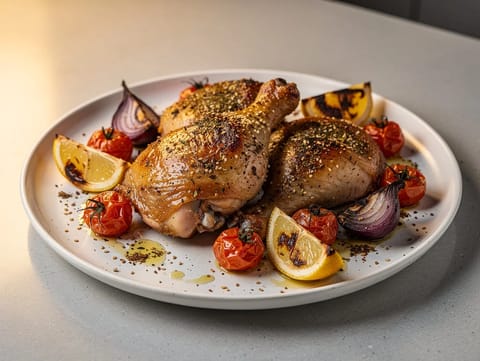
Zaatar Chicken Traybake with Lemon, Onion and Tomatoes
Traybaked zaatar chicken with lemon, onion and cherry tomatoes
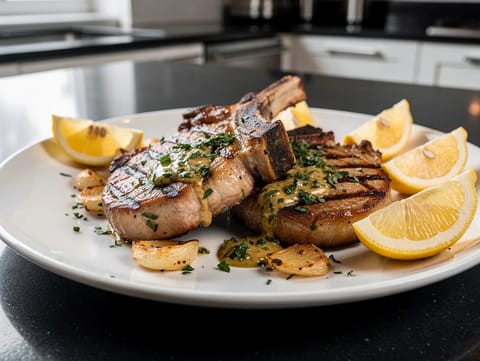
Grilled Pork Chops with Dijon and Tarragon
Grilled pork chops with Dijon mustard and fresh tarragon
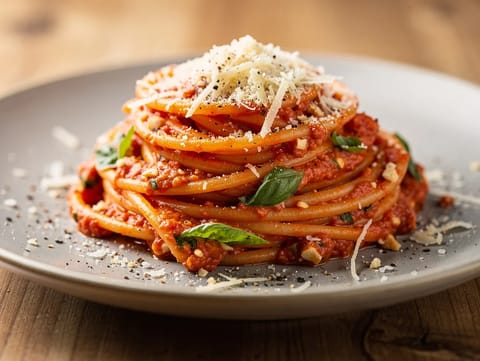
Pasta alla Trapanese (Sicilian Tomato and Almond Pesto Pasta)
Sicilian pasta with tomato, almond and basil pesto
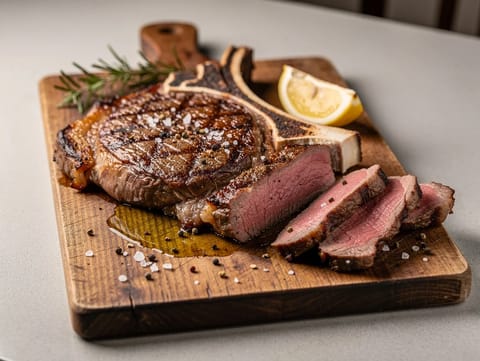
Bistecca alla Fiorentina (Tuscan T-Bone Steak)
Tuscan T-bone steak, seared and simply seasoned
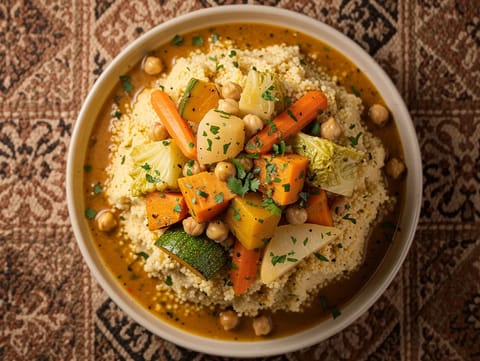
Couscous with Seven Vegetables (Moroccan)
Steamed couscous topped with spiced vegetables and chickpeas
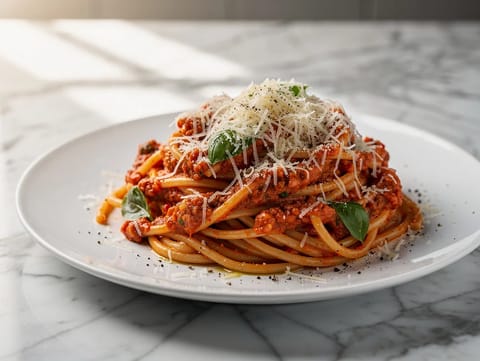
Pasta al Pesto Trapanese (Sicilian Almond Pesto Pasta)
Sicilian pasta with tomato, basil and almond pesto
Pasta alla Trapanese (Sicilian Tomato and Almond Pesto Pasta)
Sicilian pasta with tomato, almond and basil pesto
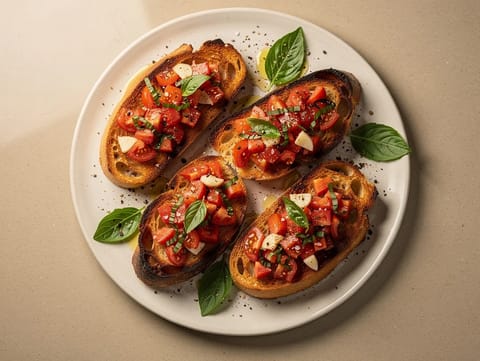
Bruschetta with Tomato and Garlic (Bruschetta al Pomodoro e Aglio)
Toasted bread topped with fresh tomato and garlic
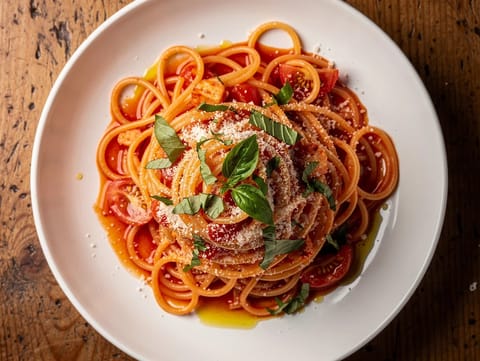
Pasta al Pomodoro Fresco (Spaghetti with Fresh Tomato and Basil)
Spaghetti with fresh tomatoes, garlic, basil and parmesan
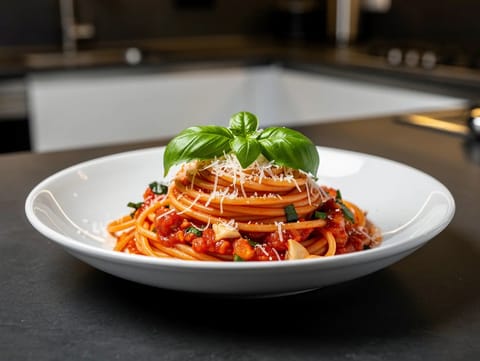
Pasta al Pomodoro Fresco e Basilico (Fresh Tomato and Basil Pasta)
Spaghetti with fresh tomato, garlic and basil
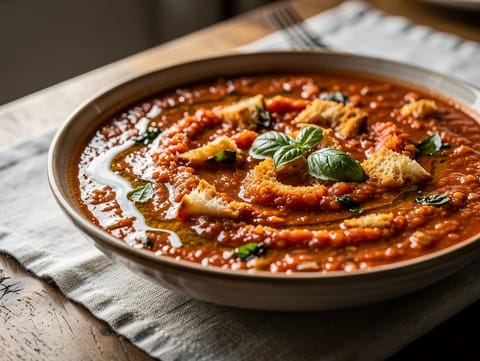
Pappa al Pomodoro (Tuscan Tomato and Bread Soup)
Tuscan tomato and bread soup finished with fresh basil
You might also like
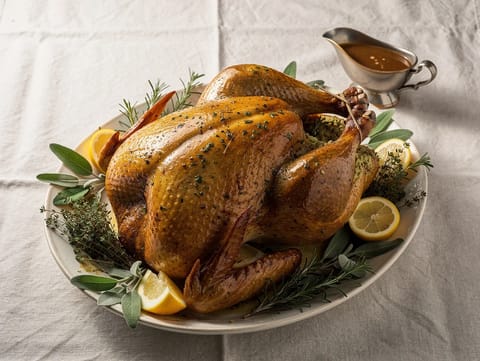
Thanksgiving Roast Turkey with Herb Butter and Gravy
Roast turkey with herb butter and gravy from pan drippings
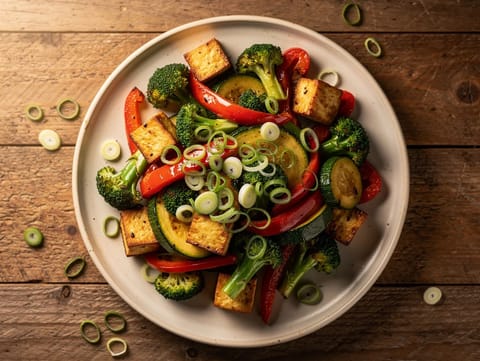
Air Fryer Tofu and Vegetables
Crispy tofu and vegetables cooked quickly in the air fryer.

Air Fryer Chicken Caesar Wrap
Air-fried chicken Caesar wrap with romaine and parmesan.
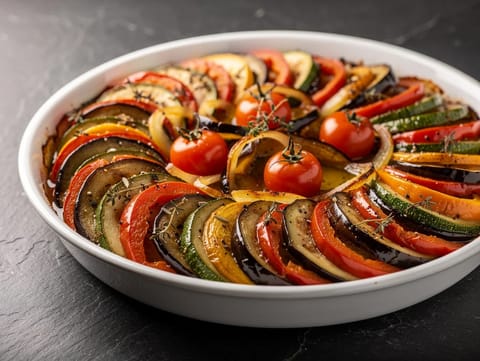
Ratatouille au Four (Oven-Baked Vegetables)
Oven-baked ratatouille with tender aubergine, courgette and tomatoes

Śledź na Wigilię (Polish Christmas Eve Herring with Apple and Onion)
Chilled herring layered with apple and onion in sweet-sour dressing
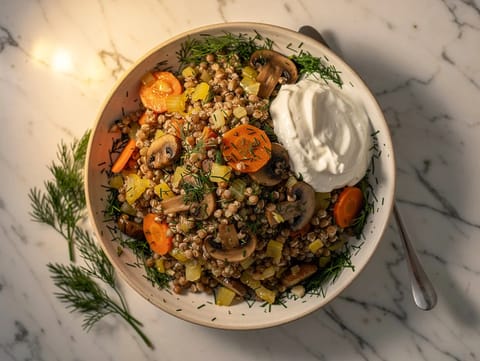
Polish Buckwheat Bowl with Vegetables (Kasza Bowl)
Kasza bowl with buckwheat groats and sautéed vegetables
Enjoy cooking with JustRecipes?
Add JustRecipes as one of your preferred Google sources to discover our recipes more easily across Google Search.
Add JustRecipes to GoogleEvery recipe on JustRecipes follows the same structured editorial process. Learn how recipes are created, validated, translated, illustrated, and continuously improved across the platform. How we create recipes.
