
Poulet Rôti (French Roast Chicken)
Why this recipe works
- Crisp, golden skin: Patting the chicken dry and starting it in a hot oven encourages the skin to brown before the temperature is lowered for gentler roasting.
- Simple ingredients, deep flavour: Garlic, thyme, lemon zest and butter season the meat from under the skin, while the potatoes absorb the savoury roasting juices.
- Built-in side and sauce: Roasting the potatoes under the chicken and finishing the pan with wine and stock creates a complete main course with minimal extra work.
Get the most out of this recipe
Timing notes
- Rest before carving: Let the chicken rest after roasting so the juices settle back into the meat rather than running out on the board.
- Serve once the sauce is ready: Carve the chicken after the pan juices have reduced, so the meat, potatoes and sauce can be served hot together.
Ingredient notes
- Choose a good roasting chicken: A whole chicken with intact skin gives the best balance of crisp exterior, juicy meat and flavourful pan drippings.
- Use fresh herbs where possible: Fresh thyme gives a cleaner, more aromatic flavour than dried herbs, especially when tucked into the cavity and mixed into the butter.
- Replacing the wine: Chicken stock works well in place of white wine, though the sauce will be less bright and slightly more savoury.
Common mistakes
- Do not use hard butter: Softened butter is easier to spread under the skin without tearing it and gives more even seasoning across the breast meat.
- Check the thigh, not just the skin: Golden skin is not enough on its own; the thickest part of the thigh should reach 74°C (165°F) before resting.
- Watch the browning: If the breast darkens too quickly, cover it loosely with foil towards the end of roasting while the chicken finishes cooking.
Make-ahead tips
- Prepare the butter in advance: The garlic, thyme and lemon butter can be mixed ahead and chilled; soften it again before spreading under the chicken skin.
- Reheat gently: Warm leftovers in a 180°C (355°F) oven until piping hot, adding a little stock if the pan juices need loosening.
- Freeze carved portions: Freeze cooked chicken and potatoes separately for the best texture, then reheat thoroughly before serving.
Equipment you'll need
Ingredients
Instructions
- Heat the oven to 220°C (430°F). Pat the chicken dry, then season it all over and inside the cavity with the salt and pepper.
- In a small bowl, mash the butter with 3 of the garlic cloves (finely grated or crushed) and the leaves from 3 thyme sprigs. Zest the lemon into the butter, then cut the lemon in half.
- Carefully loosen the skin over the breast and rub about two-thirds of the butter underneath, then rub the remaining butter over the skin. Put the lemon halves, the remaining garlic cloves (lightly crushed), and the remaining thyme sprigs into the cavity.
- Tip the potatoes into a roasting pan and season lightly with a pinch more salt and pepper from the measured amounts if you like. Sit the chicken on top, breast-side up, so the juices drip onto the potatoes.
- Roast for 20 minutes to start crisping the skin, then reduce the oven to 190°C (375°F). Roast for a further 50 minutes, turning the potatoes once halfway through, until the skin is deep golden and the thickest part of the thigh reaches 74°C (165°F).
- Transfer the chicken to a board and rest for 10 minutes; keep the potatoes in the pan. Spoon off excess fat if needed, then place the roasting pan over a medium heat on the hob and pour in the wine, scraping up the sticky bits.
- Add the stock and simmer for 3 to 5 minutes until slightly reduced and glossy. Carve the chicken, serve with the potatoes, and spoon the pan juices over the top.
Recipe notes
Tips
- For extra-crisp skin, make sure the chicken is thoroughly dry before buttering and roasting.
- If the skin is browning too quickly, loosely cover the breast with foil for the last 15 to 20 minutes.
- Food safety: if serving to pregnant people, young children, older adults, or anyone immunocompromised, cook the chicken until the thigh reaches 74°C (165°F) and rest it before carving.
Substitutions
- Replace Fresh thyme with Fresh rosemary for a more resinous, woodsy flavour.
- Replace Dry White Wine with Chicken stock if you prefer to cook without alcohol.
Storage
- Refrigerate up to 3 days
- Cool leftovers quickly, then refrigerate in a sealed container. Reheat chicken and potatoes in a 180°C (355°F) oven until piping hot; add a splash of Chicken stock to loosen the pan juices if needed. Freeze carved chicken and potatoes separately for best texture.
Ratings & reviews
Liked this recipe? Share your feedback to support our cooking community.
Tried this recipe?
Choose 1–5 stars. A comment is optional.
Stay inspired
Discover new recipes, seasonal favourites and cooking inspiration every day. Follow JustRecipes on Pinterest and Spillt.
Recipe overview
- Servings: 4 servings
- Total time: 1h 35min (20min active)
- Difficulty: Medium
- Cuisine: French
-
Allergens:
Milk
Plan your meals and get a complete grocery list automatically.
Add to meal plannerEquipment you'll need
Got ingredients left?
Find recipes using ingredients from this recipe or what you already have at home.
Find recipes with these ingredients →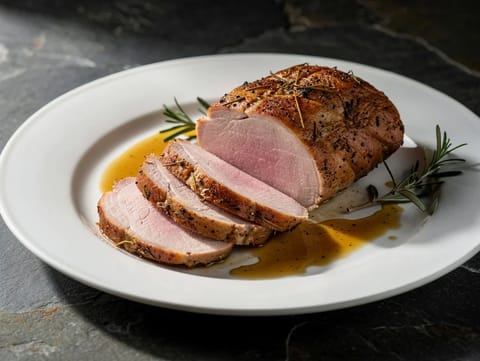
Arista di Maiale al Forno (Florentine-Style Roast Pork Loin)
Roast pork loin with garlic, rosemary and white wine juices
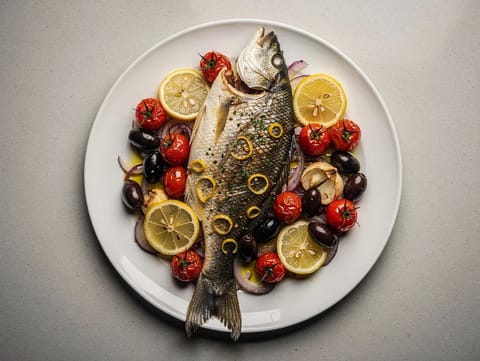
Baked Sea Bream with Tomatoes and Olives
Baked sea bream with tomatoes, olives and lemon
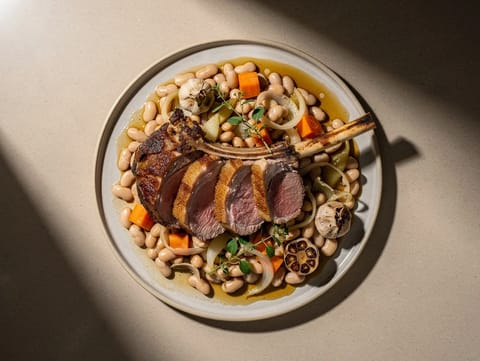
Gigot d’Agneau Rôti (Roast Leg of Lamb) with White Beans
Roast leg of lamb with garlic, rosemary and white beans
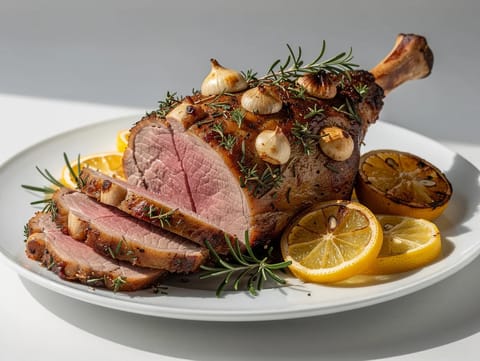
Gigot d’Agneau Rôti aux Herbes (Roast Leg of Lamb with Herbs)
Roast leg of lamb with garlic, herbs and lemon
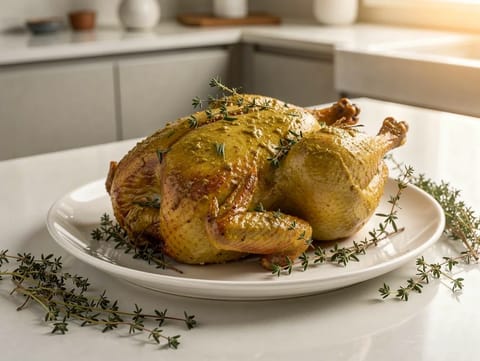
Poulet Rôti à la Moutarde (Roast Chicken with Dijon Mustard)
Roast chicken coated with Dijon mustard, thyme, garlic and shallots
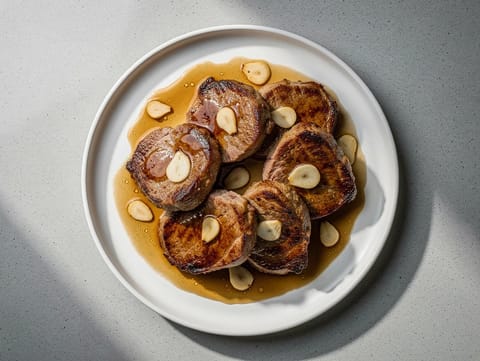
Solomillo al Whisky (Pork Tenderloin in Whisky Sauce)
Pan-seared pork tenderloin with garlic whisky sauce
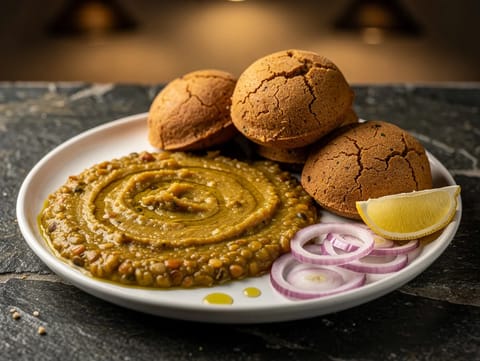
Rajasthani Dal Baati (Vegan Lentil Dal with Baked Wholewheat Dumplings)
Spiced red lentil dal with baked wholewheat baati

Air Fryer Crispy Tofu
Extra-crispy tofu with a soy and hoisin glaze.
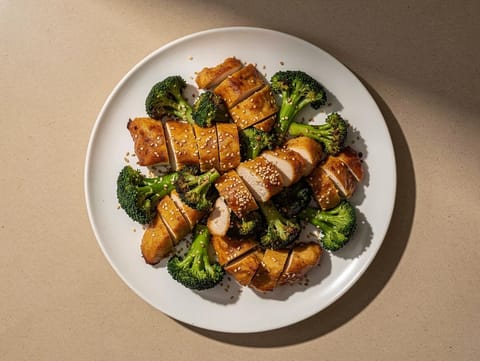
Air Fryer Chicken and Broccoli
Air-fried chicken and broccoli tossed in a soy glaze.
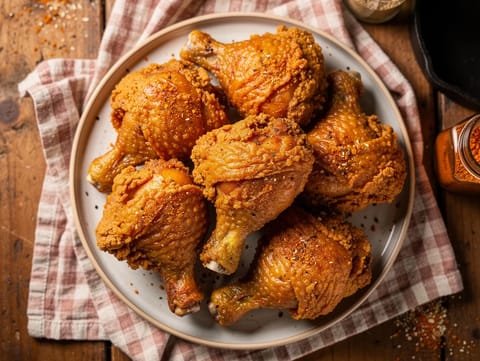
Crispy Fried Chicken with Buttermilk and Spiced Flour
Buttermilk fried chicken with a crisp spiced coating
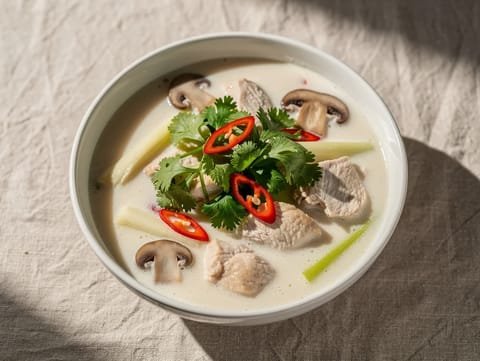
Tom Kha Gai (Thai Coconut Galangal Chicken Soup)
Thai coconut soup with chicken, galangal and mushrooms
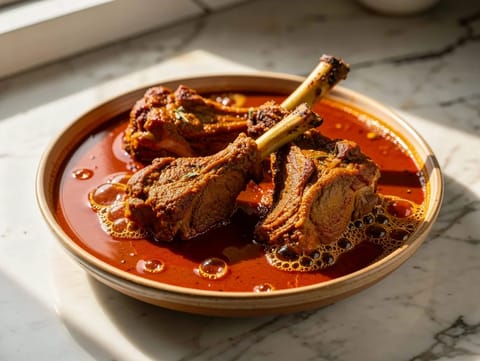
Laal Maas (Rajasthani Fiery Red Mutton Curry)
Fiery Rajasthani mutton curry with dried red chillies and yoghurt
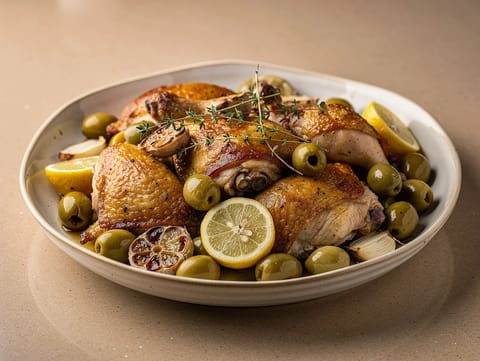
Poulet au Citron et Olives (Lemon and Olive Chicken)
Chicken braised with lemon, green olives and thyme
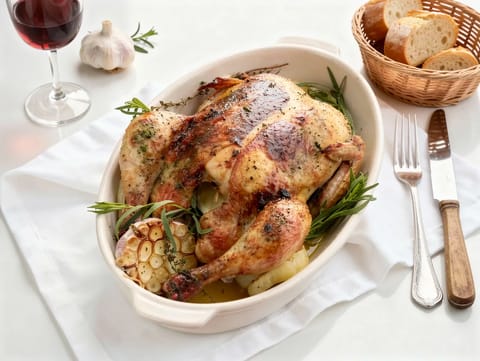
Poulet Rôti with Tarragon and Garlic
Roast chicken with tarragon, garlic and pan jus
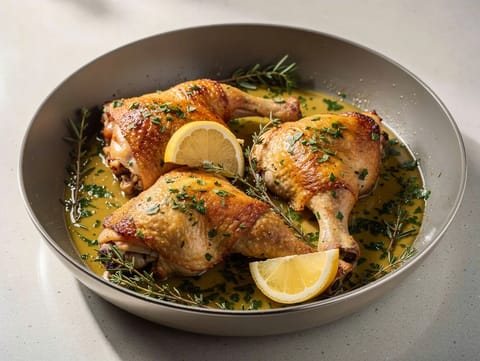
Garlic and Herb Chicken Bake
Baked chicken thighs with garlic, herbs and white wine
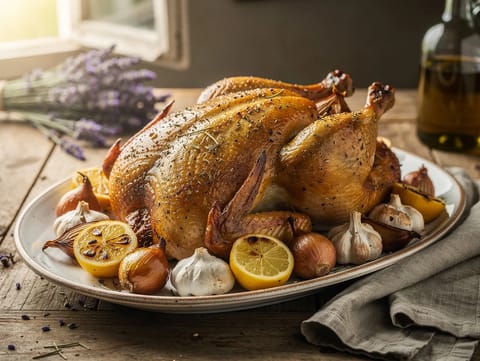
Poulet Rôti with Herbes de Provence (French Roast Chicken)
French roast chicken with herbs and lemon
Poulet Rôti à la Moutarde (Roast Chicken with Dijon Mustard)
Roast chicken coated with Dijon mustard, thyme, garlic and shallots
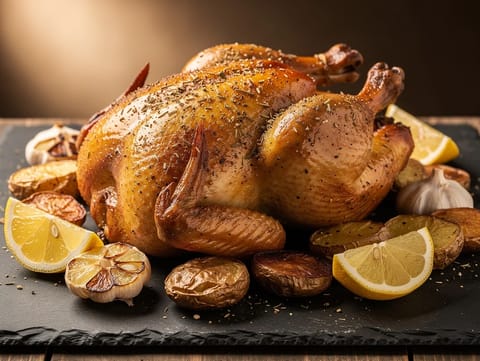
Poulet Rôti aux Herbes de Provence (Herb Roast Chicken)
Roast chicken with Herbes de Provence, lemon and pan potatoes
You might also like
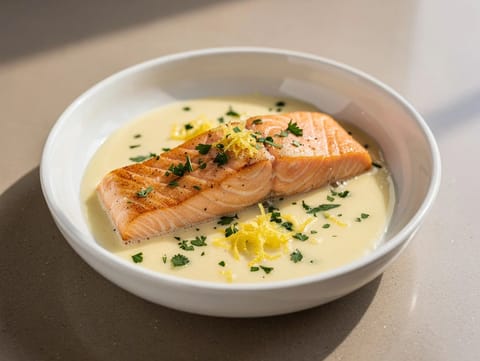
Salmon with Lemon Beurre Blanc
Pan-seared salmon with lemon beurre blanc
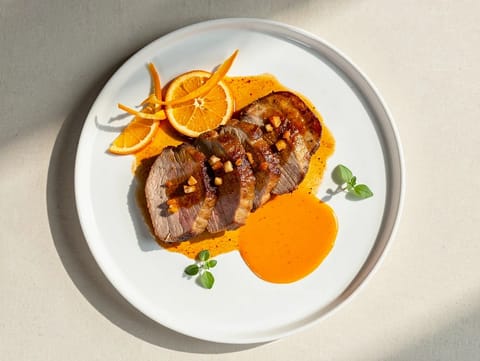
Lomo de Cerdo a la Naranja (Pork Loin with Orange Sauce)
Seared pork loin simmered in a glossy orange sauce

Apple Kefir Smoothie
Blend kefir with apple, banana and cinnamon until smooth.
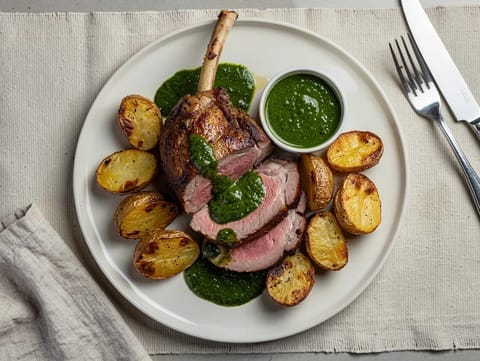
Roast Leg of Lamb with Mint Sauce and Roasted Potatoes
Roast leg of lamb with mint sauce and roasted potatoes
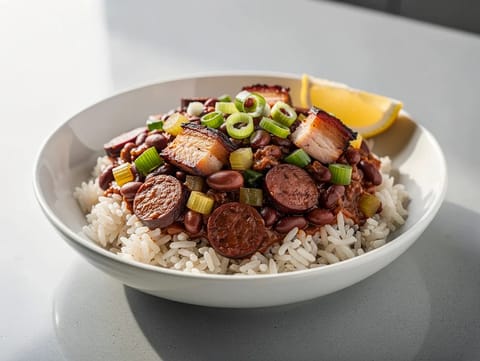
Cajun Red Beans and Rice
Creamy red beans with sausage, served over rice
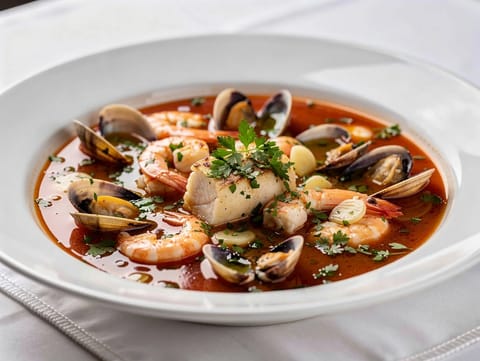
Zuppa di Pesce alla Veneziana (Venetian Fish Soup)
Venetian fish soup with mixed seafood in tomato and white wine
Make this recipe easier next time
AdvertisementThese tools help you get better results with less effort.
OXO Good Grips 2-Piece Cutting Board Set
- Two useful sizes with reversible cutting surfaces
- Dishwasher safe and easy to clean
- Plastic surfaces will show knife marks over time
Titanium & PP Double-Sided Cutting Board
- Separate surfaces for meat and produce
- Resists odors and stains
- Harder on knife edges than wood or plastic
Teakhaus Large Teak Cutting Board
- Large, durable and knife-friendly teak surface
- FSC-certified wood with a premium finish
- Requires hand washing and occasional oiling
Enjoy cooking with JustRecipes?
Add JustRecipes as one of your preferred Google sources to discover our recipes more easily across Google Search.
Add JustRecipes to GoogleEvery recipe on JustRecipes follows the same structured editorial process. Learn how recipes are created, validated, translated, illustrated, and continuously improved across the platform. How we create recipes.
