
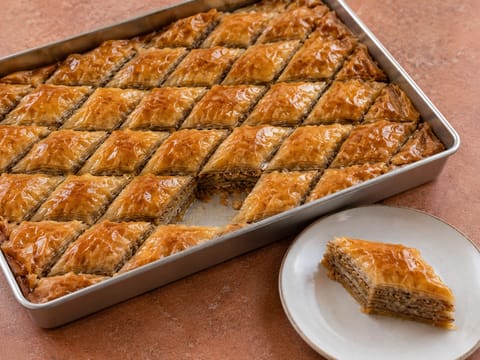
Christmas Baklava Tray with Honey and Orange Syrup
Baklava tray with walnuts, pistachios and honey orange syrup
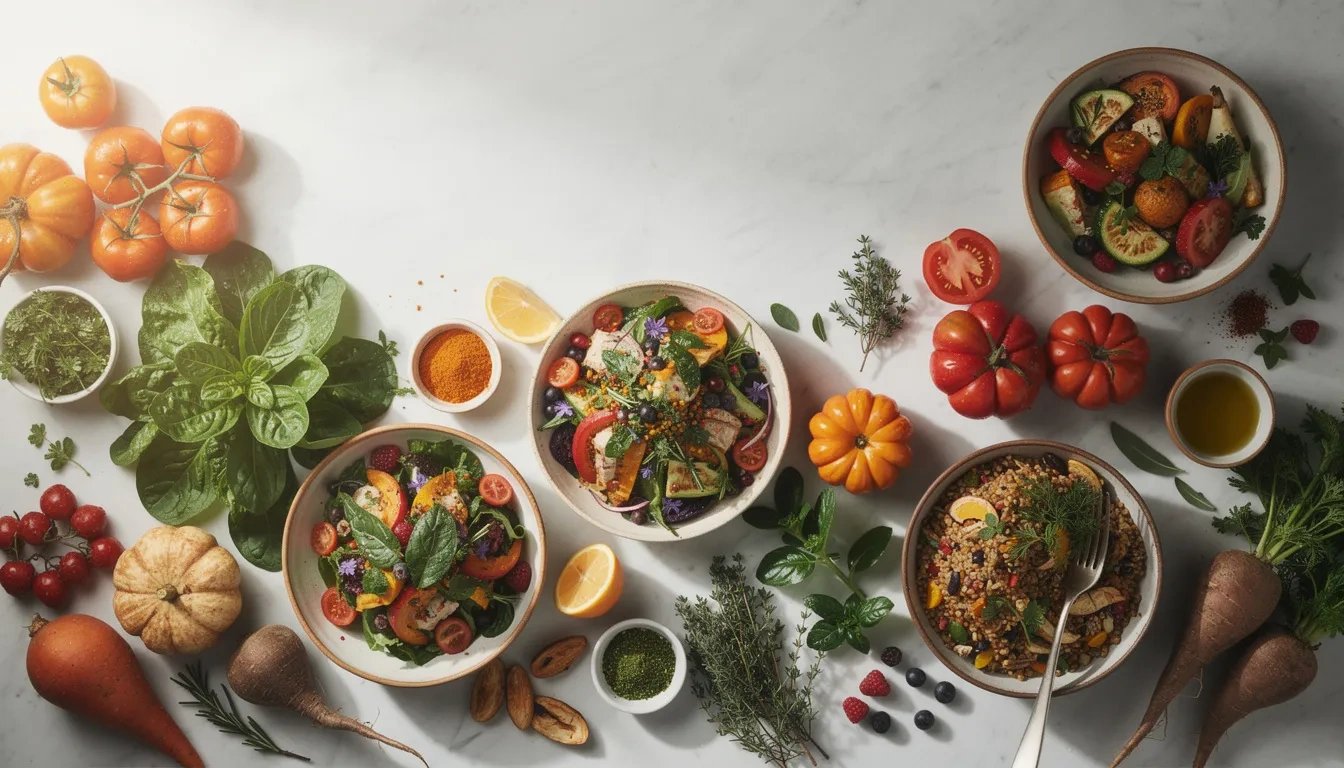
December cooking tends to be hearty, warming and a little more celebratory, simply because the days are short and the table often feels like the centre of the home. You may want food that can feed a group, hold in the oven, or be prepared in stages, alongside smaller dishes that bring freshness and crunch. This is also a month where bright flavours matter: citrus, herbs, mustard and pickles can cut through rich sauces, roasts and creamy desserts. Think comfort first, then balance.
December-friendly recipes often include substantial mains and sides that suit cold weather: slow-cooked pots, roasts, baked dishes and warming soups. Alongside those, lighter elements become important, not as a separate ‘healthy’ track but as contrast, such as crisp salads, sharp relishes and vegetable sides with a bright dressing. Baking and desserts also naturally come to the fore, from simple tray bakes to richer puddings, often using spices, dried fruit, nuts or chocolate. Drinks can be part of the season too, whether warming or chilled, because December entertaining often benefits from something you can make in advance and serve with minimal fuss.
Baklava tray with walnuts, pistachios and honey orange syrup
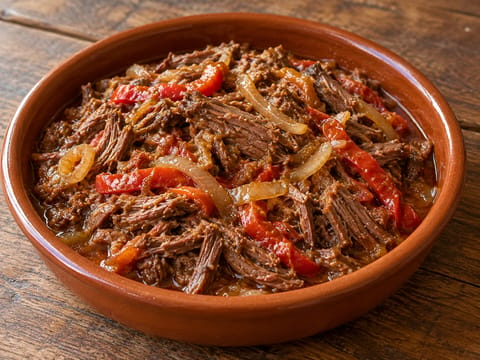
Spanish shredded braised beef with paprika and sherry
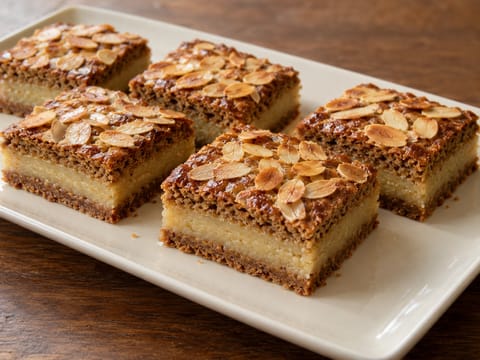
Spiced biscuit bake filled with sweet almond paste
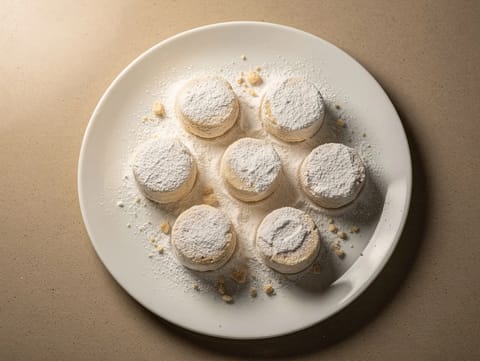
Crumbly almond biscuits with cinnamon, lemon zest and icing sugar

Tender shortbread biscuits with cinnamon, vanilla and icing sugar
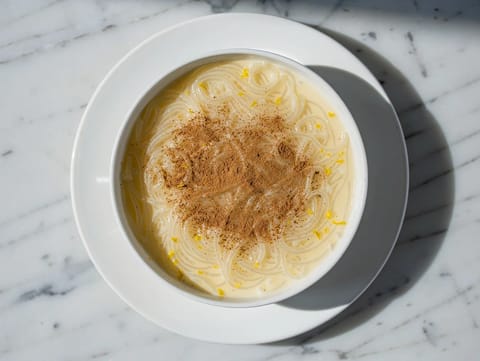
Portuguese vermicelli custard with lemon zest and cinnamon
If you are cooking for a group, look for dishes that hold well: roasts that can rest, bakes that stay hot, and sides that can be reheated without losing texture. For a calmer workflow, choose recipes with components you can prepare ahead, such as sauces, doughs or chopped vegetables, then finish close to serving. When the menu is rich, pick one or two sharp, fresh counterpoints, for example a citrusy salad, a mustardy dressing or a pickled garnish. If you want comfort without heaviness, soups and braises can feel lighter when served with herbs, lemon, or a spoonful of yoghurt rather than extra cream.
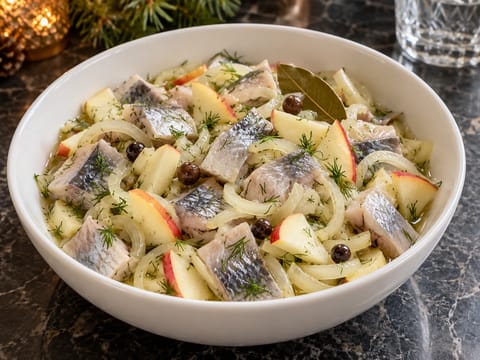
Chilled herring layered with apple and onion in sweet-sour dressing

Belgian Christmas sweet bread topped with pearl sugar

Finnish rye pasties filled with creamy milk-cooked rice
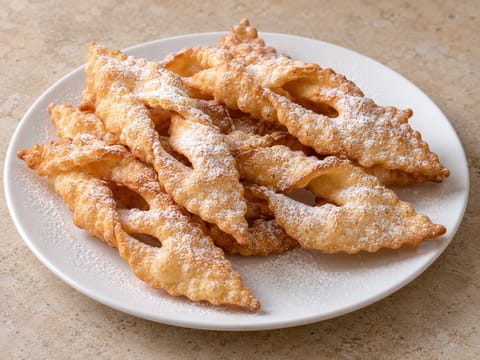
Twisted Nordic fried pastries dusted with icing sugar

Portuguese fried pastries coated in cinnamon sugar

Almond wreath biscuits topped with pearl sugar
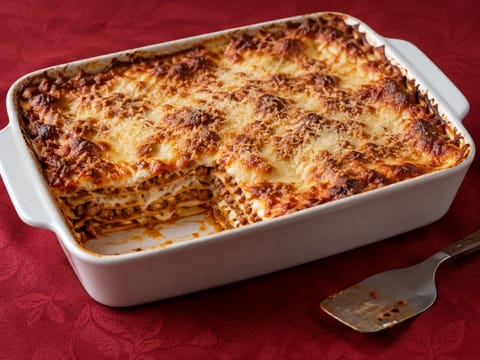
Christmas lasagne with beef ragù, béchamel and melted cheese
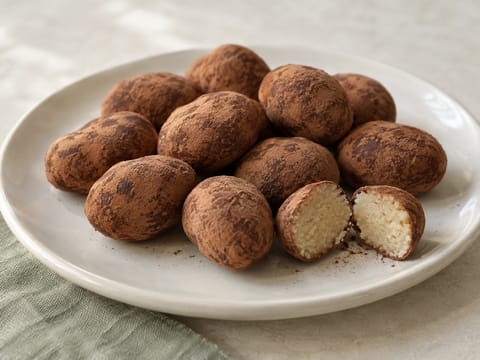
No-bake marzipan sweets dusted with cocoa powder
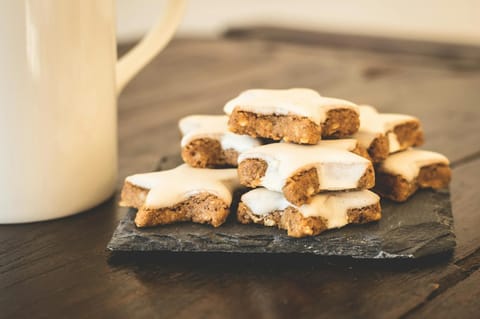
Almond and cinnamon star biscuits topped with sweet meringue glaze
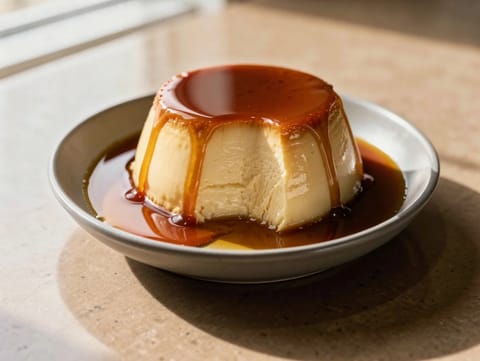
Silky baked flan with caramel, vanilla, and sweet milks.

Cornflour biscuits sandwiched with dulce de leche and icing sugar

Swedish Christmas ham with a mustard and breadcrumb crust
December cooking often leans on ingredients that store well and taste good after long cooking: roots, brassicas, onions and pulses, plus meats and fish that suit roasting or braising. To keep flavours lively, many cooks reach for acidity and aromatics. Citrus is especially useful in winter because it adds fragrance as well as sharpness, and it works in both savoury dishes and desserts. Herbs, even in small amounts, can make a rich plate taste cleaner. Bitter leaves and crunchy vegetables also earn their place in December, because they bring texture against soft bakes, mash and slow-cooked sauces.
Occasion browsing is a natural companion in December, when cooking often overlaps with cultural and family celebrations that call for particular formats, from party food to centrepiece roasts. Ingredient browsing helps when you want to build a winter menu around what is reliable now, then add brightness with citrus, herbs and crisp vegetables.

Creamy hummus topped with cumin-spiced minced lamb
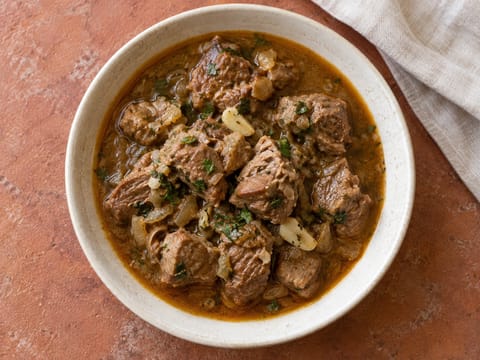
Extremaduran lamb stew with smoked paprika and white wine
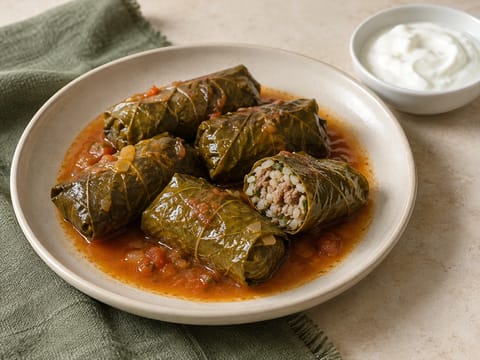
Vine leaves stuffed with lamb and rice, simmered in tomato broth
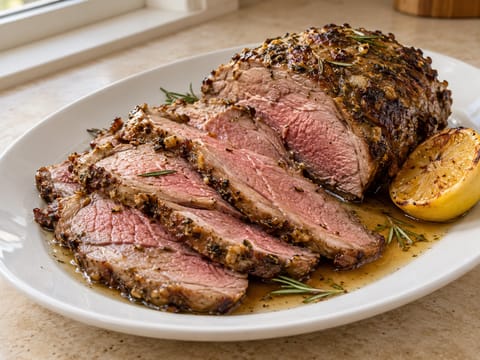
Leg of lamb roasted with garlic and rosemary.

Devilled eggs with a creamy Dijon and mayonnaise filling

Salmon Wellington with spinach and crème fraîche in puff pastry
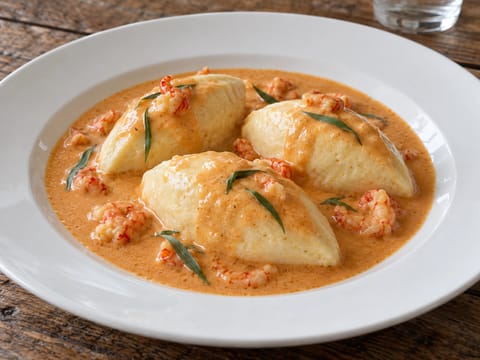
Poached pike dumplings served with creamy crayfish Sauce Nantua

Hot black tea with dark rum and warming spices
Plan contrast. Add at least one crisp, sharp element, such as a salad with a mustardy dressing, a citrusy relish, or pickled vegetables. These cut through creamy and roasted flavours without changing the season’s comfort.
Yes, especially when they are built for winter: sturdy leaves, crunchy vegetables, nuts, and a punchy dressing. They work best as a counterpoint to soft, warm dishes.
Acid and bitterness are helpful. Citrus, vinegar, mustard, capers and bitter greens can balance browned, savoury flavours and keep the plate tasting clear.
No. Rich puddings and chocolate bakes suit the season, but fruit-led desserts can feel just as December-appropriate, especially when paired with spice, citrus or a creamy element.
Often it is the finishing touches: a glossy sauce, a fresh herb garnish, toasted nuts, or a sharp relish. These add contrast and a sense of occasion without adding much extra cooking.
Choose recipes with make-ahead components and dishes that hold well. A menu that tolerates resting and reheating gives you more control over timing.
Start with the warming, filling dish you want, then add one bright, crisp element to sharpen the whole meal. That simple structure suits December cooking from everyday suppers to celebrations.
