
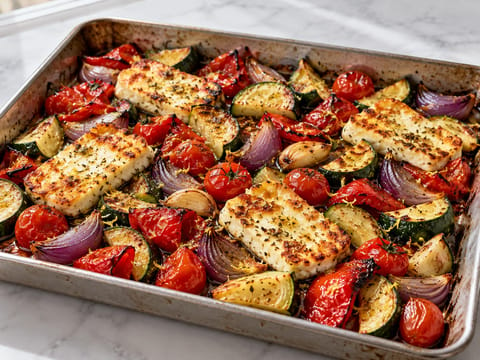
Halloumi and Roasted Vegetable Traybake
Halloumi traybake with roasted courgette, pepper and tomatoes

Allergen categories are a practical way to spot recipes that intentionally use ingredients many people need to avoid, such as milk, eggs, wheat or peanuts. They are best read as a starting point for checking, not a promise of suitability. Ingredients can be hidden in everyday products, and the same dish can be made with different brands or substitutes. Use these categories to understand what to look for, what to double-check on labels, and where cross-contact can creep in during cooking.
Each allergen category flags a major allergen that may be present as an ingredient in a recipe. Some are broad groups, such as tree nuts, while others are specific, such as almonds, walnuts or cashews. That distinction matters: a recipe tagged with a specific nut may still be unsuitable for someone avoiding all tree nuts, and a recipe tagged tree nuts may not specify which nut is used.
A few terms are easy to confuse. Wheat is a cereal grain, while gluten is a protein found in wheat and also in other grains. Fish, crustaceans and molluscs are separate groups, and people’s sensitivities do not always overlap. Sulphur dioxide and sulphites are usually encountered through certain packaged ingredients rather than as something you add by the spoonful. Treat the category as a clear prompt to read the ingredient list with care.
Halloumi traybake with roasted courgette, pepper and tomatoes

Dense Portuguese almond cake finished with icing sugar
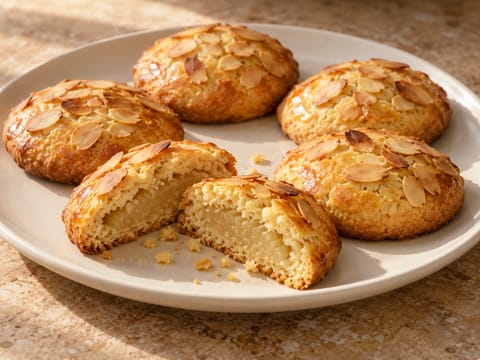
Buttery Dutch cookies with a thick almond paste filling

Caramel chocoflan with vanilla flan and chocolate sponge
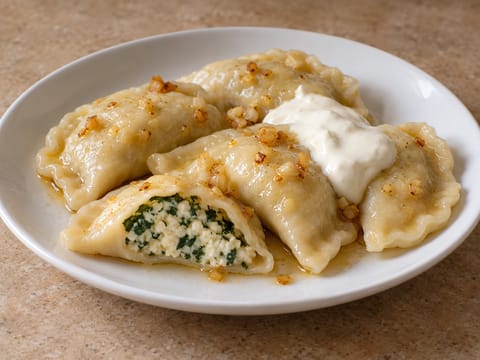
Pierogi filled with spinach and ricotta

Cajun chicken étouffée with dark roux served over rice
These categories support allergen-aware browsing, but they cannot guarantee safety for an individual. Packaged ingredients can contain allergens as ingredients, processing aids or traces, and labelling rules and wording vary by country. If you cook for someone with an allergy, check every product label each time you buy it, and be cautious with staples that often change formulation.
Cross-contact is a separate issue from ingredients. Shared chopping boards, toasters, baking trays, frying oil and even jars of spreads can transfer small amounts of an allergen. If strict avoidance is needed, it helps to think through the whole preparation path, not just the recipe’s main ingredients.
Pierogi filled with spinach and ricotta
Cajun chicken étouffée with dark roux served over rice
Caramel chocoflan with vanilla flan and chocolate sponge
Dense Portuguese almond cake finished with icing sugar
Halloumi traybake with roasted courgette, pepper and tomatoes
Buttery Dutch cookies with a thick almond paste filling

Chilled German red berry pudding thickened with cornflour
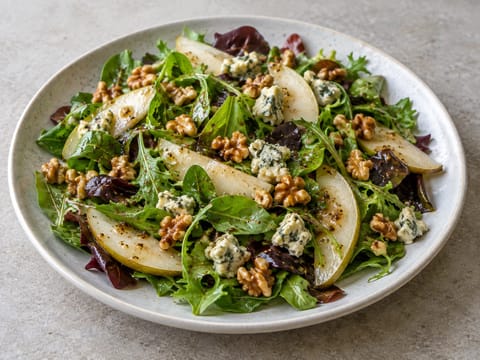
Salad with Stilton, pear and toasted walnuts
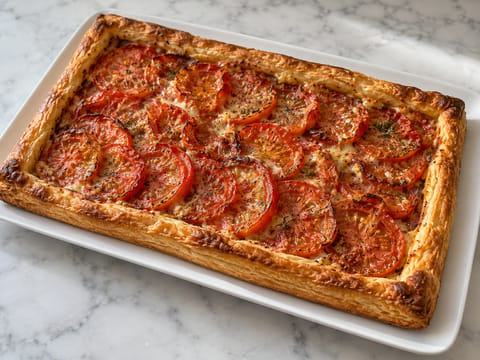
Puff pastry tart with Dijon mustard, tomatoes and Gruyère
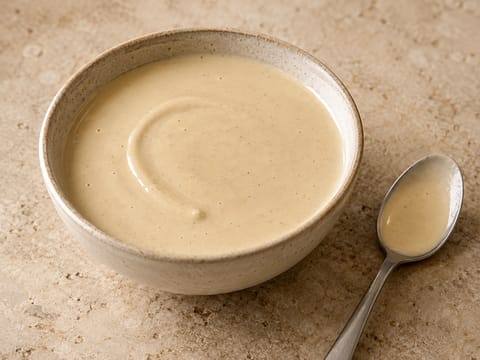
Smooth tahini sauce with lemon, garlic and water

Dense Breton butter cake with vanilla and egg yolks

Dutch beef ragout croquettes with a crisp breadcrumb coating
Start with the ingredient you most need to avoid, then decide whether you need a broad net or a precise one. Broad categories such as tree nuts are useful when you want to avoid a whole family of ingredients, including mixed nuts and nut flours. Specific nut categories are more helpful when you are only avoiding one nut, or when you want to compare recipes that use different nuts for texture and flavour.
For grains, choose wheat when the concern is wheat itself, and gluten when you are avoiding gluten across grains and products that may contain it. For seafood, use fish, crustaceans and molluscs separately, as recipes can include one without the others. For celery, mustard, sesame, soybeans and lupin, remember they can appear in condiments, spice blends and prepared foods, so the ingredient list often matters as much as the headline ingredient.
If you are cooking around an allergy, it can help to browse by Ingredients as well as allergen categories, because many allergens show up through packaged items such as sauces, spreads and baking ingredients. Diet categories can also be useful when you are combining needs, for example avoiding gluten while also keeping a recipe dairy-free, but always confirm against the ingredient list.

Spanish pork and sweet pepper sandwich with garlic and paprika

Coconut cream pie with coconut custard and whipped cream
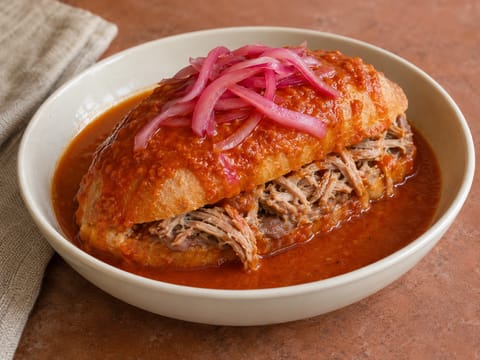
Drowned sandwich with pulled pork, beans and chilli tomato sauce
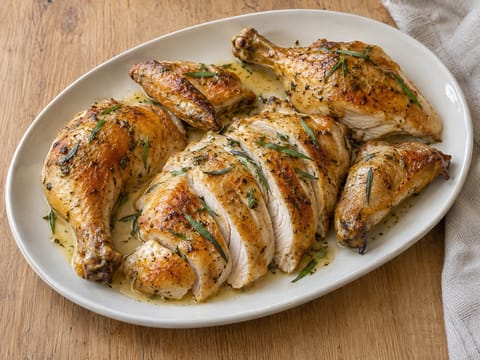
Roast chicken with tarragon butter and spooned-over pan juices

Mascarpone mousse topped with mixed berries
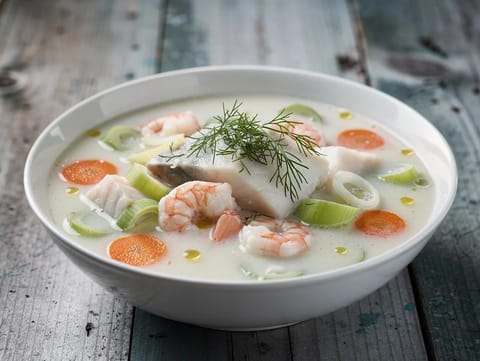
Creamy fish soup with prawns, lemon and dill
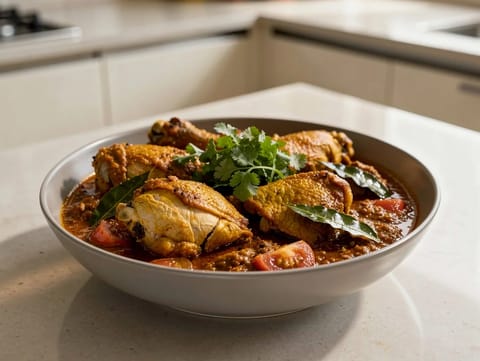
South Indian chicken curry with toasted spices, pepper and coconut
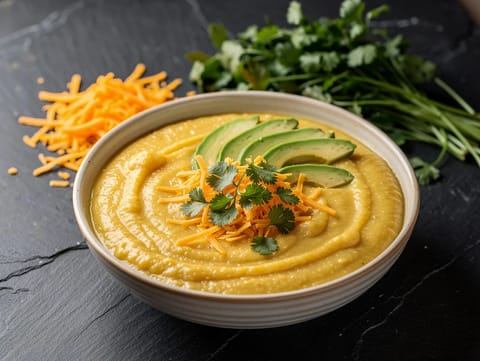
Creamy potato and cheese soup topped with avocado and coriander
No. It indicates an allergen may be intentionally present, which is a prompt to check details. Individual tolerance, ingredient brands and cross-contact risk vary.
Wheat is a specific grain. Gluten is a protein found in wheat and also in other grains. A recipe can be wheat-free but still contain gluten, depending on the ingredients used.
They are different allergen groups. Some people react to one and not the others, and recipes often use them in distinct ways.
Tree nuts is a broader grouping. A recipe might use one nut or a mix, and a specific-nut label does not automatically cover all tree nuts.
Often through certain packaged or preserved ingredients rather than as a standalone pantry item. Checking labels is particularly important for this category.
Not necessarily. Ingredients can be optional, swapped, or present in packaged products. Use the category as guidance, then confirm by reading the ingredient list and labels.
Allergen categories are most useful when they sharpen your attention: which ingredients to scan for, which packaged items to check, and where cross-contact might happen in your kitchen. Once you know the allergen you are avoiding, compare closely related categories, then confirm with labels and ingredient details before you start cooking.
