
Lingonberry Yogurt Smoothie Bowl
A Nordic lingonberry yoghurt smoothie bowl topped with oats and hazelnuts.

Hazelnuts show up in recipes in more forms than just whole nuts. They can be chopped for texture, ground into flour or meal, blended into pastes and spreads, or used as a flavour note in chocolate and desserts. If you are avoiding hazelnuts, the practical skill is recognising the different names and formats on ingredient lists, and remembering that nut processing often involves shared equipment where cross-contact can be relevant.
Hazelnuts may appear as whole nuts, chopped nuts, roasted nuts, meal, flour, praline, paste or butter. In baking, ground hazelnuts can replace part of the flour for a tender crumb and a rich, toasted aroma. In confectionery and desserts, hazelnut paste is used for smoothness and flavour, and it can be paired with chocolate in ways that make it feel like a “background” ingredient rather than a headline one.
A hazelnut label flags intentional use of hazelnuts, but it does not tell you how prominent they are in the finished dish. A small amount of paste in a filling is still hazelnut, and a garnish of chopped nuts is still a key ingredient for someone avoiding them.
A Nordic lingonberry yoghurt smoothie bowl topped with oats and hazelnuts.
Air fried bananas are dipped in dark chocolate, then topped with hazelnuts.
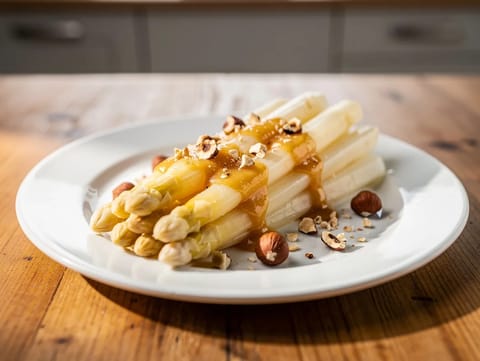
White asparagus with browned hazelnut butter and lemon
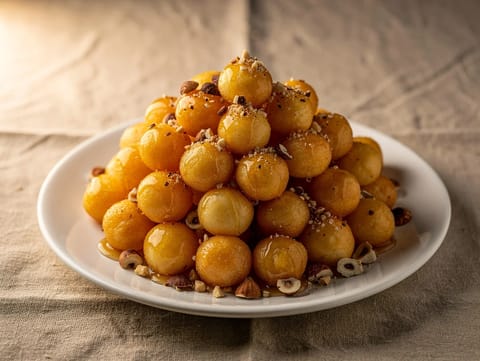
Tiny fried dough balls coated in warm honey and hazelnuts
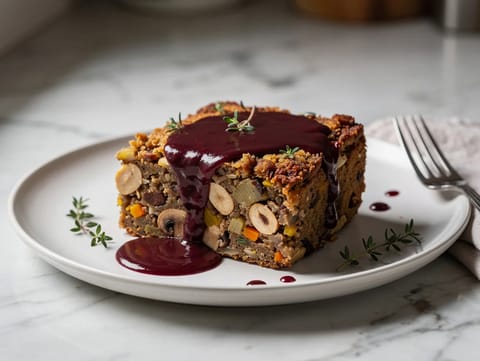
Sliceable nut roast with mushrooms, carrots and red wine gravy
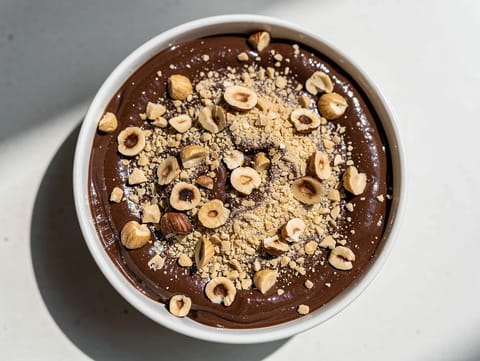
Chocolate hazelnut smoothie bowl with banana, yoghurt, cocoa and nuts.
For hazelnut avoidance, read labels carefully on chocolate, spreads, pralines, nut mixes, bakery items and desserts, where hazelnuts can be included for flavour or texture. Also pay attention to products made in facilities that handle nuts, especially where nuts are roasted, ground or processed into pastes.
In the kitchen, cross-contact often comes from shared chopping boards, food processors and storage jars. If you are cooking for someone with a diagnosed nut allergy, follow their guidance and avoid assumptions based on how “nutty” something tastes.
Sliceable nut roast with mushrooms, carrots and red wine gravy
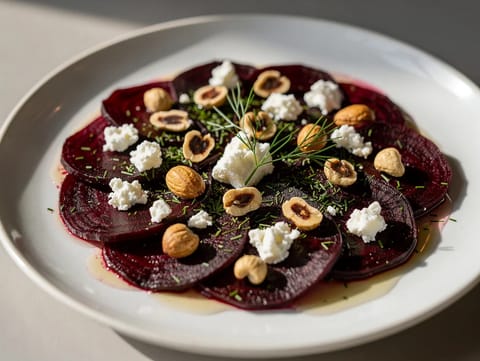
Beetroot carpaccio with goat’s cheese, hazelnuts and dill
White asparagus with browned hazelnut butter and lemon
Chocolate hazelnut smoothie bowl with banana, yoghurt, cocoa and nuts.
Tiny fried dough balls coated in warm honey and hazelnuts
Air fried bananas are dipped in dark chocolate, then topped with hazelnuts.
Hearty vegetarian nut roast with mushrooms and lentils, baked until sliceable
A Nordic lingonberry yoghurt smoothie bowl topped with oats and hazelnuts.
Ingredient guidance can help when you want to swap hazelnuts for another texture or flavour, such as choosing between different nuts, seeds or cocoa-based options. Diet collections can be useful if you are browsing for nut-free or allergen-aware recipes, while still checking labels and preparation practices.

Mussels steamed with white wine, leeks and celery

Greek-style pork roast with lemon, oregano and tray potatoes
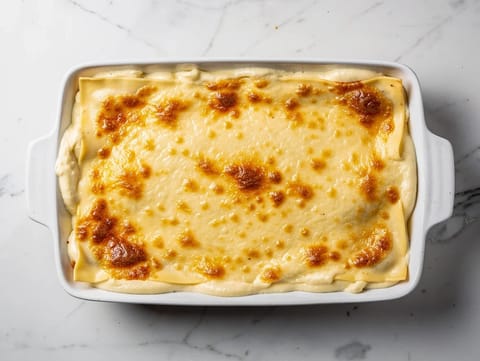
White lasagne with béchamel, minced pork and porcini mushrooms
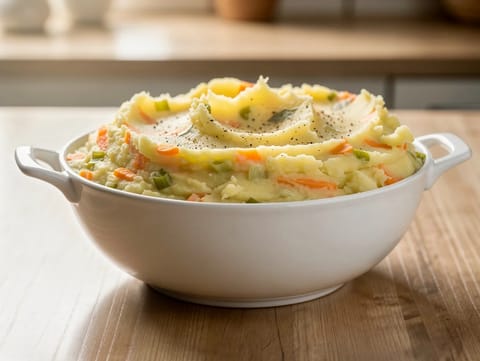
Belgian mashed potatoes with carrots, leeks, butter and milk
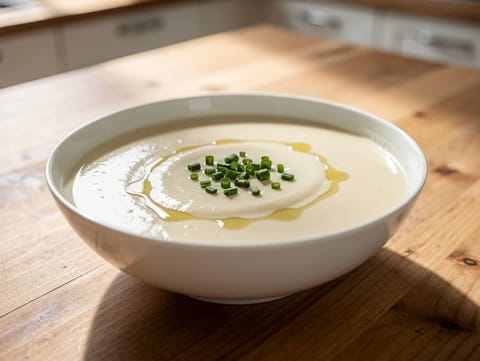
Chilled leek and potato soup blended with cream
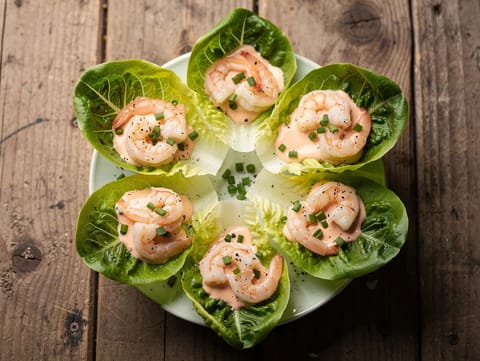
Prawn cocktail in crisp lettuce cups with chives
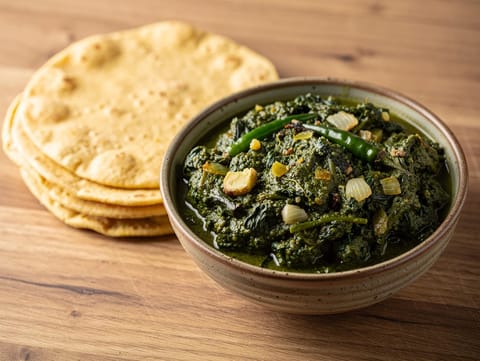
Mustard greens and spinach curry served with maize flatbread
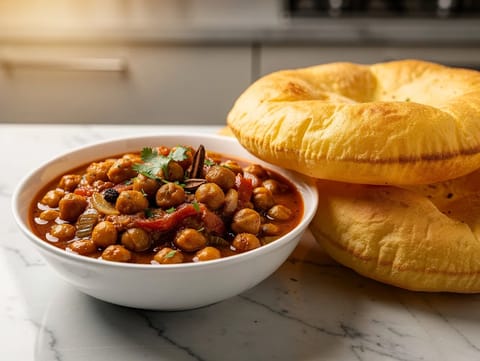
Spiced chickpeas with puffed fried bread made with yoghurt
Hazelnuts are one type of tree nut. Some people avoid all tree nuts; others avoid specific nuts only. If you are cooking for someone else, ask what their avoidance covers.
Yes. Ground hazelnuts are used as meal or flour in some cakes, biscuits and pastry fillings. It may be listed as hazelnut meal, ground hazelnuts or hazelnut flour.
Hazelnuts have a strong roasted aroma and a natural sweetness that pairs well with cocoa. They are also easy to turn into smooth pastes for fillings and spreads.
No. Hazelnuts can be blended into pastes, fillings and spreads, or used in small amounts for flavour. The ingredient list is more reliable than appearance.
Food processors, grinders and chopping boards are common sources, because nut fragments cling to blades and corners. Shared jars of spreads can also pick up crumbs and traces.
When you are avoiding hazelnuts, think beyond the nut bowl. Pastes, flours and chocolate-based products are where careful label reading and clean equipment make the biggest difference.
