
Arroz de Pato (Portuguese Duck Rice with Chouriço)
Why this recipe works
- Deep duck flavour: Simmering the duck with onion, carrot, garlic and bay creates a stock that seasons the rice from the inside out.
- Classic baked finish: Part-cooking the rice in stock before baking helps it absorb flavour while still setting neatly in the dish.
- Crisp chouriço topping: Thin slices of chouriço render and brown in the oven, adding smoky richness and a lightly crisp contrast to the rice.
Get the most out of this recipe
Timing notes
- Rest before serving: Let the baked rice stand for 10 minutes so the grains settle and the dish spoons out cleanly.
- Mostly inactive cooking: The recipe takes time because the duck needs to simmer until tender, but the hands-on work is relatively limited.
Ingredient notes
- Use skin-on duck legs: Duck legs give the stock body and enough richness for the rice, while the meat becomes easy to shred after simmering.
- Choose a smoky sausage: Portuguese chouriço is the natural choice, but a firm cured chorizo can also give a crisp, savoury topping.
- Rinse the rice: Rinsing long-grain rice removes excess surface starch, helping the finished dish stay defined rather than heavy.
Make-ahead tips
- Cook the duck ahead: The duck can be simmered, shredded and chilled with the strained stock before assembling the rice.
- Reheat gently: Reheat covered in a 180°C (355°F) oven until piping hot, then uncover briefly to re-crisp the chouriço.
- Freeze in portions: Cool completely before freezing; defrost overnight in the fridge before reheating for the best texture.
Common mistakes
- Using too much or too little stock: Check the strained stock before cooking the rice; adjust with a little water or reduce briefly so the rice bakes evenly.
- Skipping the partial cook: The rice should begin to swell on the hob but still feel firm before it goes into the baking dish.
Equipment you'll need
Ingredients
Duck and stock
Rice and topping
Instructions
- Pat the duck legs dry and season all over with the salt and pepper. Heat the olive oil in a large pot over medium-high heat, then brown the duck legs skin-side down for 6 to 8 minutes, turning once, until well coloured. Lift the duck out to a plate.
- Lower the heat to medium and add the onion, carrot and garlic to the pot. Cook for 6 to 8 minutes, stirring, until softened and lightly golden. Return the duck to the pot and add the bay leaves and water.
- Bring to a gentle simmer, then cover and cook for 60 to 70 minutes until the duck is very tender and pulls away from the bone. Skim off excess fat from the surface as needed to keep the stock clean. Transfer the duck to a tray to cool slightly.
- Strain the stock into a bowl, pressing the vegetables to extract flavour, then discard the solids and bay leaves. You should have about 900 ml to 1 l stock; if you have less, top up with a little water, and if you have more, simmer briefly to reduce. Shred the duck meat, discarding skin and bones.
- Heat the oven to 200°C (390°F). Slice the chorizo into thin rounds. Rinse the rice under cold water until the water runs mostly clear, then drain well.
- Bring 900 ml of the duck stock to a simmer in the pot. Stir in the rice and cook for 8 minutes, stirring occasionally, until the grains have started to swell but are still firm. Fold in the shredded duck, then taste and adjust with a pinch more salt and pepper if needed.
- Tip the rice mixture into a baking dish and level the top. Arrange the chorizo slices over the surface in a single layer. Bake for 18 to 22 minutes until the rice is set and the chorizo is lightly crisp at the edges.
- Rest for 10 minutes so the rice firms up and slices neatly. Serve hot, spooning down to the bottom to catch the duck through the rice.
Recipe notes
Tips
- For a cleaner, richer flavour, skim the duck fat from the stock while it simmers; you can save the fat for roasting potatoes another day.
- If the top is browning too quickly before the rice is set, cover the dish loosely with foil for the last 5 to 10 minutes of baking.
Substitutions
- Replace Long-grain white rice with Basmati rice for a slightly more fragrant result; keep the same timings but check the bake 5 minutes early.
- Replace Chorizo sausage with Spanish chorizo for a firmer, drier topping that crisps more readily.
Storage
- Refrigerate up to 3 days
- Cool completely, then refrigerate in a sealed container for up to 3 days. Reheat in a 180°C (355°F) oven, covered, for 15 to 20 minutes until piping hot; uncover for the last 5 minutes to re-crisp the chorizo. Freeze in portions for up to 2 months and defrost overnight in the fridge before reheating.
Ratings & reviews
Liked this recipe? Share your feedback to support our cooking community.
Tried this recipe?
Choose 1–5 stars. A comment is optional.
Stay inspired
Discover new recipes, seasonal favourites and cooking inspiration every day. Follow JustRecipes on Pinterest and Spillt.
Recipe overview
- Servings: 4 servings
- Total time: 2h (35min active)
- Difficulty: Medium
- Cuisine: Portuguese
Plan your meals and get a complete grocery list automatically.
Add to meal plannerEquipment you'll need
Got ingredients left?
Find recipes using ingredients from this recipe or what you already have at home.
Find recipes with these ingredients →
Fusion Turkey Rice Bowl
Turkey rice bowl with cucumber, carrot and sriracha mayonnaise.
Truffle Mushroom Risotto
Creamy risotto with mushrooms, Parmesan and truffle oil

Honey and Garlic Glazed Salmon
Pan-seared salmon with honey garlic glaze, rice and broccoli
Middle Eastern Lentil Rice with Caramelised Onions
Lentil rice topped with caramelised onions and lemon
Arroz de Tomate (Portuguese Tomato Rice)
Creamy Portuguese tomato rice with onion, garlic and parsley
Arroz Caldoso (Spanish Brothy Rice)
Spanish brothy rice cooked in saffron stock with tomato sofrito
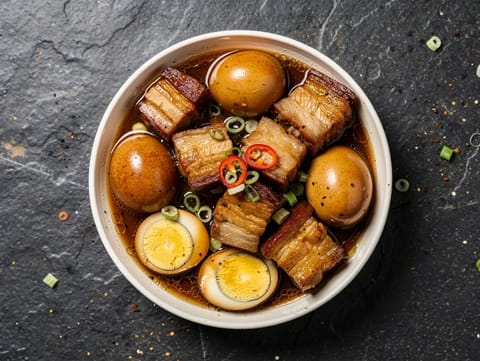
Tết Braised Pork Belly with Eggs
Braised pork belly with eggs in coconut water sauce

Japanese-Korean Fusion Rice Bowl with Gochujang Chicken and Egg
Rice bowl with gochujang chicken, cucumber, spinach and egg
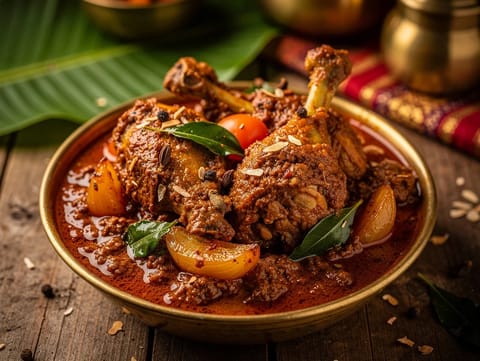
Chettinad Chicken Curry
Peppery Chettinad chicken curry with coconut, tomato and curry leaves
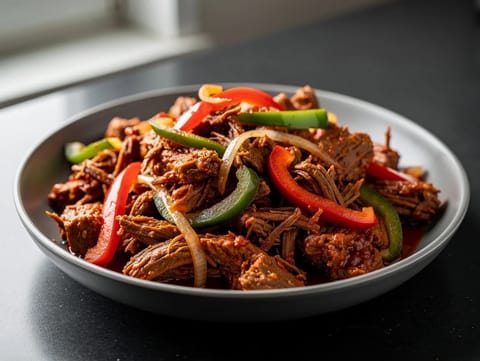
Ropa Vieja (Shredded Beef Stew)
Shredded beef stew with peppers, onions and tomatoes
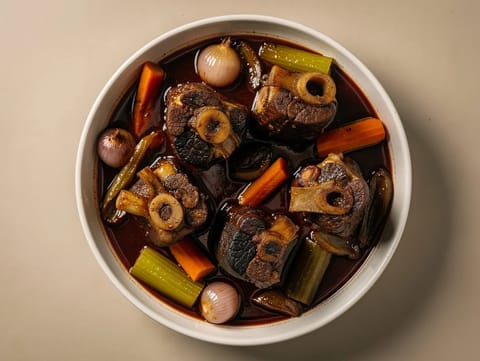
Rabo de Toro (Spanish Red Wine Braised Oxtail Stew)
Spanish red wine braised oxtail stew
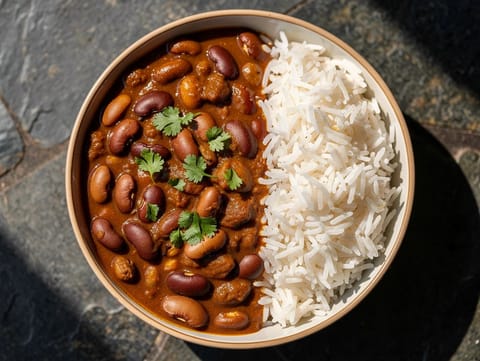
Rajma Chawal (Kidney Bean Curry with Basmati Rice)
Kidney bean curry served with steamed basmati rice
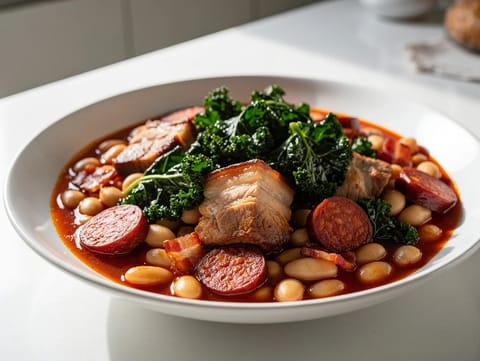
Feijoada à Portuguesa (Portuguese Bean Stew with Pork and Chorizo)
Portuguese white bean stew with pork belly, chorizo and bacon
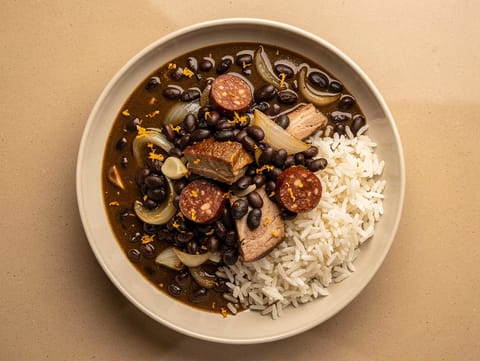
Light Feijoada Bowl (Bean and Meat Stew) with Rice
Light feijoada bowl with black beans, pork, chouriço and rice
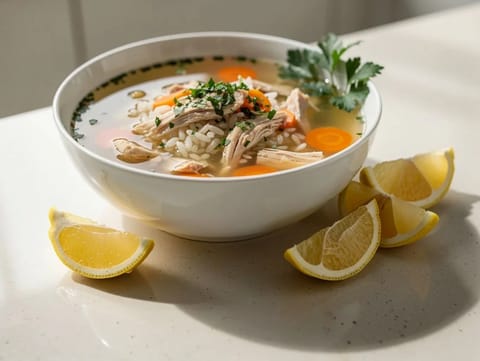
Canja de Galinha (Portuguese Chicken and Rice Soup)
Light chicken and rice soup finished with parsley and lemon
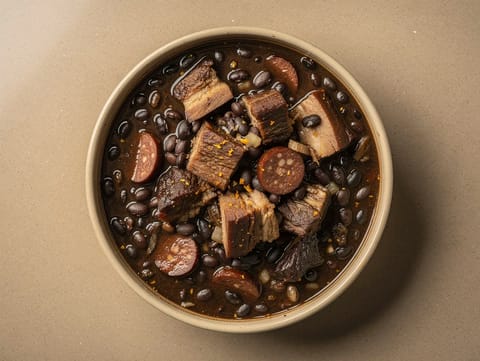
Feijoada (Black Bean Stew with Pork and Smoked Sausage)
Black bean stew with pork and smoked sausage
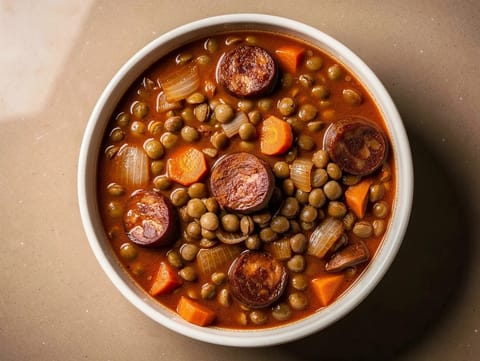
Lentejas con Chorizo (Spanish Lentil and Chorizo Stew)
Spanish lentil stew simmered with chorizo, tomato and smoked paprika

Lentejas Estofadas con Chorizo (Spanish Lentil and Chorizo Stew)
Brown lentil and chorizo stew with bay and smoked paprika
You might also like
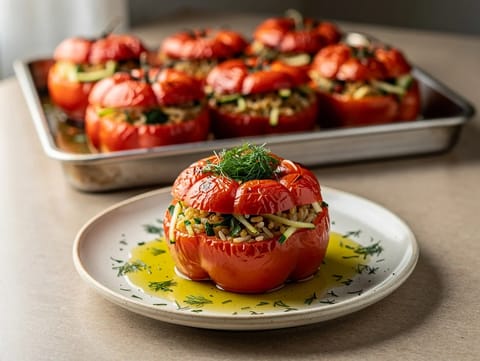
Modern Gemista Traybake (Stuffed Peppers and Tomatoes)
Traybaked stuffed peppers and tomatoes with herby lemon rice
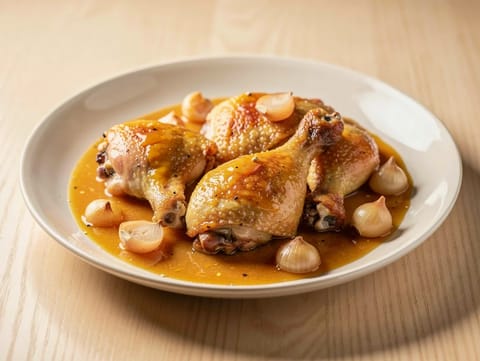
Poulet au Vinaigre (French Chicken in Vinegar Sauce)
Chicken braised with shallots in a tangy vinegar sauce
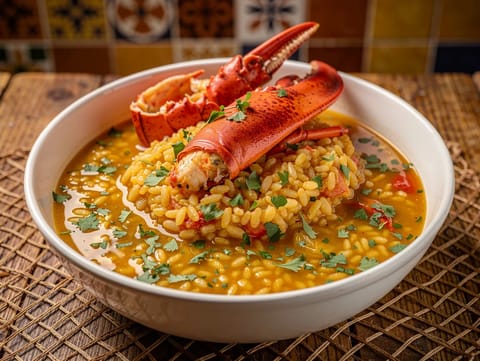
Arroz Caldoso con Bogavante (Brothy Spanish Rice with Lobster)
Brothy Spanish rice with lobster and saffron stock

Vietnamese Herb Chicken Bowl with Jasmine Rice
Grilled chicken bowl with jasmine rice, herbs and dressing
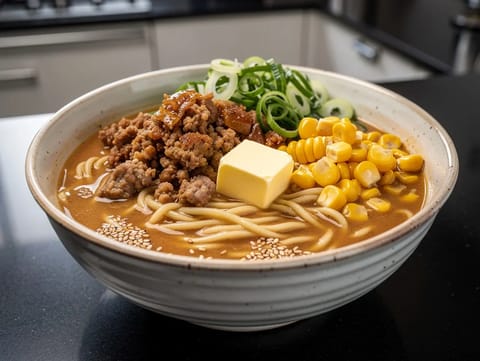
Hokkaido Miso Ramen (Rich Miso Broth Noodle Soup)
Hokkaido miso ramen with minced pork, sweetcorn and butter
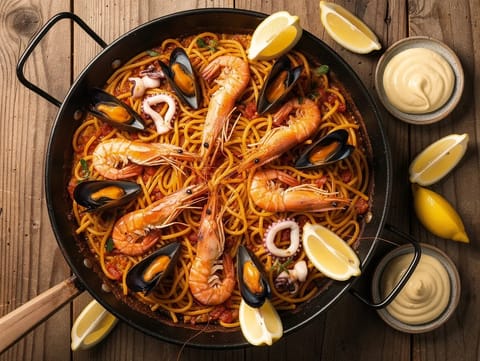
Fideuà de Mariscos (Seafood Noodle Paella)
Seafood fideuà with toasted noodles and saffron stock
Make this recipe easier next time
AdvertisementThese tools help you get better results with less effort.
Misen 8-Inch Chef Knife
- AUS-10 steel
- Balanced design
- Less traditional feel
Titanium & PP Double-Sided Cutting Board
- Separate surfaces for meat and produce
- Resists odors and stains
- Harder on knife edges than wood or plastic
WÜSTHOF Classic 8-Inch Chef's Knife
- Excellent build quality
- Reliable edge retention
- Expensive
OXO Good Grips 2-Piece Cutting Board Set
- Two useful sizes with reversible cutting surfaces
- Dishwasher safe and easy to clean
- Plastic surfaces will show knife marks over time
Enjoy cooking with JustRecipes?
Add JustRecipes as one of your preferred Google sources to discover our recipes more easily across Google Search.
Add JustRecipes to GoogleEvery recipe on JustRecipes follows the same structured editorial process. Learn how recipes are created, validated, translated, illustrated, and continuously improved across the platform. How we create recipes.
